Momos are the hands-on heart of this Kathmandu cooking class: you make the dough, fill it, fold each dumpling, then steam it and eat it fresh. The class also gives you a taste of everyday Nepali cooking, with dishes such as dal bhat and curries on the menu.
I like two things about the format: you shop for ingredients at a nearby local store, and you choose three dishes with your instructor before cooking. The instructors, including Nishma, Sajin, Bikram, and Kamal, have been praised for clear explanations, patience, and humor. The result is more than a recipe demonstration: you get food, conversation, and a little context for what’s on your plate.
One thing to keep in mind: a hands-on class depends on how the work is shared. You may chop, stir, and shape momos yourself, but the instructor can end up doing a large share of the cooking. If you want to handle every step, say so early and ask for a task.
- The useful details at a glance
- A market visit before the cooking begins
- Momo making, from dough to steamer
- Three dishes, shared work, and a full meal
- The teaching style and the kitchen
- Timing, pickup, and what the price buys
- Who will get the most from this class
- Should you book the Kathmandu cooking class?
- FAQ
- How long is the cooking class?
- Where does the class take place?
- Which dishes can I learn to cook?
- Do participants visit a market?
- Is the class taught in English?
- Will I make momos myself?
- Is a meal included?
- Does every package include pickup and drop-off?
- Are children allowed to join?
- Can I change or cancel my booking?
- The Best Of Kathmandu!
- More Cooking Classes in Kathmandu
- More Tours in Kathmandu
- More Tour Reviews in Kathmandu
- Not for you? Here's more nearby things to do in Kathmandu we have reviewed
The useful details at a glance
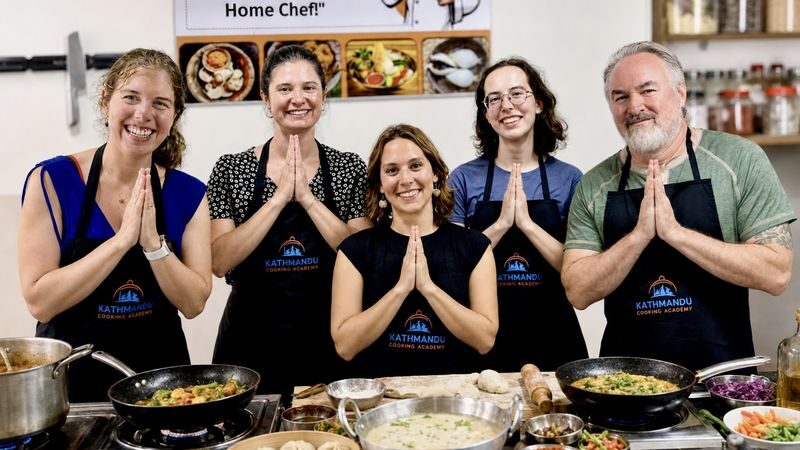
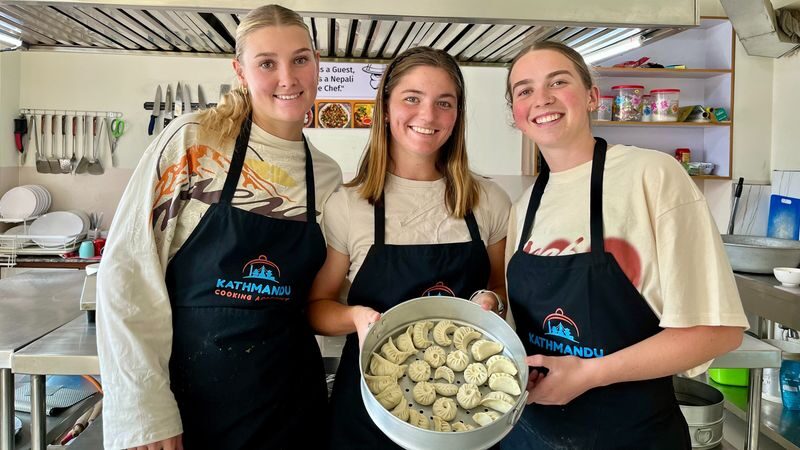
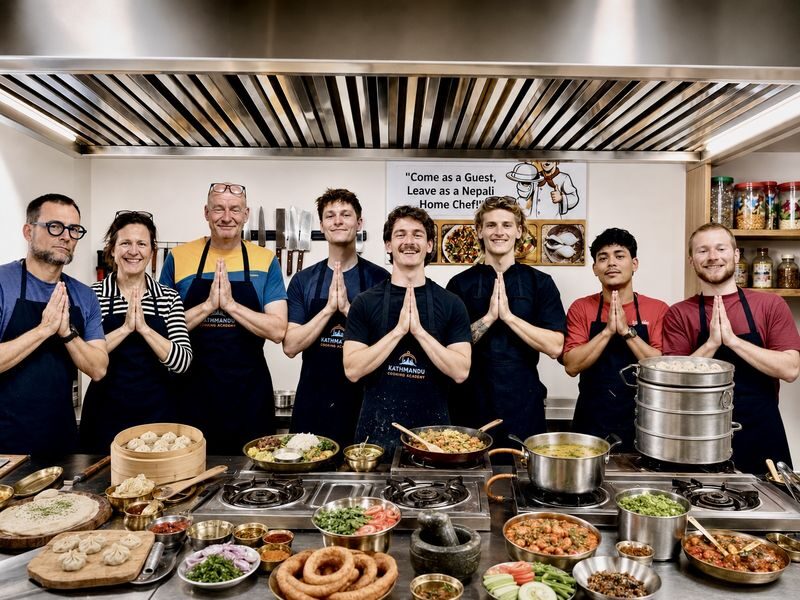
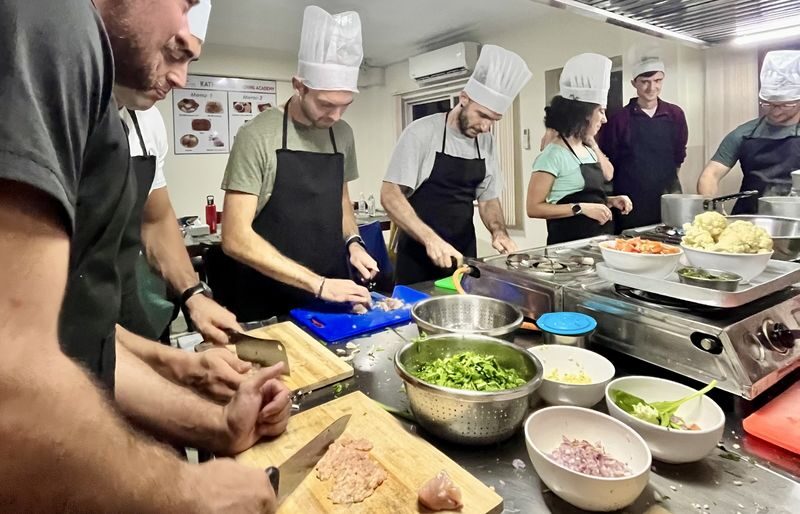
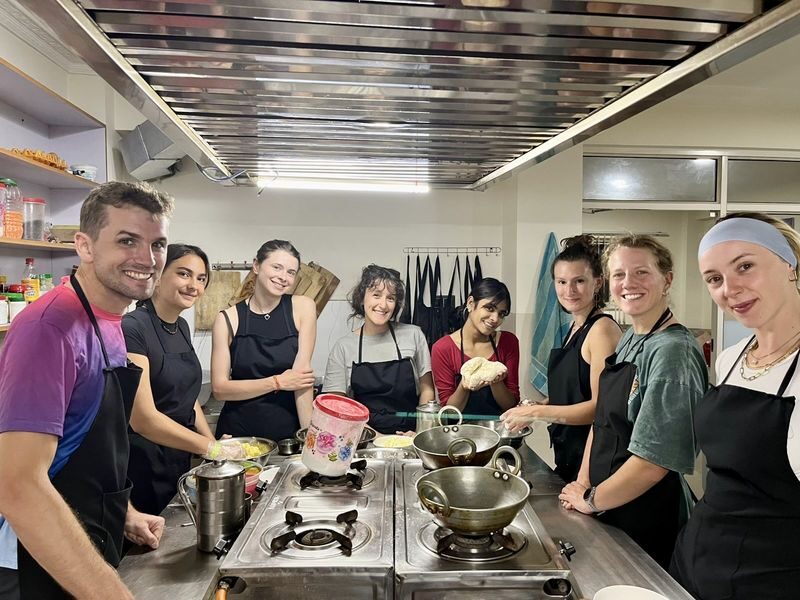
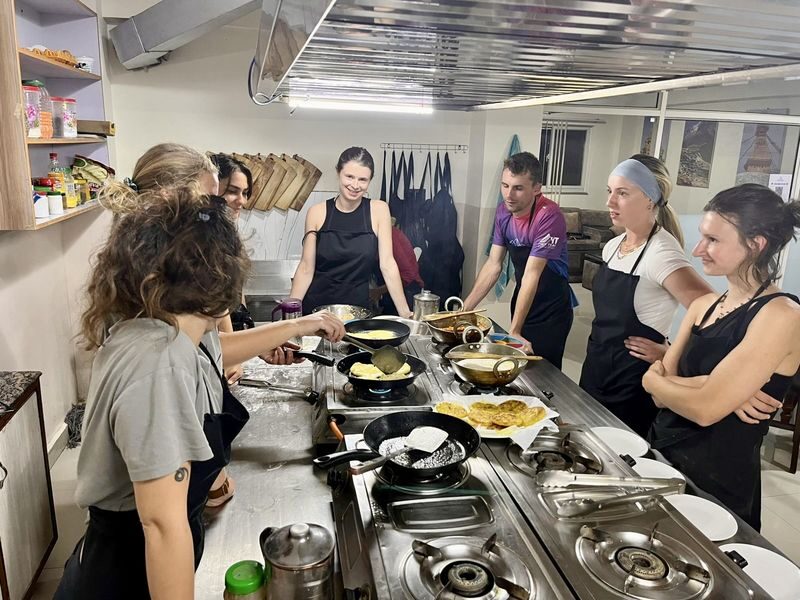
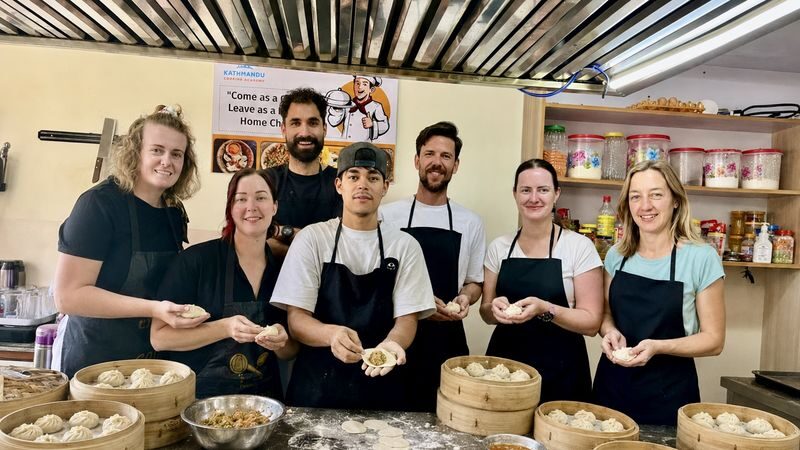
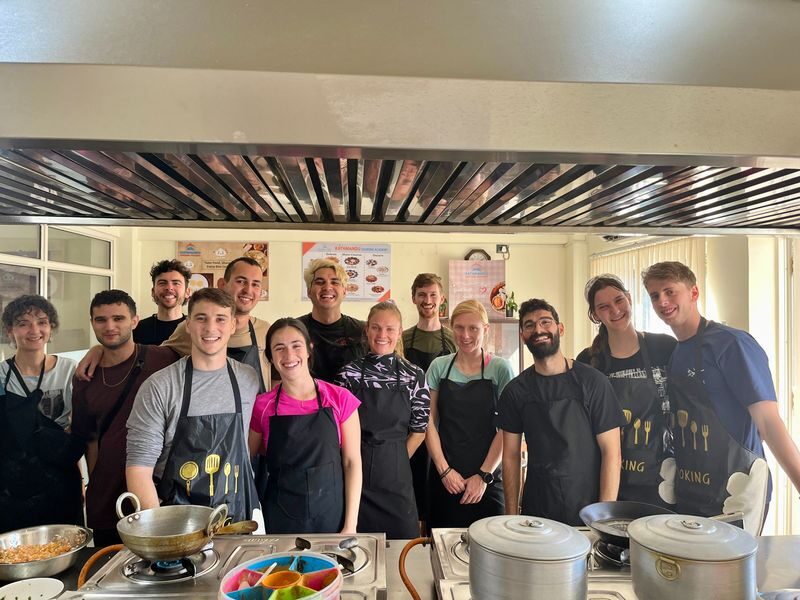
- Momos are made from scratch: Roll dough, prepare filling, fold dumplings, and steam them.
- You help choose the menu: During the introduction, pick three dishes with the group, often including a starter, main, and dessert.
- Ingredient shopping is part of the outing: Walk to a nearby shop for vegetables, spices, and other items needed for cooking.
- The meal is the payoff: Sit down to eat the Nepali dishes you helped prepare, with portions that can make a substantial meal.
- It suits beginners: Instructors explain the steps, and the class welcomes people who do not usually cook.
- Check the package before booking: A cooking class, a momo-only class, and an option with pickup and drop-off are listed at different prices.
👉 See our pick of the 14 Best Shopping Tours In Kathmandu
A market visit before the cooking begins
The class is based at Kathmandu Cooking Academy in Thamel, a central Kathmandu neighborhood. Rather than starting with a long lecture, the session begins with an introduction and a chance to choose what to cook. You may be offered masala milk tea while you settle in and discuss the menu.
Then comes a practical bit of local life: a short shopping trip to a nearby store. You might pick up potatoes, mushrooms, carrots, coriander, or other ingredients for the dishes the group has chosen. It is a small stop, but it helps connect the recipe to the ingredients people buy and cook with in Kathmandu.
The menu can vary with the group’s choices. Dishes mentioned for the class include momo, dal bhat, chatamari, potato and mushroom dishes, and curries. The available information describes a three-course meal, with a starter, main, and dessert selected during the introduction. If a particular dish matters to you, ask about it before you book rather than assuming it will be on that day’s menu.
This shared menu has a social upside. You can compare ideas with other participants and taste several dishes, rather than cooking one recipe alone. The trade-off is that the class’s choices may reflect the group, so let the instructor know early if you have a strong preference.
You can also read our reviews of more cooking classes in Kathmandu

Momo making, from dough to steamer
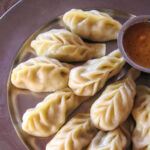
Momos are Nepal’s beloved dumplings, and making them yourself is the class’s most tactile lesson. You work with flour dough, prepare the filling, and learn to fold the dumplings before steaming them. The folding takes practice. Your first one may look more like a small parcel than a neat restaurant momo, and that is part of the fun.
The instructor can show you the technique and talk through the recipe as you work. You then steam the momos and eat them fresh, often with a tomato sauce. The sauce is worth noticing: it brings a bright, savory edge to the dumplings and may become a recipe you want to recreate at home.
A class can include several participants, with examples ranging from two people to a group of seven. If the group is small, you may have plenty of room to ask questions and take a close look at each step. In a larger group, jobs may be divided so that cooking keeps moving. Either way, ask to handle the dough and shaping if those are the skills you most want to learn.
There is a useful caveat here. The class is meant to be participatory, but the balance between demonstration and student work can vary. Some visitors have found the instructor handled much of the cooking. A polite request to chop, stir, or fold more often is sensible, especially if you came to learn technique rather than simply watch.
Three dishes, shared work, and a full meal
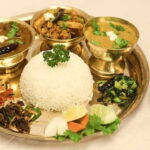
Momo making is only part of the session. Depending on the menu, you may help prepare Nepali staples such as dal bhat, a meal built around rice and lentils, along with vegetables or curry. The point is not just to follow a recipe. You get to see how spices are used and how a few separate dishes come together into a meal.
Work is often divided among participants. You might cut vegetables, stir ingredients in a pan, knead dough, or help prepare a side dish. Instructors explain the steps and the food’s place in Nepali cooking, and the English-language teaching makes it easier to ask questions as you go.
The class ends at the table, where you eat what you have cooked. That makes the price easier to judge: you are paying for instruction, ingredient shopping, a cultural introduction, and a substantial meal, not only a short cooking demonstration. Portions have been described as generous, so avoid arriving after a large lunch. If you book an evening session, plan accordingly.
Recipes can be downloaded online, so you do not need to spend the whole class taking notes. That leaves you free to watch, ask questions, and get your hands messy. If you want to cook a dish at home later, make a quick note of any ingredient or technique you may not recognize by sight.
The teaching style and the kitchen
The experience depends heavily on the instructor, and the named teachers have included Nishma, Sajin, Bikram, and Kamal. The class has been described as friendly, patient, and easy to follow, with instructors sharing explanations and stories about Nepali food and culture. Their English helps make the cooking accessible even if you are new to the cuisine.
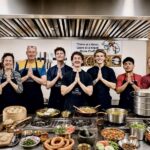
The kitchen is described as newly set up, clean, and equipped with the necessary amenities, plus a waiting room. The setting is practical rather than showy: there is space to prepare food, and the emphasis is on cooking together. One participant found it comfortable for a group of seven; smaller groups can make it easier to ask questions.
The academy is in Thamel, at Kathmandu Cooking Academy. One useful arrival detail: the entrance is through a gate, then through the building and up to the second floor. A sign outside helps identify the school. Still, check the exact meeting instructions and time on your booking, as the time is confirmed after reservation and schedules can shift with traffic or weather.
Timing, pickup, and what the price buys
The experience is listed as a four-hour class, though the exact start and finish depend on the time you select. The supplied schedule information includes different time references, so treat the booked time shown for your date as the one that matters. Arrive at the confirmed meeting point at that time.
There are several package choices. The listed starting prices are about US$14 for a momo-only class, US$16 for the Nepali cooking class with momo making, and US$38 for the class with pickup and drop-off. A separate summary price is around US$15.40, so check the price shown for your selected date and package before paying. These are starting prices, not a guarantee that every option will cost the same.
The least expensive option is focused on momo making. Choose the fuller cooking class if you want the menu selection, broader Nepali meal, and market visit. Pickup and drop-off cost more, but can be useful if you do not want to arrange your own way to Thamel. Do not assume transport is included in the standard class: it is a separate package option.
For the value, I would favor the full cooking class if you have time for the longer session. It adds variety and context to the dumpling lesson, and the meal helps make the activity feel complete. If you are short on time or mainly want to learn the folding technique, the momo-only option may be the better fit.
You can also read our reviews of more tours and experiences in Kathmandu


Who will get the most from this class
This is a good choice for curious eaters, novice cooks, and anyone who wants an activity beyond temples and sightseeing. You do not need to be a confident cook. The pace is described as relaxed, and the instructors guide you through tasks that can be managed by beginners.
It also works well if you like meeting people over a shared activity. The group cooks together, chooses dishes, and sits down for the meal. If you are traveling solo, a small class can make conversation easy; if you prefer a private lesson, check group arrangements before booking rather than assuming the class will be one-on-one.
Families should note that children aged 0 to 9 are listed as free. The information does not specify other child arrangements, so ask the provider about participation and supervision if you are bringing young children.
The main reason to skip it is if you want a tightly timed, fully hands-on workshop with guaranteed individual practice at every step. This is a relaxed cultural cooking session, and the flow can vary with the group and the day. Keep expectations flexible, but do ask for a turn at each task you care about.
Should you book the Kathmandu cooking class?
Book the full class if you want to learn more than how to fold a momo. The nearby ingredient shop, choice of dishes, English-speaking instruction, and shared meal give you a useful introduction to Nepali food in one session. The momo-only class makes sense if dumplings are your main interest, while pickup and drop-off are worth considering if transport is a concern.
Before booking, confirm which package you are choosing, check the time for your date, and tell the instructor if you have a dish you especially want to make. Come hungry, but not after a big meal. Most of all, ask to take part. The best memory to bring home is not just a recipe, but the confidence to make a batch of imperfect, delicious momos yourself.
Nepali Cooking Class & Momo Making with Pickup In Kathmandu
“good chef. have fun with small group of people. food is yummy. the only drawback is the teacher should let students make the food more often instea…”
FAQ
How long is the cooking class?
The class is described as lasting about four hours. The exact schedule can vary with the selected time, traffic, and weather.
Where does the class take place?
It takes place at Kathmandu Cooking Academy in Thamel, Kathmandu. The academy is reached through a gate and building entrance, then up to the second floor.
Which dishes can I learn to cook?
The menu is chosen during the introduction. Dishes mentioned include momo, dal bhat, chatamari, curries, and potato or mushroom dishes.
Do participants visit a market?
Yes. The class includes a trip to a nearby shop to buy ingredients such as vegetables and spices for the cooking session.
Is the class taught in English?
An English-speaking guide is included. Instructors named for classes have included Nishma, Sajin, Bikram, and Kamal.
Will I make momos myself?
The momo lesson includes preparing dough and filling, folding the dumplings, and steaming them. How tasks are shared can vary, so ask the instructor if you want more hands-on practice.
Is a meal included?
You prepare Nepali dishes and eat the food you have cooked as a meal. The full cooking class is described as a three-course meal.
Does every package include pickup and drop-off?
No. Pickup and drop-off are offered with a separate package. The standard cooking class and momo-only option are listed separately.
Are children allowed to join?
Children aged 0 to 9 are listed as free. The available details do not specify other child arrangements.
Can I change or cancel my booking?
Changes are allowed until 24 hours before the activity, with some booking exceptions. A full refund is available if you cancel at least 24 hours before the activity date, using the destination’s local time.