The memorable part of this three-day safari is the time spent inside the Maasai Mara, where a determined guide named Kevin helped the group find lions, giraffes, elephants, and a cheetah. I like that the schedule includes two chances to enter the reserve and a camp close enough for a short drive to the gate.
I also like the contrast between a wide-open wildlife reserve and a Maasai village visit, which gives you a different kind of encounter on the final day. The trade-off is that the plan can involve extra charges and rough transport: a vehicle became stuck while crossing a river, and the village entrance fee was not expected by everyone in the group.
At a glance
- Two reserve visits: A short first drive near the entrance is followed by a longer day exploring deeper inside the Maasai Mara.
- A camp about 10 minutes from the reserve: That short transfer makes it practical to spend time in the park without staying far away.
- Guide Kevin’s animal spotting: He worked hard to find wildlife and good viewing places, including lions, elephants, giraffes, and a cheetah.
- A river stop on foot: Armed soldiers accompanied the group to a riverbank for about 15 minutes to view animals.
- The Maasai village visit may cost extra: Confirm the entrance charge before you go, and decide in advance how you feel about purchasing crafts.
- Prepare for a long road trip and variable vehicle conditions: The return is to the original Nairobi meeting point, but the drive can be affected by delays.

👉 See our pick of the 7 Best Workshops And Classes In Nairobi
- At a glance
- Three days from Nairobi to the Maasai Mara
- Day one: Rift Valley stop, camp, and an evening drive
- Day two: longer game drive and a river visit
- Day three: Maasai village and the return to Nairobi
- What the 2.55 starting price may mean for your budget
- Who is likely to enjoy this safari
- Should you book it?
- FAQ
- How long is the safari?
- Where does the safari go?
- How many times does the group enter the Maasai Mara?
- What animals might I see?
- Is the tour offered as a small-group safari?
- What is the starting price?
- Is the Maasai village visit part of the three-day trip?
- Is the village entrance fee included?
- Can I cancel for a full refund?
- The Best Of Nairobi!
- More Safari Adventures in Nairobi
- More Tours in Nairobi
- More Tour Reviews in Nairobi
- Not for you? Here's more nearby things to do in Nairobi we have reviewed
Three days from Nairobi to the Maasai Mara
 1 / 7
 2 / 7
 3 / 7
 4 / 7
 5 / 7
 6 / 7
 7 / 7
This is a compact safari that combines a road trip, an overnight camp, game drives, and a village visit. The advertised price starts at $402.55, but the value depends on what is included in the amount you pay and which charges come up separately. Park entry and the village visit involved payments on the described trip, so check the current inclusions before booking and bring a reserve of cash.
The experience is best understood as a practical, budget-conscious route to the Maasai Mara, not a polished, predictable luxury safari. You get two park visits and time with a guide who was intent on finding animals, but the schedule can shift, vehicle problems can eat into viewing time, and some stops may come with additional costs.
The activity is sold as a small-group safari, though the exact group-size limit is not specified here. That matters: a small group can make shared game viewing more comfortable, but you should ask the operator for the maximum number of people and the vehicle arrangement if those details will affect your decision.
You can also read our reviews of more tours and experiences in Nairobi


Day one: Rift Valley stop, camp, and an evening drive
The trip starts with a meet-up in Nairobi, then heads toward the Maasai Mara, with a stop at the East African Rift Valley. The viewpoint gives you a chance to pause and take photos, but the stop described was brief, with about 15 minutes allowed. If you prefer to spend your limited time on wildlife rather than roadside sightseeing, treat this as a quick photo break, not a major attraction.
The group reached camp at about 3:30 p.m., dropped off belongings, had lunch, and rested before setting out again. That pause is useful after the road journey. It also means the first game drive begins later in the day, so you should not expect a full afternoon in the reserve on day one.
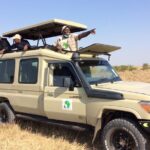
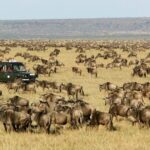
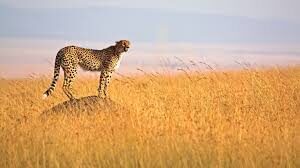
The camp was about 10 minutes from the Maasai Mara entrance. After taking photos at the gate and paying to enter, the group drove inside for roughly two hours, leaving around 7 p.m. The first outing focused on areas near the entrance, where the group saw mostly herbivores and, unexpectedly, a cheetah.
A short evening drive is a good introduction, but it is not the same as a full day on safari. You may get a memorable sighting, as the group did, or find that the animals are spread out or harder to spot. The sensible approach is to enjoy the first drive as a chance to get oriented, while saving your biggest hopes for the longer day ahead.
Dinner and rest followed back at camp. The schedule described does not give details about room type, shared facilities, or meals beyond lunch and dinner on day one. Ask about the camp setup before paying if privacy, comfort, or particular amenities are important to you.
Day two: longer game drive and a river visit
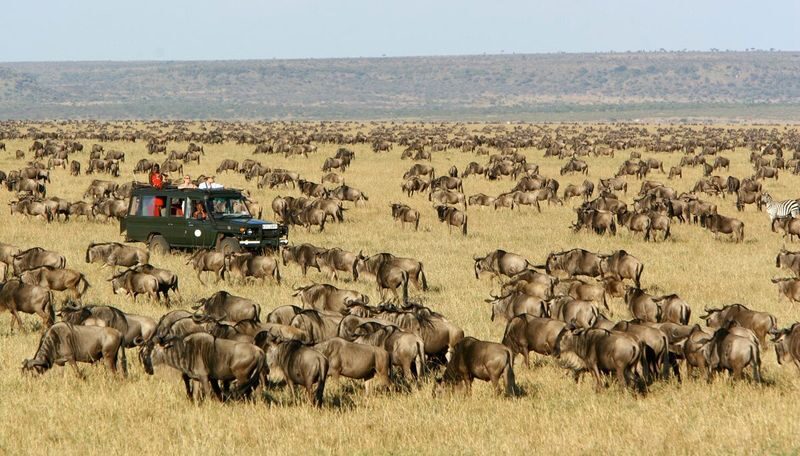
After breakfast, the group returned to the Maasai Mara and spent much of the day driving deeper into the reserve. This is the strongest wildlife day of the trip. Kevin, the guide, was praised for his persistence in looking for requested animals and choosing useful viewing spots. A good guide can make a real difference in a large reserve: the drive is not just about covering ground, but also about searching carefully and positioning the vehicle so you can see what is there.
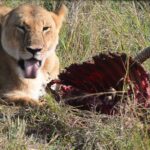
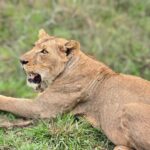
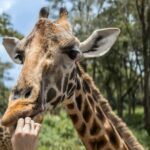
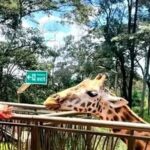
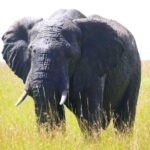
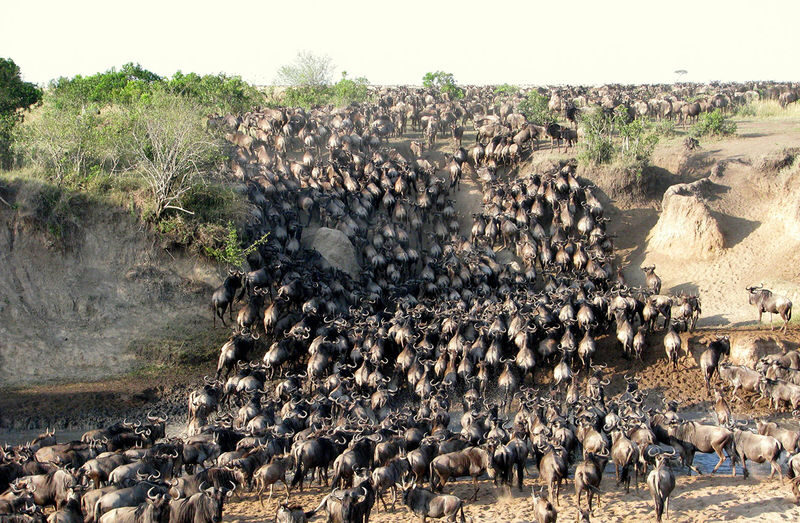
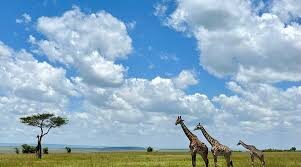
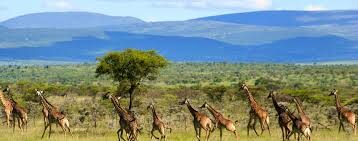
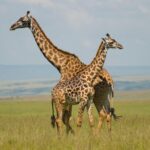
The group saw lions, giraffes, and elephants, along with other animals. Sightings are never guaranteed, and one lucky cheetah encounter on the first day is not a promise of another. Still, the longer drive gives you more time to search than the brief first visit, which is one reason this three-day format is more appealing than a single afternoon in the reserve.
A packed lunch was served during the day. There was a practical dietary problem: bread in the meal contained pork, which was unsuitable for four Muslim members of the group. If you have religious, medical, or other food requirements, do not rely on the lunch being appropriate without checking ahead. Ask the operator what is provided and whether you should bring a substitute.
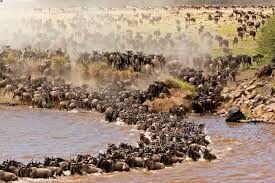
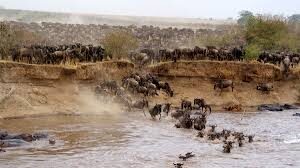
One unusual part of the day was a short walk to a riverbank, accompanied by armed soldiers. The group spent about 15 minutes there viewing animals described as fierce. This adds a different perspective from watching wildlife through a vehicle window, but the details of the animals and the exact procedure are not specified. Follow the guide’s instructions closely and do not treat the walk as an independent excursion.
Later, the safari vehicle became stuck while crossing a river. The driver and a staff member worked on the problem, and three other vehicles eventually helped get the group out. The vehicle then ran poorly, moving at around 10 kilometers per hour and stalling at times, before another car was called to replace it. The slow pace did allow more searching for animals, but the group lost time and ended the drive without further sightings.
This is the clearest reason to keep your expectations flexible. A vehicle can be part of the adventure, but a breakdown is not a benefit if it cuts into game-viewing time or leaves you waiting. You cannot control road and vehicle conditions, but you can ask what support is available if a vehicle fails and how the operator handles lost safari time.
Day three: Maasai village and the return to Nairobi
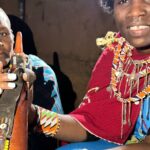
The final morning included breakfast and a visit to a Maasai village before the drive back to the original meeting point in Nairobi. The village stop can add a cultural element to a wildlife-focused trip, but it is important to understand the format. The visit described included a welcome song, photographs, a tour of homes, a fire-starting demonstration, and an opportunity to buy goods.
There was an entrance charge, and the group had not all expected to pay it. The price was negotiated down, but do not count on that happening every time. Confirm whether village entry is included, how much it costs, and whether participation is optional. If you are interested in buying crafts, set a budget beforehand. The sales pitch can be enthusiastic, and it is easier to make a comfortable decision when you have already decided what you want to spend.
The village visit may suit you if you are curious about a brief, organized introduction and are comfortable with a commercial element. If you prefer a longer, less transactional cultural exchange, this stop may feel limited. It is not a substitute for broader knowledge of Maasai life, and you should approach it with respect rather than treating it as a photo backdrop.
After the visit, the vehicle drove directly back to Nairobi, stopping at a gas station along the way. No lunch was provided on the return day in the described trip, so plan for that possibility and ask whether food stops or meals are included. A long drive back is easier when you have water and a snack to hand.
What the $402.55 starting price may mean for your budget
A starting price of $402.55 can look attractive for a multi-day trip that includes transport from Nairobi, a camp stay, meals, and multiple visits to the Maasai Mara. Yet the price alone does not tell you the full cost. Entrance payments were made at the reserve, and the Maasai village also charged an entry fee on the trip described. Confirm in writing which park fees, meals, accommodation, and village costs are included in your package.
The value is strongest if you want several wildlife drives without arranging transport and camp logistics yourself. Having a guide who actively searches for animals is also a meaningful part of the cost. Kevin’s efforts to locate wildlife and position the vehicle were a major plus, especially on the longer second day.
The value is less certain if you have little room in your budget for added charges, expect a luxury camp, or need a tightly timed schedule. The first park drive is short, the final day includes a paid village stop, and a vehicle problem can change the day’s plans. Before booking, ask for a clear price breakdown and bring extra funds for charges that are not included.

Who is likely to enjoy this safari
I would consider this trip if you want a relatively short, organized route from Nairobi to the Maasai Mara and are willing to accept the unpredictable parts of a road safari. The two park visits provide different kinds of outings: a short first look near the entrance, then a longer search deeper inside the reserve.
It is particularly suited to someone who values animal sightings and can take a rough patch in stride. The second day’s lions, elephants, and giraffes, plus the first-day cheetah, show the kind of variety you may encounter, while the stuck vehicle shows why you should not plan the safari around a fixed list of sightings or an exact finish time.
You may want another option if you need detailed certainty about accommodation, vehicle standards, meal ingredients, or fees before departure. The information available here does not specify the maximum group size, camp facilities, exact park charges, or precise inclusions. Get those answers directly from the operator before paying, especially if comfort or dietary needs are central to your plans.
Should you book it?
Book this safari if you want two opportunities to explore the Maasai Mara, appreciate a guide who works hard to find animals, and can budget for possible extra fees. The strongest reasons to go are the longer second-day game drive and the chance to see wildlife with a guide such as Kevin.
Think twice if you need a smooth, tightly managed schedule or dislike surprise costs. Before booking, confirm park entry, village entry, meals, camp details, group size, and the plan for vehicle trouble. If those answers fit your needs, this can be a good-value way to reach the reserve from Nairobi. If they remain unclear, compare it with another safari that spells out its inclusions and transport arrangements.
Nairobi Masai Mara Multi-Day Small Group Safari
“Itinerary: Day 1: Meet-up – East African Rift Valley – Camp – Maasai Mara – Camp. Day 2: Breakfast – Maasai Mara – Camp. Day 3: Breakfast – Maasai…”
FAQ
How long is the safari?
It is a three-day, multi-day safari from Nairobi to the Maasai Mara and back to the original meeting point.
Where does the safari go?
It travels from Nairobi to the Maasai Mara National Reserve in Kenya, with a stop at the East African Rift Valley and a Maasai village visit.
How many times does the group enter the Maasai Mara?
The described trip entered the reserve on the first day for a short evening drive and returned on the second day for a longer game drive.
What animals might I see?
Animals seen on the described trip included herbivores, a cheetah, lions, giraffes, and elephants. Sightings are not guaranteed.
Is the tour offered as a small-group safari?
Yes. It is described as a small-group safari, but the exact maximum group size is not provided.
What is the starting price?
The listed starting price is $402.55. The exact total depends on what is included and any additional charges.
Is the Maasai village visit part of the three-day trip?
Yes, the described final day included a Maasai village visit before the drive back to Nairobi.
Is the village entrance fee included?
That is not specified. An entrance fee was charged during the described visit, so confirm with the operator whether it is included in your price.
Can I cancel for a full refund?
Yes, cancellation at least 24 hours before the activity date, using the destination’s local time, qualifies for a full refund.