Angkor Wat at first light is the draw: the temple’s towers emerge against the brightening sky, and you have a guide to explain the Khmer empire’s story before the day’s crowds and heat build. This two-day route pairs that early start with a sunset visit to Phnom Bakheng, plus a long list of temples in between.
I like two things in particular: the guide-led visits make the carvings and temple layouts easier to understand, and hotel pickup with air-conditioned transport saves you the work of joining far-flung sites on your own. One caution: day one starts around 4 a.m. and packs in several temples, so it is a full day on your feet.
- The useful facts at a glance
- A sunrise that earns its early alarm
- Day one: Angkor Wat, Ta Prohm and Bayon
- Day two: the quieter circuit and a hilltop finish
- What the guide and transport add
- Is the price good value?
- Getting ready for two long temple days
- Should you book this Angkor tour?
- FAQ
- What time does the tour pick me up on day one?
- What time does day two start?
- Is the Angkor admission ticket included?
- Are meals included?
- What temples are included on day one?
- What temples are included on day two?
- Is the tour guided in English?
- Is hotel transport provided?
- What should I bring?
- Can I cancel and get a refund?
- The Best Of Siem Reap!
- More Evening Experiences in Siem Reap
- More Tours in Siem Reap
- More Tour Reviews in Siem Reap
- Not for you? Here's more nearby things to do in Siem Reap we have reviewed
The useful facts at a glance
 1 / 8
 2 / 8
 3 / 8
 4 / 8
 5 / 8
 6 / 8
 7 / 8
 8 / 8
- Angkor Wat at sunrise: Pickup is scheduled between 4:00 and 4:25 a.m. on day one, with the temple visit starting around 5:30.
- Two different temple circuits: Day one includes Angkor Wat, Ta Prohm, Ta Keo, Bayon and the South Gate of Angkor Thom. Day two visits six more sites.
- Sunset at Phnom Bakheng: The second day ends at the hilltop temple, with the sunset stop scheduled for about 5:30 p.m.
- English-speaking guides: Guides such as Sok, Vone, Sam, Pip, John and Pheap have led tours, but the assigned guide can vary.
- Admission and meals cost extra: The Angkor ticket is not included, and breakfast and lunch are self-paid.
- From about $39.15 for the join-in option: A private tour is also offered, at a much higher listed starting price of $288.49. Prices can change.
👉 See our pick of the 25 Best Guided Tours In Siem Reap
A sunrise that earns its early alarm
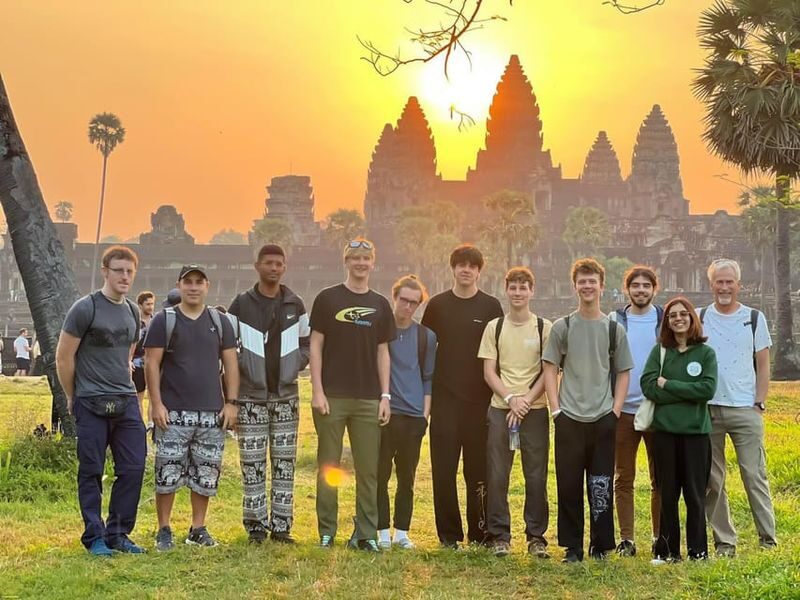
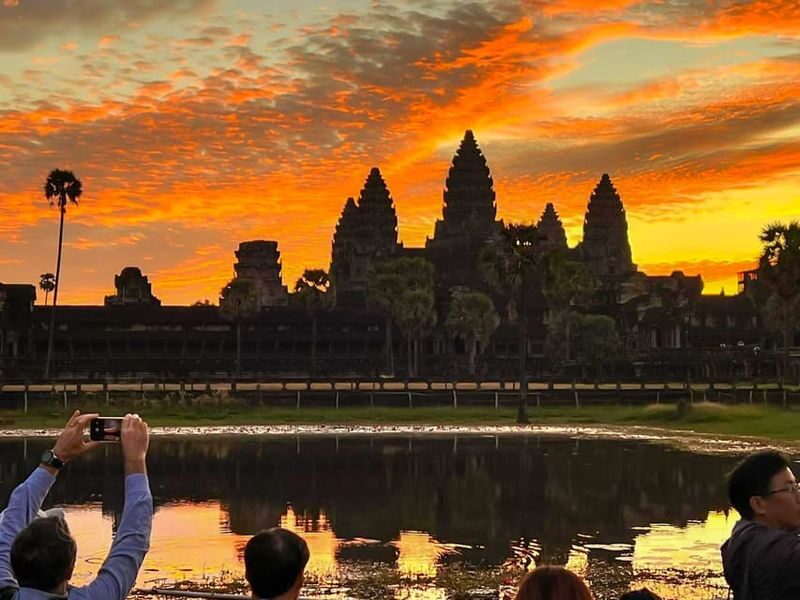
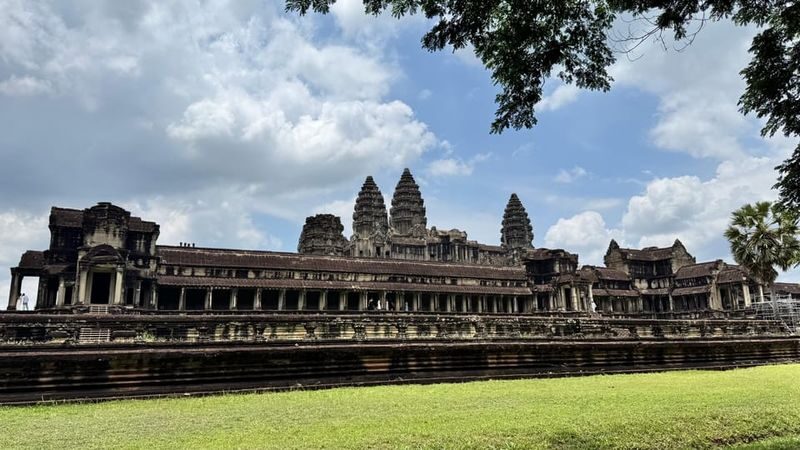
The day begins before dawn. Your guide and driver collect you from your hotel lobby, usually between 4:00 and 4:25 a.m., then take you by minivan toward Angkor Wat. The temple visit is scheduled for around 5:30, when you can watch the sky lighten around its distinctive towers.
The sunrise is the emotional centre of the first morning, but it is not a guaranteed show. Rain can hide the colors, as it can at any outdoor viewpoint. Go for the experience of being at Angkor Wat before the day gets hot, and treat a clear sunrise as a bonus rather than a promise.
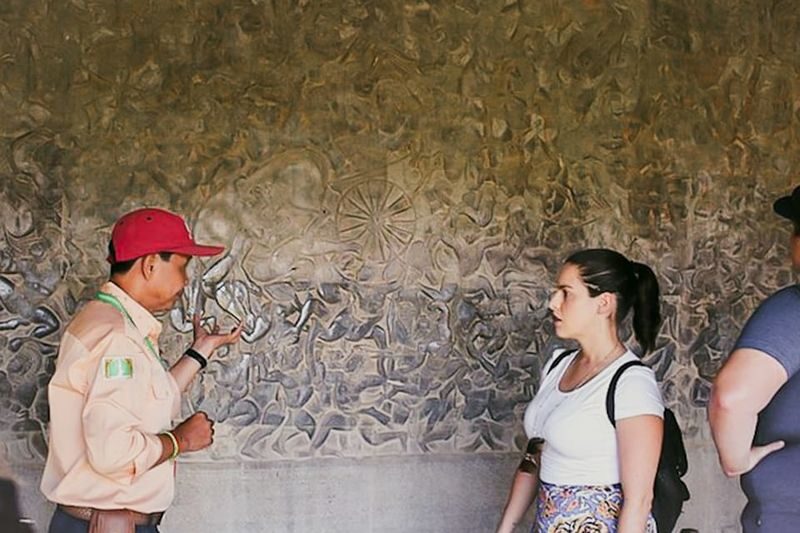
Your guide does more than lead the way. Guides including Sok, Vone and Sam have been praised for clear explanations, lively storytelling and help with photos. Some guides also point out details such as the meaning of Apsara hand gestures. You should not count on a particular guide being assigned, but the repeated praise for engaging explanations is a good reason to take the guided option seriously.
The Angkor ticket is not included, so budget for admission separately. The tour includes ticketing service fees, but that does not mean the entrance ticket itself is covered. Check the current ticket requirements before you go, and keep the ticket cost in mind when comparing the tour’s low advertised price with a self-guided visit.
You can also read our reviews of more evening experiences in Siem Reap


Day one: Angkor Wat, Ta Prohm and Bayon
After the sunrise visit, the group travels by bus for about 30 minutes to breakfast. The one-hour stop is self-paid, so bring money for your meal. The break is useful after the early start, though it does not turn the morning into a leisurely one: several major temple visits still lie ahead.
Ta Prohm is next, about a kilometre east of Angkor Thom. Its ruined walls and stonework give the visit a different feel from Angkor Wat’s grand, ordered form. A guide helps you see the temple as more than a photogenic jumble of masonry, while time to walk through it lets you notice the carvings and the way the structure has weathered.
Then comes Ta Keo, a temple-mountain built largely from sandstone and associated with an early move toward all-sandstone construction. The site’s steep, tiered form is part of its appeal, but it also means the day involves climbing as well as walking. If steps or uneven surfaces are difficult for you, ask the operator about access before booking; the tour information does not promise a particular accessibility level.
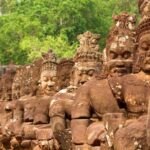
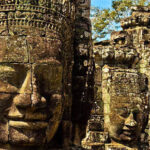
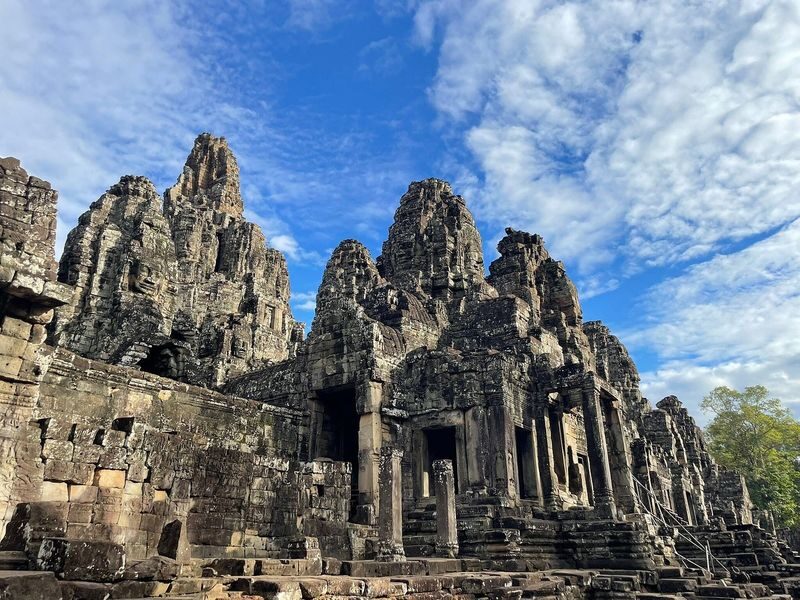
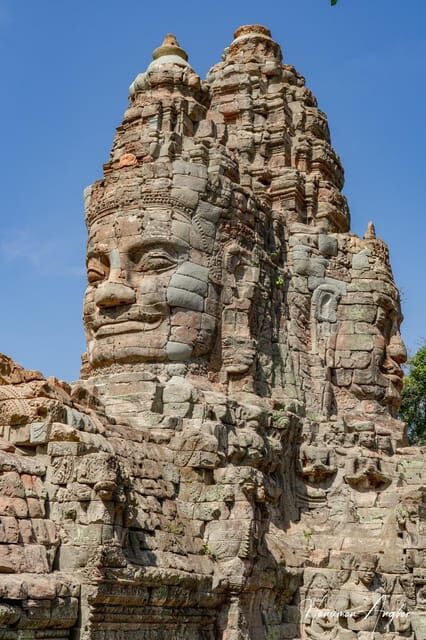
Around 11:30, the itinerary reaches Bayon, in the centre of Angkor Thom. Built under King Jayavarman VII in the late 12th or early 13th century, it is known for its carved faces and dense architectural detail. This is a good place to slow down and let the guide explain what you are looking at. The site can be visually busy, and a little context helps you focus on the stonework rather than simply moving from one photo spot to the next.
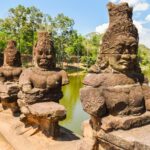
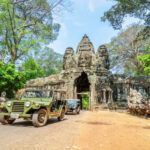
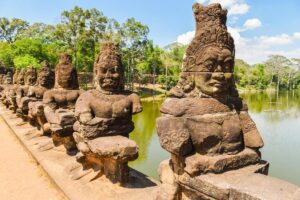
The final listed stop is Tonle Om Gate, the South Gate of Angkor Thom, one of the city’s five ancient gates. It is scheduled for about 12:30, followed by hotel drop-off around 1:30 p.m. That makes the first day intense but not an all-day outing. Still, the early alarm, the number of sites and the heat can add up; one visitor described the day as tiring, especially after rain.
Day two: the quieter circuit and a hilltop finish
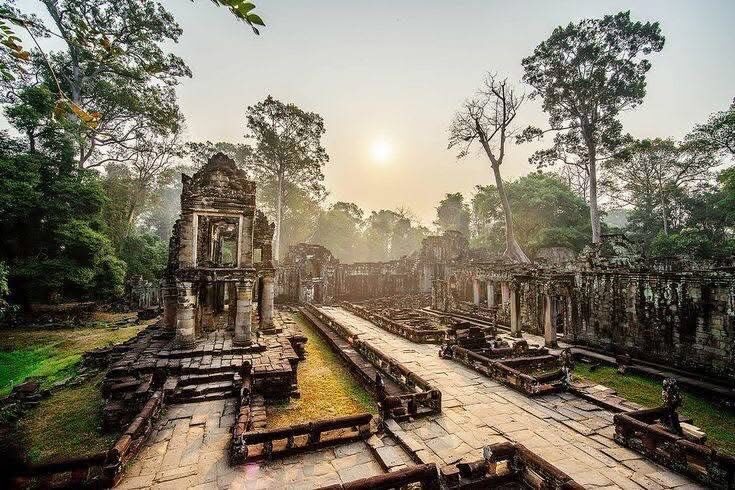
Day two starts later, with hotel pickup between 10:00 and 10:30 a.m. The listed route then travels for about an hour and a half to Preah Khan. Built in the 12th century for Jayavarman VII in honor of his father, the temple is also known as the Royal Sword. Its long, complex layout makes a guide especially useful: there is more to notice than the main entrance and the first striking doorway.
Neak Pean follows, a temple on a circular island in an artificial reservoir. Its setting is a contrast to the enclosed temple structures visited earlier. The stop is relatively brief in the schedule, so you may need to choose what to focus on rather than expect a long wander.
Ta Som is a smaller temple built near the end of the 12th century. Smaller sites can be rewarding after the better-known monuments because you can take in their details without trying to absorb an enormous complex all at once. The tour then moves to East Mebon, a 10th-century temple that once stood on an artificial island. It dates to the reign of King Rajendravarman, offering a glimpse of an earlier chapter in Angkor’s building history.
A one-hour lunch break is scheduled for about 3:30 p.m. and is self-paid. The timing is late for lunch, so it may help to have a snack or some food earlier in the day. The schedule can shift with traffic and weather, and the long route between sites means you should not plan a tight dinner reservation back in Siem Reap.
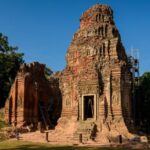
Pre Rup, built as a state temple for King Rajendravarman, is the next stop. Its name is often associated with a ritual involving ashes, though the tour details do not specify an interpretation. The practical point is that this is another temple-mountain, so expect more steps and uneven surfaces before the final viewpoint.
At about 5:30 p.m., the group reaches Phnom Bakheng Hill for sunset. It is a fitting finish after two days of monuments: you get a high view over the temple region as the light fades. The tour is scheduled to return around 6:30 p.m., with hotel or personal-address drop-off listed between 6:30 and 7:00. As with sunrise, sunset depends on the weather, and the viewpoint is not the only reason to make the trip. You will also have seen a broad range of sites across two circuits.
What the guide and transport add
Angkor’s temples are spread across a wide area, and fitting many of them into two days requires practical coordination. Hotel pickup, a driver and air-conditioned transport take the burden of moving between sites off your hands. That matters most on day one, when the 4 a.m. start leaves little room for transport confusion.
The tour includes an English-speaking guide, refreshments, round-trip hotel transfers, ticketing service fees and operator insurance. Cold water is provided, and cold towels have also been part of some trips. In Cambodia’s heat, regular water breaks are more than a pleasant extra. Bring your own bottle too, especially if you like to drink often.
Guides named in tour experiences include Sok, Vone, Sam, Pip, John, Pheap, Heang and Sary. Their strengths described across the tour include historical explanations, patience, humor and help taking photos. Some have taken group or solo-visitor photos and suggested good angles. The exact guide can vary, and the tour may use different guides on the two days, so do not book on the assumption that one named person will lead both.
Group sizes can vary. The join-in format may mean meeting a small group, but it does not guarantee a particular number of people. If you want more control over timing and a private experience, a private package is available, though its listed starting price is far higher than the join-in option.
Is the price good value?
The join-in option is shown from US$39.15, while the tour’s headline price is listed from $44.99. The private option starts from US$288.49. Treat these as starting prices, not a final trip budget, and confirm the current amount when booking.
The key extra cost is the Angkor admission ticket, which is not included. You will also pay for breakfast and lunch, plus any personal expenses. Even after adding those costs, the tour can be good value if you want transport and a guide to handle the temple sequence. Visiting independently is possible, but organizing a pre-dawn pickup and moving between so many sites takes planning.
The value is strongest if you want to cover the main temples without arranging each transfer yourself. You also get the benefit of a guide who can connect what you see to Khmer history and help you find details you might otherwise walk past. If you prefer long, unhurried visits at just one or two sites, this schedule may feel too packed.
You can also read our reviews of more tours and experiences in Siem Reap




Getting ready for two long temple days
Plan for a very early first morning and a lot of walking. Wear comfortable footwear suitable for uneven ground, and bring sunscreen, sunglasses, a cap or hat, and a raincoat or poncho. A change of clothes is also on the recommended packing list. Weather can affect both comfort and the sunrise and sunset views.
Bring spending money for meals and personal items. Breakfast is scheduled for one hour after the sunrise visit, while lunch on day two is listed for 3:30 p.m. Both are self-paid. Refreshments are included, but you should not assume that every personal food or drink need is covered.
The tour is free for children aged 1 to 3. The voucher is valid only for the date and time specified. Changes are allowed until 24 hours before the activity, subject to stated restrictions, and a full refund is available if you cancel at least 24 hours before the activity date in local time.
Should you book this Angkor tour?
Book it if you want a guided introduction to Angkor’s major temples, value hotel transfers, and are willing to trade a slow pace for broad coverage. The sunrise at Angkor Wat and sunset at Phnom Bakheng give the two days a memorable shape, while the guide helps the carvings, gates and temple layouts make sense.
Think twice if a 4 a.m. start, stairs or a packed first day would take the pleasure out of sightseeing. You will need to pay separately for admission and meals, and weather can spoil either view. For most first-time visitors with two days in Siem Reap, the join-in tour is a practical way to see a wide range of Angkor without managing every transfer alone.
Siem Reap: Angkor Wat 2-Day Tour with Sunrise and Sunset
“This is a very comprehensive tour. Sok provided a great amount of information, particularly in the main Angkor Wat temple.”
FAQ
What time does the tour pick me up on day one?
Pickup is between 4:00 and 4:25 a.m. from your hotel lobby. The operator re-confirms the pickup time in advance.
What time does day two start?
Hotel pickup is scheduled between 10:00 and 10:30 a.m.
Is the Angkor admission ticket included?
No. Admission to Angkor is not included. Ticketing service fees are included, but the entrance ticket itself is an extra cost.
Are meals included?
No. Breakfast on day one and lunch on day two are self-paid. The tour includes refreshments.
What temples are included on day one?
The route includes Angkor Wat, Ta Prohm, Ta Keo, Bayon and Tonle Om Gate, also known as the South Gate of Angkor Thom.
What temples are included on day two?
The scheduled stops are Preah Khan, Neak Pean, Ta Som, East Mebon, Pre Rup and Phnom Bakheng Hill.
Is the tour guided in English?
Yes. An English-speaking guide is included.
Is hotel transport provided?
Yes. Round-trip transfers to and from your hotel are included. The tour uses a minivan or bus for travel between Siem Reap and the temples.
What should I bring?
Bring a change of clothes, sunscreen, sunglasses, a cap or hat, and a raincoat or poncho. You should also bring money for meals and personal expenses.
Can I cancel and get a refund?
A full refund is available if you cancel at least 24 hours before the activity date, using the destination’s local time.