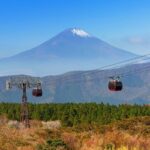
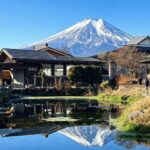
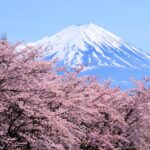
Mount Fuji is the big question mark on this day trip: on a clear day, you may spot it above Lake Ashi, from Yamanakako Shiratori-hama and near the eight ponds at Oshino Hakkai. The route also takes in Hakone Shrine, a ropeway ride and the steaming volcanic valley of Owakudani, so there is more to the day than a single mountain photo.
I like that the ropeway fare and round-trip transport are included, and that the stops give you a good mix of shrine, lake, hot springs and village scenery. I also like having a guide to keep a long day moving and explain the places along the way. The trade-off is pace: this is a packed shared tour, and traffic, queues or poor weather can cut into time at individual stops.
At a glance
- Hakone Shrine’s lakeside torii: See the red gate at Heiwa no Torii, with time and visibility dependent on conditions and queues.
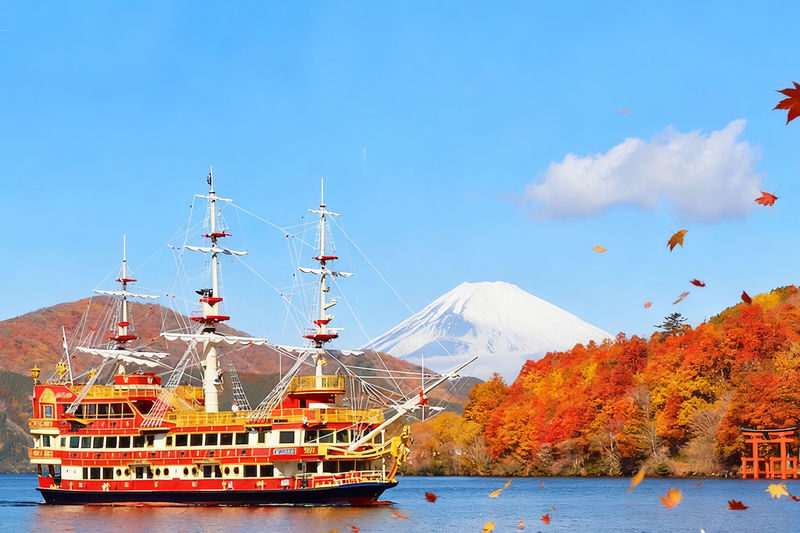
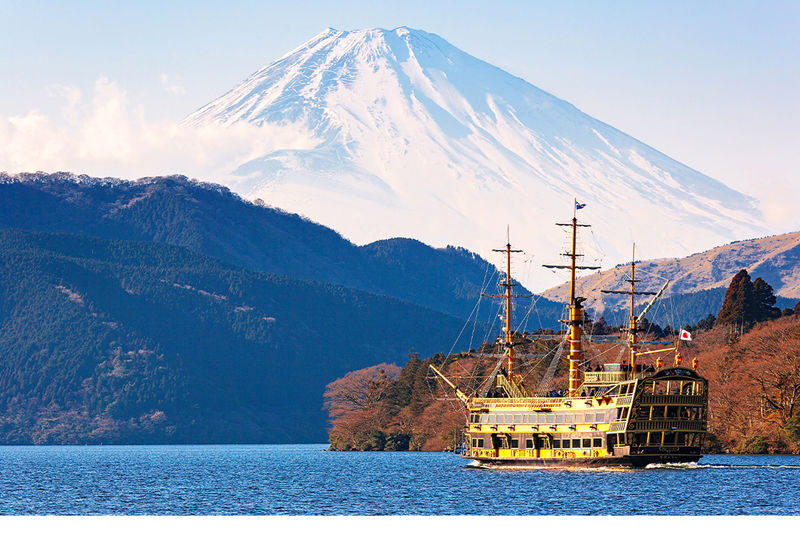
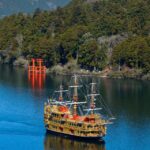
- Lake Ashi cruise is optional: The 30-minute pirate ship ride costs about 1,700 yen extra; you can instead travel by vehicle to the ropeway station.
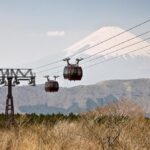
- Ropeway fare is included: Ride above Hakone’s volcanic terrain toward Owakudani, weather and maintenance permitting.
- Owakudani has a local specialty: Black eggs are boiled in volcanic spring water, and you get about 50 minutes in the area.
- Fuji views come in several settings: Look for the mountain at Hakone, Lake Yamanaka and Oshino Hakkai, but remember clouds can hide it.
- Expect a full day: Departures are listed for 7:30 or 8:00, with returns around 18:00 or 18:30, though traffic can push the return later.

👉 See our pick of the 3 Best Spa And Hot Springs Experiences In Hakone
- At a glance
- A full day beyond Tokyo
- Hakone Shrine and the red gate on Lake Ashi
- Lake Ashi: cruise or direct transfer
- Up above Hakone on the ropeway
- Owakudani’s volcanic steam and black eggs
- Lunch in Yamanashi
- Lake Yamanaka and Oshino Hakkai
- Guides, pace and the real value
- Practical details before you book
- Should you book this Hakone and Fuji day trip?
- FAQ
- Is the Lake Ashi pirate ship included?
- Is the Hakone Ropeway fare included?
- Is lunch included in the price?
- Can I be sure I will see Mount Fuji?
- Where do I meet the group in Tokyo?
- What happens if I arrive late?
- The Best Of Hakone!
- More Tours in Hakone
- More Tour Reviews in Hakone
- Not for you? Here's more nearby things to do in Hakone we have reviewed
A full day beyond Tokyo
 1 / 8
 2 / 8
 3 / 8
 4 / 8
 5 / 8
 6 / 8
 7 / 8
 8 / 8
This excursion links Hakone’s best-known sights with two Fuji-area stops, all in one day from Tokyo. That is useful if you have limited time and would rather leave the driving, tolls and route planning to someone else. The day combines a sacred site, a lake, a cable-car ride, volcanic scenery and mountain-water ponds.
The trade-off is that these places are spread out. You spend a good part of the day moving between them, and the schedule has little room for lingering when traffic or queues bite. Think of it as a broad introduction, not a slow visit to every corner of Hakone.
The advertised starting price is from $49.29, with the ropeway fare, fuel, tolls, parking and round-trip transport included. That can be good value for a long day with several stops, especially if you do not want to work out the connections yourself. The pirate ship and meals are separate expenses, so budget for those if you want them.
You can also read our reviews of more tours and experiences in Hakone.


Hakone Shrine and the red gate on Lake Ashi
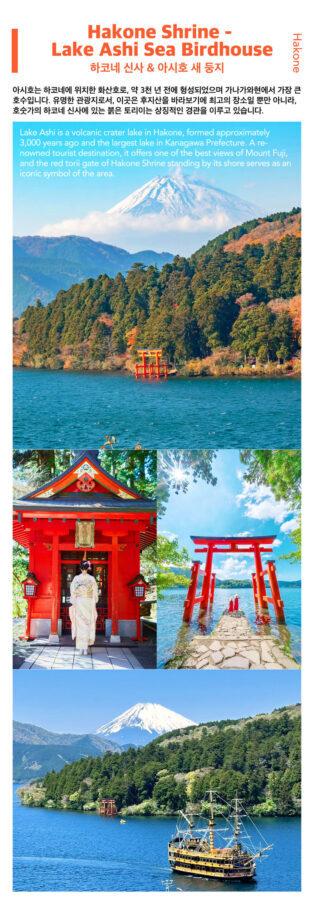
The day begins at Hakone Shrine, a sacred site founded in 757. Its Heiwa no Torii, the red gate standing in Lake Ashi, is the photo many people have in mind when they book. You get a guided visit of about an hour, though crowds and the queue for the lakeside photo spot can affect how much time you have to look around.
The shrine gives the trip a welcome cultural pause before the transport and scenery take over. But do not count on a clear view of Mount Fuji from the gate. The mountain’s visibility changes with the weather, and even a well-planned day cannot promise a sighting.
If photographing the torii matters to you, be ready to follow the guide’s timing closely. A long queue can eat into the stop, as one traveler found during a busy holiday period. That is a practical reason to keep expectations flexible: the gate and shrine are worth seeing, but this is not an unhurried shrine visit.
Lake Ashi: cruise or direct transfer
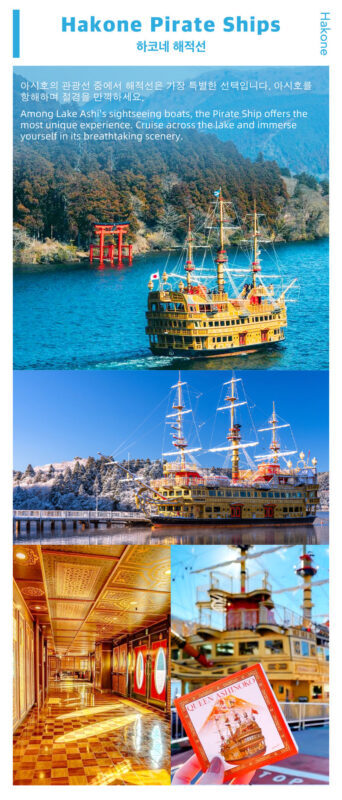
Next comes a choice. The 30-minute Hakone Sightseeing Cruise aboard a pirate ship is optional and costs about 1,700 yen. The fare is not included, and the alternative is to travel by vehicle to Togendai Ropeway Station.
The cruise adds a change of pace and a different view of the lake. It may suit you if you enjoy being out on the water and want the boat ride as part of the day. If you would rather save the extra cost, or avoid another queue, the direct transfer is the practical option.
One useful point: optional does not always mean the group can pause while you decide at length. This is a shared tour with several stops to reach, so check the plan with your guide and make your choice promptly. Bring cash for the cruise, since some attractions may not take cards.
Up above Hakone on the ropeway
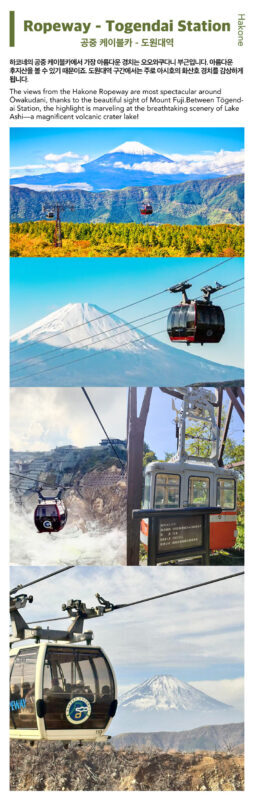
The Hakone Ropeway fare is included, and the ride takes about 30 minutes. From above, you get broad views across Lake Ashi and Hakone’s volcanic terrain. On a clear day, Mount Fuji may appear too, making this one of the most rewarding stretches for scenery.
The ropeway also gives you a sense of Hakone’s volcanic character before you reach Owakudani. It is not just a ride between stops; it is a chance to see the area from a new angle without adding a separate activity fee.
Weather and maintenance can change the plan. If the ropeway closes, the tour information says to contact the operator about a 1,000-yen-per-person ticket refund. A temporary service notice also states that from January 31 to February 20, the Owakudani-to-Togendai section is suspended, with service adjusted to run from Sounzan to Owakudani. Check the current operating status for your travel date.
Owakudani’s volcanic steam and black eggs
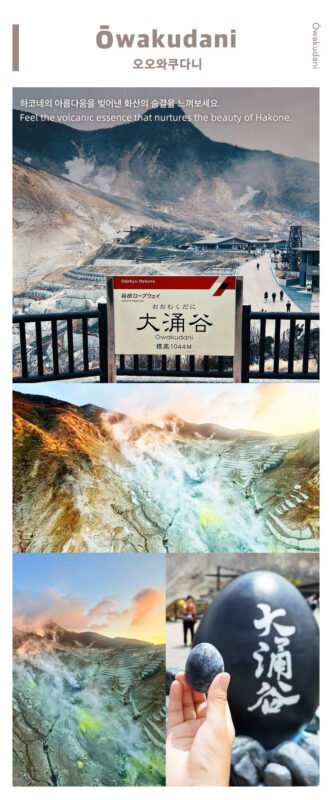
Owakudani is a geothermal valley formed after a major eruption of Mount Hakone about 4,000 years ago. You have roughly 50 minutes here to see the volcanic terrain and, if you like, try the local specialty: black eggs boiled in volcanic spring water.
This stop is a strong contrast with the shrine and lake. You are seeing an active volcanic area rather than a polished viewpoint, and the eggs make an easy snack with a local connection. The visit is guided, but the time is limited, so you may need to choose between looking around, buying food and taking photos.
Conditions can affect the experience, and delays at the ropeway can compress the schedule. One past holiday visit ran much longer than planned because of waiting, leaving less certainty about later stops. If you have a particular Owakudani activity in mind, ask the guide how much time is available once you arrive.

Lunch in Yamanashi
Lunch is scheduled for about 50 minutes at a popular Japanese restaurant in Yamanashi Prefecture. The meal is not included, and the restaurant has seats that may offer Mount Fuji views on clear days. That makes this a useful pause between the Hakone stops and the afternoon’s Fuji-area sights.
Plan to pay for your own food and drink, and carry cash. The available information does not specify a fixed menu or meal price. One visitor recommended trying eel and found the beef dish less flavorful, but your choices may vary.
The stop can feel structured because the group is working around a full-day schedule. If choosing your own meal is important to you, ask what options are available before you commit to the tour. The break is convenient, but it is not the same as setting off to find a restaurant at your own pace.
Lake Yamanaka and Oshino Hakkai
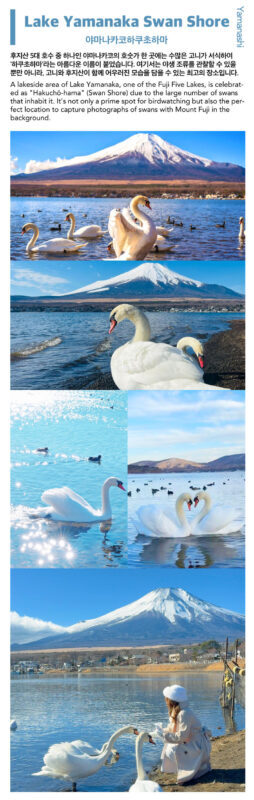
At Yamanakako Shiratori-hama, you get about 20 minutes beside Lake Yamanaka. The draw is the chance to see swans and, when conditions cooperate, Mount Fuji reflected on the water. It is a short photo stop, so treat it as a scenic pause rather than a lakeside walk.
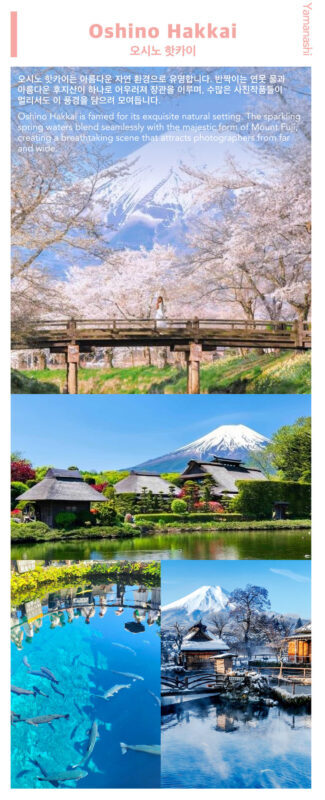
Oshino Hakkai is the final major stop, with around 40 minutes to explore its eight clear ponds. The ponds are fed by snowmelt from Mount Fuji, and the village setting gives this part of the day a different feel from Hakone’s ropeway and volcanic valley. The water is the main attraction: take a moment to look closely rather than rushing from one photo point to the next.
Oshino Hakkai is one of the places I would most want a little extra time. A few travelers felt the stop was too brief, and that is easy to understand when you have several ponds and views to take in. Still, the stop adds a quieter, water-focused finish to a day otherwise shaped by transport and major sights.
Guides, pace and the real value
The guide’s role matters on a route with multiple transfers and a tight schedule. Available packages include English, Korean and Chinese guides. Names that have appeared on recent departures include Tom, Jack, Kousei, Rachel, Yuan Yang and Wonyang, but you should not expect a particular guide unless the operator confirms it.
Guides have been praised for clear explanations, keeping the group together and giving useful directions at each stop. Tom, for example, was described as fluent and good at making sure nobody got lost; Kousei was praised for keeping a rainy day enjoyable. These details point to what you gain from a guided trip: less navigation stress and more context as you move between places.
The route is ambitious, and the same ambition creates the main risk. Traffic, holidays, weather and queues can rearrange the day or shorten visits. The operator may adjust the order, duration or even cancel stops according to conditions. Do not plan a fixed evening activity in Tokyo after the return, since the stated arrival times are estimates and traffic can add hours.
Practical details before you book
There are two listed departure options: 7:30 at the BEAMS sign by the Shin-Marunouchi Building near Tokyo Station, or 8:00 at Tokyo Mode Gakuen in Shinjuku. Return options are listed for the Shin-Marunouchi Building around 18:00 or SMBC Bank Shinjuku Nishiguchi around 18:30. Confirm your exact meeting and return point in the email sent the evening before, and check your spam folder too.
Arrive at least 15 minutes early. Late arrivals and no-shows are not refunded, and the group does not wait for latecomers. Bring cash for the optional cruise, lunch and personal purchases. One standard-sized piece of luggage is allowed.
The tour has no age limit. Children aged zero to three may travel free if they do not need their own seat; children aged three and older pay the adult rate. The activity offers free cancellation with at least 24 hours’ notice, but read the booking terms carefully, especially the rules for weather-related changes and refunds after any part of the tour has been used.
Should you book this Hakone and Fuji day trip?
Book it if you want to see several major sights in one day without arranging transport yourself, and you are comfortable with a brisk schedule. The included ropeway, round-trip transport and guide make the starting price appealing, while the shrine, volcanic valley and Oshino ponds give the day variety.
Think twice if you want long, flexible visits, dislike group schedules or need a guaranteed Mount Fuji view. The cruise and lunch add to the cost, and traffic can turn a full day into a very long one. For a first visit from Tokyo, though, this is a practical way to sample Hakone and the Fuji region in one ambitious outing.
Mt. Fuji, Hakone Ropeway, Lake Ashi, Owakudani day tour
“We had a great day trip with our tour guide, Jack! He was friendly, engaging, and explained everything clearly and in detail. His English was very…”
FAQ
Is the Lake Ashi pirate ship included?
No. The cruise is optional and costs about 1,700 yen. You can instead travel by vehicle to the Togendai Ropeway Station.
Is the Hakone Ropeway fare included?
Yes. The ropeway fare is included. If weather or maintenance closes the ropeway, the tour information says to contact the operator about a 1,000-yen-per-person ticket refund.
Is lunch included in the price?
No. Meals and drinks are not included. The tour stops for about 50 minutes at a Japanese restaurant in Yamanashi Prefecture.
Can I be sure I will see Mount Fuji?
No. Visibility depends on the weather, and the tour cannot guarantee a view. Check the forecast before you go, but be prepared for clouds.
Where do I meet the group in Tokyo?
The listed meeting points are the BEAMS sign at the Shin-Marunouchi Building near Tokyo Station at 7:30, or Tokyo Mode Gakuen in Shinjuku at 8:00. Confirm your assigned details in the email sent the evening before.
What happens if I arrive late?
Late arrivals and no-shows are not refunded. Arrive at least 15 minutes before departure; the group does not wait for latecomers.