About 500 cars fill the Motorcar Museum of Japan, with Japanese makes at the heart of the collection and plenty of foreign models alongside them. You can see familiar classics, commercial vehicles, and obscure designs that make you pause and ask what that car was meant to do.
I like two things in particular: the sheer range of vehicles, and the way the collection gives you a look at cars as they were used in the 20th century. The displays are arranged by brand and vehicle type, so you can compare different makers and styles rather than just glance at a line of shiny bodywork.
One practical drawback is the museum’s location. If you do not have a car, you may need to take a taxi or face a long walk, and only a small minority of the car information cards are in English. If those limits suit your plans, this is a rewarding stop for anyone with an interest in cars.
- At a glance
- Three floors, starting at the top
- Japanese cars, familiar and strange
- Foreign makes add useful contrast
- How much time to allow
- Getting to the museum in Komatsu
- Is the ticket good value?
- Who should make the trip
- Should you book the Motorcar Museum of Japan?
- FAQ
- Where is the Motorcar Museum of Japan?
- What are the museum’s opening hours?
- How many cars are on display?
- Is there an age limit?
- What does the admission ticket include?
- How long is the voucher valid?
- Can I get a refund if I cancel?
- More Tours in Komatsu
- More Tour Reviews in Komatsu
- Not for you? Here's more nearby things to do in Komatsu we have reviewed
At a glance
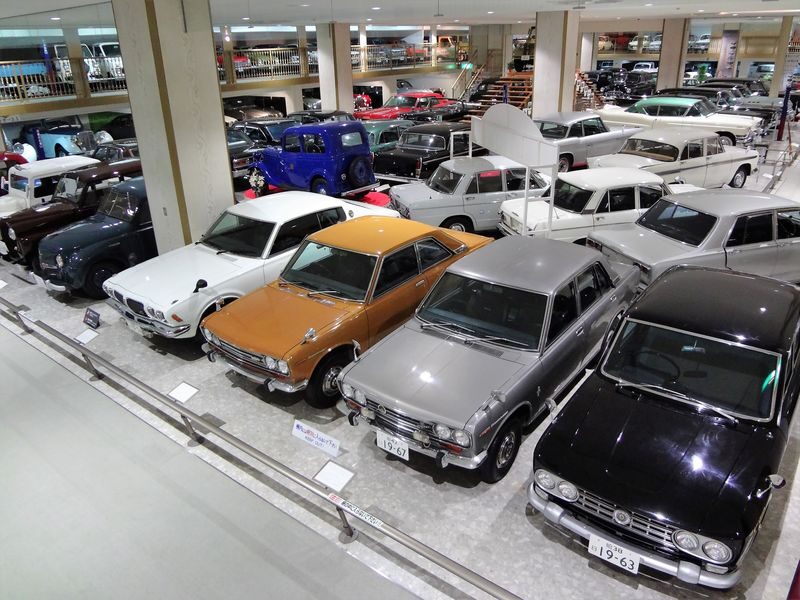
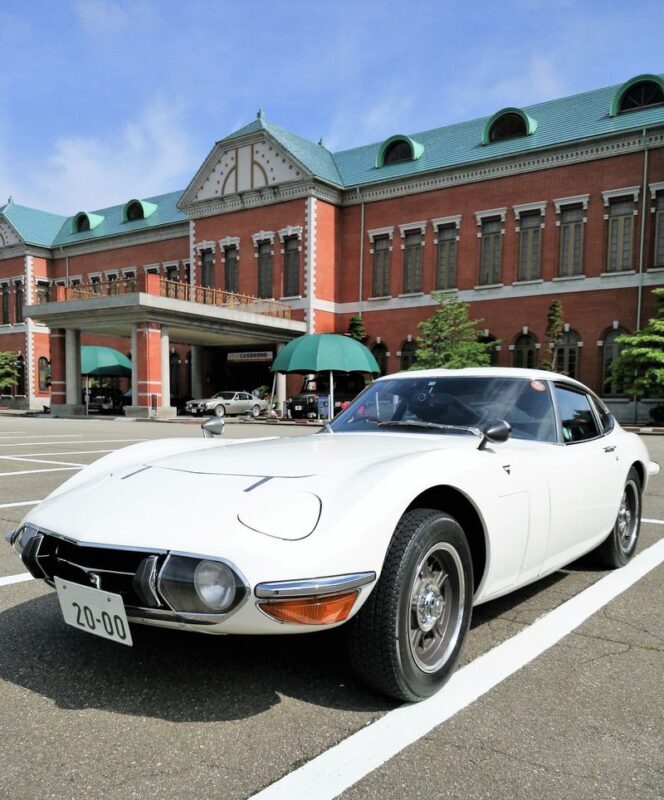
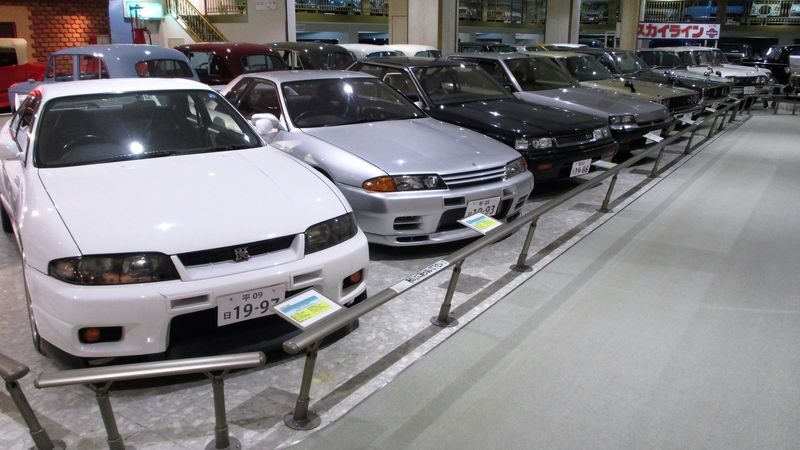
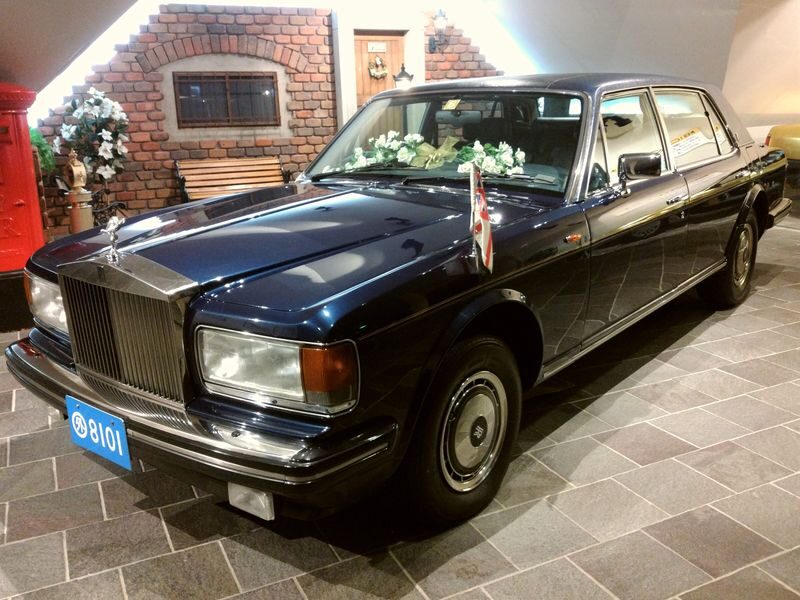
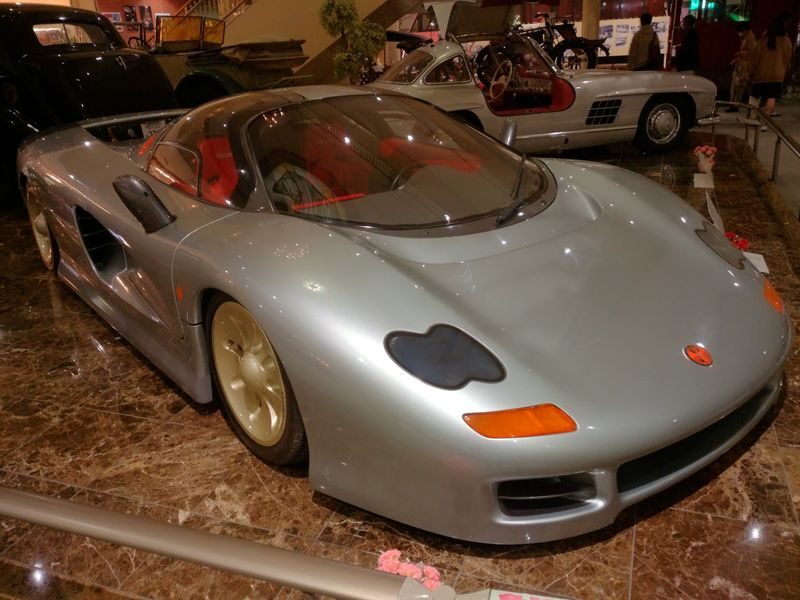
- About 500 vehicles: The collection includes cars known in Japan and abroad, plus valuable models presented as exclusive to the museum.
- Three floors of exhibits: Start at the top and work your way down. Escalators connect the floors.
- Japanese cars take the lead: The museum offers a close look at the variety of Japanese vehicles produced from the 1950s onward, with European and other foreign models in the mix.
- Some unusual finds: Expect more than well-known classics. The collection includes obscure and unusual Japanese cars, as well as antique commercial vehicles.
- Plan around access: The museum is in Komatsu, and reaching it without a car can mean a taxi or a long walk.
- Check the calendar: It is open daily from 9 a.m. to 5 p.m., with last admission at 4:30 p.m. It is closed on Wednesdays.
Three floors, starting at the top
The museum is housed in an elegant building, and the route is straightforward: take the escalators up, then begin your visit on the top floor. From there, work your way down through the collection. That simple arrangement helps you keep your bearings, even with so many vehicles in view.
The museum displays cars by brand and vehicle type. This gives you a useful way to make comparisons: how different makers approached similar vehicles, or how a company’s style changed over time. The collection also includes commercial vehicles and general-use automobiles, so it is not limited to glamorous sports cars and luxury models.
You may find the layout crowded. The building holds a lot of cars, and in places they are packed close together. That makes the range impressive, but it can also make it harder to take in a single vehicle or understand how the different displays connect. If you prefer a spare gallery where each car has a generous patch of floor around it, this is not quite that kind of museum.
For me, the density is part of the trade-off. You get an unusually broad collection in one visit, but some displays can feel busy. Take your time around the cars that catch your eye, and do not expect every section to read as one neat timeline.
You can also read our reviews of more tours and experiences in Komatsu.


Japanese cars, familiar and strange
The strongest reason to visit is the opportunity to see how varied Japanese cars have been. The collection reaches back to vehicles made from the 1950s onward, and includes everyday automobiles as well as models that are harder to encounter elsewhere. It is a good place to look beyond the few best-known names and notice the less familiar shapes and ideas.
That variety matters even if you are not an expert. A line of cars can show how tastes, uses, and designs changed over time in a more direct way than a page of dates can. Look closely at the body shapes and types of vehicle on display. Some will look familiar; others may strike you as odd, charming, or simply hard to categorize.
The collection also includes antique commercial vehicles. These bring a different perspective from private cars: they show the working side of motoring, not just the vehicles people drove for personal use. The museum’s broad mix makes it worthwhile for visitors who like vehicles in general, not only sports cars or one particular make.
Foreign makes add useful contrast
Japanese cars dominate the story, but the museum also displays many vehicles from other countries, including European models. That contrast is useful. You can see Japanese cars in context rather than treating the collection as a set of isolated national icons.
The range is part of the appeal. A car enthusiast may come for Japanese models and find plenty to keep them occupied, while the foreign cars offer familiar points of comparison. You do not need to know every manufacturer to enjoy spotting differences in shape and purpose.
The cars are generally presented in good condition, and the collection’s visual appeal is a big part of the visit. Still, do not expect the museum to explain every vehicle in English. Only a small minority of the information cards are in English, which can make it difficult to learn the exact story behind a model if you rely on written interpretation.
A practical approach is to treat the cars themselves as the main event. You can enjoy the variety and appearance without reading every card, but if you want detailed histories, the language gap may be frustrating. The museum is strongest as a place to look, compare, and notice; it may be less satisfying if you want a full explanation of every exhibit.
How much time to allow
There is no fixed visit duration included with admission. One visitor spent about an hour enjoying the cars, which gives you a useful starting point, but your pace will depend on how much you like stopping to study individual models. With around 500 vehicles over three floors, enthusiasts can easily find reasons to linger.
If cars are a side interest rather than your main hobby, an hour may be enough to see the collection at a comfortable pace. If you want to compare makes, inspect unusual models, or read the information cards you can access, leave yourself more time. The museum’s crowded arrangement also means you may want to pause and look again when a section clears.
The last admission is at 4:30 p.m., half an hour before closing. I would avoid arriving close to that cutoff if you want to see all three floors without hurrying. The museum is open from 9 a.m. to 5 p.m. every day except Wednesday, so check the day before building it into a tight schedule.
Getting to the museum in Komatsu
The address is 40 Futatsunashimachi, Komatsu, Ishikawa Prefecture, postal code 923-0345. The museum is about 30 minutes south of Kanazawa by car, and it is not far from the express highway, making it a practical stop if you are already driving in the area.
Without a car, plan the journey before you set out. A taxi is one option; walking can mean a long trek. The location is the main logistical drawback, so do not assume you can simply fit the museum into a day in Komatsu or Kanazawa without considering how you will get there and back.
This location makes the museum easier to pair with a driving itinerary than with a day built around public transport. If you have a car, the stop is more straightforward. If not, compare the time and cost of a taxi with the rest of your plans before booking.
Is the ticket good value?
Admission starts at $7.59. For that price, you get access to a collection of about 500 vehicles, including Japanese and foreign makes, commercial vehicles, and models described as exclusive to the museum. If you care about cars, the scale and variety make the ticket good value.
The value is less clear if you are not especially interested in vehicles. The museum is focused on cars, and its appeal depends on how much pleasure you get from looking at different models and comparing their design. It is not a general history museum with a wide range of unrelated exhibits.
Your ticket covers admission to the attraction. The voucher is valid for 30 days from the booking confirmation date and expires at 11:59 p.m. on its final day. Cancellations can receive a full refund before the voucher is redeemed, provided the cancellation is made within the voucher’s validity period; contact Klook customer service for refund requests.
Who should make the trip
I would put this museum high on the list for car fans, especially anyone curious about Japanese models beyond the familiar, widely exported names. The collection’s range, unusual vehicles, and mix of Japanese and foreign makes give you plenty to look at. It is also a good fit for people who enjoy commercial vehicles and everyday cars as much as prized classics.
You do not need to be an expert to enjoy the visit. The variety makes it easy to find a car that catches your eye, even if you cannot name the make or model. But a visitor who wants detailed English explanations for each display may find the information cards limiting.
Families can visit too: the activity has no age limit. Still, keep in mind that the museum’s main attraction is the vehicles themselves, and the displays can be closely packed. It suits curious children who like looking at cars better than those who need a hands-on activity.
Should you book the Motorcar Museum of Japan?
Book it if you like cars, have a way to reach Komatsu’s museum, and want to see a broad collection in one place. The strongest draw is the variety: about 500 vehicles, with Japanese models at the center and foreign cars, commercial vehicles, and unusual examples adding range.
Think twice if you are relying on detailed English descriptions or have little interest in automobiles. And sort out transport before you go. With those points in mind, the museum offers a distinctive, good-value stop for car fans exploring Ishikawa.
Motorcar Museum of Japan (Ishikawa)
“alot of vehicles, alot more than I thought. all well presented and many different manufacturers and types of vehicles. definitely worth a look if y…”
FAQ
Where is the Motorcar Museum of Japan?
It is at 40 Futatsunashimachi, Komatsu, Ishikawa Prefecture, Japan, postal code 923-0345.
What are the museum’s opening hours?
It is open Monday through Sunday from 9 a.m. to 5 p.m. Last admission is at 4:30 p.m. The museum is closed on Wednesdays.
How many cars are on display?
The museum has collected about 500 cars known in Japan and abroad. The collection includes Japanese and foreign automobiles, antique commercial vehicles, and models exclusive to the museum.
Is there an age limit?
No. The activity has no age limit.
What does the admission ticket include?
The ticket includes admission to the attraction.
How long is the voucher valid?
The voucher is valid for 30 days from the booking confirmation date and expires at 11:59 p.m. on the final day.
Can I get a refund if I cancel?
A full refund is available for cancellations made before the voucher is redeemed, as long as the cancellation is within the voucher’s validity period. Contact Klook customer service to request a refund.