The appeal here is the contrast: a museum visit about modern Korea followed by a luge ride on Ganghwa. It offers a change of pace that a history-only outing cannot, while giving you a chance to connect the country’s past with a livelier day out.
I like the mix of history and activity, and the account of guide Jin’s fluent Chinese and thoughtful explanations suggests this can be more than a quick museum stop. The main caution is that key details, including the schedule, transport, and ride arrangements, are not specified here.
- Key points at a glance
- A museum visit followed by a luge ride
- What makes the history stop worthwhile
- Ganghwa brings a change of pace
- The guide can shape the whole day
- Is 1.75 good value?
- Booking, cancellation, and the minimum group
- Who should consider this tour
- Should you book it?
- FAQ
- How much does the tour cost?
- Which attractions are included?
- Is a guide named Jin included?
- What is the cancellation policy?
- What happens if there are fewer than four participants?
- Can the tour be cancelled because of weather or another unforeseen event?
- More Historical Tours in Gyeonggi
- More Tours in Gyeonggi
- More Tour Reviews in Gyeonggi
- Not for you? Here's more nearby things to do in Gyeonggi we have reviewed
Key points at a glance

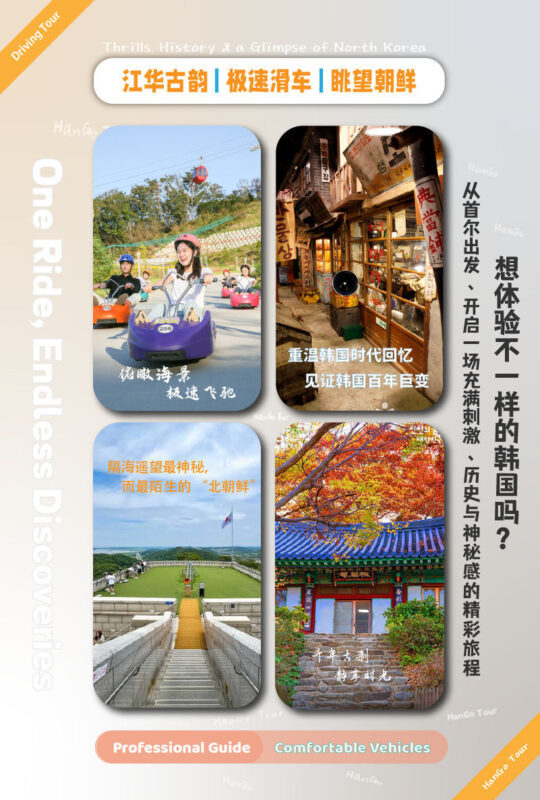
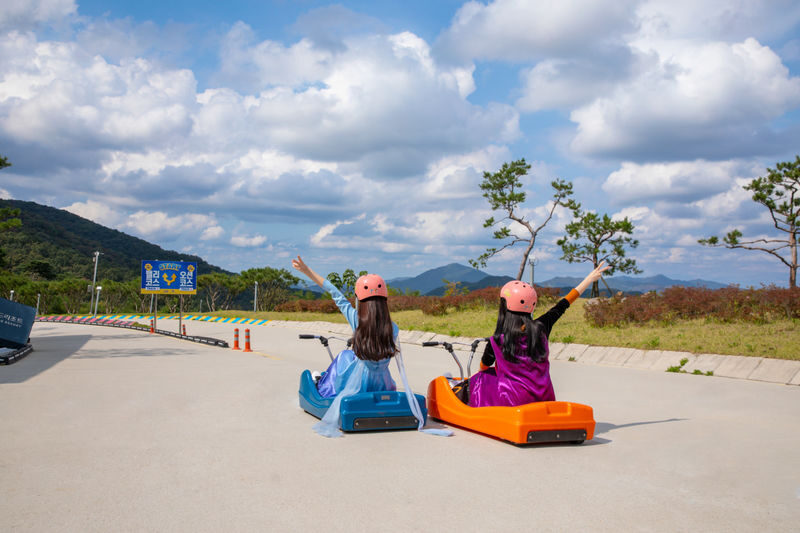
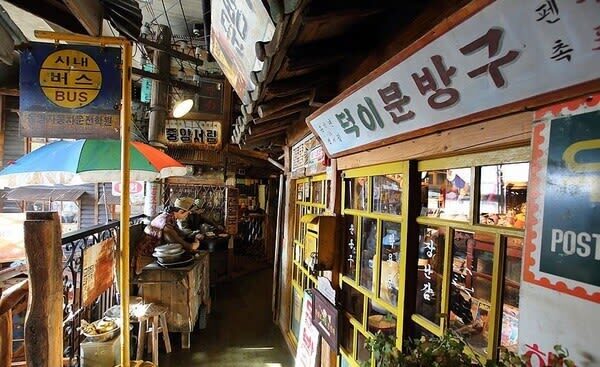
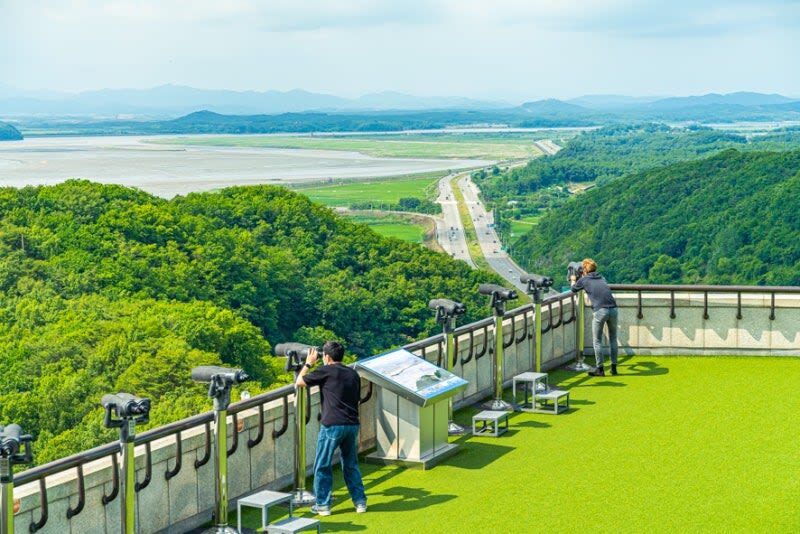
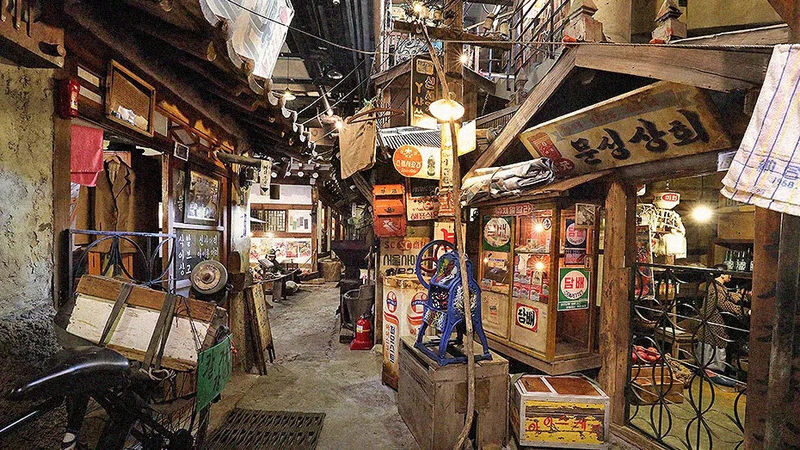
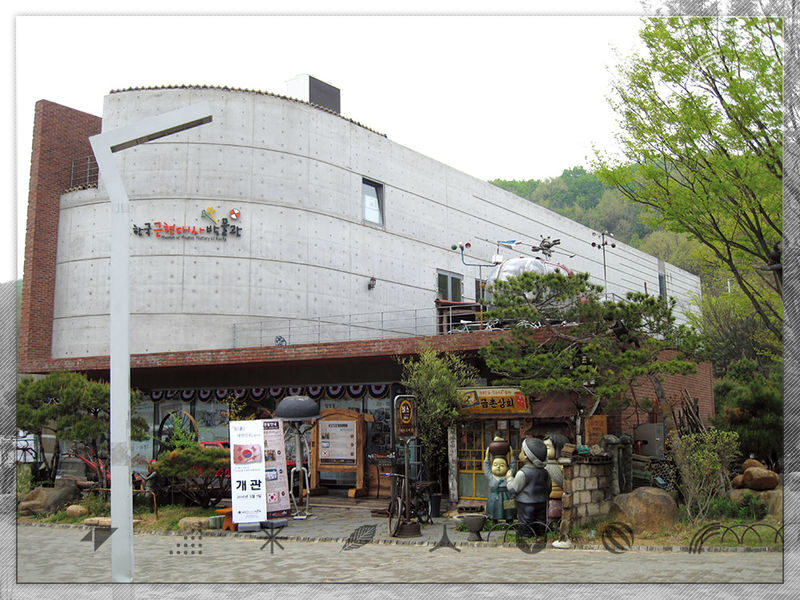
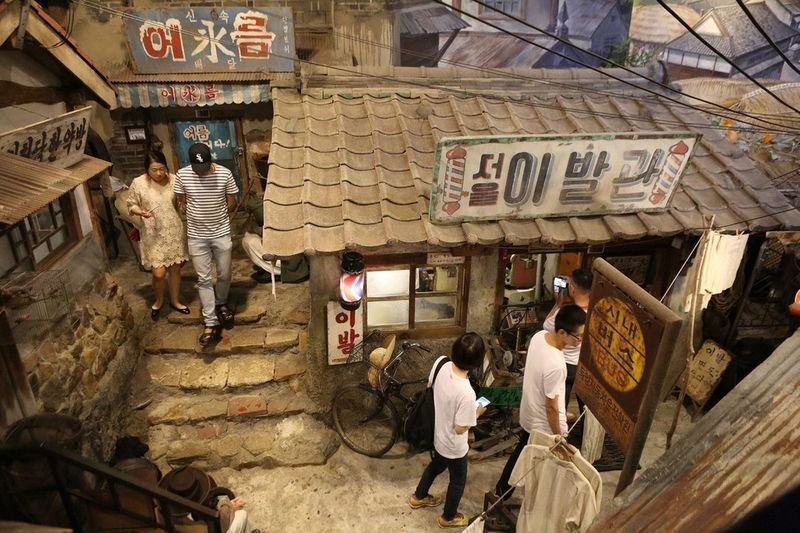
- Two different kinds of outing: The package combines the Museum of Modern History of Korea with a Ganghwa luge adventure.
- A guide may add useful context: Jin is named as a fluent Chinese-speaking guide with a strong grasp of history. Confirm your tour’s language and guide before booking.
- The starting price is $101.75: Whether that feels worthwhile depends in part on what transport, tickets, and other services are included, details not provided here.
- The group needs at least four participants: If the minimum is not met, the activity is cancelled and you can choose a rescheduled time or a refund.
- Cancellation has a 48-hour cutoff: Cancel at least 48 hours before the activity, using destination local time, for a full refund.
A museum visit followed by a luge ride
The tour’s central idea is simple and appealing: put a visit to the Museum of Modern History of Korea beside a Ganghwa luge adventure. One stop is designed for learning; the other gives the day a more active finish. That combination should suit you if you want an outing that does not ask you to spend the whole day reading displays or, at the other extreme, treat the region as a theme-park stop.
The title identifies the museum and the luge experience, but it does not set out the order of stops or describe the route between them. It also does not state how long you spend at either attraction. Those details matter: a museum can be a brisk introduction or the main event, and a luge visit can be a short add-on or a larger part of the day. Ask for the day’s schedule before you pay if timing is important to you.
The location is given as Gyeonggi, South Korea, while the activity title refers to Ganghwa. The available details do not explain the meeting point or how you travel between stops. Do not assume that transport is included just because the two attractions are sold as one package. Confirm the starting point, transportation, and return arrangements directly with Klook or the operator.
You can also read our reviews of more tours and experiences in Gyeonggi.


What makes the history stop worthwhile
The Museum of Modern History of Korea is the tour’s strongest draw for anyone who wants background rather than a string of photo stops. The name suggests a focus on Korea’s modern era, but there is no detailed list of galleries, exhibits, or subjects covered. I would treat this as an opportunity to hear how the guide frames the visit, rather than expect a particular exhibit or lesson that has not been promised.
A guide can make a history visit more approachable, especially if you are new to the subject. Jin is described as fluent in Chinese and able to explain history in an engaging way, with the tour also touching on geography and culture. That is useful if Chinese is your preferred language: a clear explanation can help you connect facts and places instead of simply moving past display cases. Still, Jin is the only guide named, so do not assume that every departure will be led by the same person or offered in Chinese. Confirm the language for your date.
The most valuable version of this stop is not necessarily the one that covers the most dates or names. It is the one that gives you enough context to make the museum visit meaningful. If you already know a lot about Korean history, you may want to ask how much time is set aside for the museum and whether the guide offers a deeper discussion. If you are starting from scratch, a guided visit may give you a helpful frame for what you see.
Ganghwa brings a change of pace
After the museum, the Ganghwa luge adventure shifts the mood from learning to motion. That is a practical pairing: it can break up a day of indoor attention and give mixed-interest groups a reason to book together. Someone keen on history gets a museum stop; someone who prefers an active attraction has the luge to look forward to.
The details stop short of describing the course, number of rides, age or height rules, or how long the activity takes. Those are not small matters if you are planning around children, mobility needs, or a tight schedule. Check the operator’s current rules before booking, and ask whether the package includes the luge admission and any ride credits. The package name signals a luge adventure, but it does not specify the exact access included.
You should also go in with sensible expectations about the balance of the day. No duration or stop-by-stop itinerary is provided, so it is not possible to say whether the museum or luge takes up more time. If one is your main reason for going, ask how the schedule is divided. That simple question can prevent a mismatch between what you expect and how the day is arranged.
The guide can shape the whole day
The most specific detail about the guiding is the account of Jin, who is described as fluent in Chinese and well versed in history. The same account says the tour covered history, geography, culture, and entertainment, and felt engaging rather than dull. That points to a guide-led outing with interpretation beyond simply getting from one stop to another, though it does not guarantee the same guide, language, or depth on every date.
If you want the tour in Chinese, confirm that this is available for your chosen departure. If you need another language, ask before booking rather than relying on the named guide’s language. The activity information does not list a standard language selection or promise an English-speaking guide.
Good guiding is especially useful when a tour combines two very different stops. At the museum, explanation can give the exhibits context; at the luge attraction, clear instructions can help you understand the practical steps. The information here does not spell out what the guide handles at each stop, so ask whether the guide stays with the group throughout or meets you at particular points.
Is $101.75 good value?
The listed starting price is $101.75. That is a starting rate, not a full accounting of what your own booking will cost or include. No details are provided about transport, admission, the number of luge rides, meals, or other expenses, so I would not judge value by the headline figure alone.
The tour’s value rests on the combination of the two attractions and the quality of the guided explanation. If transport and the relevant admissions are included, bundling the museum and luge could save you the work of arranging two separate stops. If they are not, you will need to compare the price with the cost and effort of booking each part yourself. Check the inclusions before treating the tour as an all-in day out.
There is also value in having a guide connect the historical and cultural context, particularly if you would otherwise visit the museum without much background. But if your priority is just the luge, or just the museum, a combined package may ask you to pay for a second stop you do not need. Compare the package against your own interests, not only the number of activities in its title.

Booking, cancellation, and the minimum group
Bookings are confirmed instantly. You can cancel for a full refund if you do so at least 48 hours before the activity date, based on destination local time. If extreme weather or another unforeseen event prevents the itinerary from going ahead, you can reschedule or request a full refund.
The tour requires at least four participants. If that minimum is not reached, the activity is cancelled and you are offered a rescheduled time or a refund. If your plans are fixed, factor this condition into your decision rather than assuming the tour will run regardless of group size.
Vouchers can be used at any time within their validity period. They cannot be refunded after redemption or once they expire, and lost, stolen, or damaged tickets are not refundable. Late arrivals and no-shows are not eligible for refunds or amendments. These rules make it worth checking your meeting details and allowing enough time to get there.
Who should consider this tour
I would shortlist this experience if you want a day that balances Korean history with an active attraction, and if you are comfortable confirming a few practical details before booking. It may work especially well for a group with different tastes, since the museum and luge offer contrasting reasons to go.
It is a more uncertain fit if you need a precise schedule, a guaranteed language, or detailed information about the luge course before you commit. Those details are not available here, and they could affect the day’s value for you. Ask about transport, time at each stop, language, admission, ride inclusions, and any participant rules.
The single named guide, Jin, is a promising detail if you speak Chinese, but it is not a guarantee of who will lead your departure. Treat it as a reason to ask about the guide and language, not as a promise. With those points confirmed, the pairing has a sensible appeal: history for context, followed by a ride that changes the pace.
Should you book it?
Book this tour if both the museum and Ganghwa luge interest you, and if a guided explanation is part of the appeal. At $101.75 from, it could be worthwhile if the admissions and transport you need are included. Confirm those inclusions, the schedule, tour language, and luge rules first. If you only want one of the two attractions, or need a fixed itinerary, compare other options before deciding.
Modern Korean History & Ganghwa Luge Adventure
“This tour was incredibly rich in content, covering history, geography, culture, and entertainment. The tour guide spoke fluent Chinese and had a de…”
FAQ
How much does the tour cost?
The listed price starts at $101.75. The final price and what is included are not specified here, so check the booking details before purchasing.
Which attractions are included?
The package is called Modern Korean History & Ganghwa Luge Adventure and identifies the Museum of Modern History of Korea and a Ganghwa luge experience.
Is a guide named Jin included?
Jin is named as a fluent Chinese-speaking guide with a strong understanding of history. The information does not confirm that Jin leads every departure, so ask who will guide your date.
What is the cancellation policy?
You can receive a full refund if you cancel at least 48 hours before the activity date, using destination local time. Different rules apply after that cutoff, for no-shows, and for redeemed or expired vouchers.
What happens if there are fewer than four participants?
The activity is cancelled if the minimum of four participants is not met. You can then choose a rescheduled time or a refund.
Can the tour be cancelled because of weather or another unforeseen event?
Yes. If extreme weather or another unforeseen event means the itinerary cannot go ahead, you can reschedule or request a full refund.