Jebu Island’s cable car gives this day its most unusual view: from above, you can look toward Jebu Port and the tidal channel known as Moses-gil, where the sea route opens and closes with the tide. I like that the ride is paired with Uiwang’s lakeside rail bike and a traditional village visit, so the day offers three very different ways to see the area beyond Seoul.
I also like the three-hour stop at the Korean Folk Village, which leaves room to explore at your own pace and buy lunch there. The trade-off is a packed schedule with several long drives, and the advertised sunset may not fit the day’s actual timing.
- Key points before you book
- Three outings, one long day from Seoul
- The Korean Folk Village: time for houses, shows, and lunch
- Uiwang Rail Bike: a 4.3-kilometer pedal around the lake
- Jebu Island by cable car: views shaped by the tide
- The guide and transport matter as much as the stops
- What the pace means for your day
- Is the shared day tour worth it?
- FAQ
- How long is the tour?
- What is included in the price?
- Is lunch included?
- How long is the Uiwang Rail Bike ride?
- Can two people have a rail bike to themselves?
- Does the cable-car ticket include a crystal-floor cabin?
- Is sunset at Jebu Island guaranteed?
- Can children under three join?
- More Cycling Tours in Gyeonggi
- More Tours in Gyeonggi
- More Tour Reviews in Gyeonggi
- Not for you? Here's more nearby things to do in Gyeonggi we have reviewed
Key points before you book
 1 / 8
 2 / 8
 3 / 8
 4 / 8
 5 / 8
 6 / 8
 7 / 8
 8 / 8
- Jebu Island’s sea route changes with the tide. The cable car looks over the tidal channel and Jebu Port, but the view and access conditions can vary.
- Uiwang’s rail bike runs 4.3 kilometers. The route circles a lake and has seven themed sections; bikes are generally shared by four people.
- The Folk Village stop is the longest. You have about three hours to explore, watch any performances scheduled that day, and buy lunch.
- The day involves plenty of road time. The planned drives add up to about four hours, and traffic can push the return later.
- Sunset is not guaranteed. The cable car stop is scheduled for late afternoon, but timing and season determine whether you actually see sunset.
- Check the cost of upgrades. A crystal-floor cable car cabin costs an extra KRW 5,000 per person, and a rail bike for two people alone costs an extra KRW 10,000 per bike.
Three outings, one long day from Seoul
This tour is a practical way to combine places that are spread across Gyeonggi Province without arranging several separate transfers. You get a traditional culture stop, a pedal-powered lakeside ride, and a cable car over a tidal coast, all with round-trip transport from Seoul.
That convenience comes at a cost in time. The planned day begins around 8:10 a.m. and returns to Seoul from about 6:30 p.m., with roughly an hour in the vehicle between each major stop. Traffic, weather, and operating conditions may change the order or length of the visits, so think of the schedule as a framework rather than a promise down to the minute.
The shared tour is listed from US$82.39, while the shared package is also shown from US$89.49. Prices can vary, so check the amount for your date before booking. At either starting price, the value rests largely on transport: you avoid planning separate journeys to three out-of-town sights, and admission to the attractions, tolls, and parking are included. Food, drinks, personal expenses, and insurance are not.
You can also read our reviews of more cycling tours in Gyeonggi
The Korean Folk Village: time for houses, shows, and lunch
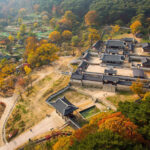
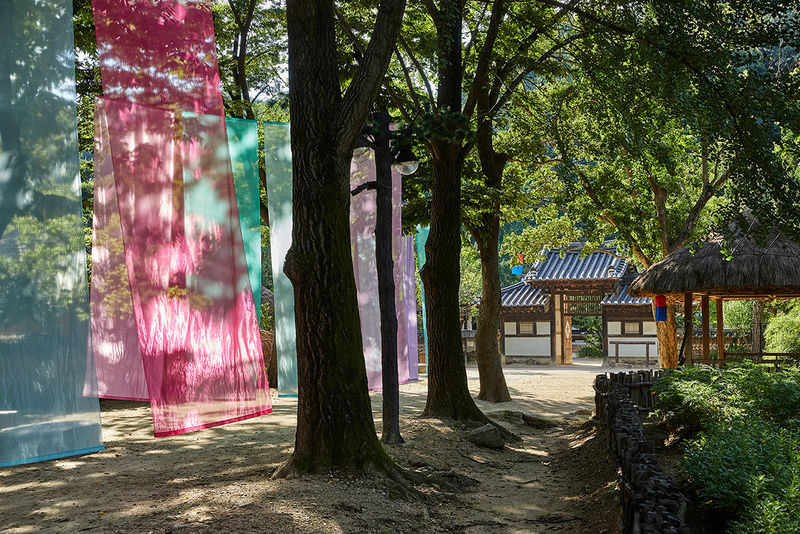
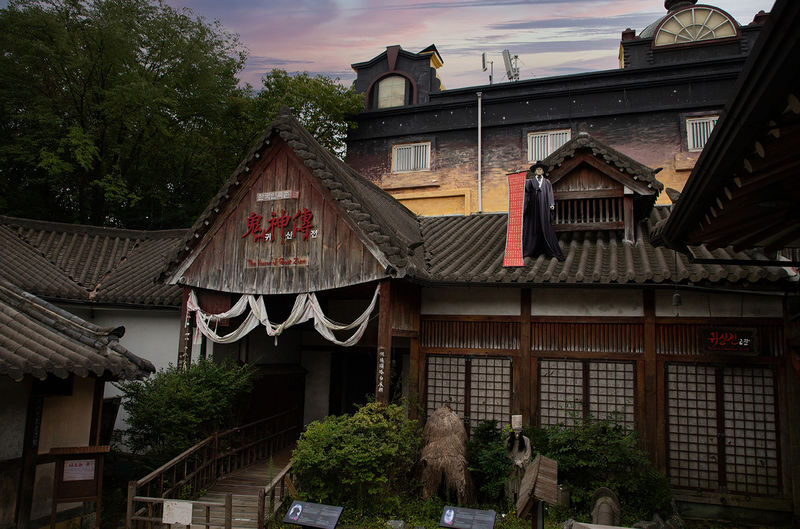
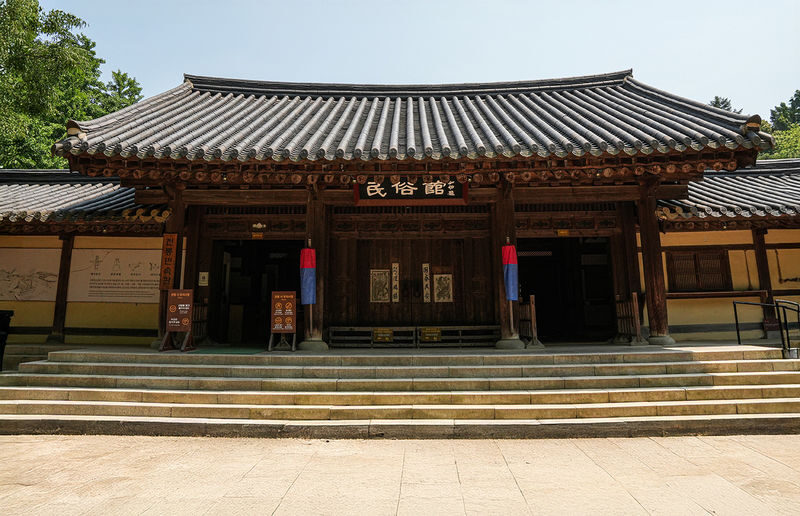
The first major stop is the Korean Folk Village, an open-air museum that recreates traditional life and architecture from the late Joseon Dynasty. You have about three hours here, which is a useful stretch of time for exploring the grounds without being hurried through a guided walk.
The village’s appeal is more than old buildings. You can look inside reconstructed traditional homes, get a sense of how the settlement is laid out, and check for folk performances or seasonal festivals during your visit. The program can vary, so treat any show as a possible extra rather than the guaranteed centerpiece of the stop.
Lunch is on your own and not included. Eating at the village keeps the day simple, but it also means you should budget separately and leave enough time to eat before the group departs. If you prefer a slow meal, keep an eye on the clock; the next drive is about an hour, and the rail-bike stop has its own fixed window.
I would use this first visit to get a feel for the village rather than trying to see every corner. Three hours sounds generous, but it includes lunch and a possible performance. Comfortable shoes matter here, as they do throughout the day.
Uiwang Rail Bike: a 4.3-kilometer pedal around the lake
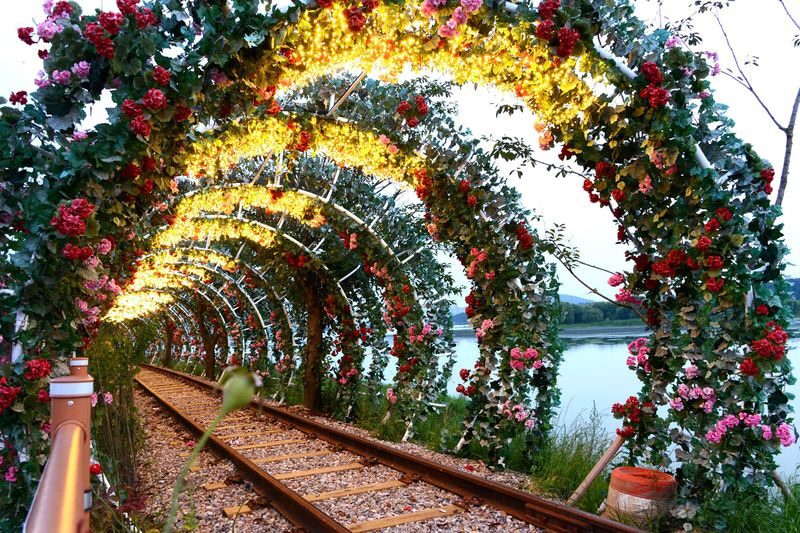
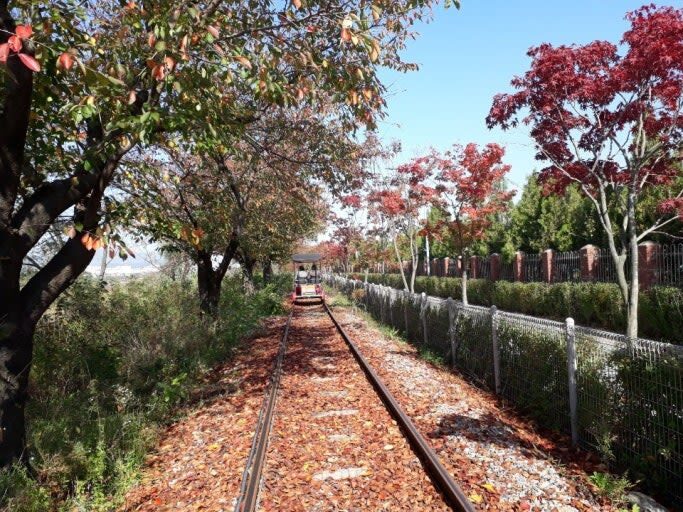
After the Folk Village, the tour heads to Uiwang for a rail-bike ride. This is described as Korea’s only rail bike that circles a lake. The route covers 4.3 kilometers and has seven sections with different settings, giving the ride more variety than a short out-and-back track.
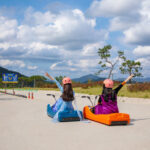
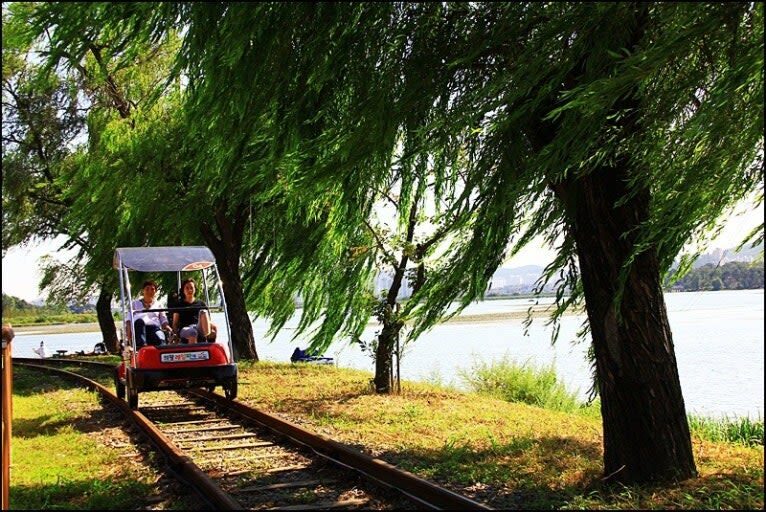
The ride is self-guided and scheduled for about an hour. You pedal along the rails with the lake and changing scenery beside you; in spring, cherry blossoms may line both sides of the railway. Bloom dates shift with weather and temperature, so plan for a pleasant ride rather than a guaranteed blossom show.
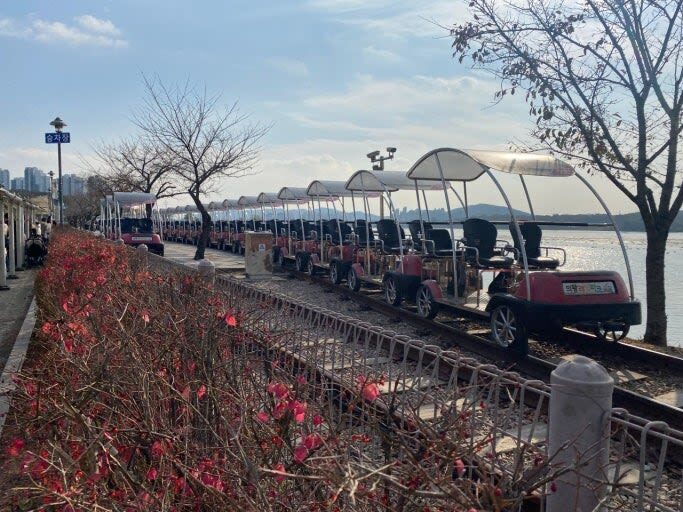
A standard rail bike is generally shared by four people. If your party has two and wants a bike to yourselves, the listed on-site charge is KRW 10,000 per bike. That is worth factoring into the price if you value a private ride, though sharing can also make the pedaling easier.
This stop is a good change of pace after the village. It gives you something active to do, but the tour allows only about an hour, so there is not much room to linger. If a long, relaxed rail-bike outing is your main priority, taking the train independently and building your day around Uiwang may suit you better.
Jebu Island by cable car: views shaped by the tide
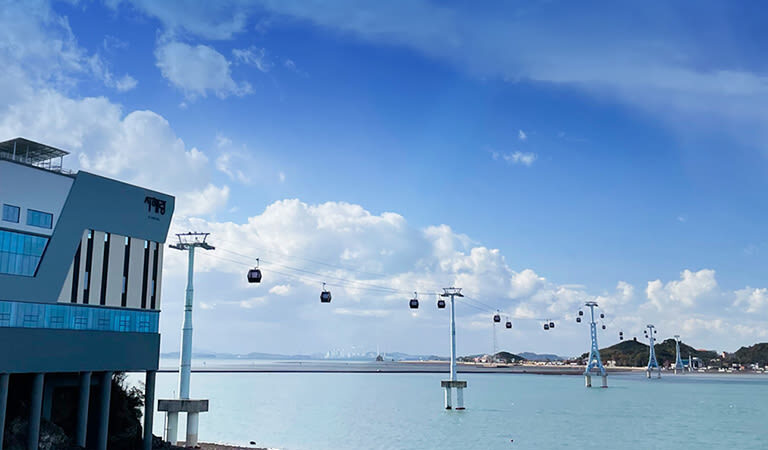
The last attraction is the Seohaerang Jebu Marine Cable Car, with about 90 minutes set aside for the visit. From the rooftop wood deck above the third floor, you can look out toward Jebu Port and the natural tidal route called Moses-gil. The island is known for a channel that opens twice a day as the tide shifts, so the view changes with the water and the timing of your visit.
The standard ticket uses a regular cabin with an opaque floor. If you want a see-through floor, you can pay an extra KRW 5,000 per person on site for a crystal cabin. I would treat this as an optional thrill rather than a necessary upgrade: the main reason to ride is the broad view over the island and coast.
The tour’s promotion highlights sunset and night views, but the planned cable-car visit runs from around 4:00 to 5:30 p.m., followed by the drive back to Seoul. Sunset time changes through the year, and one past schedule ended before sunset. If sunset is the reason you are booking, ask for the current day’s timing before you pay, and do not assume the tour will wait until dark.
Spring cherry blossoms are another seasonal draw, especially around Uiwang, but bloom timing cannot be assured. The cable-car scenery also depends on tides and weather. These are real seasonal pleasures, not fixed parts of the package.
The guide and transport matter as much as the stops
Round-trip transfers, tolls, and parking are included, which is the tour’s main practical advantage. You do not have to work out separate connections between the Folk Village, Uiwang, and Jebu Island. The vehicle also makes the coastal stop more manageable than trying to piece together a day by public transport.
An English- or Chinese-speaking guide is included in the tour details, but the experience may vary. Past hosts have included Johnson, Ricky, Mario, and Alen; some were praised for clear communication, useful explanations, punctuality, and careful driving. At least one participant had a driver who did not speak English and relied on a translation app. Do not assume a particular guide or language level unless the operator confirms it for your date.
The route can feel brisk. Each attraction is self-guided, and the driver or guide may help you plan how to use the time, but you should not expect a full guided tour inside every site. That suits independent visitors who want transport and a few pointers. It is less suited to anyone hoping for detailed interpretation at each stop.
Traffic can alter the schedule and delay your return. The listed drop-offs include Dongdaemun History & Culture Park, Myeong-dong Station, and Hongik University Station, with approximate returns from 6:30 to 7:10 p.m. Since the tour information gives different departure and meeting times in different places, confirm your exact pickup point and time with the operator the day before. The driver is due to contact you between noon and 6:00 p.m. that day, so provide a reachable WhatsApp, WeChat, or KakaoTalk number.

What the pace means for your day
This is a full day, not a gentle half-day excursion. There are three substantial drives, three distinct stops, and little room to add unscheduled activities. The variety is the reward: one stop is cultural, one is active, and one is scenic. The compromise is that none gets unlimited time.
The Folk Village has the longest visit, which is sensible because it is the most extensive place to explore. The rail bike is a defined ride, and the cable car stop offers time for the crossing and views. Still, if you like to linger over exhibits, take long breaks, or wait for ideal light, the schedule may feel tight.
I would also plan for outdoor conditions. Wear comfortable walking shoes and clothes suitable for outdoor activities. Water is allowed in the vehicle, but other food and drinks are not. The operator advises people prone to motion sickness to take medication in advance; a cleaning fee starting at KRW 150,000 may apply if the vehicle needs special cleaning after a spill or illness.
This activity is not recommended for people with impaired mobility, pregnant women, or anyone with certain medical conditions, including high blood pressure or epilepsy. Pets are prohibited, luggage storage is not provided, and travel or personal accident insurance is not included. Children under three may join without charge if they do not need their own vehicle seat.
Is the shared day tour worth it?
I would consider this tour if you want a broad sampling of Gyeonggi sights and value having transport arranged more than having a slow, flexible day. The Folk Village, lake circuit, and tidal island are a worthwhile mix, and the cable car is the stop that is hardest to fold into a simple Seoul day trip.
It is a weaker fit if sunset at Jebu Island is your main goal, or if you want long visits at each attraction. The schedule may not reach the island at sunset, and traffic can cut into free time. For a more focused outing, you could visit Uiwang Rail Bike on its own; for three sights in one day, this tour saves planning but asks you to accept a brisk pace.
Before booking, check the current price, the confirmed pickup details, the guide language, and the day’s Jebu Island timing. The tour requires at least four participants; if that minimum is not met, you can be offered another date or a refund. If the timing and shared transport suit you, it is a useful way to see three very different sides of the region in one outing.
Jebu Island Cable Car & Rail Bike & Korean Folk Village Day Tour
“The driver was Chinese and very thoughtful, with excellent driving skills. As Chinese tourists ourselves, we felt very safe abroad. We could commun…”
FAQ
How long is the tour?
The planned day starts around 8:10 a.m. and returns to Seoul from about 6:30 p.m. The return may be later depending on traffic, and the schedule can change with weather or operating conditions.
What is included in the price?
Admission to the attractions, round-trip transfers from the meeting location, toll fees, parking fees, and an English- or Chinese-speaking guide are included. Meals, drinks, personal expenses, and insurance are not.
Is lunch included?
No. Lunch is at your own expense, and the planned lunch stop is at the Korean Folk Village.
How long is the Uiwang Rail Bike ride?
The rail-bike visit is scheduled for about one hour. The route is 4.3 kilometers long and has seven sections with different settings.
Can two people have a rail bike to themselves?
Rail bikes are generally shared by four people. Two people who want to use one bike separately must pay an additional KRW 10,000 per bike on site.
Does the cable-car ticket include a crystal-floor cabin?
No. The standard ticket is for a regular cabin with an opaque floor. You can upgrade to a crystal cabin on site for KRW 5,000 per person.
Is sunset at Jebu Island guaranteed?
No. The cable-car stop is scheduled for late afternoon, but the actual timing can change, and sunset varies by season. The sea route and views also depend on the tides and weather.
Can children under three join?
Yes. Children under three may join free of charge as long as they do not occupy a separate seat in the vehicle.