Malaysian cooking is easier to understand when you can handle the ingredients, hear what goes into a dish, and then cook it yourself. At LaZat, you begin with a market visit at Pasar Besar TTDI, then prepare and eat a three-course meal at the cooking school in Bangsar.
I like two things here: the daily menus give you a reason to choose your class day, and the market breakfast of roti canai adds a useful first taste before the cooking begins. The main consideration is that market tours run Tuesday through Saturday only, and the single posted rating raises a fair point: newcomers may want more explanation of herbs and unfamiliar produce.
- Key points before you book
- From Pasar Besar TTDI to the LaZat kitchen
- What happens during the three-course class
- Choose the day by the dishes you want to learn
- Is the market tour worth the early start?
- How the price stacks up
- Practical details to sort out
- Who should book LaZat?
- FAQ
- Where does the market tour begin?
- Does every class include a market tour?
- What food is included before the cooking class?
- What is included in the cooking class?
- Do I need cooking experience?
- Can children attend?
- The Best Of Kuala Lumpur!
- More Cooking Classes in Kuala Lumpur
- More Tours in Kuala Lumpur
- More Tour Reviews in Kuala Lumpur
- Not for you? Here's more nearby things to do in Kuala Lumpur we have reviewed
Key points before you book
- The menu changes by day: Thursday brings Char Kuey Teow and Apam Balik; Saturday focuses on Nasi Lemak and chicken rendang.
- The market visit starts early: Meet at Pasar Besar TTDI by 8:30 am, with the group gathering from 8:15 am.
- Monday is different: It is a cooking class only, with a plant-based menu and no market tour.
- You cook a full meal: Expect a starter, main dishes and dessert, with ingredients, equipment and an apron provided.
- The day runs about five and a half hours: The listed schedule ends with a 2 pm return.
- The advertised starting price is $168.39: Check the booking total and exact package details before paying.

👉 See our pick of the 9 Best Workshops And Classes In Kuala Lumpur
From Pasar Besar TTDI to the LaZat kitchen
 1 / 7
 2 / 7
 3 / 7
 4 / 7
 5 / 7
 6 / 7
 7 / 7
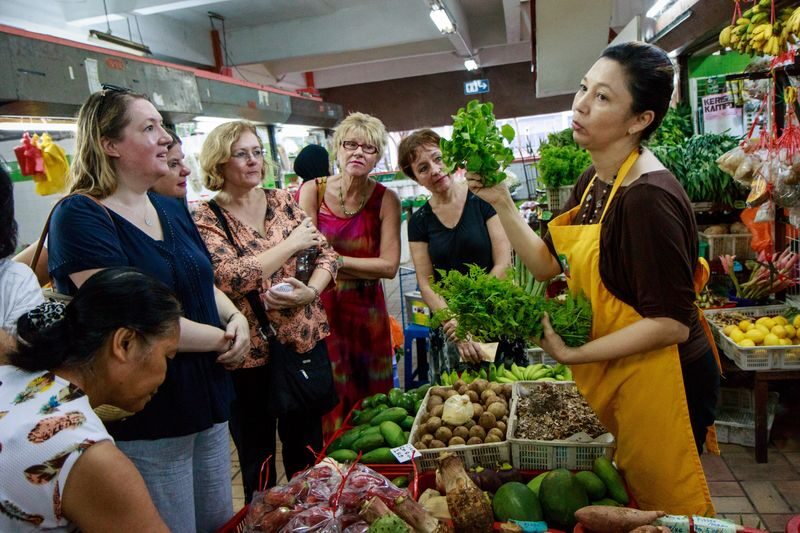
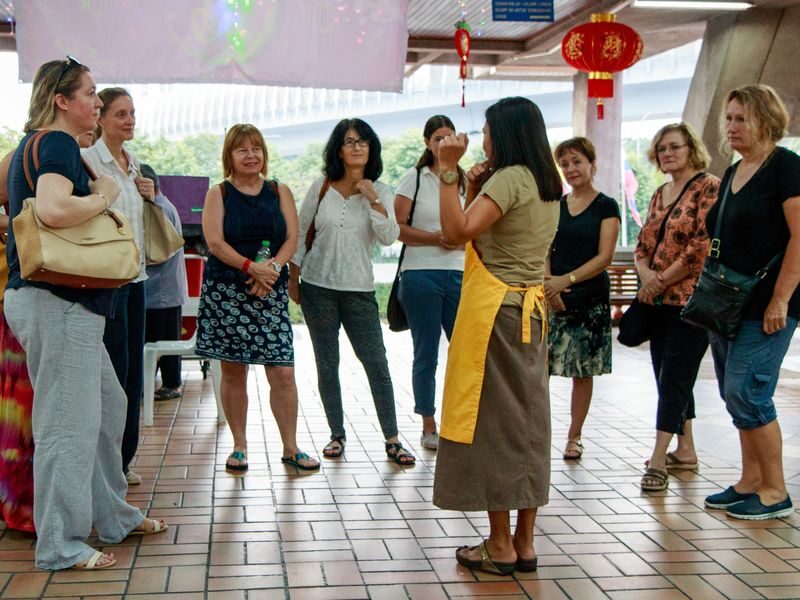
The day begins at Pasar Besar Taman Tun Dr. Ismail, usually shortened to TTDI Market. Arrive at the main entrance facing Jalan Wan Kadil by 8:30 am. The schedule lists an 8:15 am gathering, so treat that earlier time as the safer target. Late arrivals and no-shows are not refundable.
A market visit can make a cooking class more useful than a lesson that starts only at the cutting board. Malaysian cooking draws on local produce, herbs and spices, and seeing the stalls gives you a first look at the ingredients before you use them. Your Market Tour Lead guides the visit, introduces selected vendors and produce, and includes a light local breakfast with roti canai.
That breakfast is a practical touch, not just a pleasant extra. You get to try a familiar local staple before moving on to a meal you will prepare yourself. The market stop is also a chance to ask what ingredients are called and how people use them in everyday cooking.
There is one useful caveat for first-time visitors. The available feedback gives the experience 4 out of 5, with the overall day described as meeting expectations. It also points to an area worth improving: explaining the herbs and market ingredients in more detail for people who are not used to wet markets. If you are new to Malaysian produce, ask questions as you go rather than assuming every stall item will be identified in depth.
After the market, transport is provided from TTDI to LaZat Cooking School in Bangsar. The class is held at Menara Bangsar, 297 Jalan Maarof. The transfer is included for this leg, but you need to arrange your own transport to the market and your journey home after the day ends.
You can also read our reviews of more cooking classes in Kuala Lumpur


What happens during the three-course class
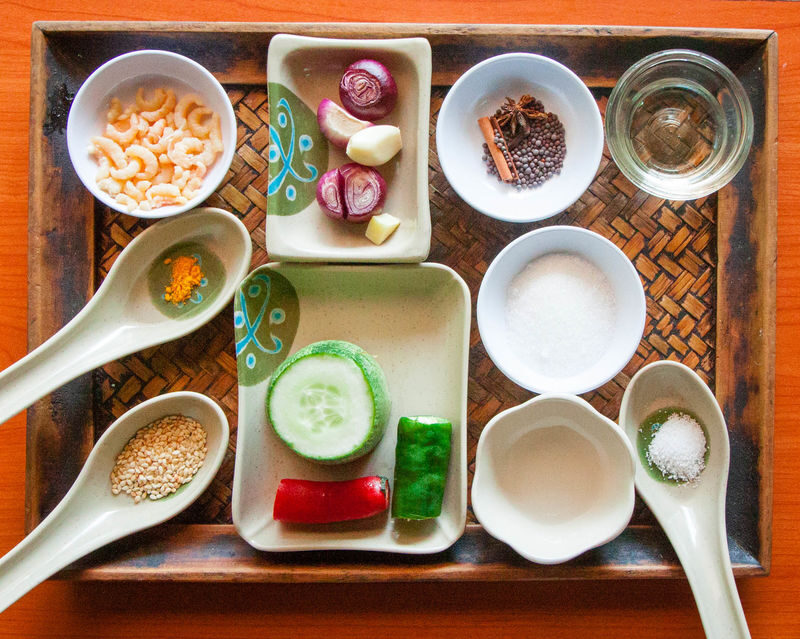
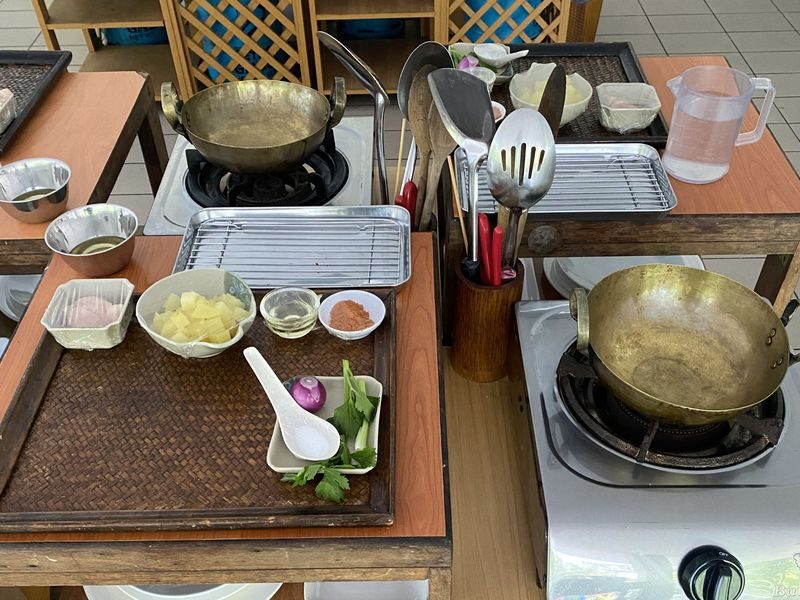
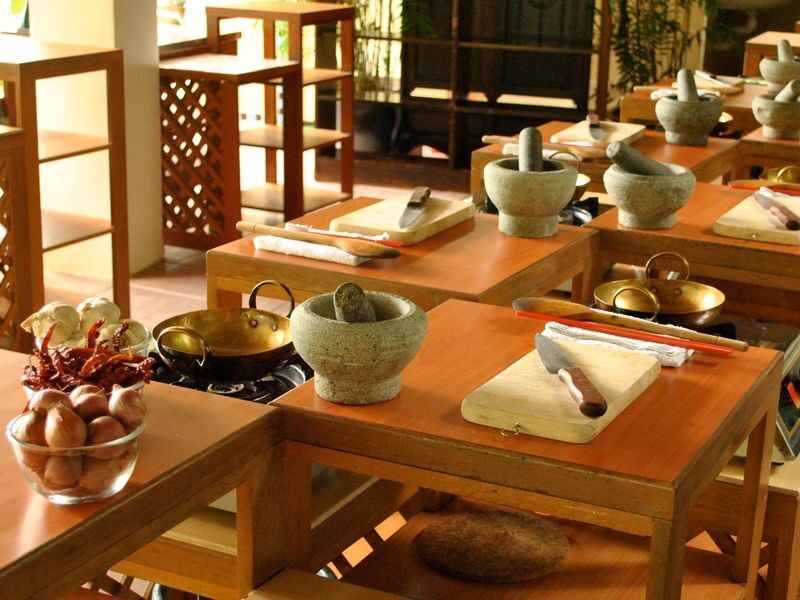
The cooking session starts at 10 am with a health and safety briefing. Then you prepare a three-course meal based on the menu for that day. LaZat provides the ingredients and kitchen equipment for the class, including an apron, so you do not need to bring cooking tools.
The format is hands-on and designed for a range of skill levels, from beginners to people who already cook. The class is conducted with English-speaking staff, and the instructors guide you through the dishes step by step. You are not simply watching a demonstration and taking notes: you work with the ingredients and make the dishes that become lunch.
The scheduled cooking period runs until around 1 pm, followed by lunch. You eat what you have prepared, then the day wraps up with a return at about 2 pm. Traffic and weather can affect the timing, so avoid arranging a tight appointment immediately afterwards.
A recipe book is included to take home. That matters because the best part of a cooking class is often the meal, but the lasting value is being able to make it again. The class gives you the basic skills and recipes, though some ingredients may take extra effort to find once you are back home.
Choose the day by the dishes you want to learn
The weekday menu is a major part of the decision. These are not identical classes with a different dessert: each day has its own regional or food theme, so check the menu before booking.
Tuesday is Baba Nyonya day. The menu includes corn fritters, Kapitan Curry, Roti Jala, sweet chili sauce and Kuih Koci. It suits you if you want a curry-focused class with a traditional dessert and a chance to learn a little about the Peranakan food tradition.
Wednesday is Malaysia Delights. You make curry puffs, Ayam Masak Merah, chili paste, Kerabu Acar Timun and Kuih Ketayap. This menu offers a useful spread of savory snacks, a chicken main and a sweet finish.
Thursday focuses on street food. The class includes Pulut Panggang, Char Kuey Teow, chili paste and Apam Balik. If Char Kuey Teow is on your must-eat list, this is the clearest match. It also gives you a mix of a rice-based snack, a well-known noodle dish and a sweet pancake.
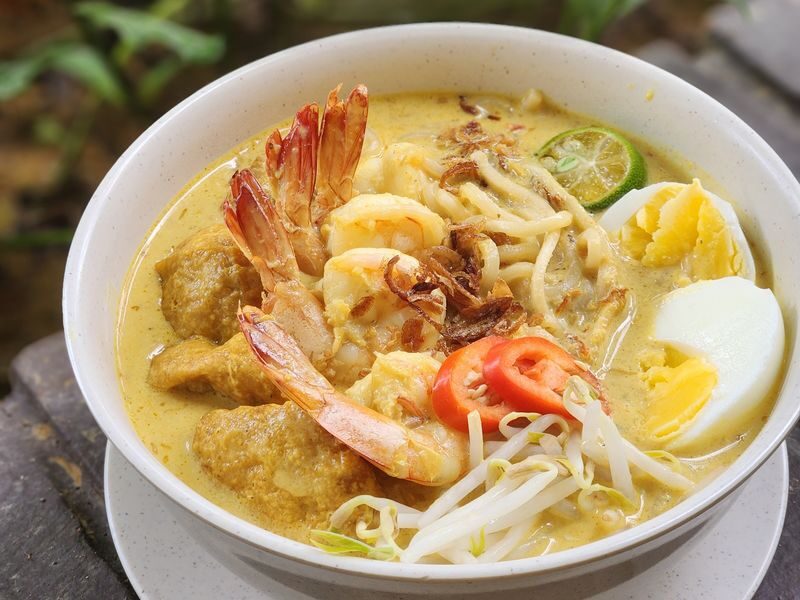
Friday brings Southern Favourites. You prepare Kuih Cara Berlauk, Curry Laksa, chili paste and Kuih Kaswi. This is a good choice if laksa is the dish you most want to understand and recreate.
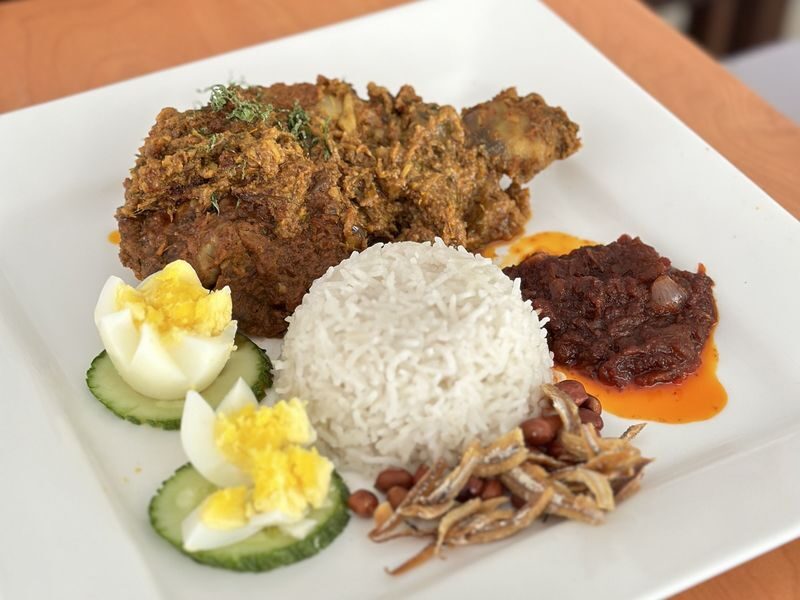
Saturday is National Pride. The menu pairs Nasi Lemak and its condiments with chicken rendang, sambal, chili paste and Kuih Cara Manis. It is the most direct pick if you want to learn a classic Malaysian meal built around coconut rice and its accompaniments.
Monday is the plant-based class, without the market visit. Its menu includes spring rolls with sweet chili sauce, Nasi Impit, Masak Lemak Sayur Lodeh with peanut sauce, chili paste and Onde Onde. This is the one day that clearly offers a meat-free menu, though the menu includes peanut sauce, so check directly with the operator about any dietary concerns.
There is also a Healthy Nyonya Cooking Class listed for Monday, Wednesday and Saturday from 10 am to 2 pm. Its menu is Roti Jala, Kapitan Chicken Curry and Tongsui, described as Fuchuk Yimai or mung bean. Confirm the exact package and menu when booking, since it differs from the market-tour class and the schedule above.
Is the market tour worth the early start?
For many people, yes. The market adds context that a kitchen lesson alone cannot: you see where local cooking begins, have breakfast, and get a brief introduction to vendors and fresh produce. It also makes the morning feel like more than a class dropped into the middle of a trip.
Still, set realistic expectations. The market portion is a guided visit to selected stalls, not a long food tour or a cooking lesson in itself. If your main goal is to spend several hours cooking, Monday’s class-only option may be a better fit. If you are especially curious about ingredients, the market can be valuable, but you may need to prompt the guide for extra detail.
You can opt out of the market tour by contacting LaZat at [email protected] or +60-193827878 and making your way to the cooking school by 10 am. Do this in advance rather than simply skipping the meeting point, so the school knows your plan.
How the price stacks up
The advertised starting price is US$168.39 for the three-course Malaysian cooking class with market tour. At that price, the value depends on how much you want the complete morning, rather than only the cooking lesson. The package includes the market tour, roti canai breakfast, transfer from TTDI Market to LaZat, a welcome drink, ingredients and equipment, lunch from the dishes you prepare, and a recipe book.
Those inclusions make it a fairly full half-day activity. You are paying for a guided food experience as well as instruction, and the market stop gives the class a local setting. If you value learning to make several dishes and want the market introduction, that bundle may justify the cost. If you are mainly interested in one recipe or want an inexpensive meal, it may be more than you need.
The price is stated as starting from US$168.39. Check the final price for your date and chosen package before booking, since the available details do not establish that every menu or class option costs the same.
You can also read our reviews of more tours and experiences in Kuala Lumpur




Practical details to sort out
The market-tour version runs Tuesday through Saturday, with the meeting at Pasar Besar TTDI. Monday’s class begins at 10 am at the school and does not include the market visit. The day is scheduled to finish at 2 pm. The listed return point is Menara Bangsar, the same address as LaZat Cooking School.
At least two participants are required for the activity to run. Children of any age may attend, but children aged 0 to 9 must be accompanied by a paying adult. The activity is described as stroller- and wheelchair-accessible.
A full refund is available if you cancel at least seven days before the activity date. Rescheduling is allowed up to three days before class, while booking changes have separate limits and may not apply to bookings made with certain passes or promotions. The voucher is valid only for the date and time booked, so check the terms attached to your purchase.
Who should book LaZat?
This class is a good match if you enjoy food and want a practical introduction to Malaysian cooking rather than a restaurant meal alone. It particularly suits curious beginners, home cooks who want a few new dishes in their repertoire, and people who like connecting a meal to the ingredients used to make it.
Choose your day around the menu, not just your calendar. Book Thursday for Char Kuey Teow, Saturday for Nasi Lemak and rendang, or Monday if you want the plant-based class and do not mind missing the market. If understanding unfamiliar herbs is a priority, arrive ready to ask questions.
I would book if you want a structured morning that combines a local market, breakfast and hands-on cooking, and if the listed price fits your budget. I would look for a class-only option if you want to spend less time on the outing, or choose another date if the day’s menu does not include dishes you care to learn.
LaZat Malaysian Cooking Class
“Overall good experience as per expectations instructor: one area to improve on is to provide local insights/ sharing on what the herbs/ ingredients…”
FAQ
Where does the market tour begin?
Meet at the main entrance of Pasar Besar TTDI facing Jalan Wan Kadil. The gathering time is listed as 8:15 am, and you should arrive by 8:30 am at the latest.
Does every class include a market tour?
No. The market tour runs Tuesday through Saturday. Monday is a cooking class only, with a plant-based menu.
What food is included before the cooking class?
The market visit includes a light local breakfast with roti canai. A welcome drink is also included on arrival at the cooking school.
What is included in the cooking class?
The class includes English-speaking staff, ingredients, kitchen equipment and an apron for the session, plus a recipe book to take home. The market-tour package also includes the transfer from TTDI Market to LaZat.
Do I need cooking experience?
No. The class is designed for beginners as well as more experienced cooks, and the instructor guides you through a hands-on session.
Can children attend?
Yes. There is no age limit, but children aged 0 to 9 must be accompanied by a paying adult.