The Museum of the Bible turns familiar stories, from Noah’s ark to Passover, into a broad exploration of how the Bible was written, shared, and understood across 3,000 years. I like that you can move between historical artifacts and hands-on exhibits, rather than relying on display cases alone, and that VR and a flying theater add a more theatrical way to encounter the stories.
I also like the location: the museum is three blocks from the U.S. Capitol and close to the National Mall, so it can fit into a day of sightseeing. The main consideration is time. There are seven floors to explore, and while an hour can work for a brisk visit, two to four hours gives you a better chance to see the exhibits without rushing.
- Seven floors cover 3,000 years of biblical history, interpretation, and influence.
- Interactive displays and VR add visual and hands-on ways to approach biblical narratives.
- A flying theater offers a more theatrical look at biblical landmarks in Washington, D.C.
- Admission includes permanent exhibits and almost all temporary exhibitions.
- The location is easy to pair with sightseeing, near the Capitol and the National Mall.
- Children under five enter free, and the museum permits re-entry with your ticket, wristband, or stamp.
- Start with the Bible’s long story
- Biblical stories beyond the page
- Seven floors, so pace yourself
- VR and the flying theater
- What the ticket covers
- A central stop near the Capitol
- Timing, children, and ticket details
- Who will get the most from a visit
- Should you book the Museum of the Bible?
- FAQ
- How long should I plan for the museum?
- What does the general ticket include?
- What is the starting ticket price?
- What are the opening hours?
- Is early admission included?
- Do children need a ticket?
- Can I leave and return to the museum?
- Is the museum wheelchair-accessible?
- Can I bring food, drinks, or pets?
- Can I cancel my ticket?
- The Best Of Washington DC!
- More Tickets in Washington DC
- More Tours in Washington DC
- More Tour Reviews in Washington DC
- Not for you? Here's more nearby things to do in Washington DC we have reviewed
Start with the Bible’s long story
 1 / 6
 2 / 6
 3 / 6
 4 / 6
 5 / 6
 6 / 6
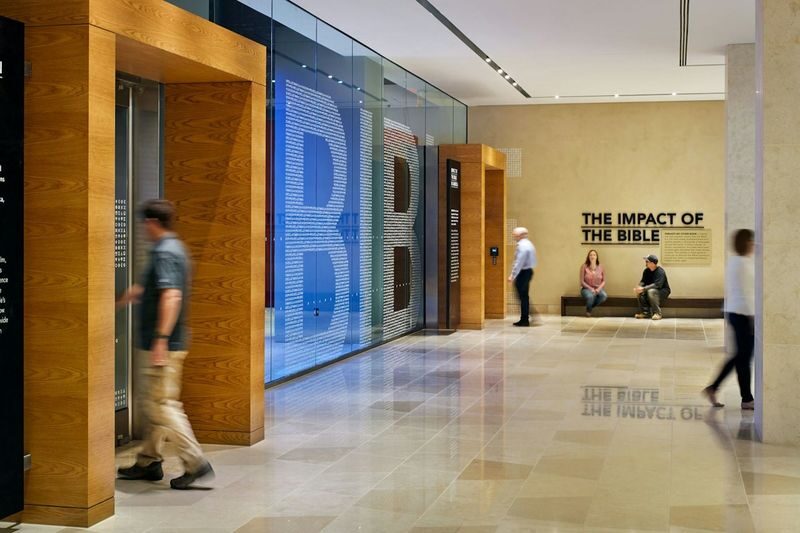
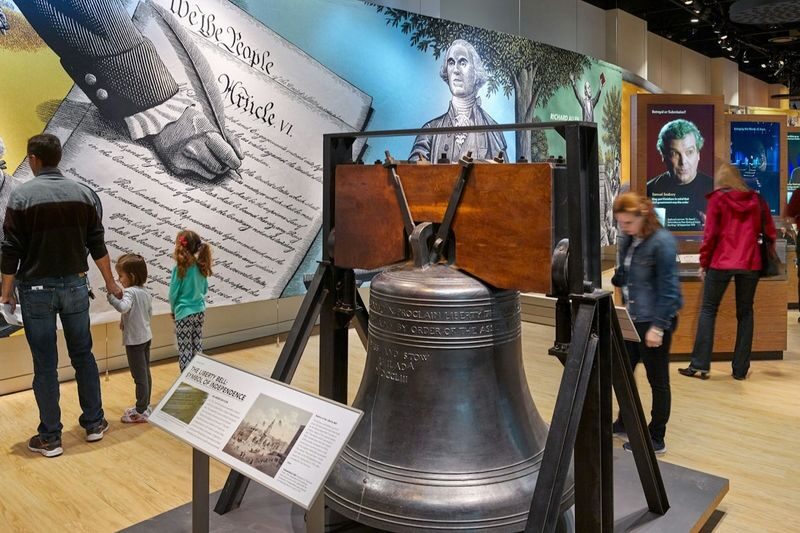
The museum is not just a place to read about biblical episodes. Its exhibits set out to show how the Bible took shape, how people have encountered it, and how it has affected societies across cultures and centuries. That wider frame is useful even if you already know the central stories, because it shifts the visit from a retelling of scripture to a look at the book’s history and influence.
The collection spans 3,000 years and occupies seven floors. That is a lot to take in, so I would approach the museum as a set of connected themes rather than expect to absorb every label and display in one pass. You can choose the stories or historical questions that matter most to you, then spend more time where the exhibits hold your attention.
This breadth is one of the museum’s main strengths. It gives you room to consider the Bible as a religious text, a work that has been interpreted and transmitted, and a force in public life. The benefit is a wider perspective; the trade-off is that the number of floors can feel like a lot if you arrive with only an hour.

👉 See our pick of the 25 Best Guided Tours In Washington DC
Biblical stories beyond the page
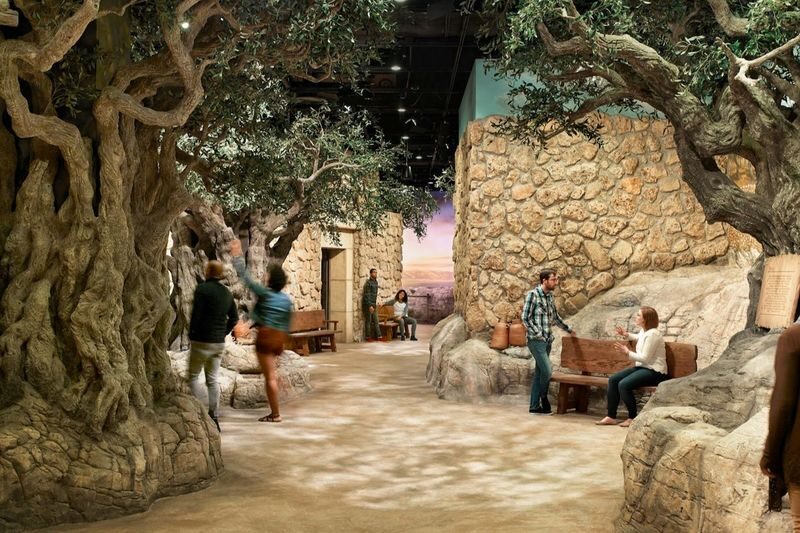
Noah’s ark, the burning bush, and Passover are among the stories the museum brings into its displays. Familiar episodes give you an easy starting point, while interactive presentations invite you to look at the narratives from more than one angle. If you are visiting with children or with someone who does not know the Bible well, these recognizable stories can make the subject easier to enter.
The exhibits also ask broader questions. What inspired the construction of Noah’s ark? How did Jesus’ disciples multiply? Those prompts help connect a particular narrative to the people, beliefs, and historical context around it. You are not simply moving from one story to the next; you are being asked to think about how these accounts have been understood and passed on.
The format matters here. A text-heavy museum can be hard going, especially for younger visitors or anyone without a background in biblical studies. Interactive displays offer another route into the material, though you should not expect every exhibit to work like a game or a show. The museum combines different ways of presenting information, and some sections will suit you better than others.
You can also read our reviews of more tours and experiences in Washington DC


Seven floors, so pace yourself
Seven floors can make for a satisfying visit, but they call for a little planning. The suggested visit length is two to four hours. A visitor who moves quickly may get a useful overview in less time, but an hour is a tight fit if you want to explore several themes, try the special experiences, and read the interpretive material.
I would begin by deciding what you most want from the visit. Are you curious about the Bible’s origins? Interested in its effect on society? Coming mainly for the immersive presentations and interactive elements? A loose priority helps you spend your time where it counts, rather than trying to see every object at the same pace.
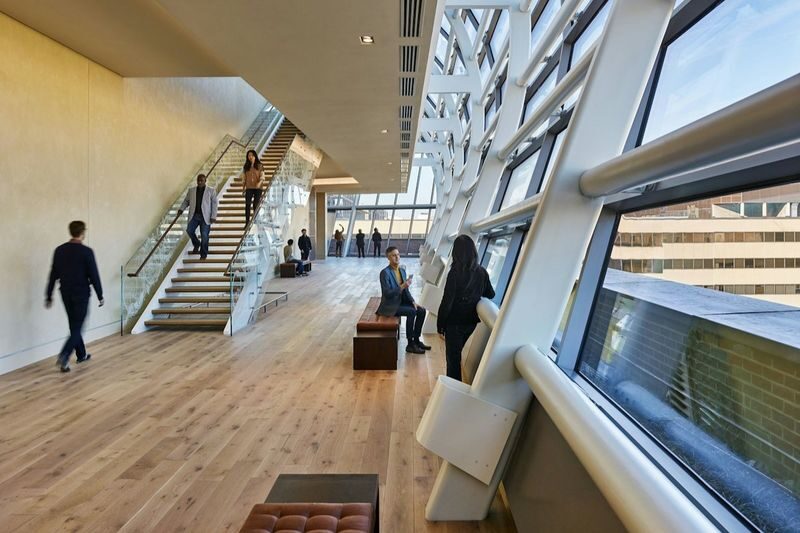
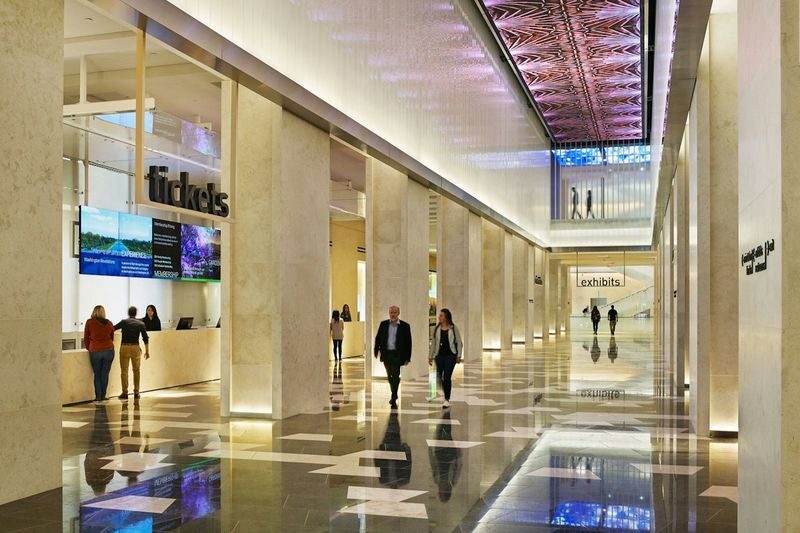
The museum’s displays have been praised for the way they are arranged and presented, and that visual care is part of the appeal. The material can be approached from different perspectives, which helps you build an understanding of the Bible’s origins and the development of faith. Still, a large museum asks for attention. Take a short break if you find yourself reading every panel, and give yourself permission to move on from an exhibit that is not speaking to you.
VR and the flying theater
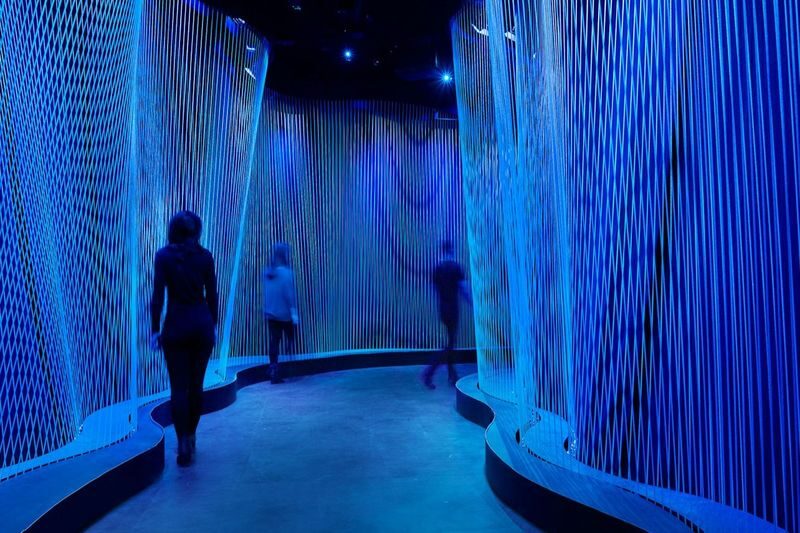
The VR presentation offers a more direct, sensory way to encounter biblical stories. Instead of only reading about a narrative, you can experience it through a virtual format designed to bring it to life. That can be a welcome change of pace during a visit with lots of historical information, and it may be especially appealing if you enjoy technology-based exhibits.
There is also a flying theater experience, described as a flight past biblical landmarks in Washington, D.C. It adds a more dramatic, scenic element to the museum visit. If you are choosing between a quiet, object-focused museum and a more varied outing, these features make this one less conventional than a sequence of galleries.
I would treat these attractions as additions to the museum’s subject matter, not substitutes for the exhibits. The available details do not specify how long each one lasts or whether access has a separate schedule, so check on-site if either is a must for your visit. Your ticket covers admission to the museum, but the experience may feel different depending on which exhibits are operating when you arrive.
What the ticket covers
The general ticket includes admission to the Museum of the Bible, all permanent exhibitions, and almost all temporary exhibitions. That gives you access to the core of the museum and most of its changing displays, though you should not assume every special program is included. Evening events and programs are excluded.
The starting price is $37.19. Whether that feels like good value depends on how long you stay and how much of the museum you explore. If you spend a few hours moving through the permanent galleries and try the interactive features, the ticket offers more than a quick look at a single exhibit. If you only have a short gap between other sights, the per-hour value may feel less compelling.
Temporary exhibitions can add another reason to visit, particularly if their subject matches your interests. The museum changes these displays, so check its current exhibition information before you go. Admission includes almost all temporary exhibitions, but not necessarily every special event or evening program.
A central stop near the Capitol
The address is 400 4th Street SW, Washington, DC 20024. The museum is three blocks from the U.S. Capitol and close to the National Mall, making it practical to pair with other central Washington sights. You do not need to set aside a separate day for the museum, but you should still protect enough time to enjoy more than a fast walk through.
Its location can work well for a mixed-interest group. One person may be drawn to religious history, while another prefers interactive displays or the flying theater. You can make the museum one stop in a larger sightseeing day, then decide on-site how long to stay. Re-entry is permitted, so you can leave and return the same day by showing your ticket, wristband, or stamp at the entrance.
The museum is wheelchair-accessible. Outside food and drinks are not allowed, and pets are not permitted, except service animals with valid identification. These rules are worth knowing if you are planning a longer visit or coordinating with a group.
You can also read our reviews of more museum experiences in Washington DC


Timing, children, and ticket details
The museum is open from 9 a.m. to 5 p.m. Monday through Saturday, and from 10 a.m. to 5 p.m. on Sunday. Early admission is included one hour before opening Monday through Saturday. If you want a quieter start or need to fit in more exhibits, that early access may help; check your ticket details for the applicable entry time.
Children under five enter free and do not need a ticket. Children aged 18 and over pay the adult rate. Groups of ten or more can get reduced tickets at the venue, which may be worth checking if you are organizing a school, family, or community outing.
The voucher is valid only on the selected date and, if applicable, the selected time. You present it at the museum and exchange it for a physical ticket. The booking is non-refundable, so make sure your date is firm before purchasing. Guided tours in English may be available on-site for an extra fee, subject to availability, but they are not included in the general ticket.
Who will get the most from a visit
This museum is a good choice if you want context for biblical stories, not just a quick reminder of familiar passages. It also suits visitors interested in how religion and texts shape societies over time. You do not need to be a biblical scholar to enjoy it, but some curiosity about the subject will make the seven floors feel more rewarding.
Families may appreciate the interactive elements and VR, while adults can spend more time with the historical material and the Bible’s broader influence. The museum’s varied presentation gives a group more than one way to connect with the subject. Still, the topic is central to the whole visit, so it may not be the best use of your time if you have little interest in religion, history, or cultural influence.
The experience is also a sensible option for a rainy-day or indoor stop near the Capitol and the National Mall. You can make it a focused one-hour visit, but I would plan for two to four hours if you want a measured look across the floors. That extra time makes the ticket easier to justify and keeps the visit from becoming a race.
Should you book the Museum of the Bible?
Book if you want an accessible, varied introduction to the Bible’s history and influence, and if interactive exhibits appeal as much as artifacts. The seven floors, VR, and flying theater give the visit range, while its central location makes it easy to fit into a Washington itinerary.
Think twice if you have only a brief window or are not interested in biblical subjects. The best value comes from giving the museum time, and a one-hour stop will necessarily leave much unseen. For curious adults, families, and anyone looking for a different kind of museum near the Capitol, it is a worthwhile choice, especially if you plan your visit around the exhibits that interest you most.
FAQ
How long should I plan for the museum?
Plan on two to four hours for a fuller visit. You can see some of the exhibits in about an hour, but seven floors and several kinds of displays make a longer visit more comfortable.
What does the general ticket include?
It includes admission to the Museum of the Bible, all permanent exhibitions, and almost all temporary exhibitions. Evening events and programs are not included.
What is the starting ticket price?
Tickets start at $37.19. The final price may depend on the option and date you select.
What are the opening hours?
The museum is open from 9 a.m. to 5 p.m. Monday through Saturday, and from 10 a.m. to 5 p.m. on Sunday.
Is early admission included?
Yes. Early admission is available one hour before opening from Monday through Saturday.
Do children need a ticket?
Children under five enter free and do not need a ticket. Children aged 18 and over are charged the adult rate.
Can I leave and return to the museum?
Yes. Re-entry is permitted. Show your ticket, wristband, or stamp at the entrance when you return.
Is the museum wheelchair-accessible?
Yes, the activity is listed as wheelchair-accessible.
Can I bring food, drinks, or pets?
Outside food and drinks are not allowed. Pets are not permitted, except service animals with valid identification.
Can I cancel my ticket?
No. The ticket is non-refundable, and the voucher is valid only on the date selected when booking.