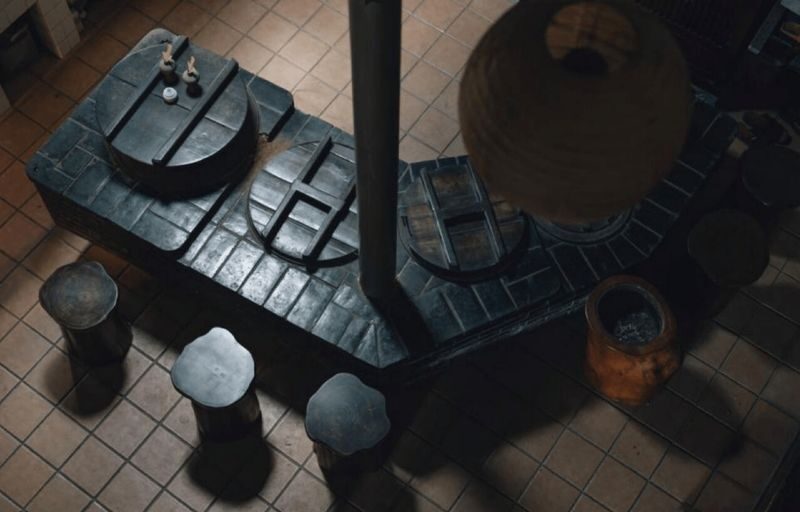
The morning’s main course begins in the fields: you can harvest seasonal produce such as cucumbers or basil, or help with seeding and weeding. Before breakfast, you’ll visit the Chino family farmhouse, where open-beam ceilings, smoke vents, and a wood-fired hearth offer a glimpse of traditional farm life in Yamashina.
I like two things in particular: the work is hands-on but beginner-friendly, and breakfast uses vegetables harvested on the farm, with rice grown there too. The meal is described as filling, so arrive hungry rather than treating it as a small tasting.
One consideration: this is a short, early outing, and transport to the meeting point is not included. The schedule starts at 8:30 AM, with a requested arrival by 8:20, so plan your Kyoto morning around getting to Yamashina on time.
- See inside the Chino family farmhouse: Tour a Kyoto City Cultural Landscape, with traditional features including open-beam ceilings and a wood-fired hearth.
- Get your hands into the farm work: Harvest seasonal vegetables or help with seeding or weeding, with no experience required.
- Eat what the farm grows: Breakfast includes freshly harvested vegetables and rice grown on-site.
- Take home a small farm souvenir: You may receive a small bundle of your harvest or a seasonal gift.
- Keep the timing in mind: The activity begins at 8:30 AM and returns around 10:00 AM; the meeting point is a short walk from the farm.
- A farmhouse visit with a practical purpose
- From the farmhouse to the fields
- Breakfast is part of the experience, not an afterthought
- What the early schedule means for your Kyoto day
- Who will get the most from this farm morning
- Is the Yamashina farm experience worth booking?
- FAQ
- How long does the experience last?
- Where is the meeting point?
- What time should I arrive?
- Is transport included?
- What will I do in the fields?
- What food is included?
- Who can take part?
- The Best Of Kyoto!
- More Farms in Kyoto
- More Tours in Kyoto
- More Tour Reviews in Kyoto
- Not for you? Here's more nearby things to do in Kyoto we have reviewed
A farmhouse visit with a practical purpose
 1 / 6
 2 / 6
 3 / 6
 4 / 6
 5 / 6
 6 / 6
Yamashina is part of Kyoto, but this outing takes you away from the city’s temple-and-shopping routine and into a rural setting with a long connection to farming. The area was once known as a crossroads, and its fertile soil and pure water helped support agriculture. Here, that background is not just a passing introduction. You see a historic family home, work in the fields, and eat produce grown on the farm.
The farmhouse belongs to the Chino family and is recognized as a Kyoto City Cultural Landscape. Your guided tour includes a look at its open-beam ceilings, smoke vents, and wood-fired hearth, along with an introduction to the home’s history and farming tools. These details help explain how a working household was built around farm life, rather than simply presenting an old building as a photo stop.
This is a compact cultural visit, not a long museum tour. If you’re hoping for an in-depth architectural study, the one-hour summary attached to the activity may sound more like your pace than the actual schedule. The detailed timing runs from an 8:30 AM start to a 10:00 AM return, so allow about 90 minutes for the outing, including the farmhouse, field activity, and breakfast.

👉 See our pick of the 25 Best Workshops And Classes In Kyoto
From the farmhouse to the fields
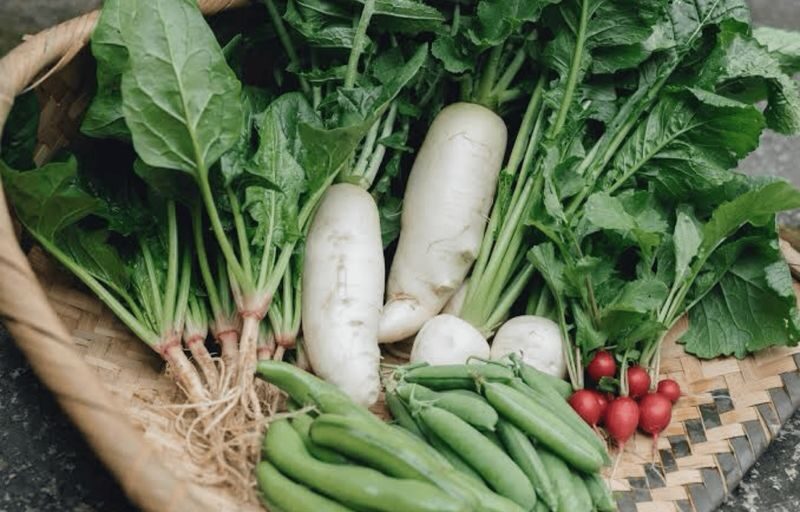
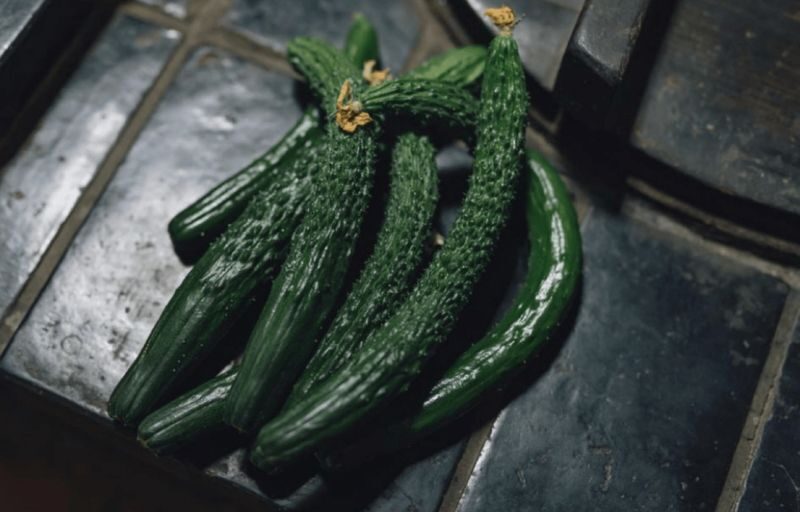
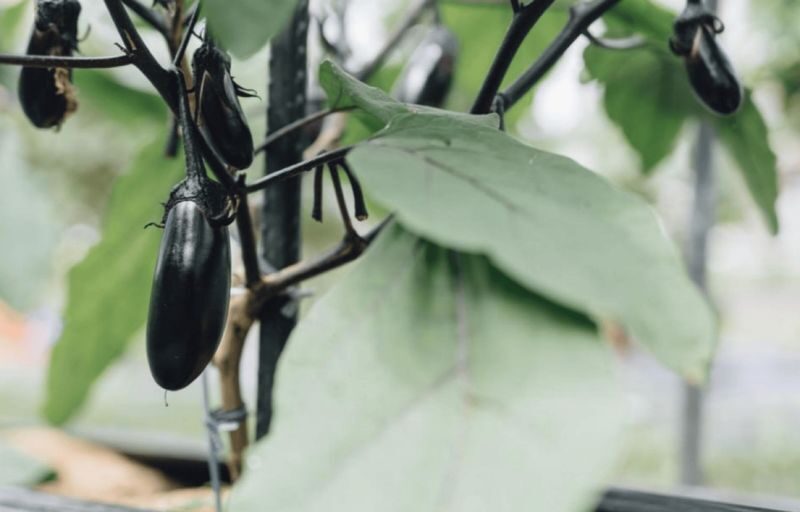
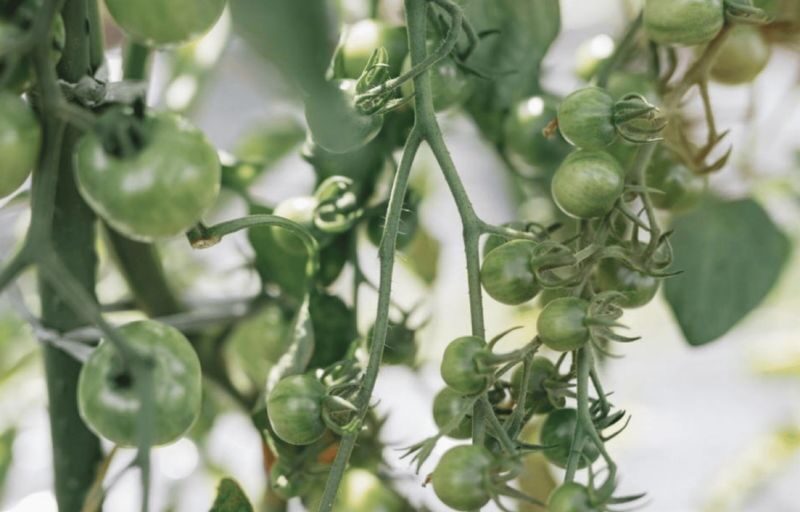
After the house tour, you head to the family-owned fields for a simple farming task. Depending on what is happening on the farm, you may harvest seasonal vegetables such as cucumbers or basil, or help with seeding or weeding. The activity does not require previous experience, which makes it a good fit if you’re curious about farm work but have never tried it.
The task is seasonal and practical, not a staged demonstration with a guaranteed crop list. That has a useful upside: you take part in the work that suits the farm at that time. The trade-off is that you should not book expecting to pick a particular vegetable. Cucumbers and basil are examples, not a promise of what will be ready on your date.
You’ll be outdoors, and the fields are part of the appeal. They also mean you should prepare for sun and the possibility of getting dirty. Wear comfortable clothes you don’t mind soiling, and bring a hat or cap, sunscreen, a towel, and a water bottle. A change of clothes is not listed as required, but choosing practical clothing over a favorite outfit is sensible.
After the field activity, there is a short break. You may receive a small bundle of what you harvested or a seasonal gift to take home. The wording matters: the souvenir is a possibility, not a guaranteed bundle of specific vegetables. Think of it as a modest memento of the work, not a produce haul.
You can also read our reviews of more tours and experiences in Kyoto


Breakfast is part of the experience, not an afterthought
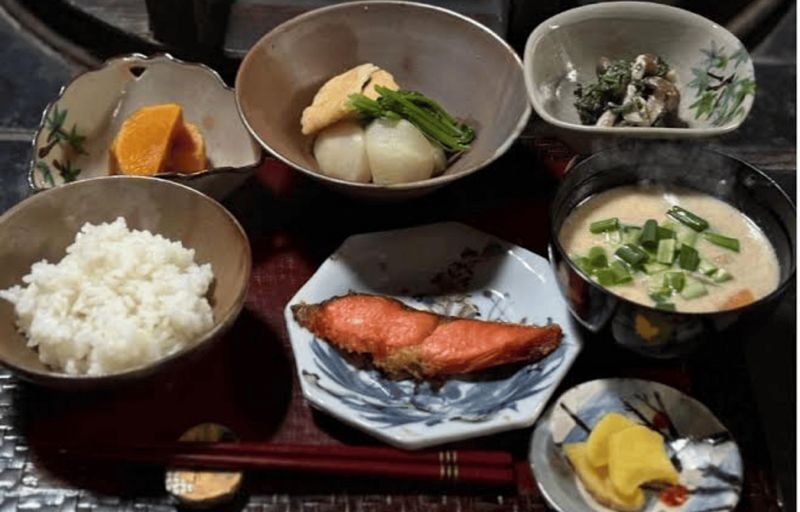
The final stop is breakfast, prepared with farm-fresh vegetables and rice grown on-site. The meal includes simmered dishes in savory broth, with tea or coffee. That menu is a good match for the morning’s activity: rather than just looking at the growing food, you get to taste it in a simple meal.
The breakfast is one of the strongest reasons to choose this outing over a short farmhouse visit alone. A diner described the garden as beautiful and the meal as carefully prepared and filling. For you, that suggests a meal with real substance, not a token bite served to round out an activity. Still, the exact vegetables and dishes will depend on the season, so don’t count on a fixed menu.
I’d make breakfast part of your value calculation. At a starting price of US$87.05, this is not the cheapest way to get a morning meal in Kyoto. You’re paying for a guided farmhouse visit, hands-on farm work, and breakfast made with produce from the property. If those pieces matter to you, the price buys a more personal rural outing than a standard café breakfast. If you mainly want a meal, it is an expensive way to eat.
What the early schedule means for your Kyoto day
The meeting point is Yamashina Hongan-ji Temple Ruins Park, at 28-2 Nishinosan Kaicho, Yamashina Ward, Kyoto. The farm is a short walk from the meeting point. The activity starts at 8:30 AM, but you should arrive by 8:20 AM. The stated return time is 10:00 AM, leaving most of the day open for other plans.
Transport is not included, so you need to arrange your own way to the meeting point. Do that planning before booking, especially if you’re staying elsewhere in Kyoto. Late arrivals and no-shows are not refundable, so a tight morning connection is a poor gamble. The schedule may also change because of traffic or weather.
The guide speaks English or Chinese, which makes this a practical option if you want context during the house tour and instructions in the fields. No individual guide name is provided. The group size is also not specified, so don’t assume this is a private visit or a small-group tour.
Who will get the most from this farm morning
This outing suits you if you want a short, active break from Kyoto’s major sights and enjoy learning through doing. It is especially appealing if you’re interested in Japanese farm life, seasonal food, or traditional homes, and if you like the idea of eating a meal connected to the place where you’ve just worked.
It can also work well for beginners. The field activity is described as safe for people with no prior experience, and the tasks are straightforward. Participants must be at least 12 years old, so it is not an option for younger children. The activity is not recommended for pregnant women and is not wheelchair-accessible.
The setting asks for a little flexibility. Weather and season affect the work, and you may be seeding or weeding rather than harvesting. If you want a guaranteed crop, a particular dish, or a polished indoor workshop, this may not be the right fit. If you’re happy to join in with whatever the farm needs that morning, the experience offers a more grounded look at rural life.
Is the Yamashina farm experience worth booking?
Book it if a farmhouse tour, a little field work, and a substantial farm breakfast sound like a better morning than another stop in central Kyoto. The combination is its strength: you see the home, help in the fields, and eat ingredients tied to the farm. The single available rating is positive, but there is not enough feedback to treat it as a broad measure of consistency.
Skip it if you’re mainly shopping for a low-cost breakfast, need transport included, or can’t make an early start. At US$87.05, value depends on wanting all three parts of the outing, not just the food. For the right person, it is a thoughtful, compact way to see a quieter side of Kyoto and leave with a taste of what the farm grows.




Kyoto: Yamashina Farm & Vegetables Harvest Experience with Breakfast
“This experience was awesome. It was hands down our favorite experience. The care taken in preparing the meals ensures you will absolutely be full,…”
FAQ
How long does the experience last?
The detailed schedule runs from an 8:30 AM start to a 10:00 AM return, or about 90 minutes. The activity summary also gives a one-hour duration, so allow for the longer schedule when planning your morning.
Where is the meeting point?
Meet at Yamashina Hongan-ji Temple Ruins Park, 28-2 Nishinosan Kaicho, Yamashina Ward, Kyoto, 607-8346. The farm is a short walk from the meeting point.
What time should I arrive?
The activity starts at 8:30 AM. Arrive by 8:20 AM, as late arrivals and no-shows are not refundable.
Is transport included?
No. Transport and personal expenses are not included.
What will I do in the fields?
You may harvest seasonal vegetables such as cucumbers or basil, or help with seeding or weeding. No prior farming experience is needed.
What food is included?
Breakfast is included. It features farm-fresh vegetables and rice grown on-site, with simmered dishes in savory broth and tea or coffee.
Who can take part?
Participants must be aged 12 or older. The activity is not recommended for pregnant women and is not wheelchair-accessible.