Kyoto’s tea ceremony can be quiet, intricate, and hard to decode if you are new to it. This short session makes a more approachable introduction: you learn to prepare matcha, taste it with a traditional sweet, and get a glimpse of the customs behind the bowl. I like the use of Uji matcha and Kiyomizu-yaki tea bowls, which give the experience a local connection beyond the ritual itself.
I also like that the session takes only 20 to 30 minutes and is guided in English, so it can fit into a sightseeing day without taking it over. The main caveat is that this is a compact introduction, not a long, formal study of tea ceremony; and if you add a kimono, the rental is a separate package choice, not part of the basic tea ticket.
Key points
- Taste Uji matcha with a traditional Kyoto sweet, served together during the session.
- Learn the basics in English from a guide who explains matcha preparation and ceremony customs.
- Choose a kimono package if you want to dress for the experience; the tea-only option does not include a rental.
- Walk to Kiyomizu-dera in about five minutes, making this easy to pair with a visit to the temple area.
- Take photos and video during the session, and enjoy the indoor activity even if it rains.
- Allow time to find the correct shop, and check the venue details before setting out.
👉 See our pick of the 25 Best Workshops And Classes In Kyoto
- Key points
- A short introduction to Kyoto tea culture
- Matcha, sweets, and the tea bowl
- A kimono changes the outing
- Pair it with Kiyomizu-dera
- What the short format does well, and what it does not
- Is the price good value?
- Practical details before you book
- Should you book the TIA tea ceremony?
- FAQ
- How long does the tea ceremony experience last?
- Where is the meeting point?
- Is kimono rental included in the tea ceremony ticket?
- Which kimono package allows an outdoor stroll?
- Is hairstyling included with every kimono package?
- Is the experience guided in English?
- Can I take photos during the activity?
- What is the child price?
- The Best Of Kyoto!
- More Tours in Kyoto
- More Tour Reviews in Kyoto
- Not for you? Here's more nearby things to do in Kyoto we have reviewed
A short introduction to Kyoto tea culture
 1 / 8
 2 / 8
 3 / 8
 4 / 8
 5 / 8
 6 / 8
 7 / 8
 8 / 8
This experience is designed to make tea ceremony understandable and enjoyable, rather than to test your knowledge of formal etiquette. That is a useful distinction. If you have never handled matcha or seen its preparation, a guided session gives you the basic context without requiring a large block of your day.
The activity is held at Kyoto Tea Ceremony & Matcha Making TIA Kiyomizu Chawanzaka Shop, at 6-583-55 Gojobashihigashi, Higashiyama-ku, Kyoto. It is described as a five-minute walk from Kiyomizu-dera, so you can place it alongside a temple visit and the surrounding area. Check your voucher and the shop’s current directions before leaving: some visitors have had trouble finding the venue, and one booking encountered a branch closure with a sign directing people to another shop.
The session lasts about 20 to 30 minutes. That short format is its great strength for a packed itinerary, but also its limit. You get the essence of matcha preparation and a taste of tea ceremony customs, not an extended lesson in the history and many details of the practice.
You can also read our reviews of more tours and experiences in Kyoto.

Matcha, sweets, and the tea bowl
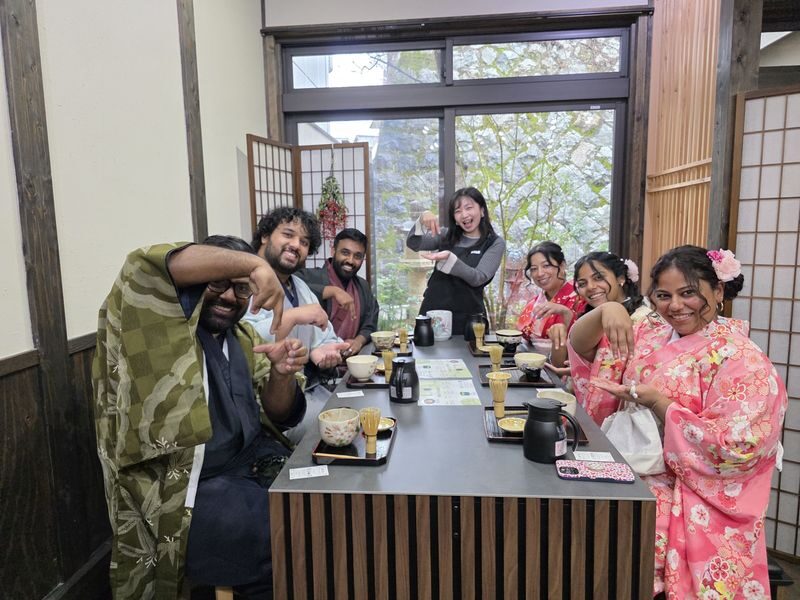
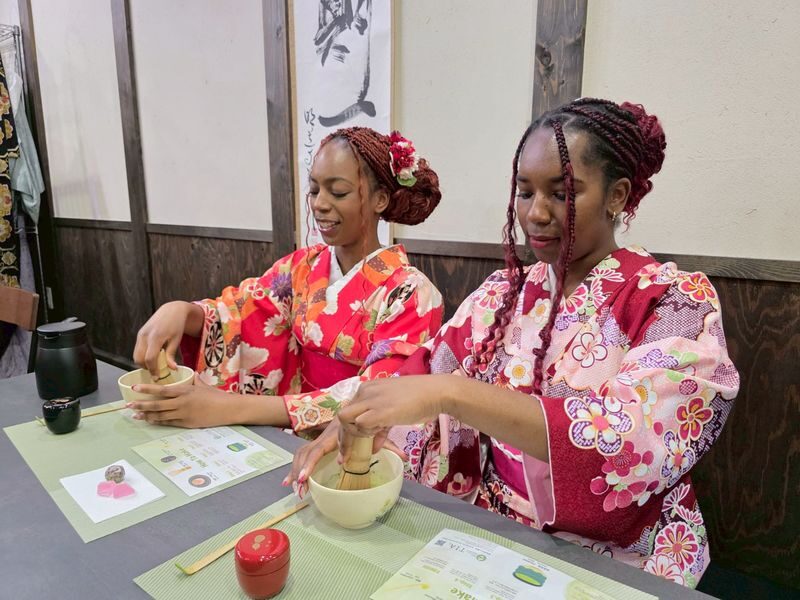
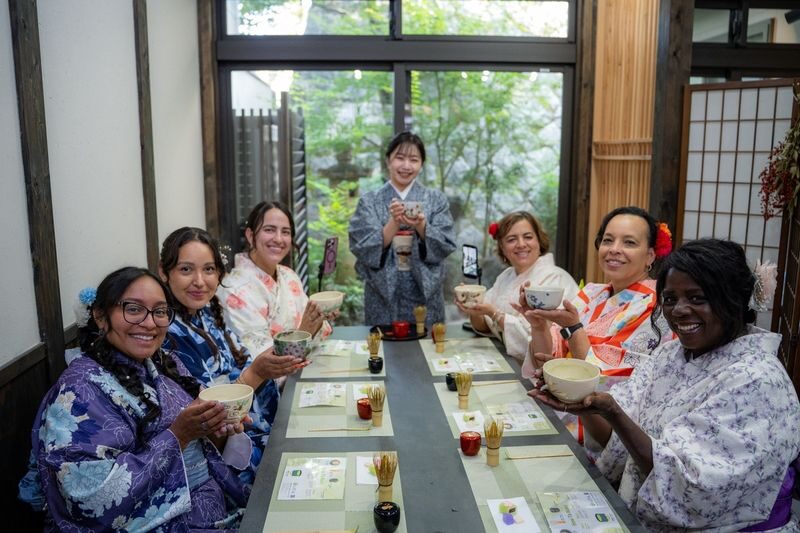
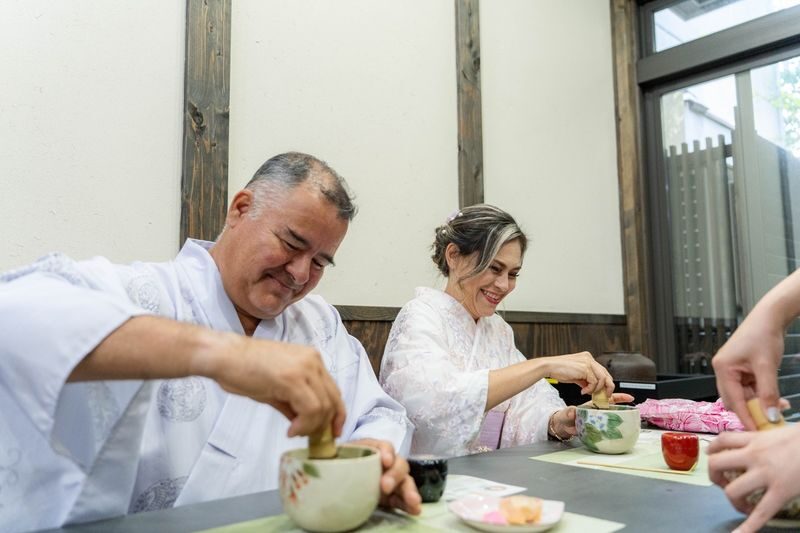
The central activity is learning about matcha and how to prepare it. An English-speaking staff member guides you through the process and explains the customs in accessible terms. Past instructors named by participants include Rina, Lilisa, Irma, Lillia, and Asada. Staff and instructors can vary, so treat those names as examples rather than a promise about who will lead your session.
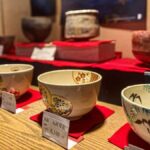
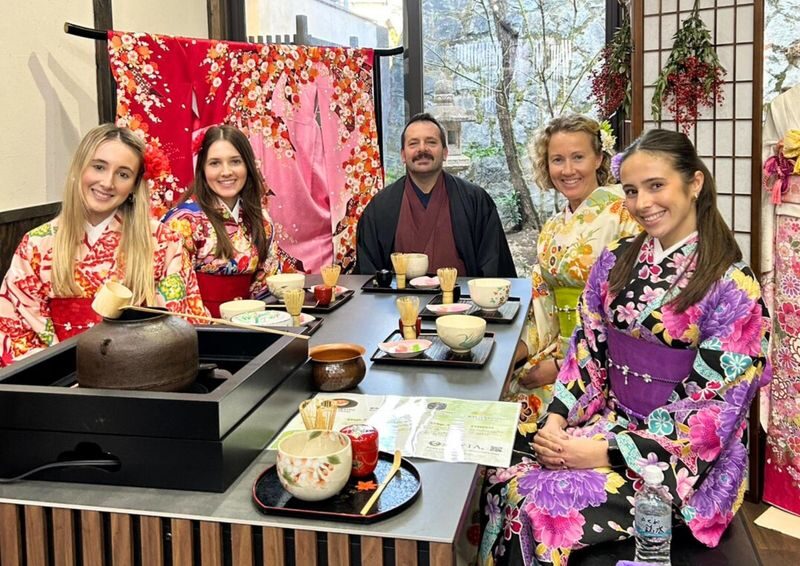
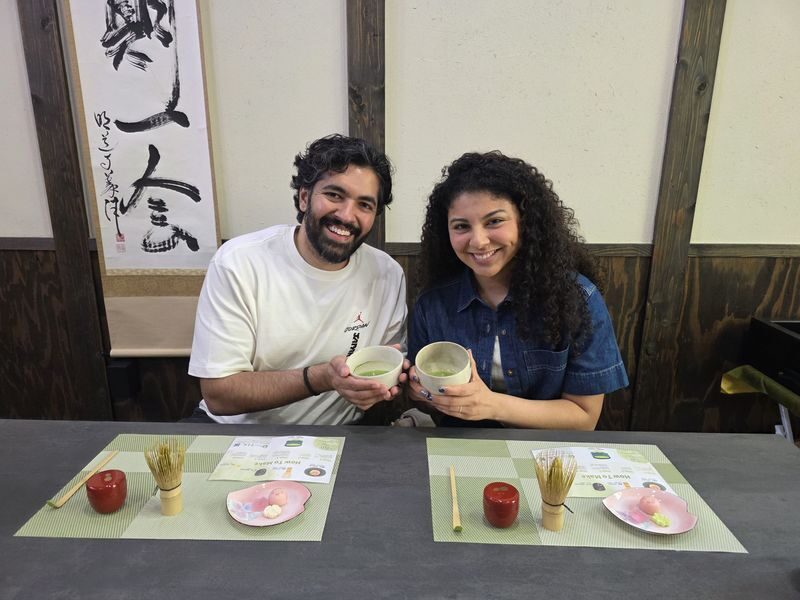
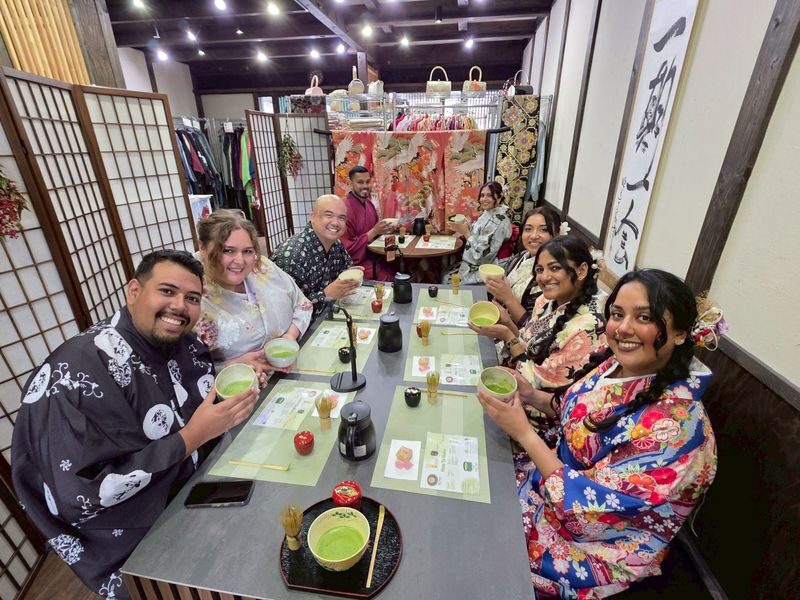
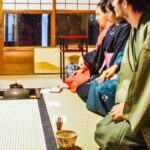
You also taste premium local Uji matcha with a Japanese sweet. The pairing is a small but meaningful part of the experience: matcha can be intense on its own, while the sweet offers a counterpoint and gives you a chance to understand how the two are enjoyed together. Kiyomizu-yaki tea bowls add another local touch. You are not simply watching someone make tea; you get a brief look at the objects and ingredients that shape the experience.
The activity welcomes photos and videos. That can be a plus if you want a record of making matcha or sharing the moment with family and friends. It also signals the relaxed tone: this is a visitor-friendly introduction, not a strict, no-camera ceremony. If your priority is quiet contemplation or a detailed lesson in formal procedure, the short, photo-friendly format may feel too casual.
A kimono changes the outing
The tea-only experience and the kimono packages are separate choices. The basic ticket does not include kimono rental. If you want to wear one, select the package that matches how you plan to spend the rest of your day.
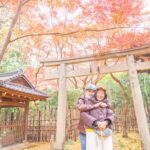
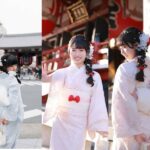
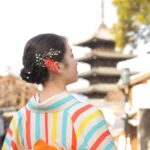
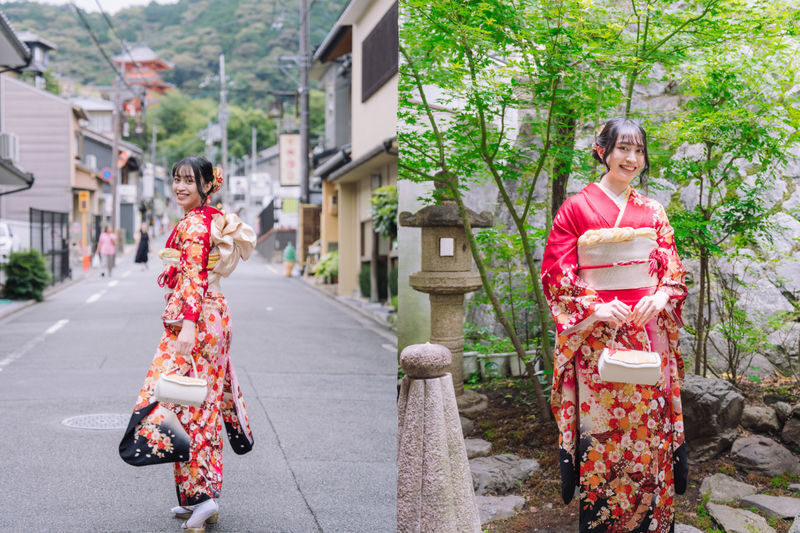
The indoor-only kimono package includes no hairstyling. It suits you if you mainly want to dress up for the ceremony and take photos indoors. The outdoor-stroll package allows you to wear the kimono outside and includes hairstyling for women. Participants have used this option to walk around the nearby temple area and take pictures. The rental shop is next door, which makes the change into traditional dress a straightforward part of the visit rather than a separate trip across town.
The kimono selection is described as available for both men and women, with a range of designs and accessories. Women’s hairstyling is a feature of the outdoor package; don’t assume it is included with every option. The listed indoor package specifically excludes hairstyling, and the outdoor option specifies women’s hairstyling.
A kimono also changes the pace of your day. You may want time for pictures and a stroll after the ceremony, rather than treating the tea session as a quick stop on the way to somewhere else. If you want to wear the outfit outside, choose the package that permits an outdoor stroll. The indoor-only option is not the right pick for a walk to the temple in your rental.
Pair it with Kiyomizu-dera
The location makes this activity especially practical if Kiyomizu-dera is already on your plan. The temple is about a five-minute walk away, so you can schedule the ceremony before or after your visit without adding a long cross-city journey. For the outdoor kimono option, the nearby temple district also gives you a natural place to take photos in traditional dress.
Do not confuse the short walk with a guarantee that the shop will be effortless to find. A few people have struggled with navigation, and one visitor found that Apple Maps led them to the wrong spot. Google Maps was specifically recommended as a better tool, but you should still check the address and branch information shown on your voucher before you go. One reported closure led customers to a different shop about a ten-minute walk away, so arrive with a little time to spare and verify the exact meeting point.
The venue is indoors, which is useful on a rainy day. You can still take part in the tea session even if the weather rules out a comfortable stroll in kimono. If you have chosen the outdoor rental package, keep your plans flexible in case the weather changes.
What the short format does well, and what it does not
The best fit for this session is a first-time visitor who wants a clear introduction without committing to a longer class. English guidance helps you follow the explanation, and the 20 to 30 minute length leaves room for other Kyoto sights. The experience is also well suited to couples, friends, and families looking for a shared activity that has a practical, hands-on element.
Children can join, and children aged six and older are charged the same rate as adults. Infants and children must be included in the passenger count when booking. One family with a nine-year-old found the experience enjoyable for their child, but the available details do not set out a separate children’s program.
There is a trade-off between accessibility and depth. TIA’s approach is deliberately welcoming and not overly formal. That helps you relax and ask questions, but it may not satisfy someone seeking an in-depth or highly traditional ceremony. One participant felt the setting was not very authentic, while others valued the cultural explanation and the chance to make matcha themselves. A fair way to think about it is as a friendly, brief introduction to tea culture, rather than a substitute for a longer formal lesson.

Is the price good value?
The listed starting price is $22.10, for the tea ceremony experience. At that price, you are paying for a guided session, matcha, a Japanese sweet, and an introduction to preparation and etiquette. The compact duration makes it a relatively easy activity to fit into a day, though you should compare the final price of each package before booking.
Kimono rental is not included in the basic tea experience, so don’t compare that starting price with a package that includes dressing and hairstyling. The add-on is likely to make more sense if wearing a kimono is a major reason for booking, or if you want to continue outdoors for photos. If you only want to learn about matcha, the tea-only option keeps the outing simpler and less costly.
The value is strongest when you care about both the activity and its setting: a guided introduction, local tea and sweets, and a convenient position near Kiyomizu-dera. It is less compelling if you expect a long class, extensive cultural history, or a full-day experience. The format is short by design.
Practical details before you book
The session runs on a fixed schedule, so plan to arrive on time. Late arrivals may need to reschedule or may not be accommodated. Allow extra time for the walk and confirm the exact location in advance, especially if you are using a map app or heading to the shop directly from another attraction.
The voucher is valid only on the date, and time if applicable, shown on your booking, and it can be used to enter the venue directly. Booking changes are generally allowed until 24 hours before the activity starts, with exceptions for some pass, presale, promotional, or voucher situations. A full refund is available if you cancel at least 24 hours before the activity date, based on local time.
The activity is offered with English, Chinese, and Japanese-speaking guide or staff support. The session is indoors, and photos and videos are welcome. Those details make it especially convenient for international visitors who want a cultural activity but do not want to navigate a long lesson in Japanese.
Should you book the TIA tea ceremony?
Book it if you want a short, welcoming first look at matcha, especially if you are already visiting Kiyomizu-dera. The English guidance, local tea and sweets, and optional kimono make it easy to tailor the visit to your day. Choose the outdoor package if you want to walk around in kimono and have women’s hairstyling included.
Skip it if you are looking for a lengthy, highly formal ceremony or detailed study of tea culture. And before you leave, double-check the venue and give yourself a buffer for finding it. With those expectations in place, this is a practical way to add a hands-on cultural stop to a Kyoto itinerary.
Kyoto Tea Ceremony & Matcha Making TIA KiyomizuChawanzakaShop
“started off a bit stressful as the location/shop given was closed on the day and we had no communication from either Klook or the shop about this b…”
FAQ
How long does the tea ceremony experience last?
The session lasts about 20 to 30 minutes.
Where is the meeting point?
Meet at Kyoto Tea Ceremony & Matcha Making TIA Kiyomizu Chawanzaka Shop, at 6-583-55 Gojobashihigashi, Higashiyama-ku, Kyoto 605-0846, Japan. Confirm the precise branch and directions before setting out.
Is kimono rental included in the tea ceremony ticket?
No. The Tea Ceremony Experience option does not include kimono rental. You need to select one of the packages that includes a rental if you want to wear a kimono.
Which kimono package allows an outdoor stroll?
The Tea Ceremony Experience plus Kimono Rental package marked Outdoor Stroll OK allows you to go outside. It includes women’s hairstyling.
Is hairstyling included with every kimono package?
No. The indoor-only kimono package does not include hairstyling. The outdoor-stroll package includes hairstyling for women.
Is the experience guided in English?
Yes. English-speaking staff guide the session. Chinese- and Japanese-speaking guide or staff support is also listed.
Can I take photos during the activity?
Yes. Photos and videos are welcome during the experience.
What is the child price?
Children aged six and older are charged the same rate as adults. Infants and children must be included in the passenger headcount.