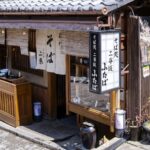
You can learn the basic rhythm of a Japanese tea ceremony in half an hour, then whisk your own matcha and enjoy it with a Kyoto sweet. I like two things here: the English guidance makes the ritual approachable for first-timers, and the use of Uji matcha with Kiyomizu-yaki tea bowls gives the short session a local touch.
One thing to plan around: the ceremony follows a fixed schedule, so arriving late could mean rescheduling or missing the session. Also, the activity name and address point to Arashiyama, while some of the description refers to Kiyomizu. Confirm the map location before you set out.
- What to know before you book
- A small ceremony with room to take part
- Uji matcha, a Kyoto sweet, and a Kiyomizu-yaki bowl
- How the 30 minutes work
- The guide makes the difference for beginners
- Pairing the ceremony with kimono rental
- Finding the Arashiyama meeting point
- Who will get the most from this experience
- Should you book it?
- FAQ
- How long does the tea ceremony take?
- Is the session suitable for first-timers?
- What is included in the tea ceremony?
- What kind of tea and bowl are used?
- Can I take photos or videos?
- Is kimono rental included in the basic price?
- Where is the meeting point?
- Do children need to be included in the booking headcount?
- Can I cancel or change my booking?
- The Best Of Kyoto!
- More Tours in Kyoto
- More Tour Reviews in Kyoto
- Not for you? Here's more nearby things to do in Kyoto we have reviewed
What to know before you book
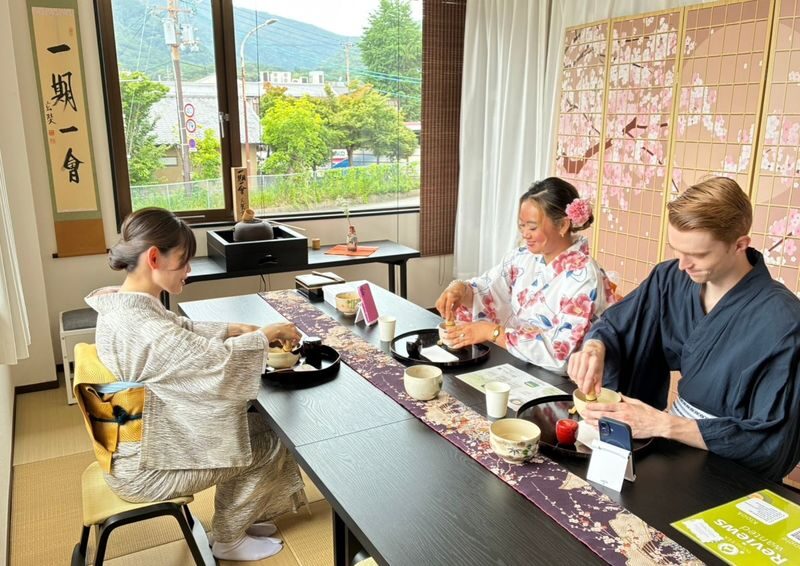
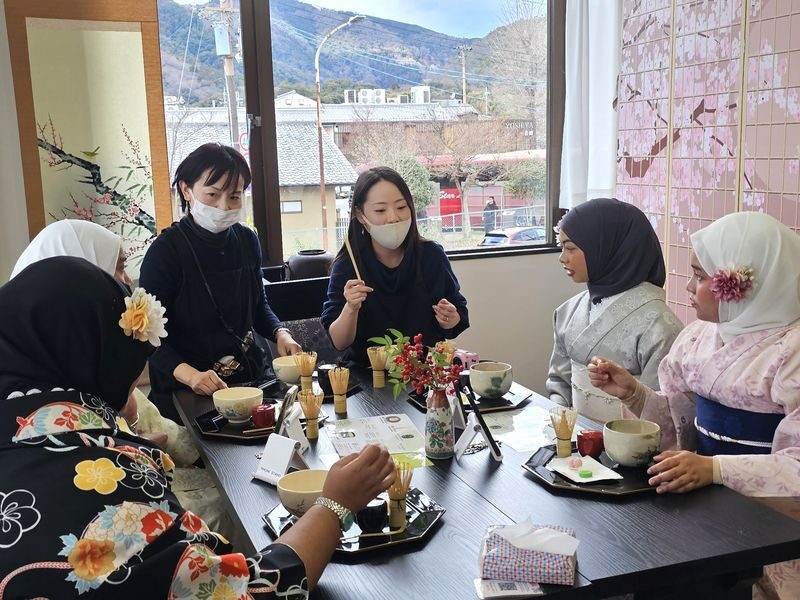
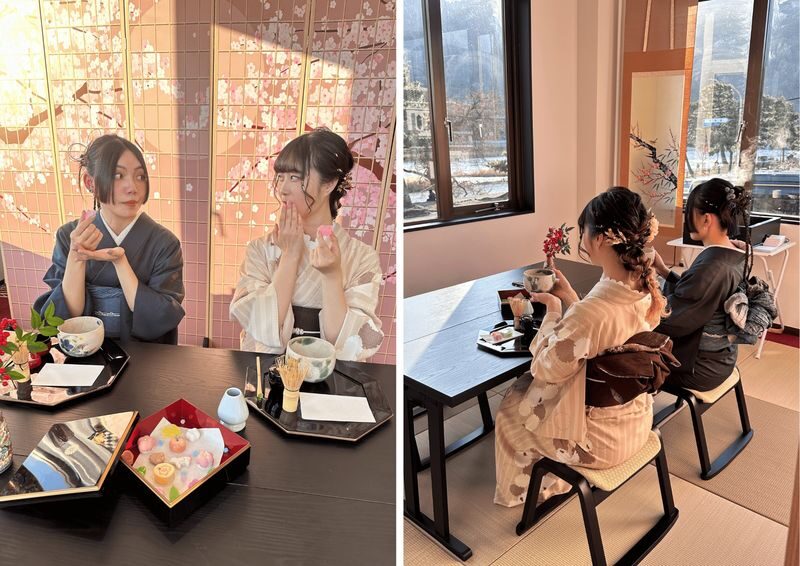
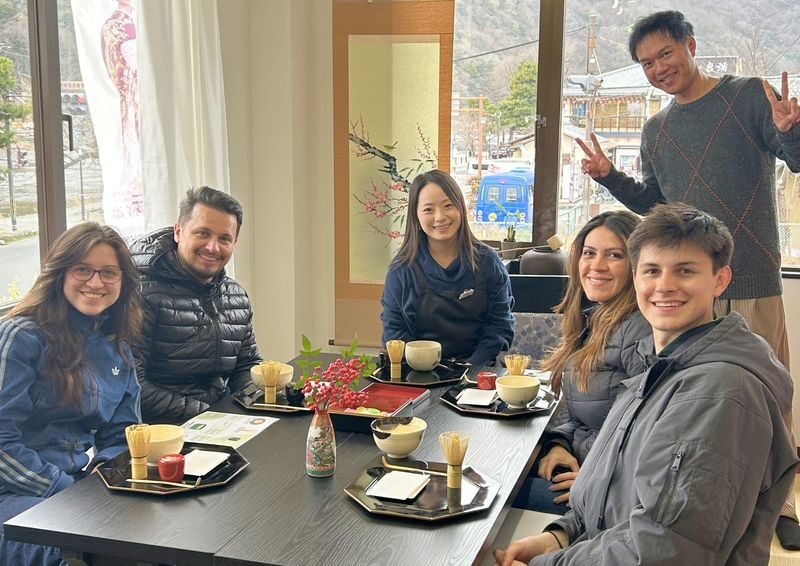
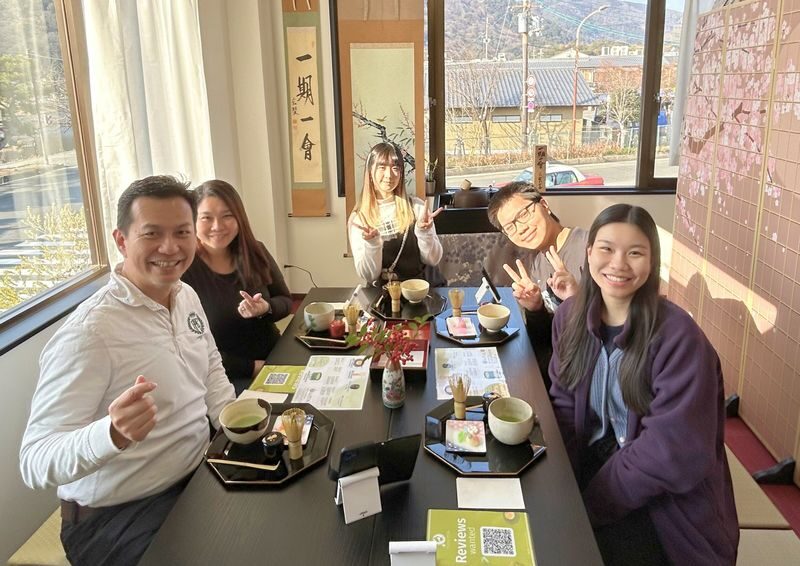
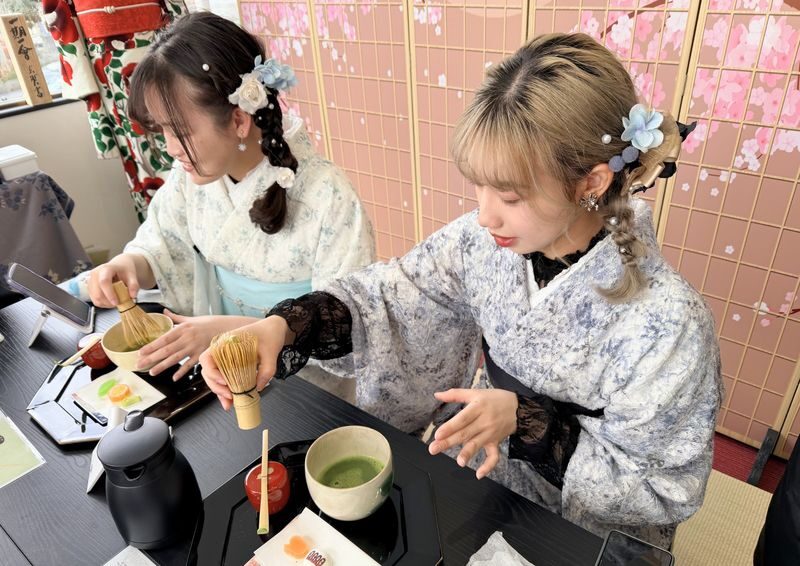
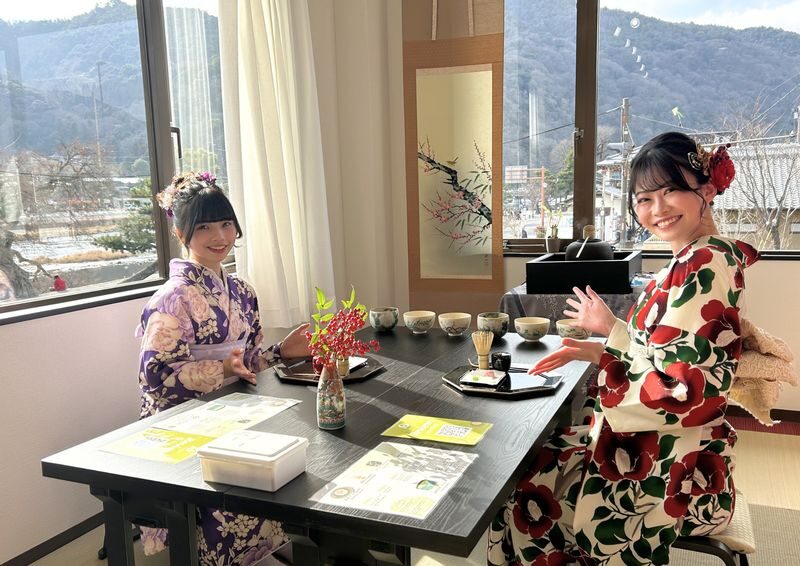
- A short introduction to tea culture: The ceremony takes about 30 minutes, making it easy to fit between other Kyoto plans.
- You make the matcha yourself: An English-speaking guide explains basic etiquette and shows you how to whisk the tea.
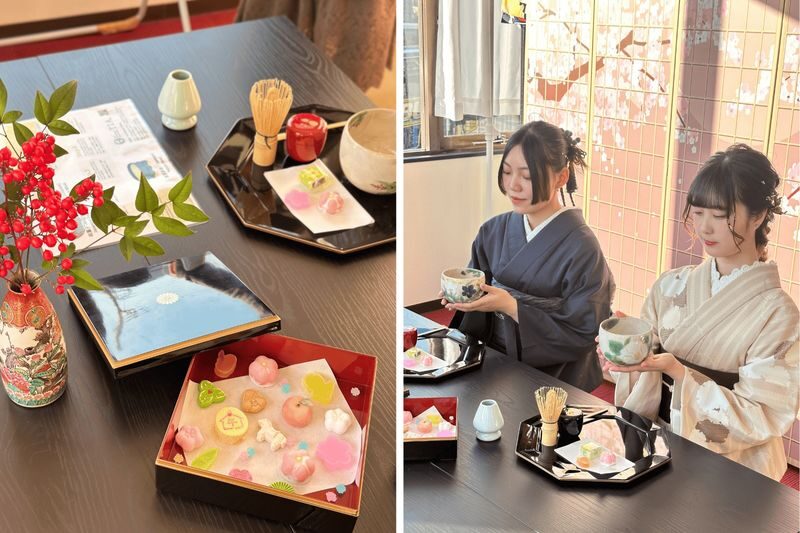
- Local details matter: The session uses Uji matcha, Kiyomizu-yaki bowls, and a Kyoto sweet.
- Photos and videos are welcome: Bring your camera or phone if you want to keep a record of the experience.
- Kimono rental is optional: You can book a ceremony alone or choose a package that includes a kimono.
- The stated meeting point is in Arashiyama: Check the address and map pin carefully, especially if you are planning your day around Kiyomizu.

👉 See our pick of the 25 Best Workshops And Classes In Kyoto
A small ceremony with room to take part
This is a compact, hands-on introduction, not a long formal tea gathering. The guide explains the basic etiquette, then walks you through preparing matcha yourself. If you have never handled a tea whisk, that simple act is a useful way to understand the care behind the cup.
The phrase Otemae Itadakimasu is described as a small etiquette cue in tea culture, sometimes treated as a kind of magic word. You do not need prior knowledge to join in. The point is to learn a few customs, see how the steps fit together, and enjoy the tea and sweet without feeling you must already know the rules.
The 30-minute length is a real advantage if your Kyoto schedule is full. It gives you a taste of the ceremony without asking you to set aside half a day. The trade-off is just as plain: this is an introduction, not an in-depth lesson in tea history or a lengthy formal ceremony. If you want a slower, more traditional format, compare the session details with other options before booking.
The format also suits people who prefer doing something to simply watching. You are not only looking at a tea bowl and listening to an explanation. You get to whisk the matcha, ask questions, and drink what you have made.
You can also read our reviews of more tours and experiences in Kyoto.


Uji matcha, a Kyoto sweet, and a Kiyomizu-yaki bowl
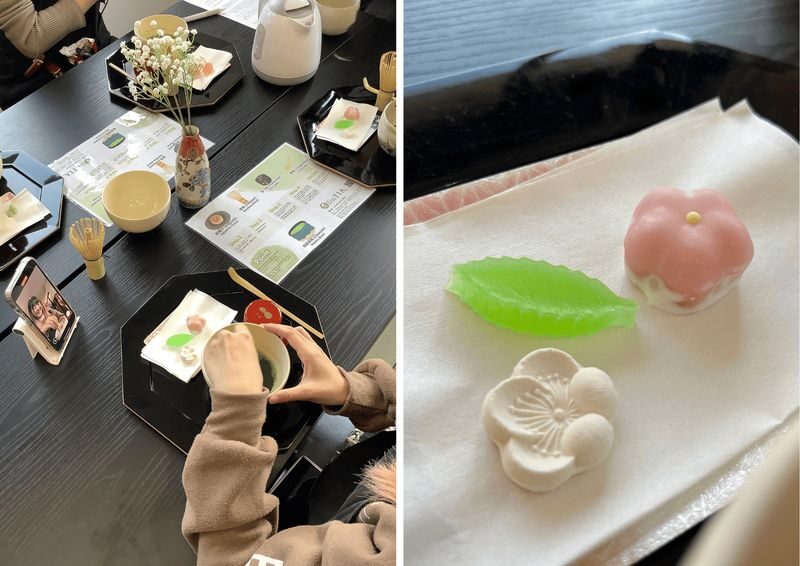
The ingredients and serving pieces give the experience its sense of place. Uji, near Kyoto, is closely associated with Japanese tea, and the session uses Uji matcha rather than treating the green powder as a generic souvenir drink. A Kyoto sweet is served with the tea, adding the familiar pairing of matcha’s grassy bitterness and a sweet bite.
The tea is served in Kiyomizu-yaki, a style of Kyoto pottery. The bowl is not just a prop for a photo. It is part of the practical experience: you hold it, prepare to drink from it, and learn that the vessel is one element of the ceremony’s manners and presentation.
Do not expect a full meal. The included food is a Japanese sweet enjoyed on site, and outside food and drinks are not allowed. If you have dietary needs, the information provided does not specify the sweet’s ingredients, so ask the operator before booking rather than assuming it will suit you.
How the 30 minutes work
The experience begins at the Aiwafuku Arashiyama Togetukyou shop, where an English-speaking staff member leads the session. The emphasis is on clear instruction for beginners: expect an explanation of basic etiquette and guidance through the matcha-making steps. The structure is short enough to be easy to follow, with time to take part rather than merely watch.
Next comes the hands-on part: whisking your own matcha. The instructor demonstrates the process and helps you understand what to do. You do not need to arrive knowing the technique. The lesson is designed for first-timers, and the short format lets you focus on the essential motions instead of trying to memorize a long list of rules.
You then enjoy the tea with a Japanese sweet. This is a good moment to slow down and notice the contrast between the matcha and the sweet, as well as the bowl you are holding. The ceremony is friendly and casual in presentation, but it still introduces a few of the customs that give tea preparation its distinctive shape.
Photos and videos are welcome during the experience. That makes it easier to keep a memory of your matcha-making, though it is sensible to follow the staff’s lead about when to pause for pictures so the explanation and other participants are not interrupted.
The guide makes the difference for beginners
The most useful part of a short cultural activity is often the person explaining it. Here, the session is led in English, and the teaching is intended to be clear and welcoming to people with no previous experience. You can ask questions as you go, which helps turn the steps into something you understand rather than a sequence of gestures to copy.
The teaching style appears warm and relaxed, with a little humor in the room. That matters if formal etiquette makes you nervous. You are there to learn, not to pass an exam in tea manners. The guide’s job is to help you understand enough to take part with confidence.
The kimono staff also receive strong praise for being helpful with clothing choices and dressing. That support is part of the rental package rather than the tea session alone, so keep the distinction in mind when comparing prices. If your main goal is learning to make matcha, the base ceremony package covers that. If dressing in kimono is part of the day you have in mind, the combined options add that element.
Pairing the ceremony with kimono rental
The basic tea ceremony starts at US$22.09. A package with indoor-only kimono rental and no hairstyling starts at US$33.65. The outdoor-stroll package, which includes women’s hairstyling, starts at US$50.45. Kimono rental is not included in the base ceremony price.
The cheapest option is the clearest choice if you want the tea lesson and a local sweet without adding another activity. The indoor kimono package may suit you if you want photographs in traditional dress but do not need to wear the kimono outside. The outdoor-stroll package costs more, but it includes women’s hairstyling and allows you to go outdoors in the kimono.
The value depends on what you want from the hour around the ceremony. If dressing up is a priority, bundling the activities can make the visit feel more complete. If it is not, you are better off keeping the booking simple. Check each package’s details carefully: hairstyling is specified for the outdoor option for women, while the indoor option says no hairstyling.
There is no need to dress up to take part in the tea ceremony. The activity is offered on its own, and the kimono rental is an optional extra. That flexibility is useful if you are traveling with someone who wants the tea experience but not the clothing rental, or if you would rather spend your time and money elsewhere.




Finding the Arashiyama meeting point
The stated meeting point is Kyoto Kimono Rental Aiwafuku Arashiyama Togetukyou Shop, at 31-7 Tsukurimichicho, Sagatenryuji, Ukyo-ku, Kyoto 616-8384, Japan, Shinary Arashiyama 2F. The shop is described as convenient to Togetsukyo Bridge, a familiar landmark in Arashiyama.
There is a location wrinkle worth sorting out before travel. The experience is branded as the TIA Arashiyama shop and the meeting address is in Arashiyama, but the description also mentions Kiyomizu. Those are different Kyoto areas. Treat the stated Arashiyama address and meeting point as your starting reference, then confirm the exact map pin and allow enough time to get there.
The ceremony runs on a fixed schedule. Arrive on time, rather than planning to slip in late after another stop. Late arrivals may have to reschedule or may not be accommodated. The voucher is valid only on the specified date and, where applicable, the specified time.
Who will get the most from this experience
I would consider this a good fit if you want a small, participatory cultural activity that does not take over your day. It is especially suitable for first-timers, since the English guide covers the basic steps and you make the tea yourself. The short duration also works well for families planning several activities, although infants and children must be included in the passenger headcount.
It is also a sensible choice if you are already visiting Arashiyama and want an activity near the Togetsukyo Bridge area. The tea session can be booked on its own, or paired with kimono rental if you want the ceremony to be part of a dress-up outing. Photos and videos are permitted, which is handy if you want to remember the details of the process.
You may want another option if you are seeking a long, formal ceremony, an extensive tea lesson, or a meal. None of those is promised here. This is a friendly, efficient introduction: make matcha, learn a little etiquette, have a sweet, and move on with a better sense of what the ritual involves.
Should you book it?
Book this if you want an affordable, beginner-friendly way to make matcha with English instruction and a few thoughtful Kyoto touches. The base price is modest for a guided, hands-on activity with tea and a sweet included, and kimono rental is there if you want to build a larger outing around it.
Skip it if you want a lengthy ceremony or need a highly detailed lesson in tea culture. Most important, verify the Arashiyama meeting point and arrive on time. With those points settled, this is a practical little cultural stop, especially for first-time matcha makers.
Kyoto Tea Ceremony & Matcha Making / TIA Arashiyama Shop
“the best experience from when u step into the building to them helping u pick your kimono, doing your hair, getting dressed and doing the tea cerem…”
FAQ
How long does the tea ceremony take?
The experience takes about 30 minutes.
Is the session suitable for first-timers?
Yes. An English-speaking guide explains basic etiquette and how to whisk your own matcha, so no prior experience is required.
What is included in the tea ceremony?
The package includes the tea ceremony, an English-speaking guide or staff member, matcha, and a Japanese sweet served on site.
What kind of tea and bowl are used?
The session uses Uji matcha and Kiyomizu-yaki tea bowls.
Can I take photos or videos?
Yes. Photos and videos are welcome during the experience.
Is kimono rental included in the basic price?
No. Kimono rental is an optional package add-on. The tea ceremony alone starts at US$22.09.
Where is the meeting point?
The meeting point is Kyoto Kimono Rental Aiwafuku Arashiyama Togetukyou Shop, at 31-7 Tsukurimichicho, Sagatenryuji, Ukyo-ku, Kyoto 616-8384, Japan, Shinary Arashiyama 2F.
Do children need to be included in the booking headcount?
Yes. Infants and children must be included in the passenger headcount.
Can I cancel or change my booking?
A full refund is available if you cancel at least 24 hours before the activity date, using destination local time. Changes are allowed until 24 hours before the activity starts, subject to the stated exclusions for certain passes, presales, freebies, and vouchers that have not yet been issued.