Kyoto’s tea ceremony feels less like a formal performance and more like a welcoming cultural lesson in this century-old wooden townhouse. You’ll sit at a table, learn how matcha is prepared, then whisk your own bowl. I like the chair seating, which makes the ceremony easier for many people, and the chance to see a traditional machiya from the inside.
I also like that the class pairs the tea with details that make the custom easier to understand: a welcome drink from Fushimi, seasonal sweets and a calligraphy keepsake. One consideration: the kimono option costs extra, and the venue is outside central Kyoto, so you’ll need to allow time for the train ride and walk.
- A few things to know before you book
- Inside a century-old Kyoto machiya
- A 90-minute lesson, not just a cup of tea
- Table seating keeps the ritual within reach
- The kimono option adds a second layer
- Calligraphy and other personal touches
- Getting to Fushimi and planning the visit
- What the price buys you
- Who should book this tea ceremony
- FAQ
- How long does the tea ceremony last?
- Do I have to sit on the floor?
- Is kimono rental included in the standard package?
- Is there an age limit?
- How do I get to the venue?
- What should I wear?
- The Best Of Kyoto!
- More Tours in Kyoto
- More Tour Reviews in Kyoto
- Not for you? Here's more nearby things to do in Kyoto we have reviewed
A few things to know before you book
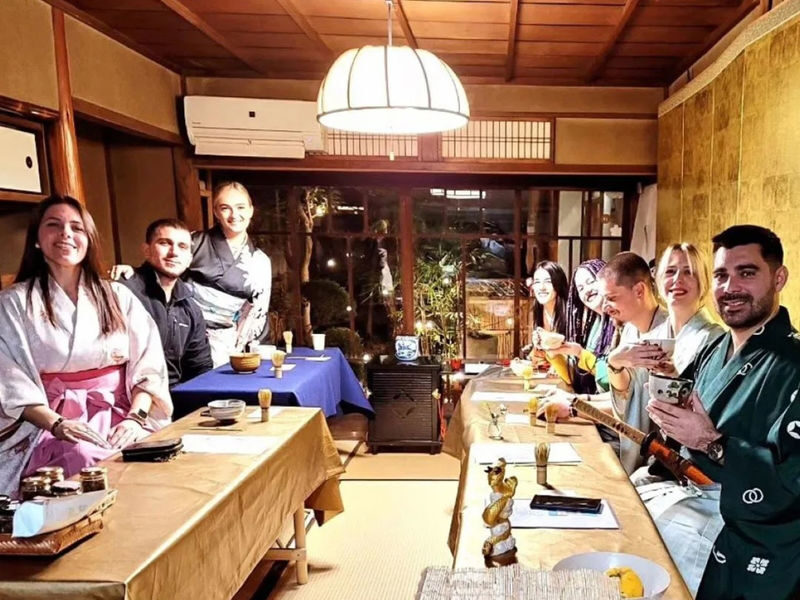
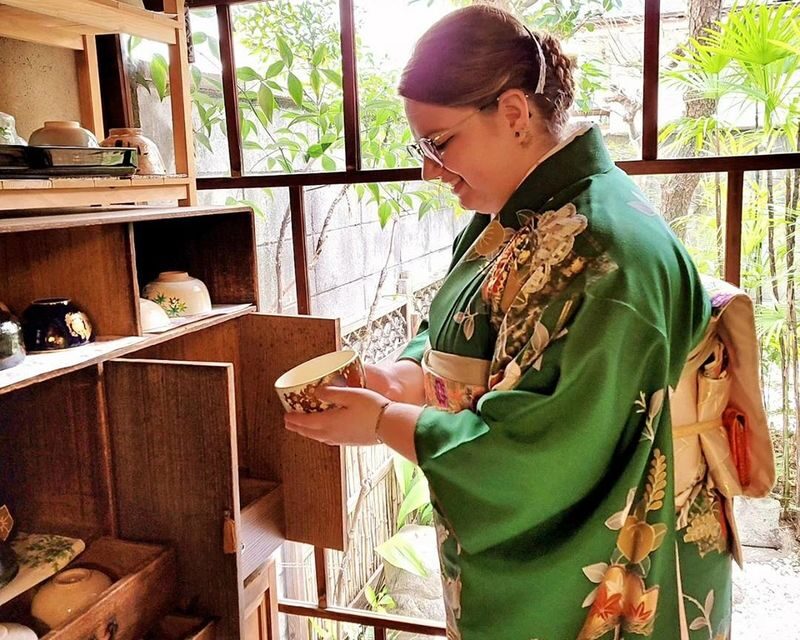
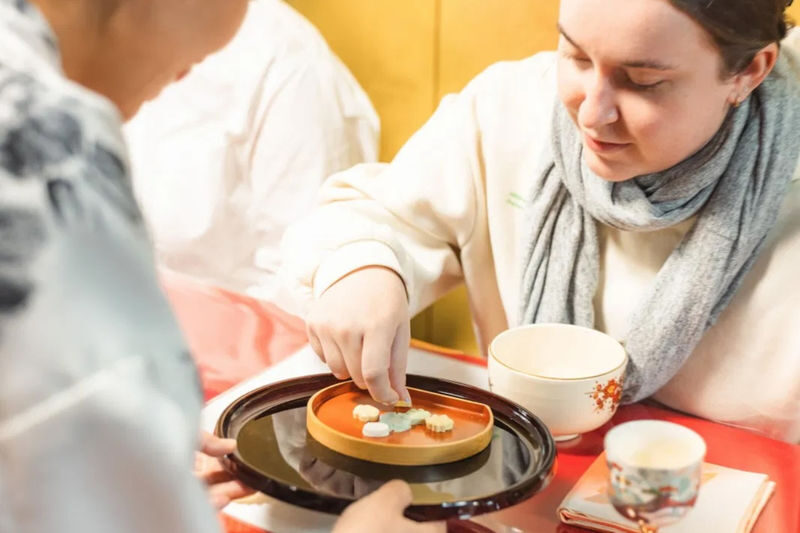
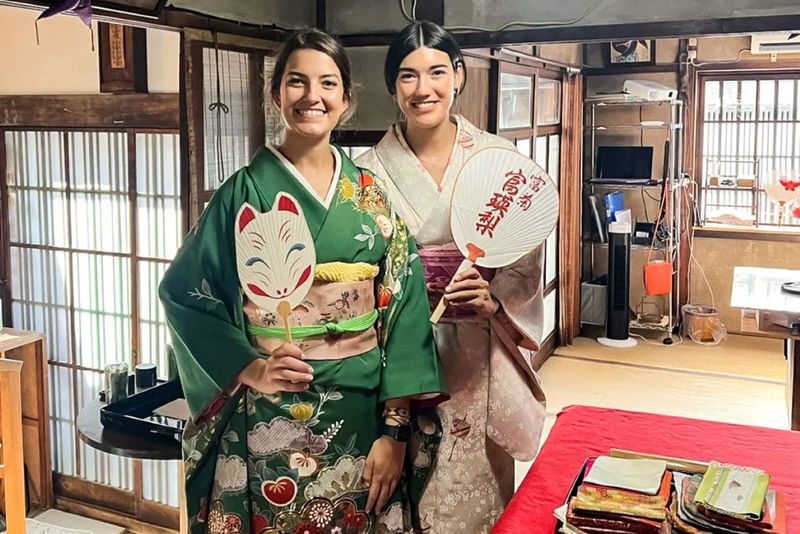
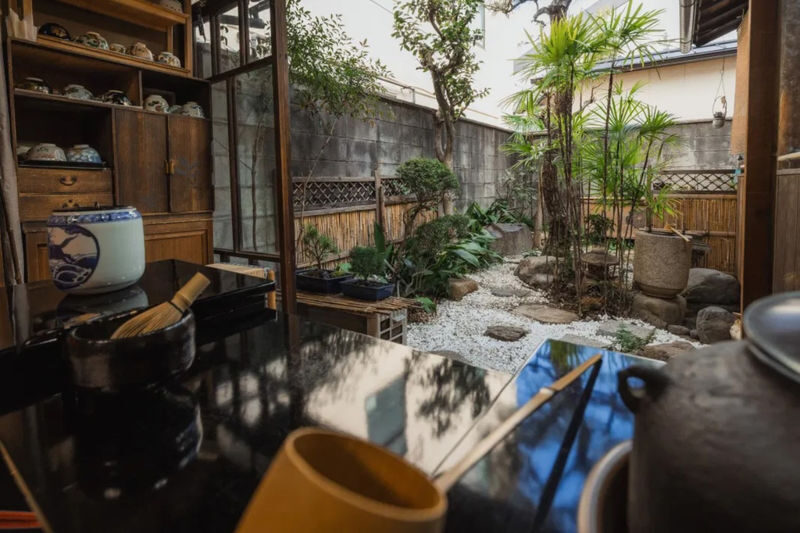
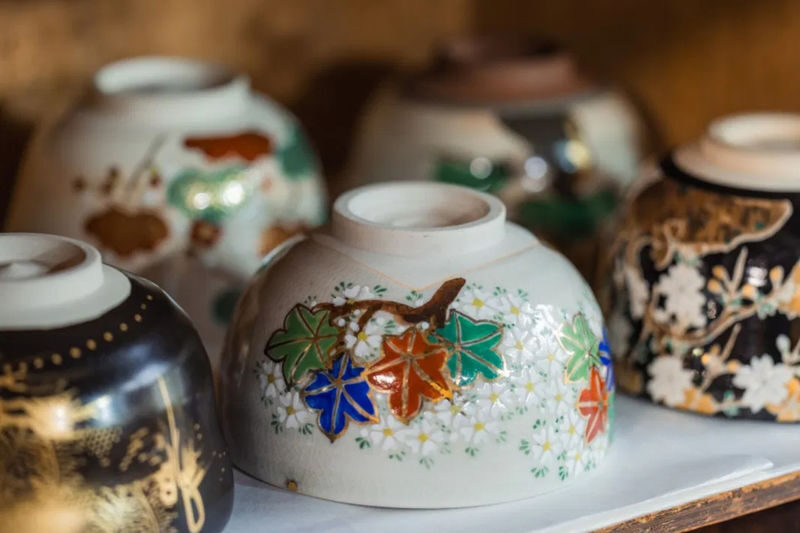
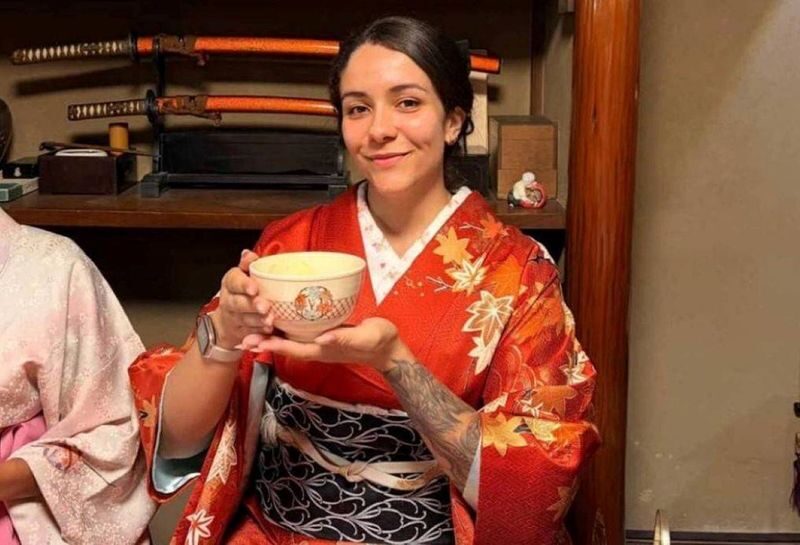
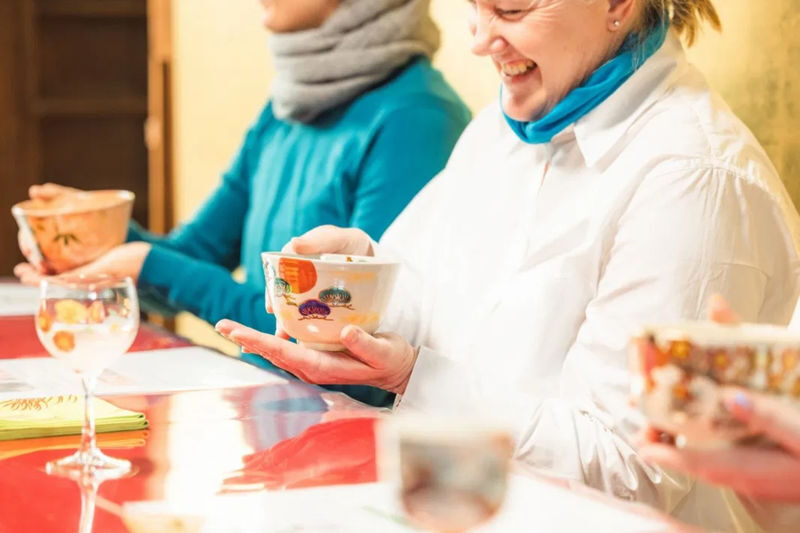
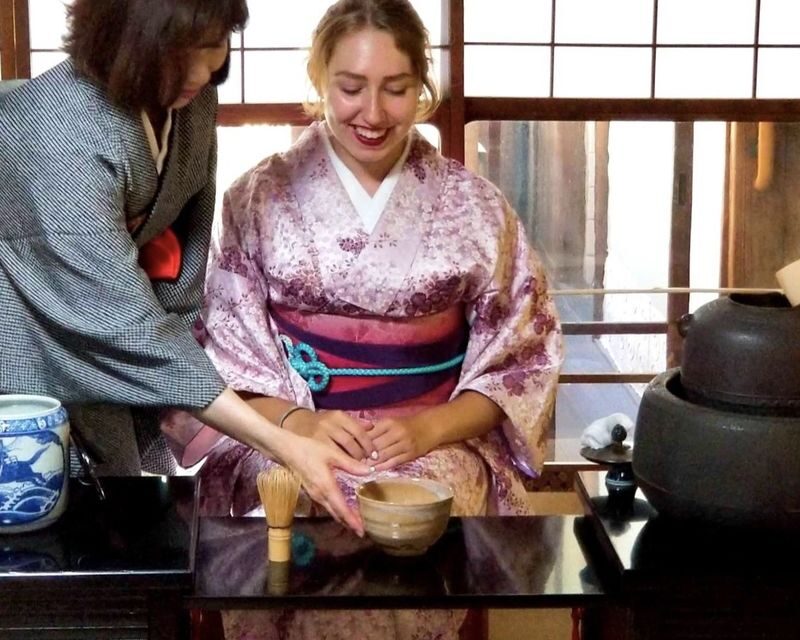
- The setting is a 100-year-old machiya: Expect a historic wooden home, not a purpose-built modern studio.
- You sit at a table: Chairs replace the floor seating used in some tea ceremonies.
- You make your own matcha: The lesson includes tea from an award-winning Uji farm and seasonal wagashi.
- Kimono dressing is optional: The add-on uses silk garments from the host family’s gofukuya shop and is available for all ages.
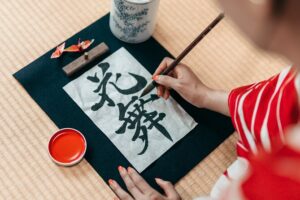
- Calligraphy is part of the keepsake: You’ll receive a personalized piece to take home.
- Plan for Fushimi: The venue is about 20 minutes by train from Kyoto Station, then a short walk from either of two stations.
👉 See our pick of the 25 Best Workshops And Classes In Kyoto
Inside a century-old Kyoto machiya
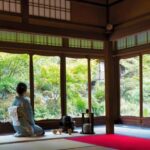
A machiya is a traditional wooden townhouse, built for city life and trade. Here, the old interior gives the tea lesson a sense of place: you are learning a Kyoto custom inside a home that has been standing for more than a century. The setting is a key part of the visit, especially if you want more than a quick demonstration in a room designed for tour groups.
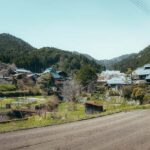
The address provided is 藤ハイツ, in Kyoto’s Fushimi area. The detailed location and map link arrive with your booking confirmation, so use that information rather than relying on the address alone when finding the door.
The location is also a useful change of pace from central Kyoto. Fushimi is known for sake, and the welcome drink introduces that local connection before the tea lesson begins. You can choose sake or umeshu, a Japanese plum drink, with nonalcoholic options available.
You can also read our reviews of more tours and experiences in Kyoto.

A 90-minute lesson, not just a cup of tea
The session lasts about an hour and a half. That gives the hosts time to welcome you, explain the customs and let you try the preparation yourself, without making the visit an all-day commitment. The instructor has more than 30 years of experience, and the class is offered in English.
The first part is a welcome and introduction. You can settle in with a drink, hear about the house and get some context for what follows. That matters: without a little explanation, the careful gestures of a tea ceremony can look like a list of rules. Here, the hosts explain the history and purpose behind what you are seeing.
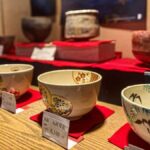
Next comes the ceremony itself. You’ll see matcha prepared according to the tradition, then receive a bowl of tea made with Uji matcha. The tea comes from an award-winning farm, a detail that gives the tasting a local connection as well as a lesson in preparation.
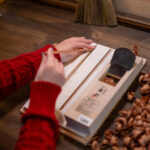
Then it’s your turn to whisk your own matcha. This is where the class moves from watching to doing. You can see how the bowl, whisk and measured movements work together, and you don’t need prior experience. The aim is not to turn you into a tea master in 90 minutes. It’s to help you understand the care behind a bowl you might otherwise drink in a few sips.
Seasonal wagashi, or Japanese sweets, accompany the tea. Their role is not just to add a treat: the sweet balances the matcha’s stronger, slightly bitter taste. The sweets change with the season, so the exact selection may vary.
Table seating keeps the ritual within reach
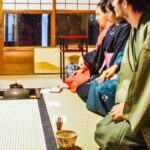
Some tea ceremonies ask you to sit on the floor in a formal posture. This one uses chairs and tables, so you can focus on the lesson instead of worrying about how long your knees will hold out. That makes the experience a practical choice for older adults, children and anyone who finds floor seating uncomfortable.
The table format is different from a traditional floor-based tea room, but the ceremony remains the focus. You still learn the customs, see the preparation and make a bowl yourself. If you’re comparing options, consider what matters most to you: this class trades floor seating for comfort and accessibility.
There is no age limit, and the activity is stroller-friendly. If you’re visiting with children, the hands-on matcha and kimono options may help keep the session engaging. Still, the ceremony involves listening and following a few steps, so think about whether the 90-minute format suits your child.
The kimono option adds a second layer
The standard package starts at US$52.55. A version that includes kimono dressing starts at US$97.59. These are starting prices, so check the amount shown for your selected date and package when booking.
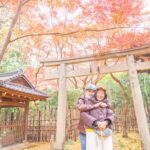
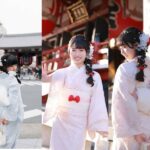
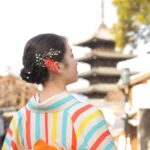
The difference is about US$45 at the listed starting rates. In return, you get more than a costume for a quick photo. The kimonos are beautiful silk pieces from the host family’s gofukuya shop, and the option is available for guests of all ages, including children and infants. The staff help with the dressing and selection, making it a fuller introduction to the garment as well as a photo opportunity.
I’d consider the add-on if you want the ceremony to feel like a special occasion, or if wearing a kimono is high on your Kyoto wish list. It can also make the visit more memorable for a family. If your main interest is learning how tea is made, the standard package already covers the ceremony, matcha lesson, sweets, welcome drink and calligraphy keepsake.
Wear socks, which are part of standard tea-room etiquette. If you arrive without them, the hosts can lend you a pair.
Calligraphy and other personal touches
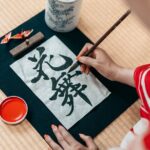
The included personalized calligraphy souvenir gives you something to take home beyond a photo. You’ll learn how to write your name in Japanese writing, then keep the finished piece as a small reminder of the visit. This is a simple but thoughtful part of the class, especially if you want a cultural keepsake that feels more personal than a shop purchase.
The hosts’ style is another reason the session works well for first-time visitors. Hiromi and her team are named among the people leading the experience, though the specific staff present may vary. Their role is not limited to demonstrating the ceremony: they help explain the steps, answer questions and make the process feel approachable.
Some sessions may include extra activities, such as sweet preparation, flower arranging or photo opportunities around the house. Treat these as possible additions rather than guaranteed parts of the package. The listed core inclusions are the tea ceremony, hands-on matcha lesson, seasonal sweets, welcome drinks and calligraphy souvenir.

Getting to Fushimi and planning the visit
The townhouse is about 20 minutes by train from Kyoto Station. It is also a six-minute walk from Keihan Fushimi-Momoyama Station or Kintetsu Momoyama-goryo-mae Station. Those two nearby station options make the venue straightforward to reach once you are in the area.
Because transport is not included, factor in the train fare and travel time when planning your day. The walk is short, but the exact address and map link are supplied after booking confirmation. The voucher is mobile, and it is valid only for the date and time you booked.
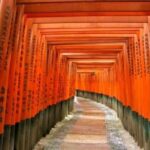
The location can make a nice pairing with time in Fushimi, particularly if you’re interested in the sake district. Keep your schedule realistic, though. The class itself takes 90 minutes, and you’ll want time for the train journey and the walk rather than squeezing it between tightly timed central Kyoto stops.
What the price buys you
At a starting price of US$52.55, the standard package offers a reasonably full cultural introduction rather than a brief tea tasting. You get an English-speaking guide, an experienced instructor, a demonstration, your own matcha-making lesson, tea from Uji, seasonal wagashi, a welcome drink and a personalized calligraphy keepsake. The old townhouse adds atmosphere without requiring you to pay for an all-day outing.
The optional kimono package costs more, but it combines two experiences in one visit: learning the tea ceremony and dressing in traditional clothing. If those are both priorities, the extra charge may be worth it. If you would rather spend that money on another Kyoto activity, the standard class is still complete.
The best value depends on what you want from the afternoon. This is a good pick if you enjoy being shown how a custom works, not just watching someone perform it. It may feel less compelling if you want a long, highly formal ceremony or a tour focused on several Kyoto sights.
Who should book this tea ceremony
I’d recommend it to first-time visitors who want a friendly introduction to matcha and tea customs, and to families looking for an activity that works across age groups. The chair seating helps, and the kimono option makes it easy to add a visual, hands-on element. The calligraphy souvenir gives the visit a personal finish.
It also suits anyone curious about Kyoto’s domestic architecture and Fushimi’s sake connection. The setting and welcome drink add context that a tea lesson in a generic venue might not have. And at 90 minutes, it fits neatly into a day without taking over the whole schedule.
If you’re seeking strict formality or an extended study of tea ceremony, this short introductory class may not go far enough. For most visitors, though, the balance is appealing: a historic home, a clear explanation, a chance to make matcha yourself and hosts who help the tradition feel accessible.
Kyoto Table-Style Tea Ceremony at a 100-Year-Old Wooden Townhouse
“Best experience ever. The ladies were so polite, friendly and informative. It was such a great experience for my entire family. We loved it!!!”
FAQ
How long does the tea ceremony last?
The activity lasts 1.5 hours.
Do I have to sit on the floor?
No. The ceremony uses tables and chairs.
Is kimono rental included in the standard package?
No. Kimono wearing is an optional package that costs extra.
Is there an age limit?
No. The activity has no age limit, and kimono options are available for children and infants.
How do I get to the venue?
It is about 20 minutes by train from Kyoto Station and a six-minute walk from either Keihan Fushimi-Momoyama Station or Kintetsu Momoyama-goryo-mae Station. The detailed location and map link are sent with your booking confirmation.
What should I wear?
Wear socks as part of tea-room etiquette. If you don’t have a pair, the hosts can lend you some.