Jigokudani’s macaques are wild, not performers, and the sight of them soaking in a steaming hot spring is the day’s most memorable surprise. From Nagano, this tour links the monkey park with Togakushi Shrine, a sake brewery, and Zenkoji Temple, places that would be hard to combine efficiently without a car.
I like two things in particular: the direct bus saves you the hassle of planning several rural connections, and the day balances wildlife with mountain spirituality and sake-making tradition. Guides such as Carp, Pin, and Helen have been praised for clear explanations in more than one language and for helping with photos and group logistics.
The trade-off is a full day on foot with little time for a proper meal. The path to the monkey park is about two kilometers each way, and winter ice or snow can make it harder. In winter, the inner shrine route is also limited, so check what is open for your date.
- What makes this Nagano day worthwhile
- A full day out from Nagano Station
- The long walk to Jigokudani’s monkeys
- Finding quiet among Togakushi’s cedars
- A short stop at Nishinomon-Yoshinoya Brewery
- Zenkoji Temple and the final hour
- What the pace and price mean for you
- Who should book this tour
- FAQ
- Where does the tour depart from?
- How long is the tour?
- Is admission to Jigokudani Snow Monkey Park included?
- How much walking should I expect at the monkey park?
- Are the monkeys guaranteed to appear?
- Is Togakushi Shrine’s inner shrine open in winter?
- Is lunch included?
- Is sake tasting included?
- What languages does the guide speak?
- Can children aged 0 to 2 join for free?
- More Tours in Shimotakai
- More Tour Reviews in Shimotakai
- Not for you? Here's more nearby things to do in Shimotakai we have reviewed
What makes this Nagano day worthwhile
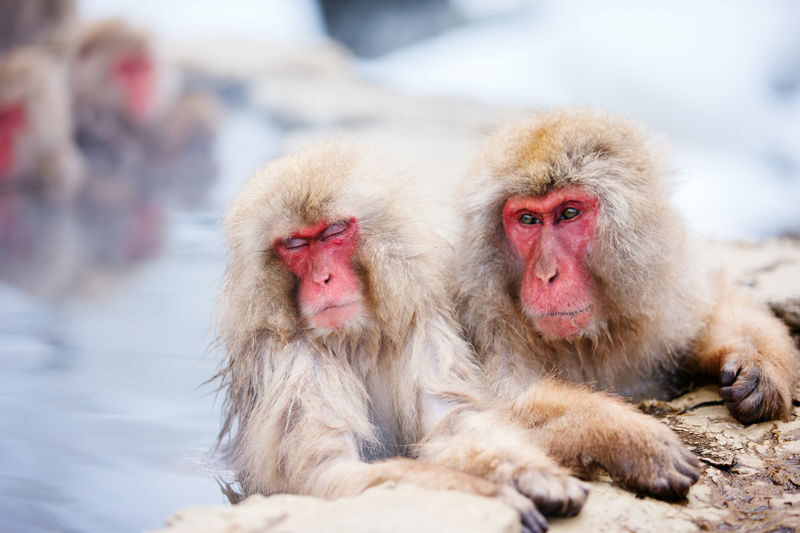
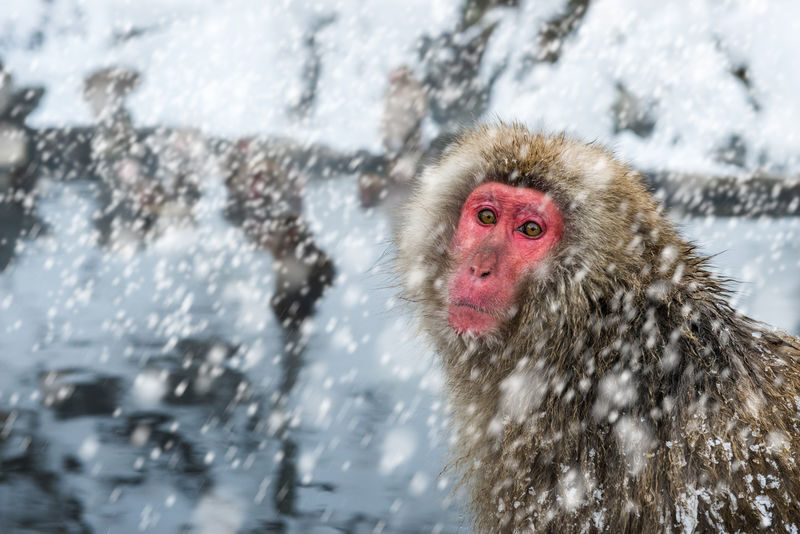
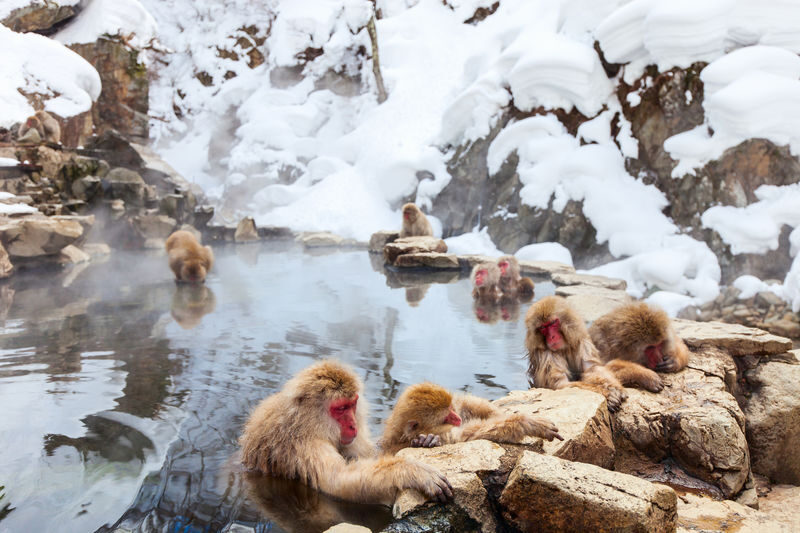
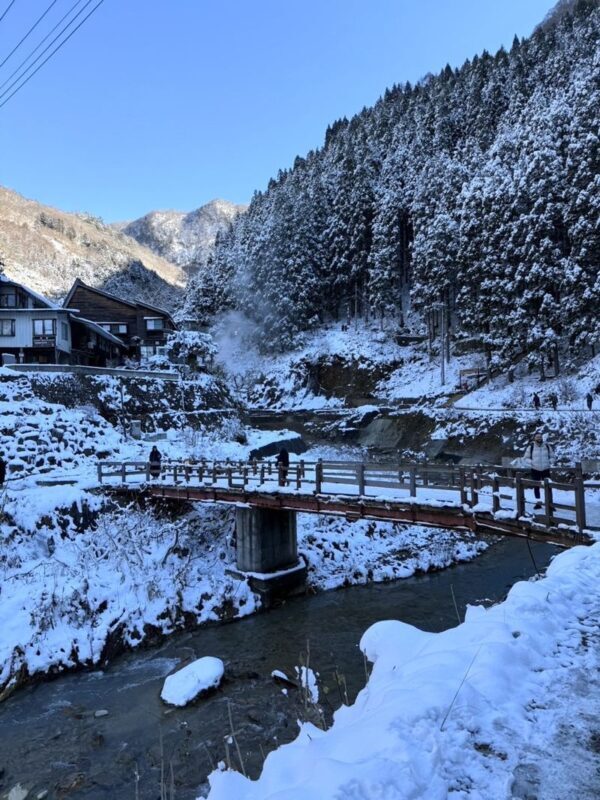
- Wild macaques at Jigokudani: The park admission is included, and you get two hours to walk to the hot spring area and look for the monkeys.
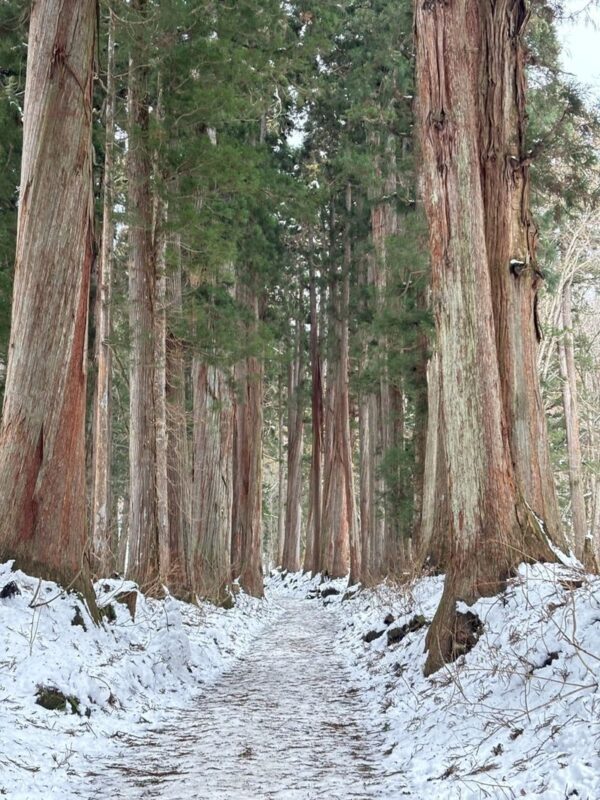
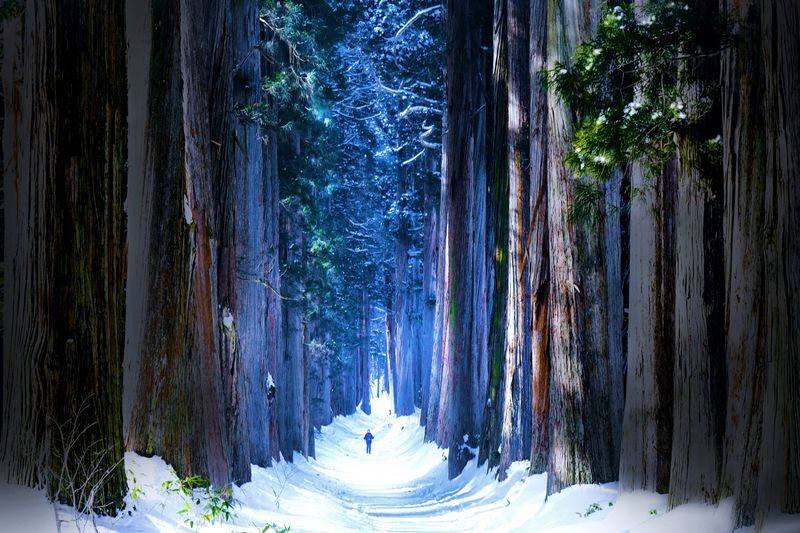
- A cedar avenue at Togakushi: The mountain shrine visit gives you time among old trees and historic buildings, though the inner shrine route is restricted in winter.
- Four distinct stops in one day: Wildlife, mountain worship, sake culture, and Zenkoji make for a varied outing rather than a day built around one sight.
- A multilingual guide and direct transport: English, Chinese, and Japanese are offered, and the bus avoids arranging separate transfers.
- Bring food and sturdy shoes: Meals are not included, the schedule is tight, and the monkey park approach can be snowy, muddy, or icy.
A full day out from Nagano Station
The tour runs roughly from 9:30 a.m. to 5 p.m., with return to Nagano Station usually scheduled between 5 and 6 p.m. Traffic and weather can shift the timing, so keep your evening plans flexible. The vehicle is assigned according to group size. A driver may also serve as the attendant on smaller departures, and you explore the sites independently after arrival.
That setup suits anyone who wants the transport problem solved but still prefers to set their own pace at each stop. The guide’s role is to keep the day moving, share context, and help the group stay oriented, rather than lead a continuous guided walk through every building and path. Guides named in tour-goer comments include Carp, Pin, Helen, and Chiu Chao-chun; visitors have appreciated their clear explanations and ability to switch languages.
The tour costs from $92.85. That is worth weighing against the time and effort of arranging transport between several sites, especially the monkey park and Togakushi. Park admission is included, but meals, beverages, and personal expenses are not. This is a convenience purchase as much as a sightseeing one: you trade some flexibility for a packed route and one ride between stops.
You can also read our reviews of more tours and experiences in Shimotakai.

The long walk to Jigokudani’s monkeys
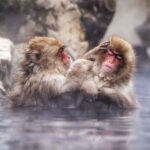
The first major stop is Jigokudani Snow Monkey Park, in Joshin’etsu Kogen National Park. The hot springs here are warmed by geothermal activity, and Japanese macaques have adapted to the mountain’s cold winters. The park has allowed close observation of their behavior since 1964, but these are still wild animals. They may not appear during your visit, and feeding them is prohibited.
Allow for a substantial walk. The tour information puts the route at about two kilometers each way, while some people describe the uphill approach as roughly 1.2 to 1.5 kilometers one way. The exact distance may depend on where the walk is measured from, but the practical point is the same: this is not a quick step off the bus and into the viewing area. The trail is unpaved, and snow or ice can make it slippery.
You have about two hours at the park, including the walk in and out. That is enough time for the visit to feel unhurried if conditions are reasonable, but it can feel tight when the path is busy or the weather slows your pace. The macaques are the main draw, and the steaming pool makes a striking scene, particularly in cold weather. Still, you are observing animals on their own schedule, not watching a staged show.
Wear warm layers and closed shoes with good grip. In winter, the operator specifically recommends snow-ready footwear. Summer has its own small nuisance: mosquitoes are common in the mountains, so consider repellent. The route and scenery change with the season, and snow scenery is never guaranteed, even in winter.
Finding quiet among Togakushi’s cedars
Togakushi Shrine lies deeper in the mountains and is known for a group of five connected shrines with a history stretching back more than two thousand years. The most evocative part of the visit is the approach to the inner shrine, where a line of tall old cedars creates a solemn corridor. Even if you are not drawn to religious sites, the scale and stillness of the trees make this a welcome change from the monkey park.
The scheduled stop is about one hour and 40 minutes, and it is self-guided. You can use the time to walk the shrine grounds and take in the setting, but do keep an eye on the return time. This is another stop where the ground and distance matter: the site is in the mountains, and you should be ready to walk rather than expect a drop-off beside every shrine.
Winter needs a special note. The Okusha, or inner shrine, is closed for part of the season, generally from around January 7 through late April in recent years. During that period, visits are limited to Zuishinmon. This can change the character of the stop considerably, so if the cedar approach to the inner shrine is a priority, check the seasonal access before booking. One winter visitor felt the shrine stop was disappointing because of the closure; another found the cedar-lined route deeply peaceful. Both reactions make sense, depending on what is open and what you hoped to see.
There is also a practical food opportunity here. Shinshu soba is a local specialty, and eateries around the shrine approach can be a good place to find it. But the tour does not include a meal, and the schedule is tight. Do not assume you will have time for a leisurely lunch.
A short stop at Nishinomon-Yoshinoya Brewery
The brewery visit offers a compact look at Nagano’s sake culture. Nishinomon-Yoshinoya is a historic brewery, and the stop is scheduled for about 20 minutes. You can see traditional buildings and equipment and get a sense of the craft behind sake production. Guides may explain brewing methods and related local foods such as miso, adding useful context to what might otherwise be a quick look around.
Keep your expectations in proportion to the time. Twenty minutes is an introduction, not an in-depth brewery tour. Some people have enjoyed sake tasting, while others found that part modest. The tour details do not promise a tasting as an included item, and beverages are not included in the price, so treat any tasting as something to confirm on the day rather than a guaranteed feature. Nonalcoholic options or miso soup may be available, but check locally.
This stop works best as a cultural pause between the mountain sites and Zenkoji. If you are especially interested in sake production, you may wish for more time. If you simply want a glimpse into a regional tradition, it adds welcome variety without taking over the day.
Zenkoji Temple and the final hour
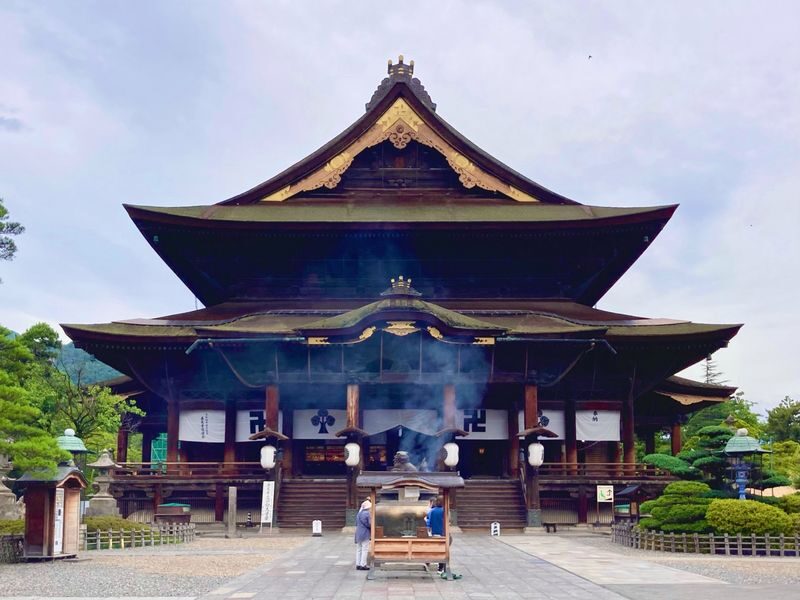
Zenkoji Temple has more than 1,400 years of history and is one of Nagano’s defining religious sites. Its large wooden main hall gives the visit a different feel from Togakushi: this is a major temple in the city, rather than a mountain shrine reached through forest. You have about one hour and 20 minutes to explore independently.
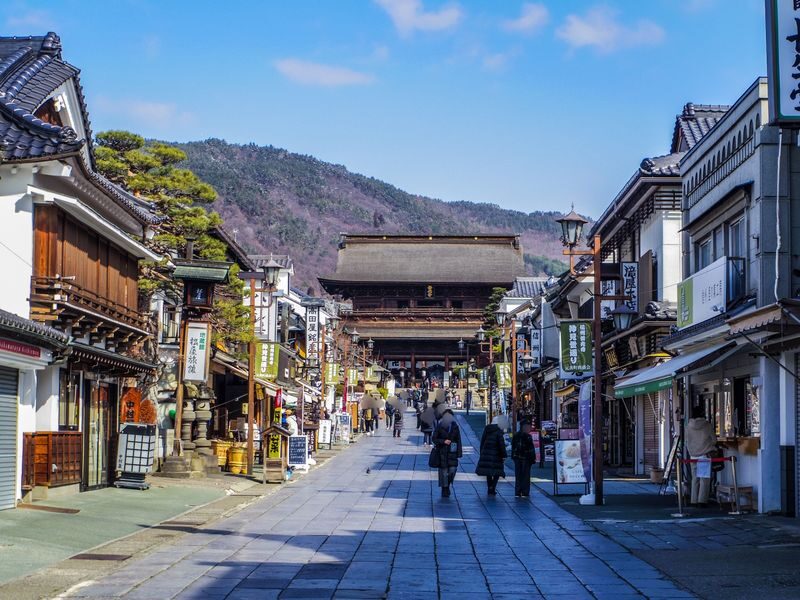
The grounds and approach are also a chance to look for local snacks or a bowl of Shinshu soba, though the timetable may not leave room for a full meal. The temple’s underground Kaidan Meguri is a well-known feature, but the tour details do not say that entry to it is included. The only listed admission included is for Jigokudani Snow Monkey Park, so check the temple’s current arrangements and any separate costs if the underground passage is important to you.
This final stop brings the day back to Nagano’s urban center and gives you a last dose of history before returning to the station. It is a useful contrast to the wild setting of Jigokudani and the quiet paths at Togakushi. The trade-off is that four stops in one day leave less room for lingering. Choose one or two things you most want to see at Zenkoji, then use your remaining time for a relaxed walk around the approach.

What the pace and price mean for you
The strongest value here is the combination. The monkey park and Togakushi are both outside central Nagano, and pairing them with Zenkoji and a brewery in one day would take careful independent planning. A direct bus and a guide who can explain the day in English, Chinese, or Japanese make the route simpler, especially if you are not driving.
But a full itinerary is not the same as a leisurely one. You have set windows at each stop, and travel time can change with traffic, weather, or facility conditions. The operator may adjust the route or the amount of time at a stop if conditions require it. A tour-goer also reported an early question about whether park entry was included; the listed price includes admission, but it is sensible to confirm this with the operator if anything is unclear at check-in.
Food planning is the easiest way to improve the day. Bring a snack or packed lunch before departure, since there is no meal included and the schedule may leave only brief chances to buy food. You may be able to eat on the bus, but follow the guide’s instructions. Keep water and any personal items easy to reach, and do not plan a tight evening connection after the 5 p.m. target return.
The bus itself is a practical advantage, not a private-car experience. Seats are assigned on site and cannot be selected in advance. Group sizes vary; some departures have been small, while the minimum number is 15 and a departure may be cancelled if that minimum is not met. On a smaller group, the driver may also handle attendant duties, so there may not be a separate tour leader.
Who should book this tour
I would choose this day trip if you have limited time in Nagano, want to see the macaques and Togakushi in the same outing, and are comfortable walking several kilometers. It also suits people who value practical transport and cultural context more than free time at each site. The guide’s multilingual support can be especially useful when you want background on the shrines, local sake, and the area without having to arrange separate tours.
I would think twice if you have limited mobility, are pregnant, have certain medical conditions such as high blood pressure or epilepsy, or find long walks difficult. The operator does not recommend the tour for people in these groups. It is also a weaker fit if your main goal is a long brewery visit, a guaranteed sake tasting, or access to Togakushi’s inner shrine in winter.
For a good day, arrive at the Nagano Station meeting point ten minutes early, look for the guide with the LION TRAVEL logo, pack snacks, and wear shoes suited to the forecast. The bus leaves on time, and late arrivals are treated as no-shows without a refund. If the walking and brisk pace sound manageable, the tour offers a useful way to connect Nagano’s wildlife, mountain worship, sake-making, and temple culture in a single day.
Nagano Jigokudani Monkey Park, Togakushi Shrine, Zenkoji Temple & Sake Culture Experience Day Tour (Departing from Nagano)
“Carp did a great job being a guide for this day tour I went on. She is interactive and knowledgeable. However, at the beginning it was a bit of a s…”
FAQ
Where does the tour depart from?
It departs from Nagano Station. Meet the guide with the LION TRAVEL logo and arrive ten minutes before the scheduled departure.
How long is the tour?
The tour runs from about 9:30 a.m. to 5 p.m. The return to Nagano Station may be between 5 and 6 p.m., depending on traffic.
Is admission to Jigokudani Snow Monkey Park included?
Yes. Admission to Jigokudani Snow Monkey Park is included.
How much walking should I expect at the monkey park?
The tour information describes an approximately two-kilometer walk each way. The path is unpaved and may be icy or snowy in winter, so wear sturdy, non-slip shoes.
Are the monkeys guaranteed to appear?
No. The macaques are wild animals, so their appearance during your visit is not guaranteed. Feeding them is prohibited.
Is Togakushi Shrine’s inner shrine open in winter?
The Okusha is closed for part of the winter season, generally from around January 7 through late April in recent years. During this period, visits are limited to Zuishinmon.
Is lunch included?
No. Meals and beverages are not included. The schedule is tight, so bringing snacks or a packed lunch is a practical choice.
Is sake tasting included?
The tour includes a short visit to Nishinomon-Yoshinoya Brewery, but a tasting is not listed as a guaranteed inclusion. Beverages are not included in the price.
What languages does the guide speak?
The tour offers an English, Chinese, or Japanese-speaking guide. The guide’s language arrangements may vary by departure.
Can children aged 0 to 2 join for free?
Yes, children aged 0 to 2 can join free if they do not occupy a separate seat. Child seats are not available.