Keishun-in is a sub-temple of Myoshin-ji, and after dark its four historic gardens become the setting for a quiet, guided visit. You’ll see the temple’s illuminated grounds, visit the tea room called Sehakuan, and view Kano Sansetsu’s painted sliding doors. I like the combination of temple history and a hands-on meditation session, and the chance to enjoy matcha and a Japanese sweet in the temple itself.
I also like that Deputy Chief Priest Yasumasa Arashima leads the meditation, with an English- or Chinese-speaking guide interpreting. The main consideration is timing: the schedule gives 18:00 to 19:30, while the tour summary describes a one-hour experience. Confirm the actual duration when booking, and note that the starting price is $302.69, with no group or per-person pricing details provided.
- Key points to know
- A quiet side of Myoshin-ji after dark
- What happens during the visit
- Zazen with Deputy Chief Priest Yasumasa Arashima
- Matcha, a sweet, and time to talk
- Does the price make sense?
- Who will enjoy this experience most?
- Should you book Keishun-in at night?
- FAQ
- How long does the experience last?
- Where does the experience take place?
- What time does it start?
- Who leads the meditation?
- Is interpretation available?
- What is included in the price?
- What will I see at Keishun-in?
- Is there an age requirement?
- What should I expect during meditation?
- Can I cancel for a refund?
- The Best Of Kyoto!
- More Tours in Kyoto
- More Tour Reviews in Kyoto
- Not for you? Here's more nearby things to do in Kyoto we have reviewed
Key points to know
 1 / 4
 2 / 4
 3 / 4
 4 / 4
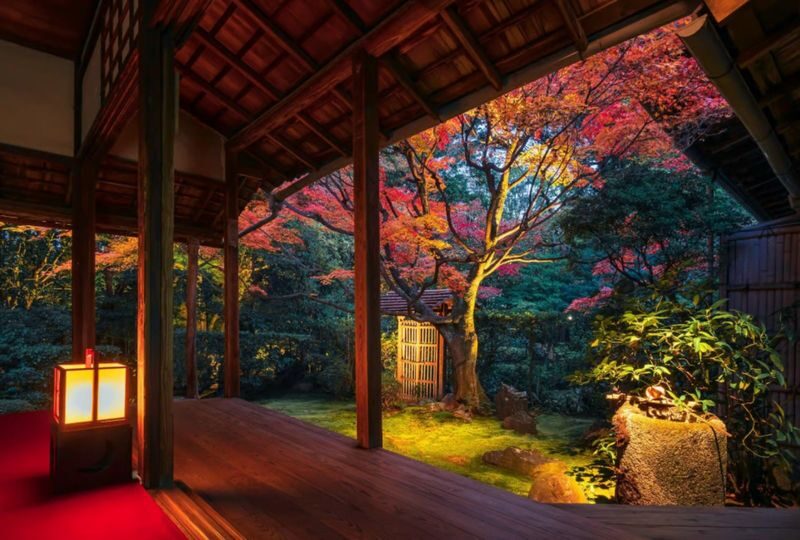
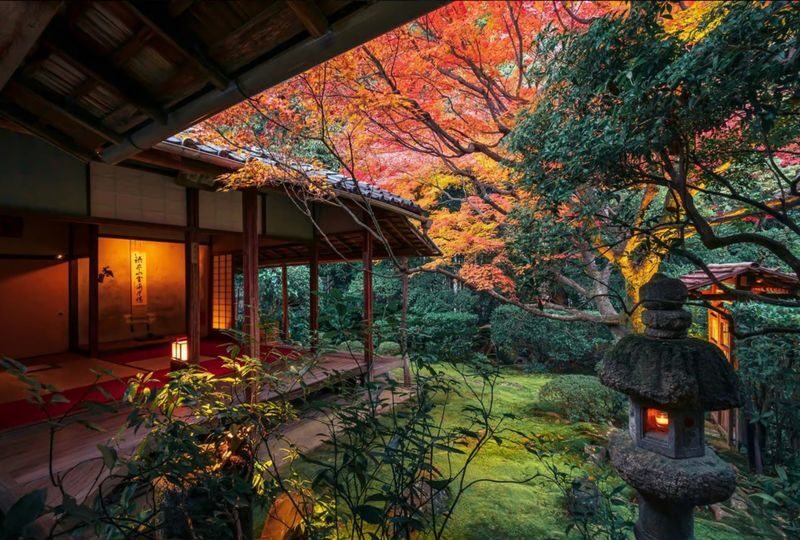
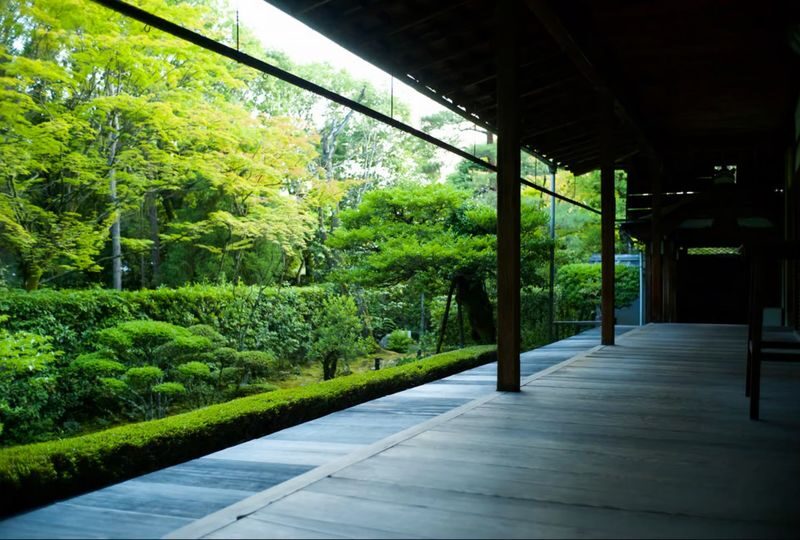
- Four gardens after dark: Keishun-in’s gardens are illuminated during the visit and are designated historical sites and scenic spots.
- A priest leads zazen: Deputy Chief Priest Yasumasa Arashima leads the meditation in Japanese, with English or Chinese interpretation.
- Look beyond the garden: The tour includes the hidden tea room Sehakuan and Kano Sansetsu’s fusuma paintings.
- Matcha comes with a sweet: The temple visit ends with matcha tea and a traditional Japanese snack.
- Check the duration: The schedule runs from 18:00 to 19:30, though the summary calls the experience one hour.
- Plan for a quiet hour or more: Participants must be at least 12 and are asked to remain seated, awake, and quiet during meditation.

👉 See our pick of the 25 Best Workshops And Classes In Kyoto
A quiet side of Myoshin-ji after dark
Kyoto is full of temples, but this experience gives you a reason to visit one at a different hour. Rather than fitting another daytime stop into a busy sightseeing route, you arrive at Keishun-in in the evening, when the gardens are lit and the atmosphere is intended to be calm.
The setting is not a large public temple tour. Keishun-in is a sub-temple within Myoshin-ji, and the visit focuses on its own gardens, rooms, and art. That smaller scope is useful if you prefer to spend time looking and listening rather than racing through a long list of landmarks.
The evening format also shapes the experience. The lighting draws attention to the gardens and their vegetation, while the quiet meditation gives you time to notice the surroundings rather than simply pass through them. You should come expecting a cultural visit with a contemplative element, not a performance or a long formal retreat.
You can also read our reviews of more tours and experiences in Kyoto.

What happens during the visit
The listed schedule begins at 18:00 and ends at 19:30, with a guided visit to Keishun-in in between. The schedule describes the temple portion as 1 hour and 30 minutes. However, the experience summary gives a one-hour duration, so it is worth checking the confirmed timing before you make plans around dinner or another evening activity.
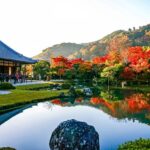
The guide introduces the history and culture of the temple as you explore. You’ll see four gardens, all described as nationally designated historical sites and scenic spots, with lighting arranged for the nighttime visit. The gardens are a central part of the experience, not just a route between indoor stops.
You’ll also visit Sehakuan, a tea room described as hidden, and see fusuma paintings by Kano Sansetsu. Fusuma are sliding doors or panels, and seeing painted examples in the temple gives the visit an artistic focus alongside its gardens and meditation. The available details do not specify how much time is spent at each stop, so expect the guide to shape the pace.
Zazen with Deputy Chief Priest Yasumasa Arashima
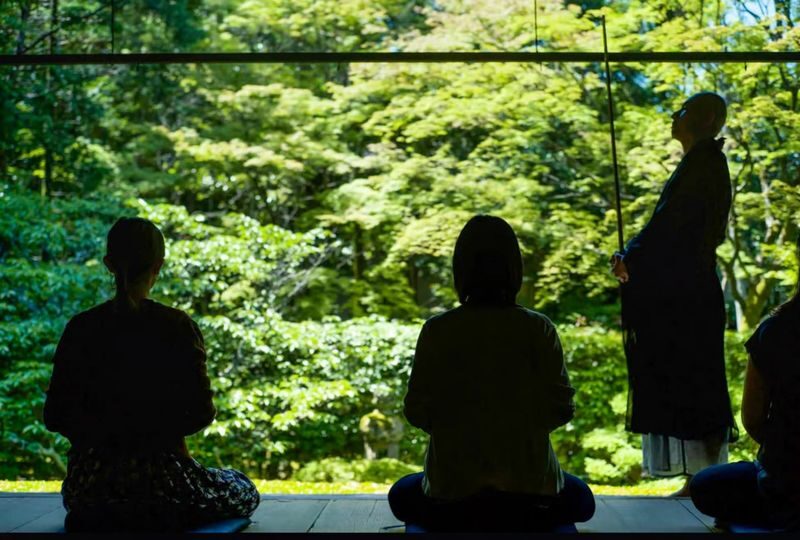
The meditation is led by Deputy Chief Priest Yasumasa Arashima. He speaks Japanese, while an English- or Chinese-speaking guide interprets. That arrangement lets you follow the instruction and the cultural context, though you’ll need a comfortable level of English or Chinese comprehension to keep up.
One account of the experience describes a 30-minute zazen session. The supplied schedule does not separately guarantee that length, so treat it as a useful indication rather than a firm promise. In any case, this is a guided introduction to seated Zen meditation, not a course in advanced practice.
The expectations are straightforward: remain seated, stay awake, and keep quiet and respectful. The instructions make the format clear, and the activity is presented as a calm introduction, so you do not need to arrive with meditation experience. If sitting quietly for an extended stretch would be uncomfortable for you, consider that before booking.
The meditation is also a change of pace from ordinary sightseeing. You’re asked to pause instead of collecting another photo or rushing to the next stop. That makes the nighttime setting more than a backdrop: it gives you a chance to observe the garden and its changing light in silence.
Matcha, a sweet, and time to talk
After zazen, you’ll have matcha and a traditional Japanese sweet. The tea is included, as is a snack, and the experience centers on having them at Keishun-in rather than simply stopping at a nearby café.
The supplied details do not describe a full tea ceremony or say that you’ll prepare the matcha yourself. It is safer to think of this as a temple-based matcha experience following meditation. If you’re hoping for detailed instruction in tea preparation, check with the provider before booking.
One account describes time to chat freely with temple staff after the tea. That can be a welcome moment to ask about the temple or the experience, but conversation time is not specified as a fixed part of the schedule. The main draw is the combination of a quiet practice, tea, and a traditional sweet in the temple setting.
Does the price make sense?
The starting price is US$302.69. That is a substantial cost for an evening activity of one to one and a half hours, especially since transport and personal expenses are not included. The listed price does cover admission to Keishun-in, the matcha experience, snacks, and an English- or Chinese-speaking guide.
The value depends on what you want from Kyoto. If your priority is seeing as many sights as possible for the lowest cost, this is unlikely to be the best fit. If you value a small-scale visit that brings together an illuminated temple, historic gardens, art, a monk-led meditation, and tea, the combination is more distinctive than a standard evening walk.
The pricing details do not say whether the starting amount is per person or for a group. Before paying, confirm the total for your party and ask what the quoted amount covers. Groups of seven or more are asked to contact the provider directly.


Who will enjoy this experience most?
I’d consider this for someone who wants a quieter cultural activity and is curious about Zen practice without needing prior experience. It may suit first-time meditators: a beginner group took part, and the experience is described as an introduction. The age minimum is 12.
It also suits visitors who are interested in gardens and temple art, not only meditation. The visit includes four illuminated gardens, the Sehakuan tea room, and Kano Sansetsu’s fusuma paintings, so there is plenty to focus on if sitting meditation is only one part of your interest.
This is less suited to anyone who needs a flexible start or dislikes quiet, seated activities. Late arrivals and no-shows are not refundable, and participants are expected to remain still, awake, and respectful during meditation. The meeting point is Myoshin-ji Keishun-in, at 11 Hanazonoteranonakacho in Kyoto’s Ukyo Ward; transport is not included.
The experience is offered in Japanese with English or Chinese interpretation. If neither language is comfortable for you, you may miss important instructions and historical context. The tour requires confirmation within 48 hours, and the voucher is valid only for the specified date and time.
Should you book Keishun-in at night?
Book it if you want a deliberately quiet evening and the mix of gardens, temple art, seated meditation, matcha, and a sweet appeals to you. The strongest reason to choose it is the setting: you see Keishun-in after dark, then take time to sit with the experience instead of treating the temple as a quick photo stop.
Think twice if price is your main concern, you have a tight evening schedule, or meditation is not for you. Before booking, confirm the total cost for your group and clarify whether the visit will last one hour or the 90 minutes shown in the schedule. With those points settled, this is a distinctive way to spend an evening in Kyoto.
Kyoto: Nighttime Zen Meditation & Matcha Tea Experience in Myoshinji
“It was a very peaceful and practical meditation session in the temple. We were a beginner group, and we enjoyed the silence and view. It is a one o…”
FAQ
How long does the experience last?
The schedule runs from 18:00 to 19:30, which is 90 minutes. The summary also describes the activity as one hour, so confirm the expected duration when booking.
Where does the experience take place?
It takes place at Myoshin-ji Keishun-in, at 11 Hanazonoteranonakacho, Ukyo Ward, Kyoto, 616-8036, Japan.
What time does it start?
The listed departure time is 18:00, with a listed return time of 19:30.
Who leads the meditation?
Deputy Chief Priest Yasumasa Arashima leads the zazen meditation in Japanese.
Is interpretation available?
Yes. An English- or Chinese-speaking guide provides interpretation. Participants need a comfortable level of English or Chinese comprehension.
What is included in the price?
Admission to Myoshin-ji Keishun-in, the matcha tea experience, snacks, and an English- or Chinese-speaking guide are included. Transport and other personal expenses are not.
What will I see at Keishun-in?
The guided visit includes four illuminated gardens, the tea room Sehakuan, and fusuma paintings by Kano Sansetsu.
Is there an age requirement?
Yes. Participants must be at least 12 years old.
What should I expect during meditation?
You are asked to remain seated, stay awake, and keep a quiet, respectful atmosphere.
Can I cancel for a refund?
A full refund is available if you cancel at least 48 hours before the activity date, using the destination’s local time. Late arrivals and no-shows are not refundable.