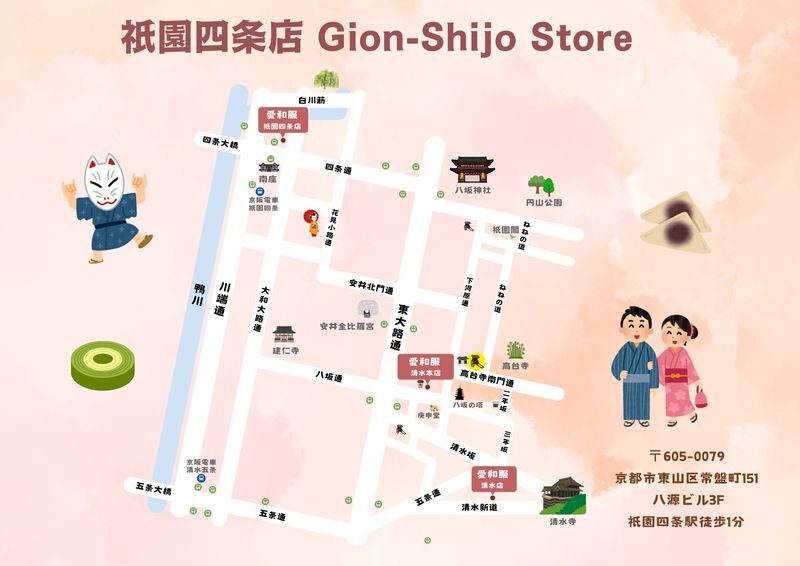
Gion is made for a kimono stroll: stone lanes, wooden townhouses, willow-lined Shirakawa, and major sights all sit close to this rental shop. You choose your outfit, get dressed at Aiwafuku, then set off at your own pace.
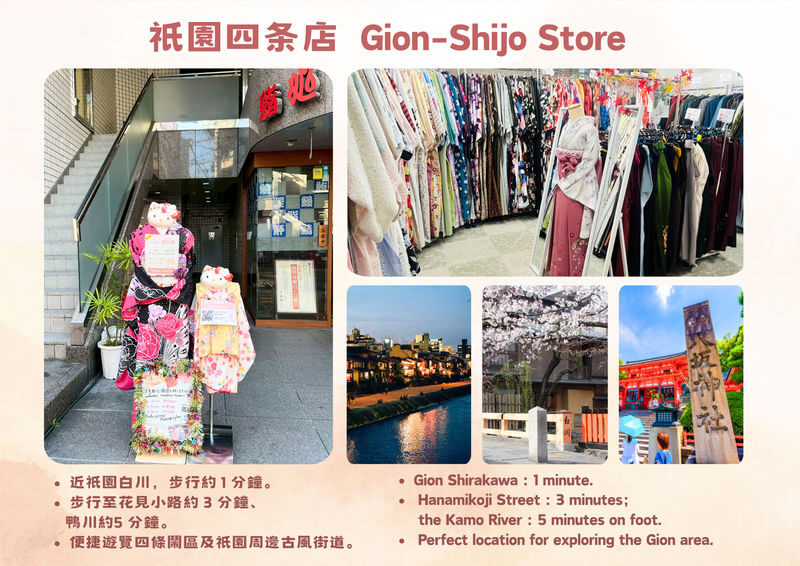
I like two things in particular: the more than 600 kimono choices, which give you room to find a look that feels like yours, and the shop’s one-minute walk from Gion-Shijo Station, close to Hanamikoji and Shirakawa. English- and Chinese-speaking staff can help with choices and sightseeing questions.
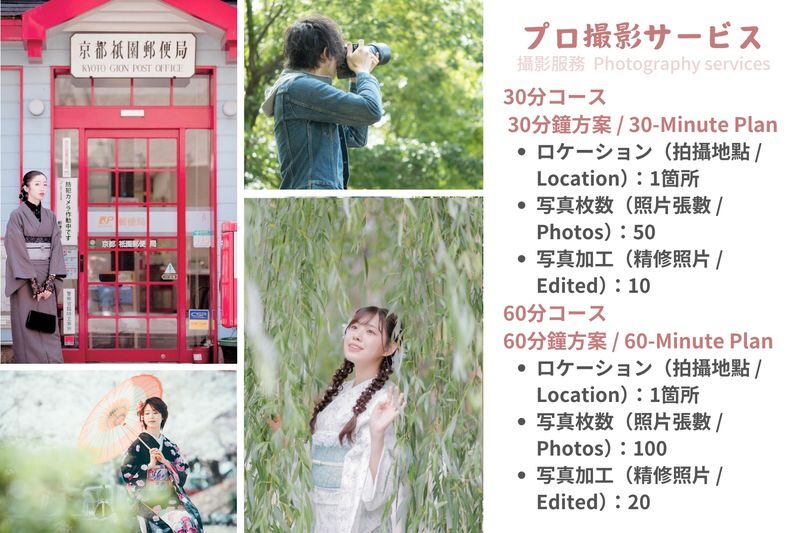
The main catch is that the advertised starting price is for a basic women’s kimono or yukata plan, not every extra. Hair styling, makeup, and the 30-minute photo session depend on the plan you select, and the shop can get busy, so leave a cushion if you have a fixed photo appointment.
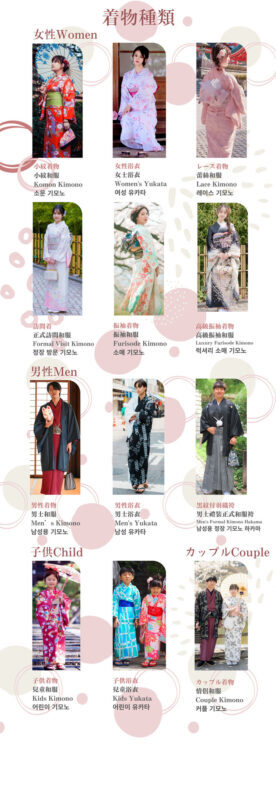
- 600-plus styles: Choose from classic, cute, and more decorative looks, with men’s sizes and separate formal options too.
- A walkable Gion route: Shirakawa, Hanamikoji, Yasaka Shrine, and Maruyama Park make a natural self-guided outing.
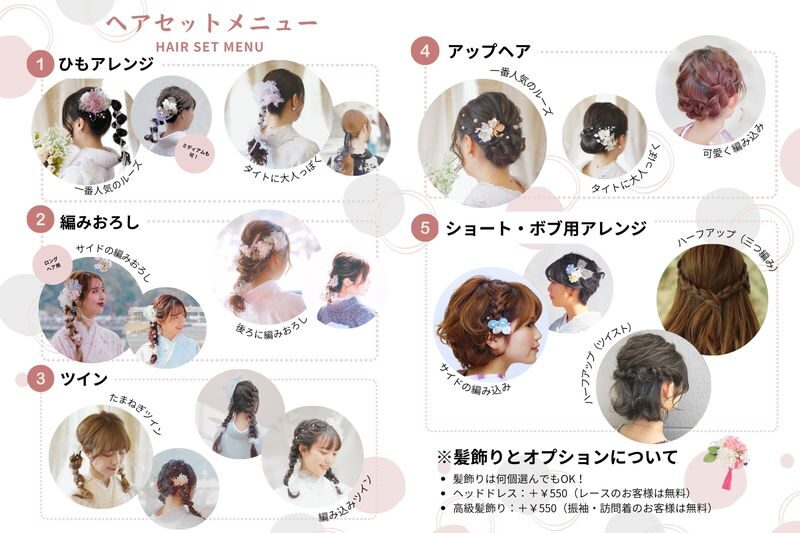
- Plan-dependent styling: Women’s hair styling and unlimited hair ornaments are included with the appropriate plan, not every booking.
- Convenient extras: The shop supplies dressing items, a bag, socks, and sandals, and stores luggage for free.
- A real timing warning: A busy shop has caused waits of about 30 minutes, so do not schedule a photo session too tightly.
- A long rental day: Start at the selected booking time and return the kimono by 5:30 pm.
- Choose a Kimono, Then Make Gion Your Backdrop
- Getting Dressed Takes About 40 Minutes
- Shirakawa Offers a Quiet First Photo Stop
- Hanamikoji Street Is the Classic Gion Stroll
- Yasaka Shrine Adds a Place to Pause
- Maruyama Park Gives You Room to Slow Down
- The Price Is Best Judged by What You Add
- Plan for a Full Day, Not Just the Dressing
- Who Should Book This Gion Rental
- FAQ
- Where is the Aiwafuku Gion Shijo shop?
- How do I get to the shop?
- How long does kimono preparation take?
- Is hairstyling included?
- Is makeup included?
- Does every package include a photo shoot?
- What does the rental include?
- Can I rent a yukata?
- Is there a minimum height for children?
- When must I return the kimono?
- The Best Of Kyoto!
- More Tours in Kyoto
- More Tour Reviews in Kyoto
- Not for you? Here's more nearby things to do in Kyoto we have reviewed
Choose a Kimono, Then Make Gion Your Backdrop
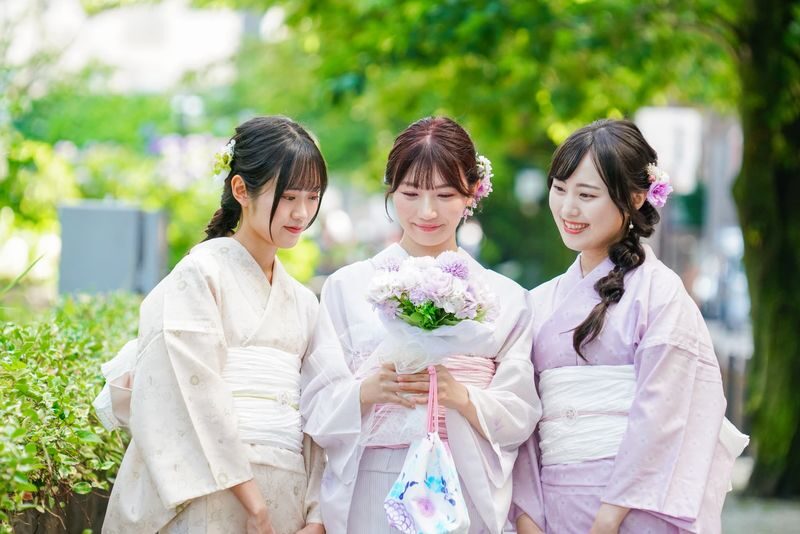

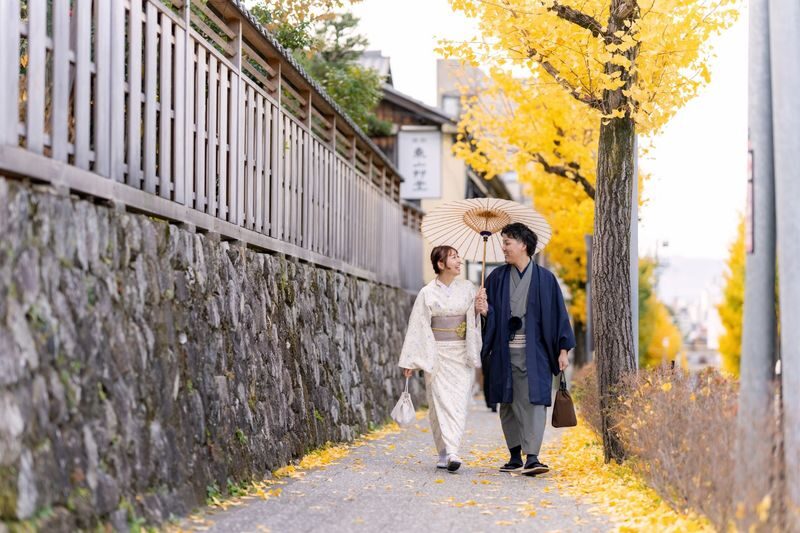

This is a rental and dressing service, not a guided walking tour. You begin at Aiwafuku’s Gion Shijo shop, choose a kimono, get dressed, and head out to explore. The route described here takes you through four popular Gion-area stops, but you can set your own pace and spend longer where you like.
The shop is run by a Japanese owner with 40 years of experience in the kimono industry. Its staff speak Japanese, English, and Chinese, a practical help when you are choosing a style, sorting out the dressing process, or asking about nearby sights. There are six Aiwafuku shops in Kyoto, including branches near Kiyomizu, Arashiyama, Kyoto Station, and Fushimi Inari. The Gion location makes the most sense if you want to start in the old streets and continue toward Yasaka Shrine.
The experience is popular with couples, families, and solo visitors. A few short customer accounts describe staff helping with outfit matching, patiently assisting children, and creating attractive hairstyles. These are the details that matter on a practical level: choosing a kimono can take time, and a calm hand makes the process easier.

👉 See our pick of the 25 Best Workshops And Classes In Kyoto
Getting Dressed Takes About 40 Minutes
Allow roughly 40 minutes for the shop visit: around 10 minutes to choose your kimono, 15 minutes to get dressed, and 15 minutes for hairstyling when that service is part of your plan. The staff provide the kimono, undergarment, obi and obi accessories, bag, socks, and sandals, so you do not need to arrive with a wardrobe of your own.
With more than 600 styles, the choice is a genuine part of the outing. You can look for a classic pattern or a brighter, more playful design. Women’s lace kimono, furisode, and homongi plans are also available, as are men’s kimono and hakama sets. If you are booking for two, a couple plan bundles options for both people.
Take a moment to check the exact package before paying. The lowest advertised price, from US$15.79, applies to the women’s kimono or yukata option. Men’s, couple, lace, hakama, child, furisode, and homongi plans cost more. The Japanese makeup option is listed separately, and the photo session is described as a popular plan, but it is not clear that it comes with every rental. Confirm the hair, makeup, and photography inclusions for your chosen package rather than assuming they are part of the starting price.
Women’s plans with hairstyling include a professional set and unlimited hair ornaments. If hair styling is not included in the plan you select, you may be charged the local price to add it at the shop. Yukata rentals are available from mid-June through August, a lighter seasonal alternative to a kimono.
You can also read our reviews of more tours and experiences in Kyoto.
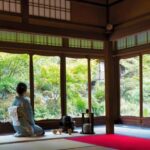

Shirakawa Offers a Quiet First Photo Stop
From the shop, it is about a one-minute walk to the Gion-Shirakawa area. This makes a useful first stop: you can see how the outfit feels on your feet, get comfortable with the sandals, and take photos before moving into busier streets.
Shirakawa is known for its willow trees, cobbled paths, riverside views, and traditional townhouses. The suggested visit is 30 minutes, enough for a relaxed stroll and a handful of photographs. The quieter feel here contrasts with the better-known lanes nearby, and the water and old façades give your pictures a distinctly Kyoto setting.
Keep your footing in mind. Kimono and sandals are not the same as your usual walking clothes, and stone paths call for a steady pace. You do not need to rush through the route to make the rental worthwhile.
Hanamikoji Street Is the Classic Gion Stroll
Next comes Hanamikoji, an iconic Gion street lined with traditional townhouses. It is an easy place to make the kimono part of the day feel connected to its surroundings, rather than simply a costume change for a photo. You can walk at a slow pace, admire the architecture, and stop at a café or teahouse for a Kyoto-style sweet.
The suggested time here is one hour. That gives you room to stroll and pause, though how long you stay depends on your own interests and the crowds. The shop’s location is especially handy: Hanamikoji is only a short walk away, so you do not need to plan transport just to reach the first sights.
Be respectful as you take photos. This is a real neighborhood as well as a sightseeing area, and a kimono does not turn every doorway into a photo set. Keep pathways clear and follow any signs or local instructions.
Yasaka Shrine Adds a Place to Pause
From Hanamikoji, walk to Yasaka Shrine, one of Gion’s best-known landmarks. The route gives you a change of scene from the townhouses to shrine grounds, with striking gates and buildings to see along the way. The shrine is associated with blessings for warding off epidemics and finding love, and you can take time to pray as well as look around.
The suggested visit is an hour. That is generous for a short walk through the grounds, but useful if you want to slow down, take photographs, and enjoy a pause in the day. There is no guide included in the rental, so you can decide how much time to spend here instead of following a group schedule.
From this point, you are also well placed to continue toward Kiyomizu-dera, though the listed route itself goes to Maruyama Park. If you want to add another major sight, check your timing and the return deadline first. The shop closes at 6 pm, and your kimono must be back by 5:30 pm.
Maruyama Park Gives You Room to Slow Down
The final suggested stop is Maruyama Park, reached from Yasaka Shrine. It is Kyoto City’s oldest park and a well-known cherry blossom viewing spot. In autumn, the leaves bring another reason to linger; in other seasons, the open space is a welcome contrast to Gion’s narrow lanes.
The suggested hour here lets you take photos without squeezing every stop into a quick lap. Spring blossoms and autumn color are seasonal, of course, so do not count on a particular display outside those periods. The route description also notes that weather and traffic can affect the schedule, so treat the timing as a guide rather than a promise.
The walk is self-guided, and the stops are close enough to make the outing easy to shape around your energy. You might take the full route, or simply focus on Shirakawa and Hanamikoji before returning. The important practical point is to leave enough time to get back to the shop and change.


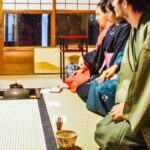
The Price Is Best Judged by What You Add
At US$15.79, the entry price can look like a bargain, but it is not a reliable estimate for every visitor’s total. Men’s kimono starts at US$30.55, a couple plan at US$51.80, women’s lace kimono at US$49.69, and more formal choices such as furisode and homongi cost more. Japanese makeup is an additional option from US$27.75.
The value is in getting the outfit and essential accessories together, plus a convenient starting point near Gion’s main sights. Free luggage storage is useful if you arrive with bags, and professional dressing helps keep the kimono in place as you walk. Women’s hairstyling can add a finished look without requiring you to arrange a separate appointment, provided you book the correct plan.
There are optional services with extra costs. Next-day return and returning to a different Aiwafuku shop are available as paid options. If you are considering a photo plan, check what it includes and how it fits with your rental time. One customer who booked a rental for a photo session had a wait of about 30 minutes and a further delay to the shoot. That does not mean every appointment will run late, but it is a good reason to avoid a tight schedule.
Plan for a Full Day, Not Just the Dressing
The dressing process takes about 40 minutes, but the rental day can stretch much longer. The listed route totals several hours of sightseeing, and the return deadline is 5:30 pm. Your selected start time is confirmed with your booking; the available start time shown is 9 am. Keep your phone handy for the mobile voucher and arrive on time.
If you are more than 30 minutes late, the stated charge is ¥500 per person. The kimono must be treated with care: loss, staining, or damage can result in a ¥20,000 charge. Store valuables with you even though the shop can hold other belongings. Large suitcases can be stored free.
Children need to be at least 140 cm tall, and those who meet that height are charged the adult rate. Visitors with physical disabilities can take part if they are able to stand for two to three minutes while the kimono is put on. These are worth checking before booking, especially for a family outing.
Who Should Book This Gion Rental
I would choose this experience if you want to wear a kimono while exploring Gion without spending half the day traveling between the rental shop and the sights. It suits couples looking for a shared activity, families with children who meet the height requirement, and solo visitors who want a memorable outfit for photos. The multilingual staff and broad selection also make it a comfortable option if you have never worn a kimono.
It is less suitable if you want a guided cultural tour, since the walk is self-guided, or if you need a fixed-time photo session with no room for delays. It is also worth reconsidering if you dislike changing clothes, walking in sandals, or keeping an eye on a return deadline.
Book it if the outfit is part of the fun for you, and choose the package with care. Confirm whether hairstyling, makeup, and photography are included, leave extra time before any appointment, and return by 5:30 pm. With those details sorted, the shop’s location and the close-knit Gion route make this an easy way to add a little ceremony to a Kyoto day.
Kyoto Gion | Kimono Rental with Hair Set, Makeup & Photo Shot
“We brought our parents here to experience wearing kimonos, and the service was exceptional! Because of our schedule, we arrived early, and the shop…”
FAQ
Where is the Aiwafuku Gion Shijo shop?
It is at 151 Tokiwacho, Yamatooji-dori Shijo-agaru, Higashiyama-ku, Kyoto. The shop is on the third floor of a five-story building, with Otowa Sushi on the first floor.
How do I get to the shop?
It is a one-minute walk from Gion-Shijo Station on the Keihan Main Line. Kyoto-Kawaramachi Station and a nearby bus stop are also within walking distance.
How long does kimono preparation take?
Allow about 40 minutes: roughly 10 minutes to choose a kimono, 15 minutes for dressing, and 15 minutes for hairstyling when it is included in your plan.
Is hairstyling included?
It depends on the plan. Select the with-hairstyling option if you want the hair set and unlimited hair accessories. The no-hairstyling option does not include those services.
Is makeup included?
Japanese makeup is listed as an optional add-on. Check your selected package to confirm its price and whether it is included.
Does every package include a photo shoot?
The available details describe a popular plan with a 30-minute photo shoot, but do not establish that photography is included with every rental. Confirm the inclusions for your chosen package before booking.
What does the rental include?
The dressing package includes the kimono, undergarment, obi and obi accessories, bag, socks, and sandals. Free luggage storage is also available.
Can I rent a yukata?
Yes. Yukata rentals are available from mid-June to August.
Is there a minimum height for children?
Participants must be at least 140 cm tall. Children who meet the height requirement are charged the same rate as adults.
When must I return the kimono?
You must return to the shop by 5:30 pm. The shop closes at 6 pm.