Kyoto’s bamboo paths, Nara’s free-roaming deer and Fushimi Inari’s red torii gates make a strong trio, but visiting all three in one day takes planning. This shared bus tour handles the long transfers and lets you spend your time exploring rather than figuring out trains.
I like two things in particular: the choice of Osaka or Kyoto departure and drop-off, which can simplify a Kansai trip, and the generous 2.5-hour stop in Arashiyama. Guides such as Zoey, Apple and Momo are often praised for clear directions, multilingual help and useful food and photo tips.
The trade-off is a busy day with fixed stop times. You’ll need to choose what matters most at each place, and weekend traffic can delay the return by hours.
- The quick take
- Three famous places, one long day
- Arashiyama: bamboo, bridges and a choice of pace
- Nara Park: deer, crackers and a tight clock
- Fushimi Inari: walk uphill for a quieter view
- The ride, guide and meeting details
- What the price covers, and what it does not
- Practical limits worth knowing
- Should you book this Kyoto and Nara day tour?
- FAQ
- How long is the tour?
- Which places does the tour visit?
- Can I start in Osaka and finish in Kyoto?
- What languages are offered?
- Are meals and optional activities included?
- How much time is available at each stop?
- Can children join the tour?
- What happens if traffic changes the schedule?
- The Best Of Nara!
- More Tours in Nara
- More Tour Reviews in Nara
- Not for you? Here's more nearby things to do in Nara we have reviewed
The quick take
 1 / 9
 2 / 9
 3 / 9
 4 / 9
 5 / 9
 6 / 9
 7 / 9
 8 / 9
 9 / 9
- Arashiyama gets the longest stop: Set aside about 2.5 hours for the bamboo grove, Togetsukyo Bridge, shops or an optional paid activity.
- Nara Park is a short visit: About 70 minutes is enough for deer and a focused walk, but not for every temple and shrine in the park.
- Fushimi Inari gives you time to walk beyond the first gates: The stop is about 90 minutes. A short walk uphill can thin the crowds, but climbing the whole mountain is not a realistic goal.
- You can choose your start and finish city: The packages offer Osaka or Kyoto meeting points, with optional drop-off in either city.
- Guides and group format can vary: The tour is shared. Groups under 12 use a smaller vehicle with a driver only; larger groups get a driver and guide.
- Budget for your own extras: Meals, drinks, deer crackers and optional kimono, rickshaw or scenic train experiences are not included.

👉 See our pick of the 5 Best Historical Tours In Nara
Three famous places, one long day
This tour covers a broad sweep of Kansai sights: Arashiyama in Kyoto, Nara Park and Fushimi Inari Taisha. Each place has a different mood. Arashiyama mixes mountain scenery, temples and shops; Nara brings you close to deer and major historic sites; Fushimi Inari is a shrine route framed by rows of vermilion gates.
The appeal is practical as much as scenic. Transfers between these places can eat up time, and arranging three separate stops by public transport takes effort. A shared vehicle takes care of the main transport, tolls, fuel and parking, while a guide can explain the day’s plan and help you keep track of meeting times.
This is not a private tour or a slow, in-depth visit to each location. Think of it as a well-organized sampler, with enough time to enjoy each stop if you make choices in advance. Travelers who want to see temples inside and out, hike Mount Inari, or linger over lunch should consider giving the sites separate days.
You can also read our reviews of more tours and experiences in Nara.

Arashiyama: bamboo, bridges and a choice of pace
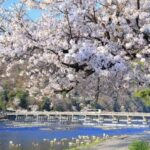
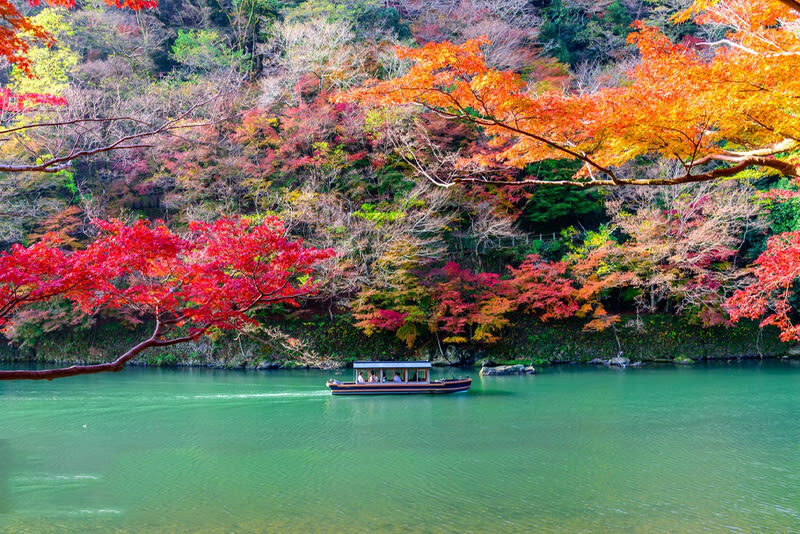
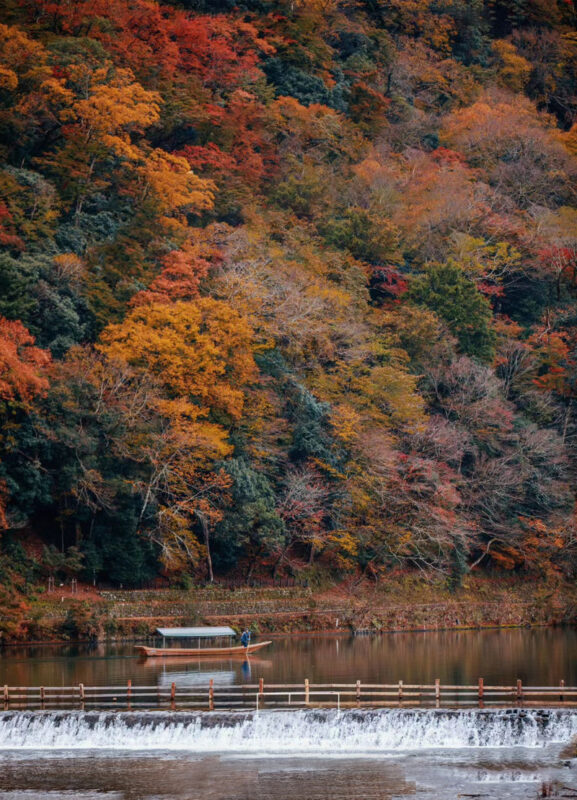
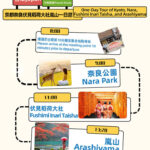
Arashiyama is the first stop, with arrival listed around 9:20 and about 2.5 hours to explore. The area includes Arashiyama and Sagano, with a famous bamboo grove, historic temples, shops and the Katsura River setting. Tenryu-ji, a World Heritage site, is one of the area’s best-known temples, while Togetsukyo Bridge is a familiar landmark and a popular place for seasonal views.
The bamboo grove is a short, memorable walk, but it can be crowded. If you want a quieter feel, use some of your free time to wander beyond the main path rather than treating the grove as the only reason to stop. The area also has old restaurants, Japanese confectionery shops and small stores, so you can use the visit for a snack and a look around.
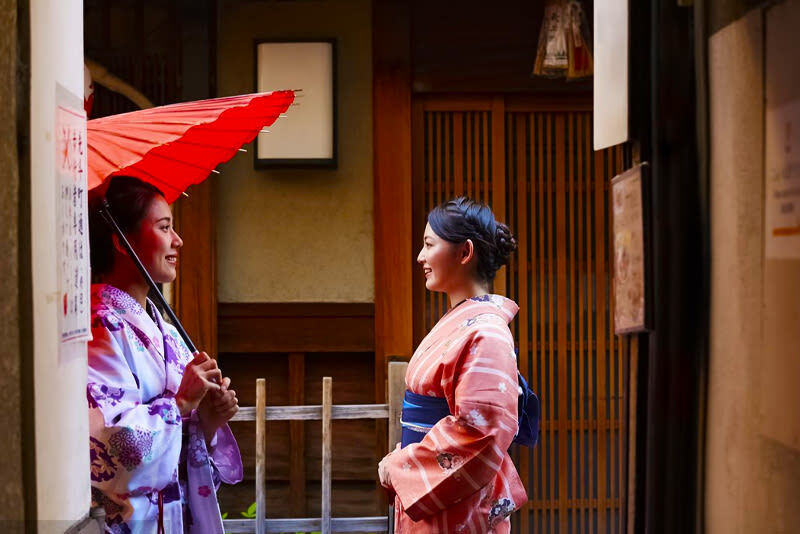
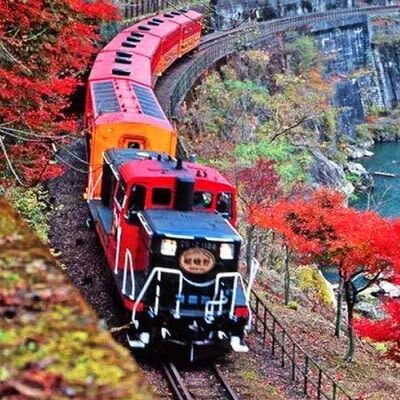
Several activities are available at your own expense, including a kimono rental, rickshaw ride and Sagano Romantic Train ride. They are tempting, but 2.5 hours is not enough to do everything at a relaxed pace. If one matters to you, decide before the day and check its cost and availability. Capacity or weather may also affect access to some activities.
Season makes a real difference here. Cherry blossoms usually draw crowds in late March and early April, while autumn color is expected from mid-November to early December. Summer brings fresh green bamboo, and winter can feel quieter. Bloom and foliage timing depend on the year, so treat seasonal dates as estimates, not promises.
Nara Park: deer, crackers and a tight clock
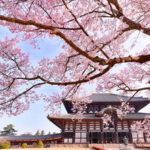
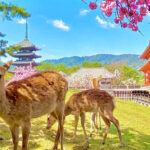
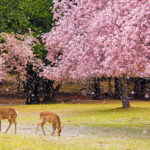
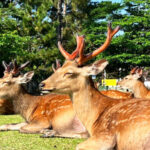
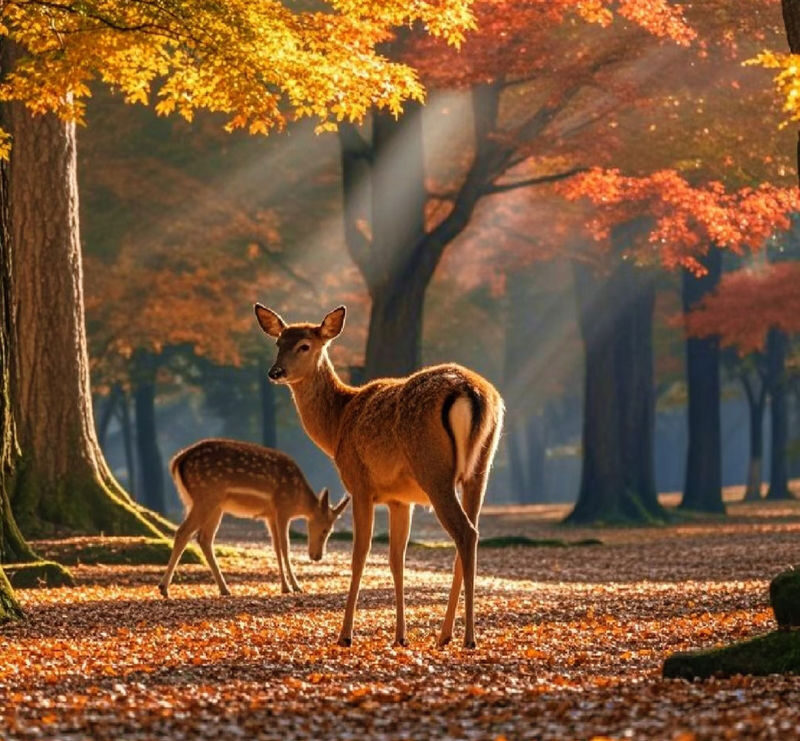
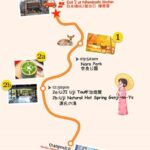
The tour reaches Nara Park at about 13:05, with roughly 70 minutes on site. The park sits at the foot of Mount Wakakusa and is home to important sights including Todai-ji Temple and Kasuga Taisha Shrine. Its best-known residents, however, are the free-roaming deer.
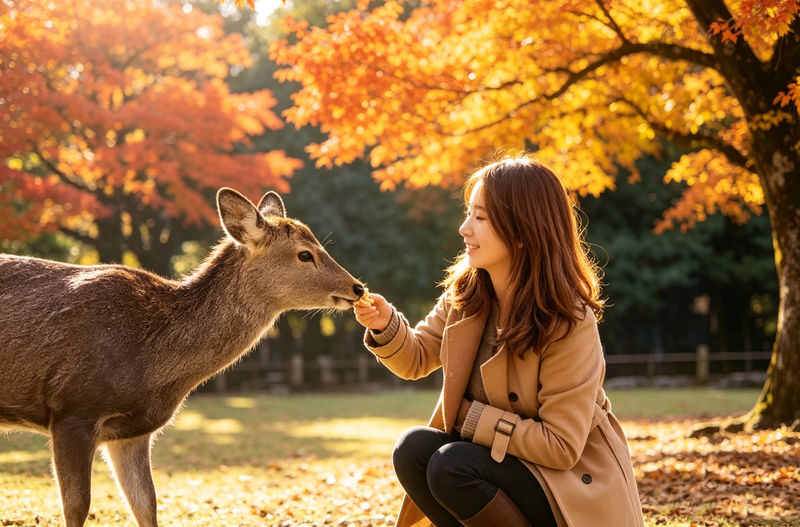
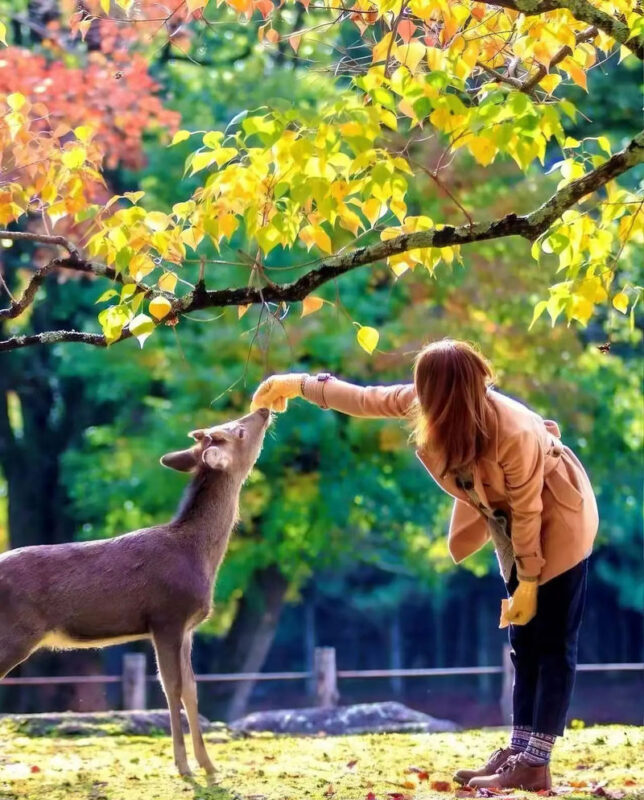
You can buy a pack of deer crackers for about 200 yen and feed the deer. They may bow as they ask for food, but do not mistake that gesture for a guarantee of gentle manners. A group can move in quickly, and the tour’s own advice is sensible: keep your belongings secure, feed carefully and step away if the deer crowd you.
The short stop means you’ll need to set a priority. A quick deer encounter and a walk through part of the park fit the time more comfortably than trying to visit the Great Buddha, Kasuga Taisha and Mount Wakakusa as well. The hill offers a broad view over Nara, but a climb takes time. If you have a temple high on your list, choose it before leaving the bus.
This is a particularly appealing stop for families, though parents should keep children close around the deer. Children from age two pay the adult rate. Children aged zero to two can ride free only if they do not need a separate seat, and the operator asks families to notify it in advance.
Fushimi Inari: walk uphill for a quieter view
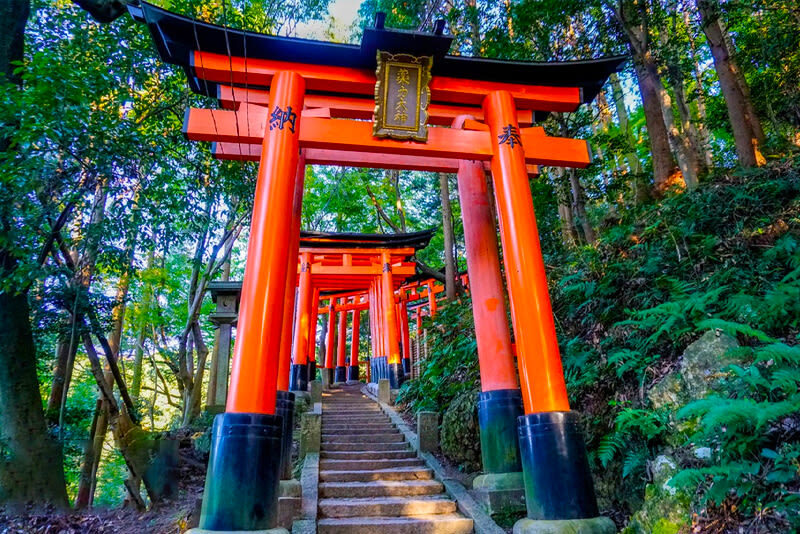
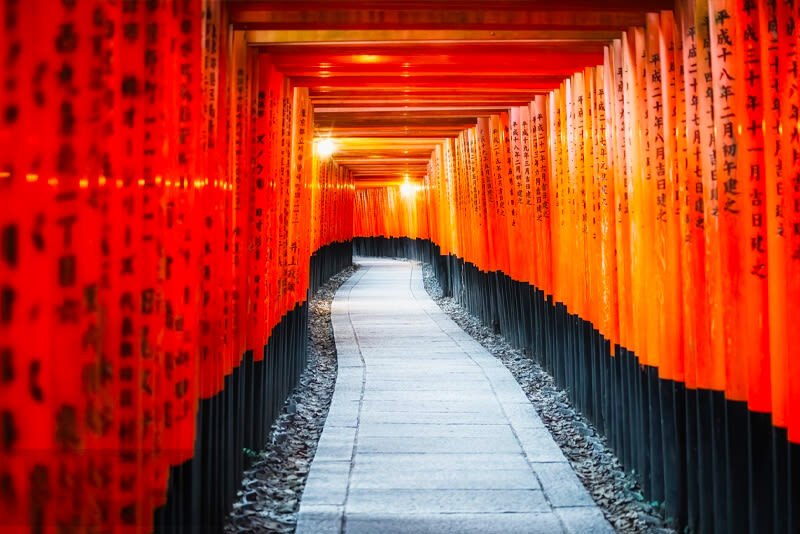
The final sightseeing stop is Fushimi Inari Taisha, scheduled for about 15:20 with 90 minutes to explore. The shrine is dedicated to Inari Okami, associated with harvests and business prosperity. Its famous Senbon Torii, or thousand torii gates, form corridors of bright vermilion along Mount Inari.
Many people stop near the first gates for photos. If you walk farther uphill, the crowds can thin, and even a short climb can offer a different view of the shrine path. But the mountain route is extensive, so 90 minutes is not enough to walk the full circuit and return without rushing. Wear shoes you can walk in and choose a turnaround point before setting off.
This is a meaningful place as well as a photogenic one. The gates are donated by worshippers, and the shrine draws large crowds for New Year prayers. If you arrive during a busy period, be patient around the most popular photo spots and keep the group’s return time in mind.
The ride, guide and meeting details
The tour runs about 10 hours, but the return time depends on your chosen drop-off and the road. The schedule lists the return from 17:05, with a Kyoto Station Hachijo Exit drop-off around that time and an Osaka return to Kani Doraku Dotonbori-higashi Branch around 18:20. You can choose an Osaka or Kyoto meeting point and select an optional drop-off in either city.
For the Osaka departure, gather at 7:10 at Kani Doraku Dotonbori-higashi Branch for a 7:20 departure. Arrive on time: late arrivals and no-shows are not refunded. Kyoto meeting details differ, so check the tour email carefully. The operator sends vehicle and guide details the day before, and asks you to check your spam folder and keep your phone available.
Guide service is offered in English, Chinese or Japanese. The vehicle arrangement depends on group size: fewer than 12 participants means a vehicle with fewer than 14 seats and a driver but no tour guide; groups above 12 have a driver and guide. Either way, this is a shared ride, so you’ll travel with other people and need to stick to the group’s meeting times.
Past guides named Zoey, Apple, Momo and Eric have drawn particular praise for clear communication, patience and practical recommendations. The most useful quality on a day like this is not a long lecture. It is a guide who repeats where and when to meet, gives clear directions and helps you avoid wasting your short stops. Some guides also share local food suggestions and help with photos.



What the price covers, and what it does not
Prices start at $44.85, which can be good value if you want transport between three widely spaced sights without arranging the connections yourself. Round-trip transfers from your meeting point, tolls, parking and fuel are included, along with guide service when the group size calls for one.
Meals, drinks, tips and personal purchases are extra. So are the optional kimono, rickshaw and scenic train experiences. Deer crackers cost about 200 yen per pack. Bring some cash for small purchases and any attraction expenses you plan to make, and remember that optional activities can take a noticeable bite out of your free time as well as your budget.
The value is strongest for a first visit, a short stay or anyone who wants a straightforward day out from Osaka or Kyoto. It is less compelling if you prefer to set your own pace or want a long visit at each shrine and temple. You’re paying for convenience and breadth, not a private guide or unhurried access.
Practical limits worth knowing
Traffic, weather, holidays and crowds can change the order of the stops or shorten time at an attraction. Weekend and public-holiday congestion may add two to five hours to the day, so avoid booking a tight dinner reservation or another fixed activity for the evening. The operator may shorten or remove stops when conditions require it.
Keep to the agreed meeting time at each stop. The tour guide can wait up to five minutes; after that, you may have to make your own way to the next meeting point, with no refund for a late arrival or leaving the group. The service also does not include travel or accident insurance, so arrange your own cover if you need it.
If you are carrying large luggage, tell the operator when booking. Sealed light snacks and unopened drinks may be brought on the bus, but eating is not allowed inside. Travelers aged 65 or older must be fit for the trip and accompanied by a family member or friend aged 22 or above. The operator lists several conditions that make participation unsuitable, including heart disease, high blood pressure, asthma, epilepsy, acrophobia and pregnancy.
Should you book this Kyoto and Nara day tour?
Book it if you want to connect Arashiyama, Nara Park and Fushimi Inari in a single day and value having the transport organized. The flexible Osaka and Kyoto options are especially useful if your lodging or onward plans are split between the two cities. I’d also consider it for a first Kansai visit, when seeing the main sights matters more than spending hours at any one of them.
Skip it if you want an unhurried temple visit, a full Mount Inari walk or time for every Arashiyama attraction. Before booking, choose your must-do at each stop, check the exact meeting and drop-off option, and leave your evening open. With realistic expectations, this is an efficient way to see three very different corners of the region.
Kyoto Fushimi Inari, Nara Park & Arashiyama Day Tour (Optional pick-up/drop-off in Osaka/Kyoto)
“This was an amazing experience with incredible value for the price. Our tour guide, Nimo, was thorough, provided detailed bilingual commentary, and…”
FAQ
How long is the tour?
The tour lasts about 10 hours. The schedule lists a return from 17:05, with an Osaka drop-off around 18:20.
Which places does the tour visit?
The stops are Arashiyama, Nara Park and Fushimi Inari Taisha. The order may change because of traffic, weather or crowd conditions.
Can I start in Osaka and finish in Kyoto?
Yes. Package options allow an Osaka or Kyoto meeting point and an optional drop-off in Osaka or Kyoto.
What languages are offered?
Guide service is available in English, Chinese and Japanese. For groups of fewer than 12, the vehicle may have a driver only and no tour guide.
Are meals and optional activities included?
No. Meals, drinks and personal expenses are not included. Kimono rental, rickshaw rides and the Sagano Romantic Train are optional and at your own expense.
How much time is available at each stop?
The schedule allows about 2.5 hours in Arashiyama, 70 minutes in Nara Park and 90 minutes at Fushimi Inari. Traffic and other conditions may change these times.
Can children join the tour?
Children aged two and older pay the adult rate. Children aged zero to two may ride free if they do not occupy a separate seat, but the operator asks you to notify it in advance.
What happens if traffic changes the schedule?
The stop order or time at attractions may change because of traffic, weather, holidays or crowds. Delays of two to five hours are possible on busy days, so keep your evening plans flexible.