Kyoto’s headline sights are spread across the city, and this full-day bus tour links five of them in one long loop: Fushimi Inari, Kiyomizu-dera, Kinkaku-ji, Ryoan-ji and Arashiyama. You get an English-speaking guide for context, then time at each stop to explore on your own.
I like the mix of guided storytelling and independent time, which lets you hear the background without following a guide every minute. I also like that the bus has air conditioning and admission to three temples is included, practical comforts on a packed sightseeing day.
The trade-off is the pace: five major stops, with about an hour at most and an hour and a half in Arashiyama, leaves little room to linger. If you want long temple visits or a slow wander, this tour may feel rushed.
- The useful details at a glance
- A full Kyoto day, without planning every transfer
- Fushimi Inari: red gates and a short visit
- Kiyomizu-dera and the old lanes below it
- Kinkaku-ji: the Golden Pavilion in its pond setting
- Ryoan-ji: a quieter pause for the Zen garden
- Arashiyama: bamboo, temple, bridge and shops
- The guide, the bus and the value of the day
- Who should book this Kyoto bus tour?
- FAQ
- How long is the Kyoto bus tour?
- Where does the tour start and finish?
- How early should I arrive?
- Which temple admissions are included?
- Are meals and drinks included?
- Is the tour guided in English?
- How much free time do I get at each stop?
- Is the tour wheelchair-accessible, and are child seats available?
- Can I cancel for a full refund?
- The Best Of Kyoto!
- More Tours in Kyoto
- More Tour Reviews in Kyoto
- Not for you? Here's more nearby things to do in Kyoto we have reviewed
The useful details at a glance
 1 / 9
 2 / 9
 3 / 9
 4 / 9
 5 / 9
 6 / 9
 7 / 9
 8 / 9
 9 / 9
- Five classic Kyoto stops in one day: Fushimi Inari, Kiyomizu-dera, Kinkaku-ji, Ryoan-ji and Arashiyama make a strong first-timer’s route.
- Three admissions are included: Kiyomizu-dera, Kinkaku-ji and Ryoan-ji are covered. Meals, drinks and personal spending are not.
- The bus saves cross-city travel time: Air conditioning makes the ride between stops more comfortable than stitching together every leg yourself.
- Free time is part of the plan: Your guide provides context, then you can explore, take photos, shop or look for food at your own pace.
- Arashiyama gets the longest stop: Its 90 minutes can cover the bamboo grove, Tenryu-ji, Togetsukyo Bridge and nearby shops, but you will need to choose your priorities.
- Guides are a key part of the experience: Kanta and Yasuko are named for their thoughtful, attentive approach. Kanta is also noted for helping with photos and practical shopping needs.

👉 See our pick of the 25 Best Workshops And Classes In Kyoto
A full Kyoto day, without planning every transfer
The tour leaves at 8:00 a.m. from the Tourist Bus Station at Kyoto Station’s Hachijo entrance and returns to the same area at about 6:00 p.m. That gives you ten hours out, including travel between sights. The exact schedule can shift with traffic and weather, so treat the listed stop times as a plan rather than a guarantee.
For a first visit, the route makes good sense. You get a major shrine, a UNESCO-listed temple, two famous temple gardens and a scenic district in the west. Each stop has a different feel, and the bus takes care of the connections that can otherwise eat into a day.
There is a cost to that convenience. This is a sampler, not an unhurried temple tour. You will have to keep an eye on the clock, especially at places with more to see than a one-hour stop can comfortably hold.
You can also read our reviews of more tours and experiences in Kyoto.

Fushimi Inari: red gates and a short visit
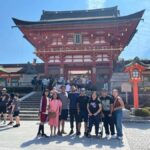
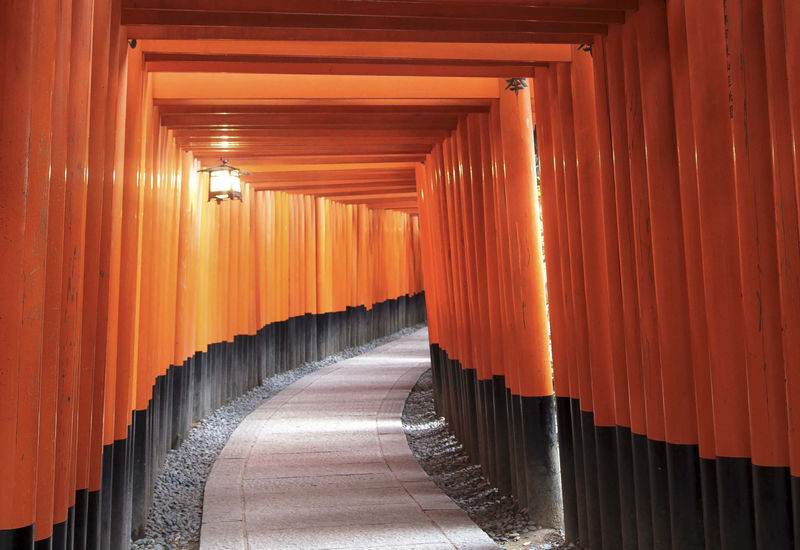
Your first stop is Fushimi Inari Taisha, with an hour to walk beneath its celebrated rows of red torii gates. The gates make this one of Kyoto’s most recognizable sights, and the path offers plenty of striking photo angles. The shrine is also a place of worship, so take a moment to notice the spiritual setting as well as the familiar scenery.
The hour is enough to get a feel for the place and enjoy a stretch of the route. It is not time to take every path at a leisurely pace. If you like to stop often for photos, decide early how far you want to walk before turning back toward the bus.
This stop is listed as self-guided. That gives you freedom to set your own pace, but you should not expect a guided walk through the shrine grounds. The day’s broader explanations come from your English-speaking guide, with independent exploring at the stops.
Kiyomizu-dera and the old lanes below it
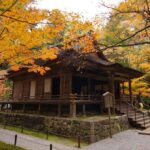
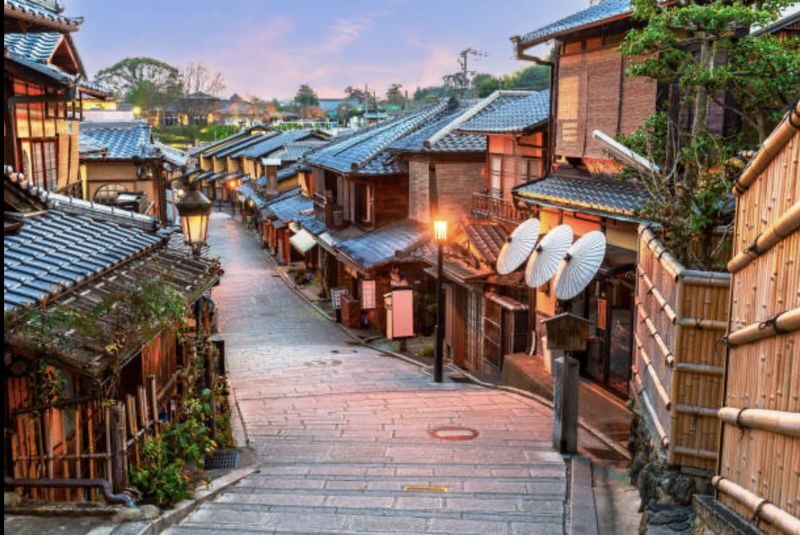
Kiyomizu-dera gets about an hour, and its admission is included. The temple is a UNESCO World Heritage Site and one of Kyoto’s defining landmarks. The nearby streets of Sannenzaka and Ninenzaka add a different layer to the visit, with traditional-looking lanes and shops to browse.
This is a good place to decide what matters most to you. You can spend the hour at the temple, take in the surrounding lanes, or divide your time between both. Trying to inspect every corner and shop in depth will be a squeeze, so keep your priorities simple.
The stop is self-guided, which makes the included admission especially convenient: you can use the time as you please. If shopping is part of your plan, Kanta has been noted for patiently helping with practical purchases. That sort of assistance can be useful when you are trying to find a particular item in an unfamiliar area, though it is not something to assume every guide will do.
Kinkaku-ji: the Golden Pavilion in its pond setting
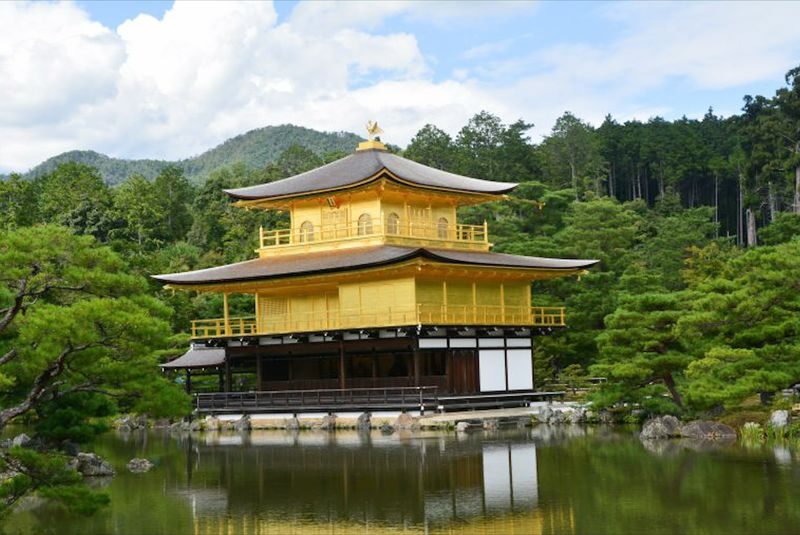
At Kinkaku-ji, you get an hour to see the Golden Pavilion and its reflection in the surrounding pond. Admission is included. The setting is the main event: the bright pavilion against the water makes a memorable contrast with the quieter garden around it.
This is a popular, compact visit, so the time can pass quickly. You will have an opportunity to see the pavilion and walk through the grounds, but this is not a long garden stay. If you are hoping for a slow, contemplative visit, the schedule may feel brisk.
The self-guided format is useful here. You can pause for photos or move through at your own pace instead of being tied to a group explanation at every point. The guide’s role is to provide context and help you make sense of Kyoto’s cultural traditions across the day.
Ryoan-ji: a quieter pause for the Zen garden
Ryoan-ji offers a different mood from the famous gold pavilion and the crowds around Kyoto’s best-known sights. Its Zen rock garden is the focus, and the hour-long stop gives you time to sit with the spare arrangement and its calm atmosphere. Admission is included.
I would treat this as a chance to slow down, even if only briefly. A rock garden is not a checklist attraction; its appeal lies in looking carefully and giving yourself a few quiet minutes. If you use the whole stop rushing from one photo to the next, you may miss what makes Ryoan-ji distinct.
This stop is also self-guided. That means you can decide how long to spend with the garden, but you should not count on a detailed guided interpretation on site. The tour’s value is the combination of an overview from the guide and the freedom to look at each place in your own way.

Arashiyama: bamboo, temple, bridge and shops
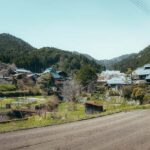
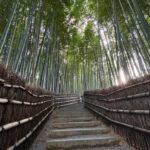
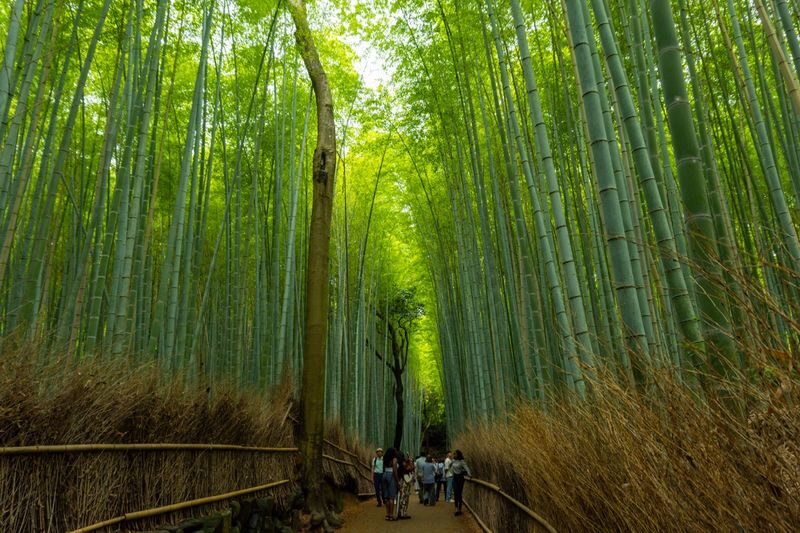
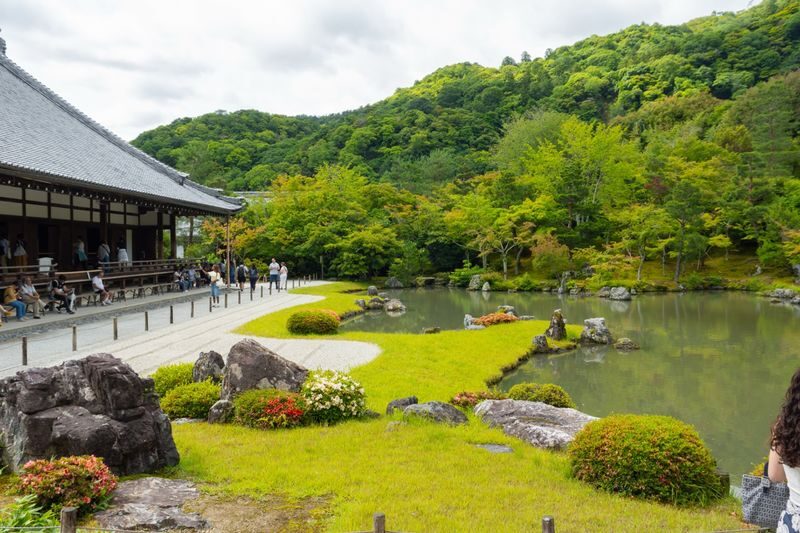
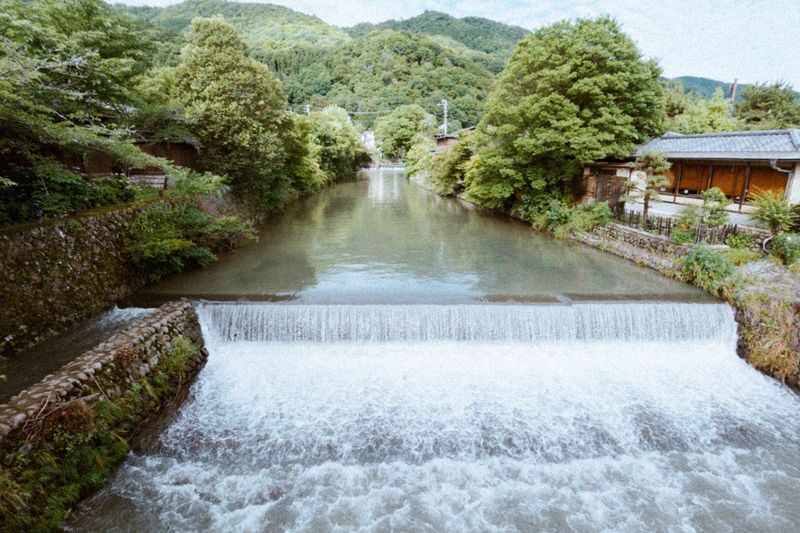
Arashiyama gets the longest visit, at an hour and a half. The planned possibilities include the Bamboo Grove, Tenryu-ji Temple, Togetsukyo Bridge and local shops, with mountain scenery around the district. It is a useful amount of time for a first look, but not enough to linger at every stop.
The bamboo grove is the obvious draw, but try not to make it your only target. You can also walk toward the bridge or browse the shops, depending on your pace and interests. Tenryu-ji is another option, though the tour information does not say that its admission is included. Check the current details before planning your spending around it.
This is the day’s best chance to enjoy Kyoto’s natural setting as well as its religious sites. Still, the time limit means choices matter. If the bamboo grove is your priority, head there first; if you would rather spend time by the river or in the temple area, plan accordingly.
The guide, the bus and the value of the day
An English-speaking guide shares stories about Kyoto’s history, religion and traditions, then gives you room to explore. That arrangement works well for people who want some cultural context but dislike being shepherded through every minute. The feedback on guides Kanta and Yasuko points to an attentive, friendly style, and Kanta has also been praised for taking photos and helping someone look for items to buy.
The air-conditioned bus matters because this is a long day with several stops across Kyoto. You avoid having to work out every transfer and can rest between visits. One person specifically noted that the air conditioning was welcome, and the free time at each destination was enough to make the day enjoyable. The bus will not remove the walking: you should still expect to spend much of the day on your feet.
Prices are presented from $55.19, while the named kyotobustour package is shown from $78.85. Because the package details and final price can vary, check the amount for your selected date before booking. To judge value, weigh the bus, guide, five scheduled sightseeing stops and three included temple admissions against the time you save planning and moving around independently. Meals, drinks and other personal costs remain yours.
The operator, Yatra, has a 95% good-review rate across 1,822 reviews, while the tour itself has a much smaller set of three five-star ratings. That is encouraging but not a guarantee of your own experience. The strongest practical signs are the positive comments about the guide, the freedom to roam and the comfort of the air-conditioned bus.
Who should book this Kyoto bus tour?
I would recommend it if this is your first Kyoto visit and you want to see the headline sights without arranging transport between them. It also suits you if you like having a guide available for context but prefer to wander independently once you reach a temple or neighborhood.
It is less suited to anyone who wants a slow day, long temple visits or a deep focus on one district. The schedule is full, the stops are brief, and Arashiyama alone can easily absorb more time than the tour allows. If you already know Kyoto or want a more personal pace, choose fewer sights and give each one more room.
Arrive at the Hotel Vischio Kyoto by GRANVIA meeting point at least 15 minutes before the 8:00 a.m. departure. Late arrivals and no-shows are not refundable. There are no child seats, and the activity is not wheelchair-accessible. The tour has no age limit, but the amount of walking and the tight schedule are worth considering for your group.
Book this tour for a practical, broad introduction to Kyoto, not for a leisurely deep exploration. You get an efficient route, three included admissions, an English-speaking guide and time to make each stop your own. Just arrive early, choose your priorities at each site and accept that this many landmarks in one day means keeping an eye on the clock.
Kyoto Bus Tour: Fushimi, Kiyomizu, Kinkaku-ji & Arashiyama
“Our guide Kanta is really good, thoughtful and knowledgeable. He takes beautiful photos. And patiently helps us to look for items which we need to…”
FAQ
How long is the Kyoto bus tour?
It departs at 8:00 a.m. and is scheduled to return at 6:00 p.m. Traffic or weather can change the schedule.
Where does the tour start and finish?
It starts and ends at the Tourist Bus Station by Kyoto Station’s Hachijo entrance, near Hotel Vischio Kyoto by GRANVIA.
How early should I arrive?
Arrive at least 15 minutes before departure. Late arrivals and no-shows cannot receive a refund.
Which temple admissions are included?
Admission to Kiyomizu-dera, Kinkaku-ji and Ryoan-ji is included.
Are meals and drinks included?
No. Meals, beverages and personal expenses are not included.
Is the tour guided in English?
Yes. An English-speaking guide shares information about Kyoto’s history, religion and traditions.
How much free time do I get at each stop?
The schedule allows one hour each at Fushimi Inari, Kiyomizu-dera, Kinkaku-ji and Ryoan-ji, plus an hour and a half in Arashiyama.
Is the tour wheelchair-accessible, and are child seats available?
No. The activity is not wheelchair-accessible, and child seats are not available.
Can I cancel for a full refund?
Yes, if you cancel at least 24 hours before the activity date, using destination local time.