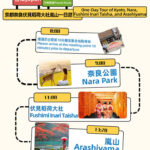
Nara’s deer, Arashiyama’s bamboo grove and Fushimi Inari’s miles of red torii gates make an unusually varied day out. This tour links all three by road, so you can trade train changes and route planning for a full day of sightseeing with a guide and round-trip transport from Kyoto or Osaka.
I like the mix of wildlife and shrine visits, which gives the day more texture than a string of photo stops. I also like that guides often share practical directions and food tips, with guides such as Willa, Amy and Fiona praised for clear communication and good pacing.
The trade-off is time: Nara gets about an hour, Arashiyama three hours and Fushimi Inari an hour and a half. That is enough to see the main sights, not enough for a leisurely temple visit, long lunch and unhurried wandering at every stop. Expect a brisk day, and lots of walking.
- At a glance
- Three famous stops, one long day
- Nara Park: a close encounter, with an hour on the clock
- Arashiyama: bamboo, bridge and traditional craft
- Fushimi Inari: walk beneath the red torii
- The guide and transport make the route workable
- What the pace feels like in practice
- Is .85 good value?
- Who should book this day trip?
- FAQ
- How long is the tour?
- Where can I depart from?
- What is included in the price?
- Are meals and drinks included?
- Is Tenryu-ji Temple admission included?
- How much time is set aside at each main stop?
- When will I receive the guide information?
- How early should I arrive at the meeting point?
- Do infants and children need to be included in the booking?
- The Best Of Kyoto!
- More Tours in Kyoto
- More Tour Reviews in Kyoto
- Not for you? Here's more nearby things to do in Kyoto we have reviewed
At a glance
 1 / 9
 2 / 9
 3 / 9
 4 / 9
 5 / 9
 6 / 9
 7 / 9
 8 / 9
 9 / 9
- Nara Park brings the deer close: About an hour is set aside for a self-guided visit, including time to feed deer and take photos.
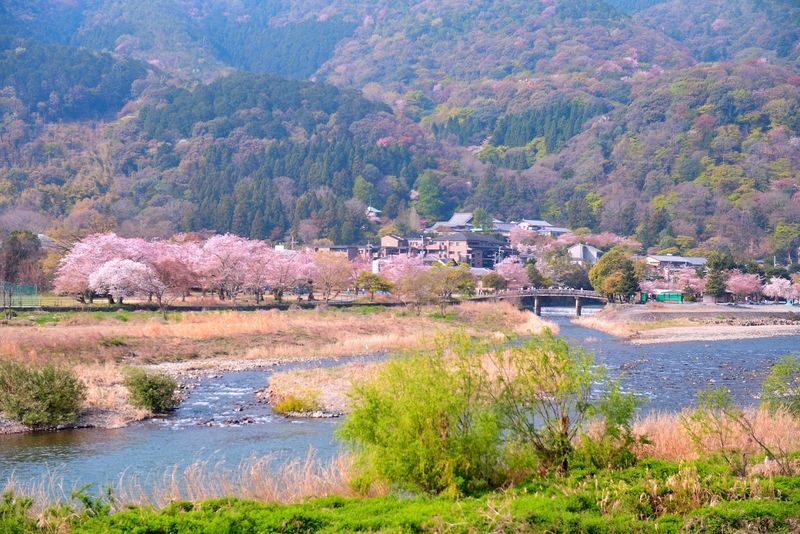
- Arashiyama packs several sights into one stop: Togetsukyo Bridge, the bamboo grove, Nonomiya Shrine and Kimono Forest are among the area’s highlights.
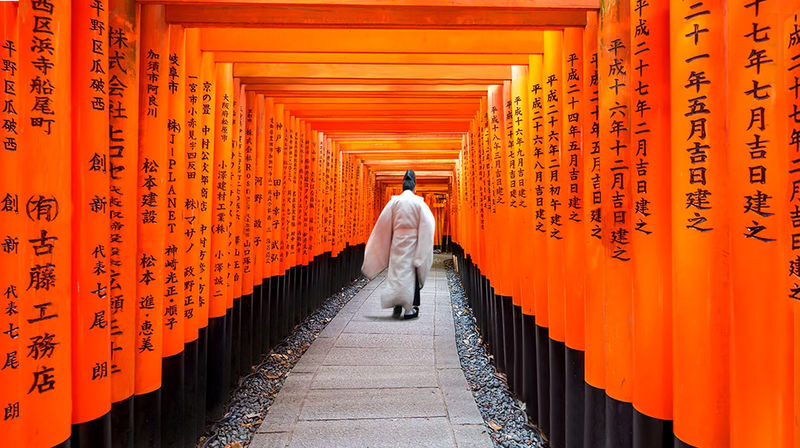
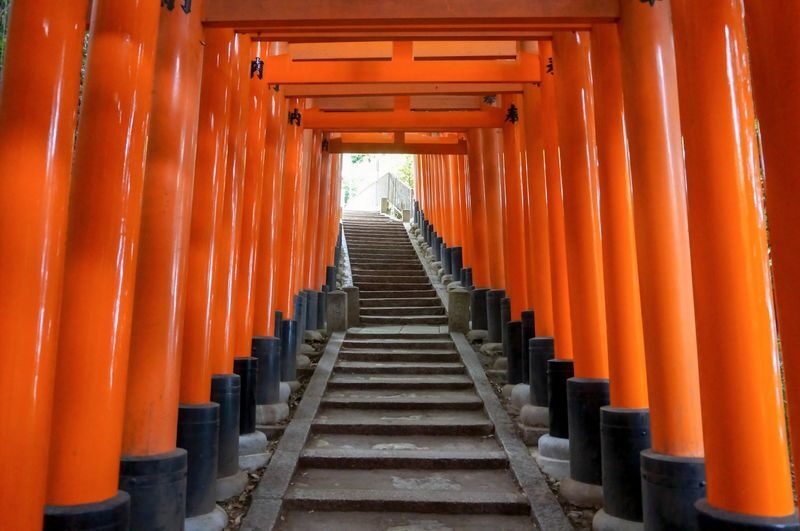
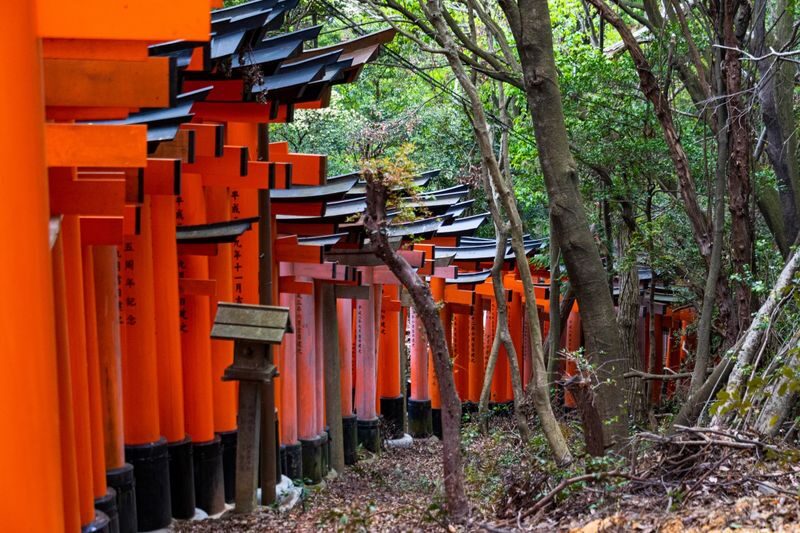
- Fushimi Inari gives you time for the famous gates: The 90-minute stop lets you walk through part of the Senbon Torii, the long corridor of red gates.
- Transport takes the strain out of the route: Round-trip transfers link the distant stops, with departure options from Kyoto or Osaka.
- Temple entry and meals cost extra: Tenryu-ji admission, food, drinks and personal purchases are not included.
👉 See our pick of the 25 Best Workshops And Classes In Kyoto
Three famous stops, one long day
This is a highlights tour, not a slow exploration of Kyoto and Nara. Its value lies in linking three places that sit apart from one another, then leaving you to explore each on foot during a set block of free time.
The day is scheduled from 8:00 to around 17:00, with return drop-off listed between 17:00 and 18:00. The exact order and timing may shift with traffic and weather. That flexibility matters: a road tour can cover ground efficiently, but traffic can squeeze the time available at a stop.
At $44.85 and up, the starting price is appealing for a full day that includes a guide and round-trip transport. The fare does not cover meals, drinks, temple entry or personal spending, so budget for those separately. The strongest value is convenience: you avoid planning connections between Nara, Arashiyama and Fushimi Inari yourself.
You can also read our reviews of more tours and experiences in Kyoto.
Nara Park: a close encounter, with an hour on the clock
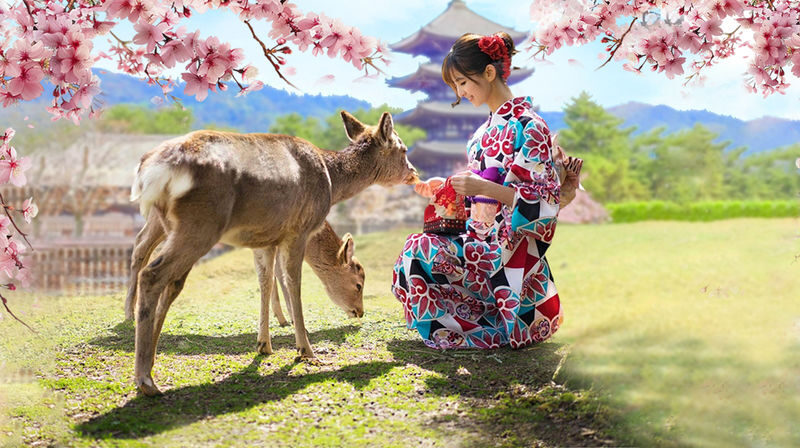
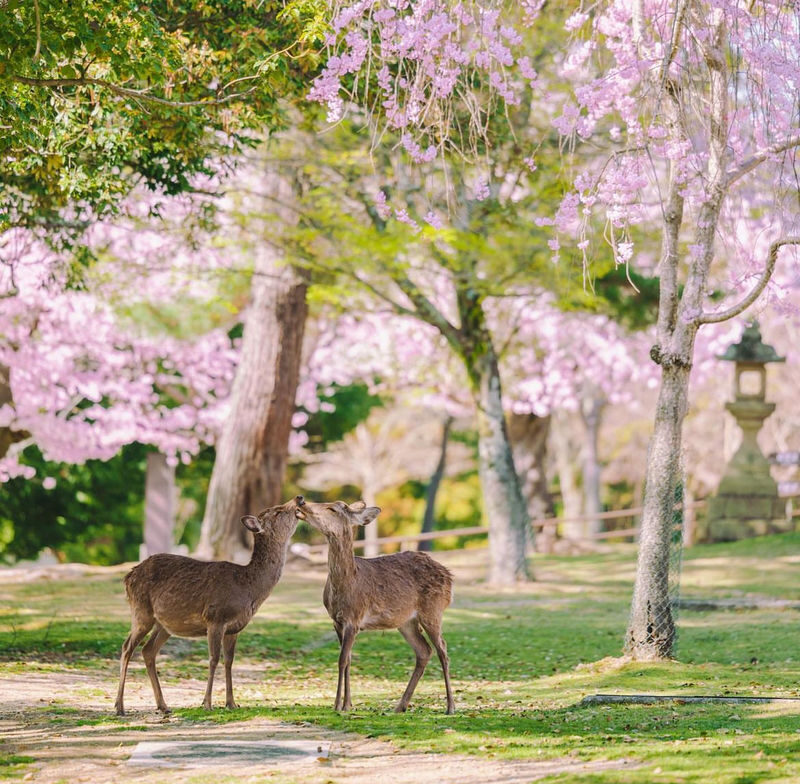
Nara Park is the day’s wildlife stop. Deer roam freely through the park, and you can watch them, take photos and feed them. Deer crackers are sold in the area, though the tour price does not include food or personal purchases.
These deer are not simply distant wildlife. They are accustomed to people and may approach when they see food. Keep your snacks put away, offer crackers carefully and follow local signs and guidance. Cute animals can be surprisingly direct when a treat is involved.
An hour is enough for a walk, a few deer encounters and photos, but not for a long park visit or a fuller exploration of Nara. If you have a particular temple or museum in mind, check how far it is from the meeting point and whether the stop leaves room for it. The schedule is built around the deer experience.
For families, this can be a memorable start to the day. Children should stay close, and adults will want to supervise feeding. Infants and children must be counted when booking; the activity is not recommended for children aged zero to one.
Arashiyama: bamboo, bridge and traditional craft
Arashiyama gets the longest stop, about three hours, and it needs the time. The area’s main sights are spread across a compact but busy district, where the river, bridge, shops, shrines and bamboo path each invite a pause.
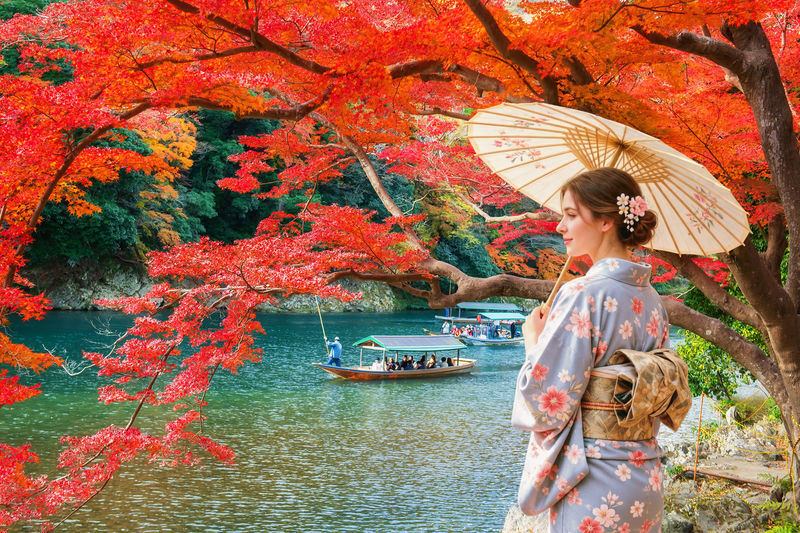
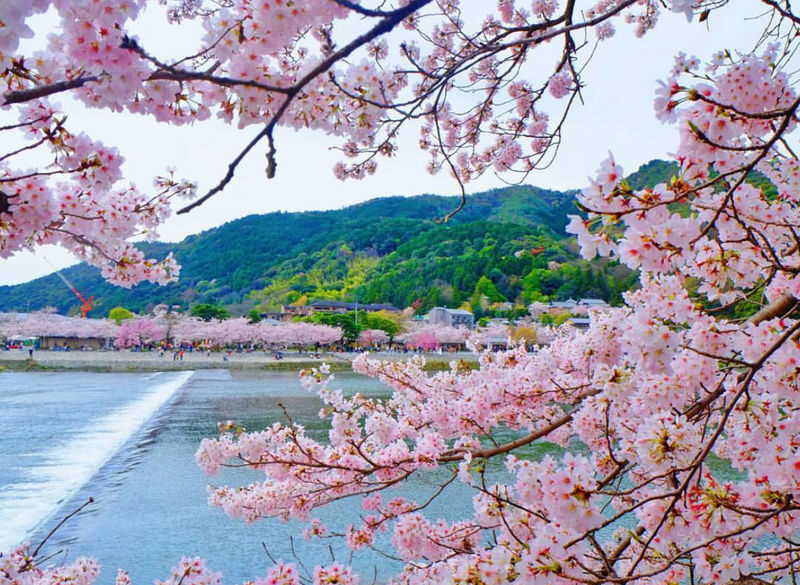
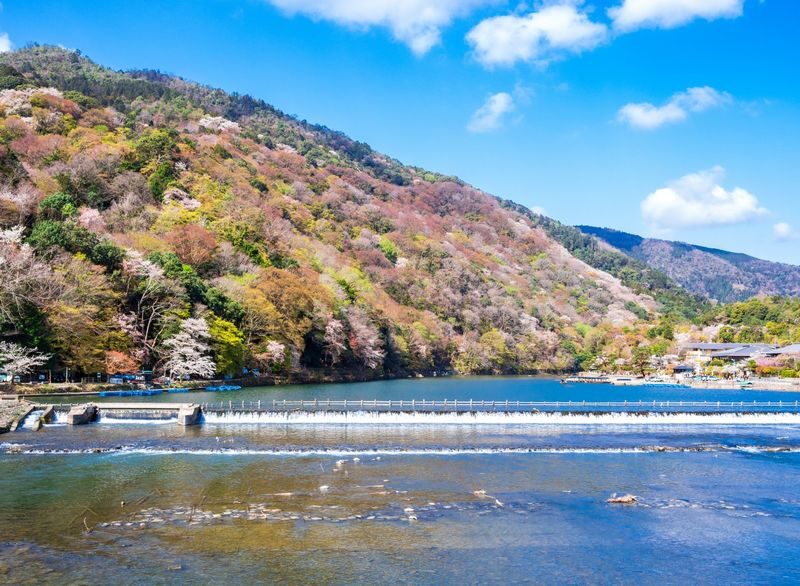
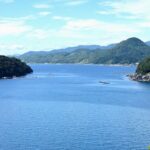
Togetsukyo Bridge is the classic river view. It is a working bridge as well as a photo spot, so expect people moving across it while you take in the surrounding hills and water. Its appeal changes with the seasons: the scenery is different in spring and autumn, while the bridge remains a useful landmark for getting your bearings.
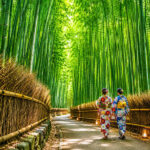
The Sagano Bamboo Forest is the stop most likely to match the picture in your head. Tall bamboo crowds the path and filters the light, creating a striking contrast with the open river views nearby. The path can be busy, so you may need patience for a clear photo. Walk it at a steady pace and notice the sound of the leaves rather than treating it only as a camera stop.
Nonomiya Shrine offers a quieter cultural pause. It is associated with prayers for love, health and happiness, and gives you a chance to see a small shrine setting amid the activity of Arashiyama. Take a moment to observe how people approach and make offerings, while keeping in mind that this is an active place of worship, not just a scenic backdrop.
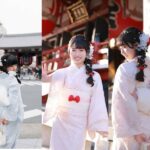
The Kimono Forest, near the railway area, is a very different display. Hundreds of pillars are wrapped in patterned Kyo-Yuzen fabric, showcasing a traditional textile art in a modern setting. It is easy to visit briefly, and makes a good contrast with the bamboo grove and shrine.
Tenryu-ji Temple is also among the area’s named attractions, but admission is not included. The three-hour Arashiyama block has to cover several sights, so decide on the day whether you want to pay for temple entry or focus on the free outdoor stops. A visit inside may mean less time for shopping, food or the bamboo path.
Three hours sounds generous beside the other stops, but Arashiyama offers enough to fill much longer. You will need to choose your priorities. If shopping, a full meal and a temple visit are all essential, the pace may feel tight.
Fushimi Inari: walk beneath the red torii
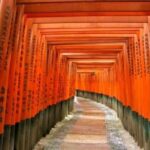
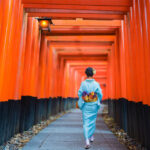
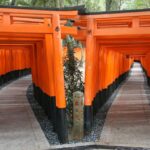
Fushimi Inari Taisha is the final major stop, with about an hour and a half for the shrine and its famous Senbon Torii. The gates form a long corridor up the hillside, creating one of Kyoto’s most recognizable scenes.
You do not have to walk the entire mountain route to appreciate the place. The first sections of gates are the main draw for many visitors, and the time allowed gives you a chance to walk, take photos and return to the meeting point. If you want to climb farther, keep an eye on the clock and leave room for the walk back.
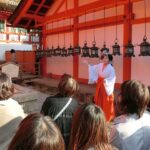
This is an active shrine dedicated to Inari, a deity associated with prosperity and business success. The gates are donated by individuals and companies, and their inscriptions are part of what makes the rows feel personal as well as dramatic. Take in the setting, but remember that the shrine is a place of worship.
Crowds can make the lower sections feel less quiet than the images suggest. Arriving with a guide and a fixed time helps you see the landmark without spending half the day figuring out how to reach it. The limit is that this is a short visit, not a full hike.
The guide and transport make the route workable
The included English- or Chinese-speaking guide and round-trip transfers are the practical heart of the tour. Moving among three attractions in different locations takes planning; a bus lets you rest between stops and avoids the need to coordinate separate train journeys.
Guide quality can shape the day. Guides named by participants include Willa, Amy, Fiona, Valerie, Carter and Joy. Their strengths often include clear directions, cultural explanations, time management and useful food suggestions. The assigned guide changes, so a particular name is not guaranteed.
Communication may include WhatsApp updates, maps and meeting instructions, which can help when the group splits up to explore. Still, pay attention to the return time and meeting point at every stop. A few people have found meeting arrangements confusing, and a late arrival or no-show is not refundable. Arrive at the departure point 15 minutes early.
The tour has departure choices from Kyoto or Osaka, plus optional drop-off in Kyoto or Osaka depending on the package. Check the exact package before booking: the departure city, language and drop-off choice are tied to the option you select. Tour guide details are sent by email at about 18:00 the day before, so check your inbox and spam folder.


What the pace feels like in practice
This is a lot of ground in one day. You will be walking at each stop, getting on and off the bus, and keeping track of group meeting times. Comfortable walking shoes matter more than a carefully planned outfit, and a small day bag makes it easier to carry water and any purchases.
The day’s structure gives you independence at the attractions rather than a guide leading every step. That suits people who want transport and orientation but prefer to choose their own route within each stop. It is less suited to anyone who wants long explanations at every landmark or a slow, in-depth visit.
Weather can change the feel of the outdoor stops. Rain does not make the route impossible, but the bridge, park paths and shrine approaches are more pleasant when you have suitable footwear and a rain layer. The schedule may also change because of weather or traffic.
Food and drinks are on your own. Guides have sometimes shared restaurant recommendations, but the tour does not include meals. With limited time at each stop, plan to eat simply and avoid letting a long meal crowd out the sights you most want to see.
Is $44.85 good value?
At the advertised starting price, the tour can be a practical deal if you want to see Nara, Arashiyama and Fushimi Inari in a single day. Transport between them is the main saving in effort, while the guide adds context and helps keep the group moving.
The price is not the whole budget. You will need to pay for food and drinks, personal purchases and Tenryu-ji admission if you choose to enter. The value also depends on what you want from Arashiyama: if you would rather spend a full day there, this fast overview may feel like a compromise.
For a first visit with limited time, though, the trade is clear. You give up the freedom to linger in return for a broad sampler of three very different places. That is a fair bargain if your priority is range.
Who should book this day trip?
I would choose this tour if you are based in Kyoto or Osaka, have one day to spare and want a guided way to cover the headline sights. Families with older children, first-time visitors and anyone who prefers a bus connection to several independent transfers are likely to appreciate the setup.
I would skip it if you want a slow temple visit, a long meal, a serious hike at Fushimi Inari or a full day to explore Arashiyama. The tour is also not recommended for anyone more than three months pregnant, children aged zero to one, and people with accessibility needs, according to the activity guidance.
Book it for the range, not for depth. If you go in knowing that each stop has a time limit, you can make thoughtful choices, enjoy the big sights and leave the detailed exploring for another day.
Kyoto Arashiyama Scenic Beauty and Cultural Exploration with Nara Cute Deer Fun Experience Day Tour
“Joy was an outstanding guide for our Arashiyama, Nara Deer Park, and Fushimi Inari Shrine tour. She was warm, friendly, and incredibly knowledgeabl…”
FAQ
How long is the tour?
The scheduled day runs from 08:00 to about 17:00, with return drop-off listed between 17:00 and 18:00. Traffic and weather can affect the schedule.
Where can I depart from?
Departure options include Kyoto and Osaka. Check the package you choose for its specific meeting point and drop-off options.
What is included in the price?
The tour includes round-trip transfers from the meeting point and an English- or Chinese-speaking guide, depending on the package.
Are meals and drinks included?
No. Meals and beverages are not included, and you are responsible for your own food and drinks.
Is Tenryu-ji Temple admission included?
No. Admission to Tenryu-ji, also called Tianlong Temple, is not included.
How much time is set aside at each main stop?
The schedule allows about one hour at Nara Park, three hours in Arashiyama and an hour and a half at Fushimi Inari Taisha. Timing may change.
When will I receive the guide information?
Guide information is sent by email at around 18:00 the day before departure. Check your spam folder if it is not in your inbox.
How early should I arrive at the meeting point?
Arrive 15 minutes before the 08:00 departure. Late arrivals and no-shows cannot receive a refund.
Do infants and children need to be included in the booking?
Yes. Infants and children must be included in the passenger headcount. The activity is not recommended for children aged zero to one.