Kimchi is more than a side dish in Korea, and this class gives you a hands-on way to understand why. In a Bukchon hanok, Sam teaches his family recipe, explains fermentation, and turns aged, sour kimchi into crisp pancakes for lunch.
I like two things in particular: you learn a practical recipe you can try again at home, and the kimchi you make is shared with neighbors in need. The meal adds a useful taste of how kimchi works alongside other Korean food, not just on its own.
One consideration: kimchi juice and red pepper paste can stain, so leave your favorite clothes at the hotel. The host also warns that fresh kimchi ferments quickly and travels poorly, and containers are not provided.
- Key points to know before you book
- Making kimchi in a Bukchon hanok
- From fermentation talk to your own batch
- Cooking with aged kimchi, then sitting down to eat
- A meal with a community purpose
- How much time and money to plan for
- Who should book this class?
- Should you book it?
- FAQ
- Where does the class meet?
- Is the class taught in English?
- What food is included?
- Can I request a vegan meal?
- Should I tell the host about allergies?
- Can I take the kimchi home?
- How old must participants be?
- How long does the class take?
- The Best Of Seoul!
- More Cooking Classes in Seoul
- More Tours in Seoul
- More Tour Reviews in Seoul
- Not for you? Here's more nearby things to do in Seoul we have reviewed
Key points to know before you book
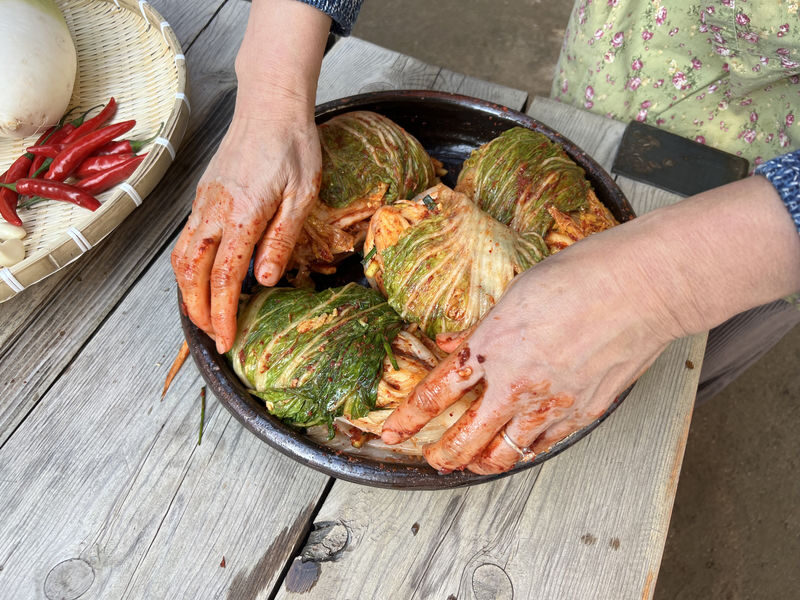
- A family recipe, taught by Sam: Follow the steps for making kimchi while hearing about fermentation and Korean food traditions.
- A meal made around kimchi: Cook kimchi-jeon, then eat your kimchi with braised meat and tofu.
- A small-group feel: The class has been described as intimate, with a group of around 10 people in some sessions. Group size may vary.
- A donation built into the cooking: You take your share of the kimchi, and the remainder is donated to low-income neighbors through the local city office.
- A historic Bukchon setting: The class is held in a traditional hanok near Gyeongbokgung Palace and within walking distance of Anguk Station.
- Dietary needs and age limits: Vegan, vegetarian, halal-certified, and gluten-intolerant dietary requirements can be accommodated. Participants must be at least 10.
👉 See our pick of the 25 Best Guided Tours In Seoul
Making kimchi in a Bukchon hanok
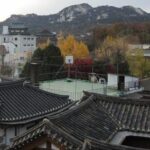
The setting is part of the lesson. Instead of learning in a generic cooking studio, you meet at a traditional house in Bukchon Hanok Village, an atmospheric neighborhood of old Korean homes and narrow lanes. You are cooking inside a lived-in-style space, not simply stopping for a photo outside a hanok.
The activity has moved to a new hanok, and updated photos are not yet available. That means the images you see when booking may not show the current house. The address provided is 서울 종로구 북촌로11라길 4, with the meeting point also listed as 31-33. The house is in a small alley. If you get turned around, the directions suggest asking at the souvenir shop called Bukchon Gwang.
Plan to navigate carefully. The narrow lanes and address details can make the final approach less obvious than a meeting point on a main street. Save the address before you set out, and contact the host if you have trouble finding the house. Sam has helped late arrivals get oriented with a map, but arriving on time will give you a calmer start.
The class is conducted in English. The host, Sam, is praised for explaining each stage clearly and weaving in stories about Korean food and everyday life. His wife Jay has also helped host some classes. You are not just copying a set of instructions: you can ask questions as you work and learn how ingredients change as they are mixed.
You can also read our reviews of more cooking classes in Seoul


From fermentation talk to your own batch
Kimchi can look simple once it is on the table, but its flavor comes from a process. Sam introduces the science and stories behind fermentation, then teaches his mother’s recipe. You learn how the ingredients are combined and why the finished kimchi has depth beyond heat and salt.
This is useful even if you already make kimchi at home. The class has welcomed people with prior experience, and the recipe can still offer new ideas. For a first-timer, the step-by-step guidance makes a process that can feel intimidating more manageable. You also get to taste ingredients and stages along the way, which helps connect the instructions to the final flavor.
The details matter once you leave Seoul. Sam shares family recipes and ingredient alternatives, so you can adapt the method to what you can find at home. That is more useful than a cooking demonstration where you only watch someone else work.
You should still set expectations sensibly. The class teaches you a recipe and the basics of fermentation, but it is not a substitute for repeated practice. Fermentation continues after the class, and the host cautions that kimchi ferments quickly and is not easy to transport. You take home your portion, but bring your own container if you want to carry it away; containers are not supplied.
Cooking with aged kimchi, then sitting down to eat
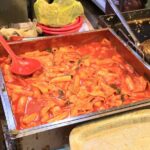
The class does not stop once your fresh kimchi is made. You also learn to cook with aged, sour kimchi, using it for kimchi-jeon, or kimchi pancakes. This is a smart part of the program: it shows how kimchi changes from a fresh condiment into a cooking ingredient with a sharper, more pronounced flavor.
The pancakes are cooked as part of the class, and the meal is served family-style. Braised meat and tofu accompany the kimchi, giving you a chance to taste how the flavors work together. The meal is included as lunch, so the price covers more than a lesson and a small sample.
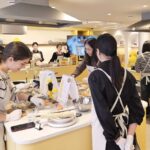
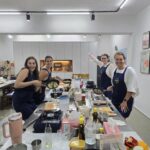
This shared meal is also where the class becomes social. The format gives you time to talk with Sam and the other participants while eating. Some sessions have had around 10 people, which can make it easier to ask questions and meet fellow cooks than in a large tour group. The exact group size is not guaranteed, so think of the small-group feel as a likely advantage rather than a fixed promise.
The menu is not one-size-fits-all. Vegan options are available, and the activity can accommodate vegetarian diets, gluten intolerance, and halal-certified requirements. Tell the host about food allergies in advance. If you have a specific dietary need, it is worth spelling it out clearly before class so the meal can be planned accordingly.
A meal with a community purpose
The donation adds a practical purpose to the cooking. You keep your share, while the rest goes to low-income neighbors through the local city office. It is a modest but meaningful way to connect a visitor activity with the community around it.
That detail also makes the class feel less like a staged souvenir activity. You learn a food tradition, cook together, eat together, and produce something that will be shared beyond the group. The donation does not change the hands-on nature of the class, but it gives the work a second destination.
If you are deciding between a quick kimchi demonstration and a longer cooking session, this is the more complete option. You make kimchi, learn to cook with aged kimchi, and sit down to lunch. The extra steps give you a better sense of how the dish fits into everyday meals.
How much time and money to plan for
The class has been described as taking about two hours, making it a practical lunch activity rather than a full-day commitment. That estimate comes from the experience as it has been run; check the session details for the time offered when you book. You can pair it with a walk around Bukchon or a visit to nearby Gyeongbokgung Palace, but leave enough time to find the house and enjoy the meal without rushing.
The supplied prices differ: the package is shown from US$75.29, while the overview gives a starting price of US$82.85. Treat either figure as a guide, not a guaranteed checkout total, and confirm the current price for your date. For value, consider what is included: instruction, recipe guidance, kimchi-making, the pancake cooking, and lunch. The donation element adds a community benefit, though the main value is the combination of practical cooking and cultural context.
Wear clothes you do not mind staining. The host warns that an apron may not be enough to protect your favorite outfit. This is not a fussy cooking demonstration where you can stay clean by watching from the side; you will be handling kimchi ingredients.
Participants must be at least 10 years old. The voucher is valid only for the date and time selected, and cancellations made at least 72 hours before the activity are eligible for a full refund. Confirmation is normally sent within minutes; if it does not appear, contact customer support.
You can also read our reviews of more tours and experiences in Seoul





Who should book this class?
I would choose this class if you want more than a quick introduction to Korean food. It suits curious cooks, kimchi fans, and solo visitors who would enjoy sharing a meal and conversation with a small group. Families with children aged 10 or older can also take part, and the hands-on format gives younger cooks a clear role.
It is especially useful if you want to recreate the food at home. You leave with family recipes and advice on ingredient substitutions, although you should not count on carrying your fresh kimchi far without planning for it. For visitors who are more interested in palace architecture or neighborhood history than cooking, a walking tour may be a better use of the time.
The setting can be a major draw, but remember that the class has moved to a new hanok and updated photos are still pending. If seeing the exact room in advance matters to you, ask the host before booking. And if you have allergies or dietary requirements, communicate them ahead of time rather than hoping to sort them out at the table.
Should you book it?
Book this class if you want a warm, practical introduction to kimchi, a proper lunch, and a chance to cook inside a traditional Bukchon home. Sam’s teaching, the meal, and the donation make it feel more personal than a quick food activity. Skip it if you dislike hands-on cooking, need a guaranteed photo match of the venue, or want to bring fresh kimchi home without arranging a suitable container and transport.
Kimchi Cooking Class in Traditional Hanok House & Donate Kimchi
“Super interesting experience. Sam is a very nice and professional host, he provided detailed recipe instructions while also giving some context abo…”
FAQ
Where does the class meet?
The listed meeting point is 31-33. The full address provided is 서울 종로구 북촌로11라길 4, a traditional house in a small alley in Bukchon. If you are unsure, the directions suggest asking at the souvenir shop Bukchon Gwang.
Is the class taught in English?
Yes. The class is conducted in English.
What food is included?
Lunch is included. The class includes kimchi-jeon made with aged kimchi, served with braised meat and tofu.
Can I request a vegan meal?
Yes. Vegan and vegetarian options are available. The activity also lists accommodation for halal-certified and gluten-intolerant diets.
Should I tell the host about allergies?
Yes. You are asked to inform the host about food allergies in advance.
Can I take the kimchi home?
You can take your share, but containers are not provided. The host warns that kimchi ferments quickly and travels poorly, so plan ahead if you want to carry it.
How old must participants be?
Participants must be at least 10 years old.
How long does the class take?
The class has been described as taking about two hours. Check the session details for the timing of the date you choose.