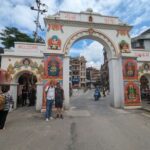
Bungamati and Khokana offer a glimpse of Kathmandu Valley life beyond the city’s busy streets. Bungamati’s woodcarvers and religious sites and Khokana’s farming traditions give this outing a clear focus: local work, worship, and village squares rather than a string of grand monuments.
I like two things in particular: you get time to wander instead of viewing each village only from a vehicle, and the itinerary connects Newari art with everyday trades such as mustard oil making. The Rato Machhendranath shrine adds a useful link to Patan’s religious life.
One caution: the published schedule is hard to reconcile with the half-day label. It lists an 8:30 departure, a 10:30 drive to Bungamati, Khokana at 1:30, and a return at 6:30. Confirm the actual duration and language of your guide before paying.
At a glance
- Bungamati’s woodcarving tradition: Look for local craftspeople at work and take time to explore the village on foot.
- Rato Machhendranath shrine: This shrine honors Patan’s patron god, whose carved image has a seasonal connection to Bungamati.
- Khokana’s mustard oil: Learn about the village’s agricultural work and the process behind its well-known oil.
- Shikali Mai temple: The three-storey temple is dedicated to Khokana’s local mother goddess.
- Guide and schedule details: English and Chinese are offered, but the route timing is unclear, so confirm what your booked departure includes.

👉 See our pick of the 3 Best Private Car With Driver Services in Patan
- At a glance
- Two villages, two sides of Newari life
- Bungamati’s shrine and woodcarvers
- Khokana’s farms, oil, and local goddess
- The timing needs a clear answer
- Guide language and group-tour expectations
- What the price includes, and what it does not
- Who should book this village outing?
- Should you book it?
- FAQ
- Where does the tour depart from?
- How long does the tour last?
- Which villages are included?
- What languages are available?
- Is lunch included?
- Are entrance fees included?
- Is hotel pickup included?
- What should I bring?
- The Best Of Patan!
- More Historical Tours in Patan
- More Tours in Patan
- More Tour Reviews in Patan
- Not for you? Here's more nearby things to do in Patan we have reviewed
Two villages, two sides of Newari life
 1 / 6
 2 / 6
 3 / 6
 4 / 6
 5 / 6
 6 / 6
Bungamati and Khokana are often presented together, but they give you different reasons to stop. Bungamati’s appeal is its craft and religious life. Khokana’s is its agricultural character, especially the mustard oil production that forms part of its local identity.
The villages are described as relatively hard to reach, and that distance from Kathmandu’s main tourist circuit is part of their draw. Instead of spending the day moving between major city sights, you get a closer look at smaller communities and the work that shapes daily routines.
That does not mean every lane or building will feel untouched by time. A 2017 account described significant earthquake damage to temples and old houses. That is old information, not a reliable picture of current conditions, so approach the villages as living places that have changed, rather than as open-air museum sets.
You can also read our reviews of more historical tours in Patan


Bungamati’s shrine and woodcarvers
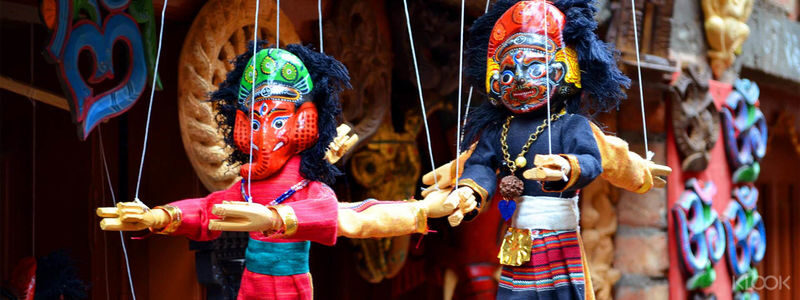
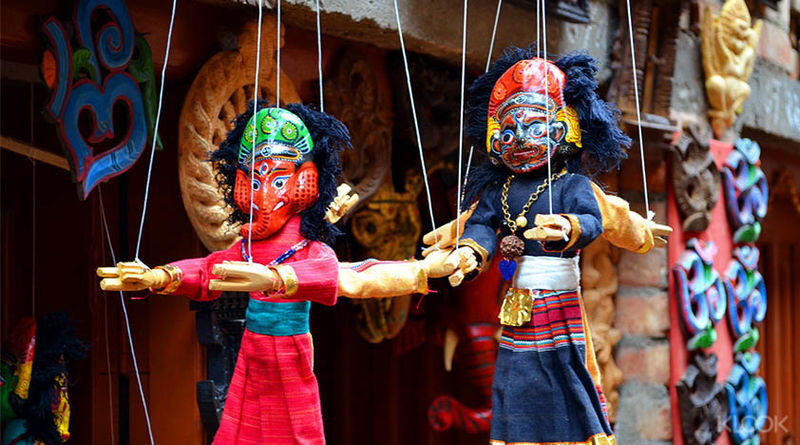
The first major stop is Bungamati, a Newari village where woodcarving and other crafts are part of the experience. The tour calls for time to explore the art, then gives you personal time to roam. That free time matters: it lets you look at details at your own pace, rather than keeping every moment tied to a guide’s explanation.
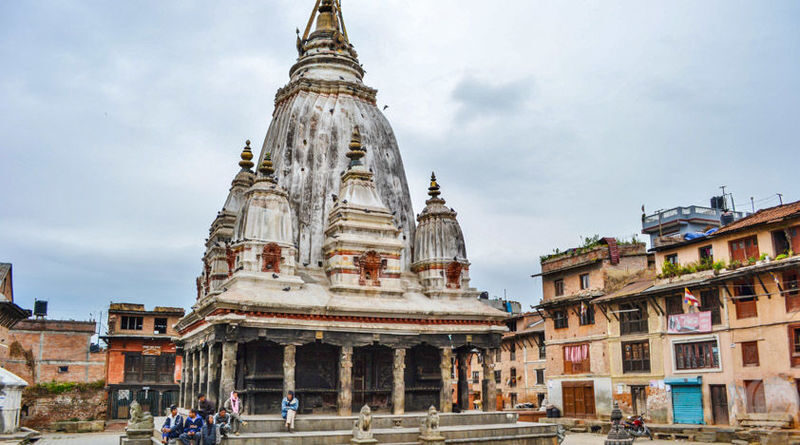
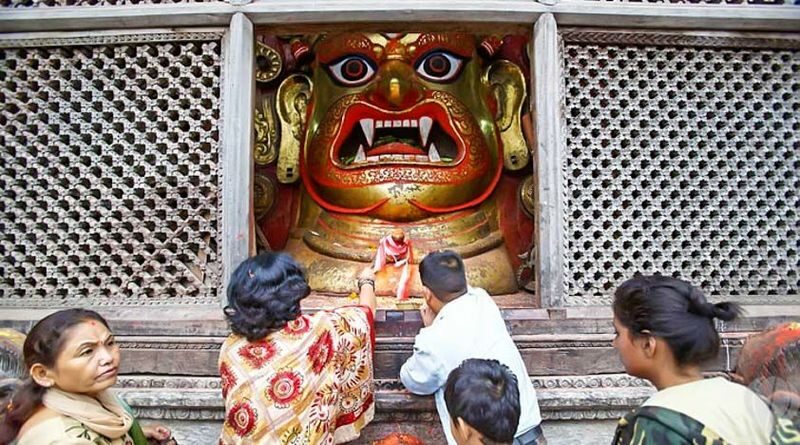
The main religious stop is the shrine of Rato Machhendranath, the patron god of Patan. The shrine is more than a stand-alone temple visit. It connects Bungamati to a wider religious tradition shared with Patan and to the festival that carries the deity’s carved image through the valley.
A useful detail to look for: the wooden carving of Macchendranath may be stationed in the village shrine. According to local tradition, the image is taken from its shrine in Patan during the valley’s most important festival, paraded through cities, and then brought to Bungamati, where it stays for half the year. The timing of your visit will affect what you see, so treat this as a possibility, not a guaranteed sight.
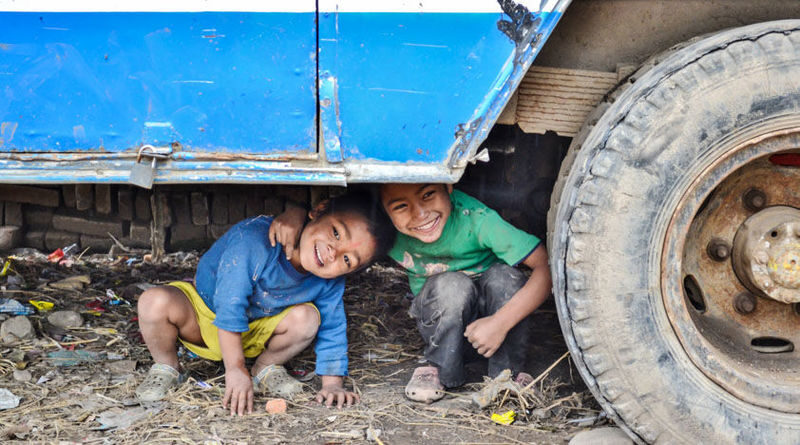
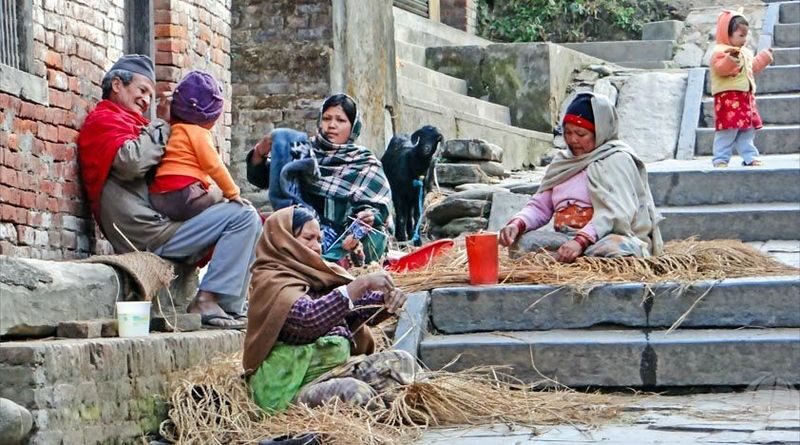
Give yourself time to notice the village as well as its formal attractions. The tour is meant to show residents going about ordinary tasks, and earlier visitors have described a quiet square, locals sharing tea, and women threshing mustard plants. Those are snapshots, not scheduled demonstrations. The value is in watching respectfully and letting the place set the pace.
Khokana’s farms, oil, and local goddess
Khokana shifts the focus from woodcraft to agriculture. The village is known for mustard oil, and the guide is meant to explain the crop and how the oil is harvested. That makes this stop more than a scenic walk: it gives you a practical view of how local produce is made and why it matters to the community.
The process is tied to seasonal work, so what you see may depend on when you visit. The tour information does not promise a live harvest or oil-making demonstration. If seeing a particular step is important to you, ask before booking rather than assuming the full process will be under way.
Khokana’s landmark is the three-storey temple dedicated to Shikali Mai, the local mother goddess. It gives the village visit a religious counterpart to Bungamati’s Rato Machhendranath shrine. Together, the two sites help explain how worship and community life are woven into these settlements, even when the day’s main focus is craft or farming.
Expect a village visit, not a polished museum presentation. You are there to look, listen, and learn from the guide and the setting. Modest clothing and considerate behavior around shrines and residents are sensible choices, though no specific dress code is provided.
The timing needs a clear answer
The tour is sold as a half-day cultural outing, but the supplied times raise a practical question. Departure is listed at 8:30, the drive to Bungamati at 10:30, the shrine at 11:00, Newari art at 11:30, free time at noon, Khokana at 1:30, and return at 6:30. That is a long window, with several hours not explained by the stop schedule.
Do not assume the outing lasts only four or five hours. Ask the operator what time you should expect to be back and whether the 6:30 return is a firm end time, a typo, or a broader transfer window. This is especially important if you have another booking that day.
There is also a meeting-point detail to check. The pickup area covers Kathmandu Valley hotels, and the meeting information names Himalayan Arabica Beans Coffee on Saat Ghumti Marg. An optional rickshaw transfer between your hotel and the meeting point costs US$3 each way per person. If you choose it, be in the hotel lobby ten minutes before the confirmed pickup time.
Guide language and group-tour expectations
The tour is offered in English and Chinese, and you are asked to choose your preferred language when booking. Make that request explicit and confirm it with the operator. A guide who can speak a language socially may not be able to explain cultural or historical details clearly in it, so it is worth checking what language the actual guide will use.
Guides associated with this outing have included Menuka and Pravin, but you should not expect either by name. A good guide can make the short stops more meaningful by explaining how the shrine relates to Patan, pointing out craft details, and giving context for the farming work. The tour is a join-in group, so the pace and amount of explanation may vary.
A past complaint also raised concerns about poor guide communication, difficulty arranging toilet stops, and confusion over vehicle pickup. That does not establish what your experience will be, but it makes a simple precaution worthwhile: confirm the guide’s language, ask how transport works between stops, and clarify the return plan before setting out.


What the price includes, and what it does not
The listed price begins at US$87.25, while a package option is also shown from US$75.85. Those figures do not match, so check the final price for your date and selected package. The join-in tour includes comfortable transportation and a professional guide. Hotel-to-meeting-point rickshaw transfers are optional and cost extra.
Entrance fees are not included. Rates vary by nationality, and you need to bring your passport to pay the correct rate. Lunch and tips are also excluded, so budget for those separately. The information provided does not state the exact admission fees or whether every site on the route charges one.
Is it good value? If you want a guide and transport to two villages that are less convenient to reach independently, the package can save planning time and give useful context. If you mainly want an in-depth visit to temples, or expect a long guided walk through each village, the unclear schedule and short listed stop descriptions may leave you wanting more. The value depends on how clearly the operator confirms the day’s plan.
Who should book this village outing?
I would consider this tour if you have already seen some of Kathmandu’s major sights and want a change of pace. It suits people curious about Newari craft, village agriculture, and the religious connections between Bungamati and Patan. It may also work well if you prefer having transport arranged rather than figuring out the route yourself.
It is less suited to anyone who needs a tightly timed half-day or expects every stop to be a fully guided attraction. The itinerary leaves time for personal wandering, which is a strength if you like looking around at your own pace. It is a drawback if you want constant commentary or a detailed, guaranteed program at each stop.
Before booking, get answers to three questions: how long the tour actually lasts, which language the guide will speak, and what entrance fees you should expect. Bring your passport, a hat, sunglasses, and a camera. The tour accepts a mobile voucher, and changes are allowed until 24 hours before the activity starts, subject to the stated booking restrictions.
Should you book it?
Book if you want to see a quieter side of the Kathmandu Valley and are interested in the people and work behind its cultural sites. Bungamati’s woodcarving and Rato Machhendranath shrine, paired with Khokana’s mustard oil tradition and Shikali Mai temple, make a thoughtful combination.
Hold off if you need a predictable half-day schedule or cannot confirm your preferred guide language. The experience has the ingredients for a rewarding village visit, but the timing and service details deserve a quick check before you commit.
Kathmandu Bungamati & Khokana Half-Day Cultural Tour
“Menuka was a fantastic guide who made this short trip a really memorable one. Having been able to see the newari people's everyday life was a great…”
FAQ
Where does the tour depart from?
Pickup is available within Kathmandu Valley. The meeting information also names Himalayan Arabica Beans Coffee on Saat Ghumti Marg in Kathmandu. Enter your hotel name and address when booking, then confirm the precise pickup arrangement.
How long does the tour last?
The tour is described as a half-day experience, but the times provided list departure at 8:30 and return at 6:30. Confirm the expected duration with the operator before booking.
Which villages are included?
The tour visits Bungamati and Khokana. In Bungamati, the stops include the Rato Machhendranath shrine and Newari art. In Khokana, the focus includes mustard oil and the Shikali Mai temple.
What languages are available?
The tour is offered in English and Chinese. Specify your preferred language at checkout and confirm it with the operator.
Is lunch included?
No. Lunch is not included in the tour price.
Are entrance fees included?
No. Entrance fees are paid separately, and rates vary by nationality. Bring your passport to pay the applicable rate.
Is hotel pickup included?
Pickup is available within Kathmandu Valley, but the meeting information also gives a central meeting point. An optional rickshaw transfer between your hotel and the meeting point costs US$3 each way per person. Confirm which arrangement applies to your booking.
What should I bring?
Bring your passport for admission fees, along with a hat, sunglasses, and a camera.