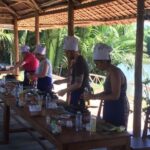
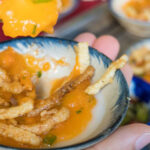
Hoi An’s food tells the story of its old trading port one small dish at a time. This three-hour walk takes you through back lanes and local eateries for 12 flavors, from family-made white rose dumplings to the city’s celebrated cao lau noodles.
I like that the route pairs local dishes with the stories of the people who make them, and that a guide helps you order at places you might pass without knowing what to ask for. I also like the 3 km walking pace: it gives you time between generous tastings, and makes this a useful first-night introduction to Hoi An’s food.
One thing to plan for: this is a lot of food, not a light sampling tour. Some servings are substantial, so arrive hungry and pace yourself. The route starts at 4:00 PM, and vendors’ availability may shift the menu slightly.
Key points
- A 130-year-old family recipe: Start at White Rose Restaurant, where one family has made the signature dumplings for generations.
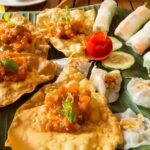
- Twelve flavors, seven stops: Expect three main courses plus snacks, with dishes such as water fern cake, chicken rice, cao lau, and black sesame soup.
- Back lanes, not just main streets: A guide takes you to food spots that can be hard to identify or order from on your own.
- Food with a local story: Learn how Hoi An’s Japanese, Chinese, French, and Vietnamese influences shaped its cooking.
- A filling evening walk: The 3 km route lasts about three hours, and portions can be larger than you expect.
- Dietary options are possible: Vegetarian and pescatarian alternatives can be accommodated.

👉 See our pick of the 25 Best Shopping Tours In Hoi An
- Key points
- A trading port served on a plate
- White Rose dumplings and a family’s guarded recipe
- Water fern cake in a small street-side setting
- Dumplings with royal associations
- Hoi An chicken rice, a city signature
- A tucked-away stop with a Bourdain connection
- Cao lau, the noodle bowl tied to Hoi An
- Black sesame soup and a cool fruit drink
- What buys you
- Practical details for your evening
- Who should book this food walk?
- FAQ
- How long is the food tour?
- How many food stops are included?
- Where does the tour start?
- What time should I arrive?
- What dishes might I try?
- Is the tour suitable for vegetarians?
- What is included in the price?
- Is transportation to the meeting point included?
- Can I cancel or pay later?
- The Best Of Hoi An!
- More Food & Drink Experiences in Hoi An
- More Tours in Hoi An
- More Tour Reviews in Hoi An
- Not for you? Here's more nearby things to do in Hoi An we have reviewed
A trading port served on a plate
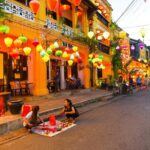
Hoi An’s food reflects its past as a major Southeast Asian port. Japanese merchants, Chinese settlers, French colonists, and Vietnamese dynasties all left traces in the city’s cooking. On this tour, those connections come through in the dishes and in the guide’s explanations, not in a lecture delivered far from the kitchen.
That context matters because many of Hoi An’s famous foods are local variations, not generic Vietnamese dishes. You’ll hear how recipes developed and why a dish belongs to this city in particular. The point is not simply to collect tastings. It is to recognize the people, ingredients, and traditions behind them.
The tour is led in English, with guides including Don, Quin, Leo, Man, and others. The particular guide depends on your departure. The experience works best when you ask questions: guides are there to explain both the food and the city, and to help you navigate places where ordering alone could be a challenge.
You can also read our reviews of more food & drink experiences in Hoi An
White Rose dumplings and a family’s guarded recipe
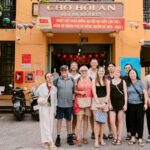
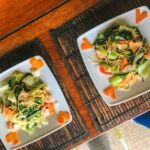
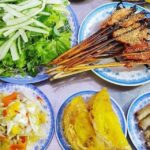
Meet at 4:00 PM at White Rose Restaurant, 533 Hai Ba Trung Street. This is both the starting point and the first food stop. The restaurant’s white rose dumplings are tied to a recipe that one family has passed down for more than 130 years.
The tour’s introduction to the dish gives you more than a name to remember. You’ll hear what makes the family’s preparation distinctive and why the recipe is not simply copied by other kitchens. That kind of detail helps explain how a local specialty can become part of a city’s identity.
The meeting point is practical to note because transportation there is not included. Allow time to reach the restaurant before the 4:00 PM start. The activity is listed as wheelchair accessible, though the route covers about 3 km on foot; if you have particular mobility needs, check route details with the operator before booking.
Water fern cake in a small street-side setting
After the first stop, the walk moves into local streets for water fern cake, a delicate dish served in small bowls. Its preparation begins very early: the vendor wakes at 3:00 AM. The food is served outdoors rather than in an air-conditioned restaurant, offering a glimpse of a street-food routine that is easy to miss when you stick to familiar dining rooms.
This stop also shows why a guide can be useful. The route favors places without English menus or a prominent online presence. You may not know what to order, or even what you are looking at, without someone explaining the dish and introducing the vendor.
The outdoor setting is part of the experience, but it may be warm. Bring a small fan if heat bothers you, and remember that the tour involves walking between stops rather than sitting down for one long meal. The easy pace leaves time to eat and rest, but it is still an evening on foot.
Dumplings with royal associations
A narrow alley leads to a local eatery serving dumpling variations once prepared for Vietnam’s royal family. The setting is modest, which makes the contrast with the dish’s history all the more interesting. Here, a guide can connect the food to older cooking traditions while helping you understand what is in front of you.
This is one of the tour’s more useful contrasts: a dish with an elevated past served in an everyday neighborhood setting. Rather than treating local food as something preserved only for special occasions, the route shows how culinary traditions can remain part of ordinary life.
The exact selection can vary with vendor availability, so you should think of the 12 flavors as the tour’s general shape rather than a guaranteed fixed menu. That flexibility is normal on a route built around independent food vendors, and it keeps the experience tied to what is being served that day.
More Great Tours NearbyHoi An chicken rice, a city signature
A seven-minute stroll brings you to chicken rice, one of Hoi An’s most recognizable plates. The basic pairing of rice and poached chicken sounds simple, but the local version has become a signature dish. Your guide explains what distinguishes it and how an everyday combination came to represent a whole city.
Chicken rice makes a good main course in the middle of a progressive meal. It is also a reminder that the tour is not just a parade of unfamiliar bites. Along with snacks and desserts, it includes three main dishes, so you get a more rounded sense of how a meal here can unfold.
The guide’s presence is valuable at this stop as much for interpretation as for ordering. You can ask about preparation and local eating habits, then carry that knowledge with you when choosing restaurants later in your stay.
You can also read our reviews of more tours and experiences in Hoi An


A tucked-away stop with a Bourdain connection
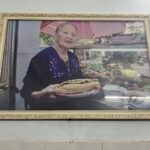
One stop is a grandmother’s eatery that was featured on Anthony Bourdain’s show. It is now easy to overlook while crowds gather elsewhere, and the route takes you there without a queue or a search through online listings. The appeal is the combination of an established food reputation and a quieter, everyday setting.
The food at this stop is described as a local specialty, but the exact dish is not fixed in the tour details. Keep some room for surprise. The useful thing is that you are not asked to guess what to order or to find the place from an address alone.
A guide may also introduce you to the people behind the cooking. That personal connection is one of the strongest parts of a food walk like this. You learn not only what a dish is called, but who makes it and how it fits into local food culture.
Cao lau, the noodle bowl tied to Hoi An
Cao lau is the dish many people associate most closely with Hoi An. The tour explains its connection to water drawn from an ancient Cham well, and why the noodle dish is considered specific to the city. Whether or not you become a lifelong fan, tasting it here gives you a useful reference point for the rest of your visit.
This is a particularly good stop for anyone who wants to move beyond the familiar dishes found on many tourist menus. The tour’s route is designed to introduce specialties you might not know to seek out, with the guide filling in the history and the local context as you eat.
There are 12 flavors across seven stops, with some stops offering more than one taste. The total can feel like a full dinner rather than a sampler. One participant described becoming full by the fifth dish, which is a sensible warning: take your time and do not feel obliged to finish every portion if you are full.
Black sesame soup and a cool fruit drink
The final stretch brings two desserts. Black sesame soup is a simple dish with a family tradition behind it, while sinh to, a Vietnamese mixed tropical fruit drink, offers a cooler, fruitier finish. Together, they round out the route with flavors quite different from the savory dishes earlier in the evening.
The dessert stop is a reminder that the tour is about range as much as quantity. You move from dumplings and cakes to rice, noodles, soup, and sweets, hearing how each fits into local life. For a first evening in Hoi An, that variety can help you decide what you want to seek out again.
Menu changes are possible if a vendor is unavailable. If you have a dietary restriction, tell the operator in advance. Vegetarian and pescatarian options are accommodated, and vegan dishes have also been arranged on some tours, but it is wise to confirm what can be provided for your specific needs.
What $23 buys you
At $23 per person, the price includes 12 or more food tastings, an English-speaking guide, and cultural and historical explanations. You also get a route through seven hard-to-find stops, including places you may not locate or feel comfortable ordering from on your own. Transportation to the meeting point is not included.
The value is strongest if you treat the tour as dinner and a neighborhood introduction, not as a small tasting before another meal. Twelve flavors can add up to a filling evening, and the route joins food, walking, and local history in one three-hour outing. Compared with ordering a few familiar dishes independently, you are paying for access and context as well as the food.
There are limits. You do not choose from a menu, and the tastings depend partly on what vendors have available. If you prefer a quiet, seated meal or want to control every dish, a restaurant booking may suit you better. If you enjoy trying unfamiliar food and appreciate help finding local places, the price is easier to justify.
Practical details for your evening
The tour lasts about three hours and covers roughly 3 km at an unhurried pace. Wear comfortable walking shoes and arrive hungry. Since the start time is 4:00 PM, you can plan it as an early dinner, but do not count on needing a full meal afterward.
You meet at White Rose Restaurant, 533 Hai Ba Trung Street, in Hoi An. The tour includes a live guide and food tastings; getting to the meeting point is up to you. It is listed as wheelchair accessible, though it is sensible to ask about the exact walking route if you need specific access information.
Booking is available with a reserve-now, pay-later option, and you can cancel up to 24 hours in advance for a full refund. Those terms help if your plans are still taking shape, but the more important planning question is appetite. This route is generous, and a light lunch may be all you need beforehand.
Who should book this food walk?
I’d put this tour near the start of a Hoi An stay. You get an introduction to local specialties, learn the names and stories behind them, and can use that knowledge when you explore the city on your own. The walk is especially useful if you are curious about food but wary of ordering in places with no English menu.
It also suits solo visitors and anyone who enjoys meeting people over a meal. Guides are described as friendly and easy to talk with, and the walk offers plenty of chances to ask questions about both food and Vietnamese culture. The route can be especially reassuring if you are traveling alone and want a guided introduction to local eateries.
If you are not very hungry, want a strictly fixed menu, or would rather spend the evening seated in one place, this is probably not the right fit. But if you want a substantial dinner with local dishes, back lanes, and the people behind the food, the $23 price buys a useful and delicious first look at Hoi An.
Hoi An Food Tour: 12 Flavors of a Former Trading Port
FAQ
How long is the food tour?
The tour lasts about three hours and covers roughly 3 km on foot at an easy pace.
How many food stops are included?
The route is described as seven food stops, with 12 or more tastings in total.
Where does the tour start?
Meet at White Rose Restaurant, 533 Hai Ba Trung Street, Hoi An.
What time should I arrive?
The stated meeting time is 4:00 PM.
What dishes might I try?
The route can include white rose dumplings, water fern cake, dumplings, chicken rice, cao lau, black sesame soup, and sinh to. The menu may vary with vendor availability.
Is the tour suitable for vegetarians?
Vegetarian and pescatarian options can be accommodated. Contact the operator about your specific dietary needs.
What is included in the price?
The price includes 12 or more food tastings, a live English-speaking guide, and cultural and historical information about Hoi An.
Is transportation to the meeting point included?
No. Transportation to the meeting point is not included.
Can I cancel or pay later?
You can reserve now and pay later. Cancellation up to 24 hours in advance is eligible for a full refund.
You can check availability for your dates here: