Hanoi’s food scene gets a different setting on this tour: vintage tram cars turned into small rooms about local food and daily life. You move between themed displays, taste Hanoi dishes, and get a look at the city’s past without spending the whole day in a museum.
I like two things in particular: you can make salt coffee and spring rolls yourself, and the tram exhibits connect familiar foods to life during the Subsidy Era. The route also includes a market and Tran Quoc Pagoda, giving the experience more range than a meal alone.
One consideration: this isn’t a conventional street-food crawl, and the available details don’t specify the tour’s duration, group size, or exact order of stops. If you need to plan around a tight schedule or want a clear count of dishes, check those details before booking.
- Key things to know
- Vintage tram cars make an unusual dining room
- Food with a story, not just a menu
- The Subsidy Era told through objects
- A market and a change of pace at West Lake
- Tran Quoc Pagoda adds a landmark
- Guides, pace, and what to expect
- Is .59 good value?
- Who should book this Hanoi food tour?
- FAQ
- How much does the Hanoi food tour cost?
- Can I book the tour for today?
- What is the tour package called?
- What food and drinks are included?
- Does the tour include Tran Quoc Pagoda?
- What is the cancellation policy?
- The Best Of Hanoi!
- More Food & Drink Experiences in Hanoi
- More Tours in Hanoi
- More Tour Reviews in Hanoi
- Not for you? Here's more nearby things to do in Hanoi we have reviewed
Key things to know
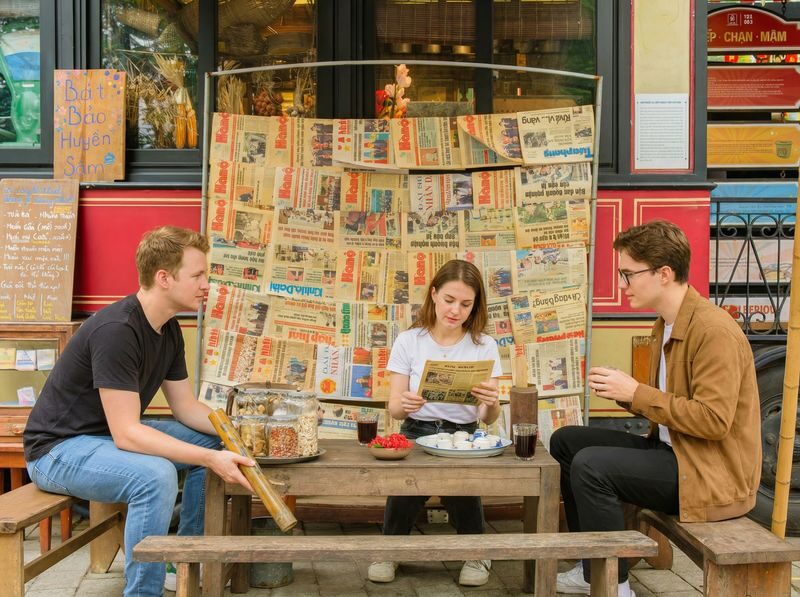
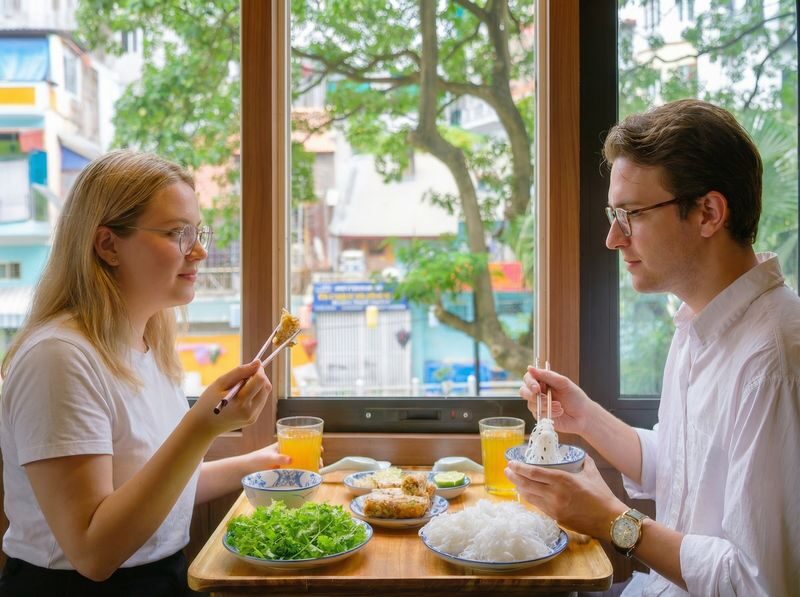
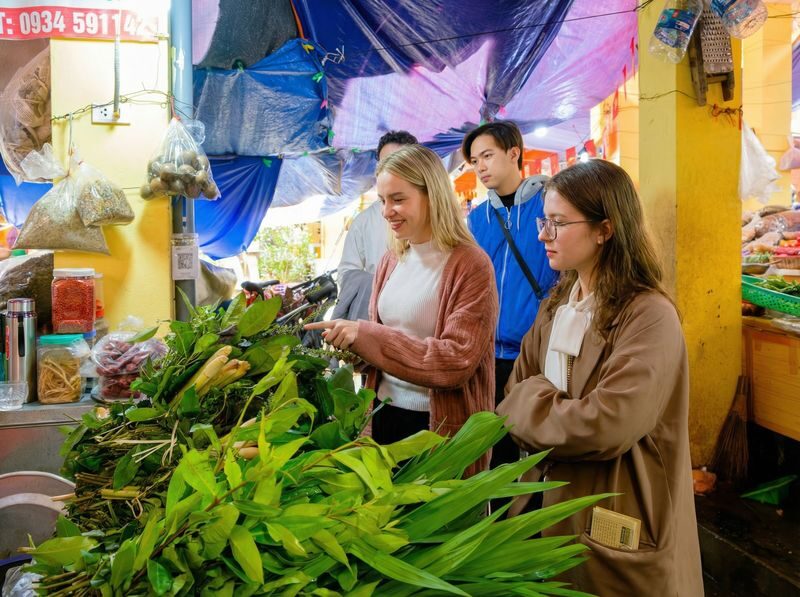
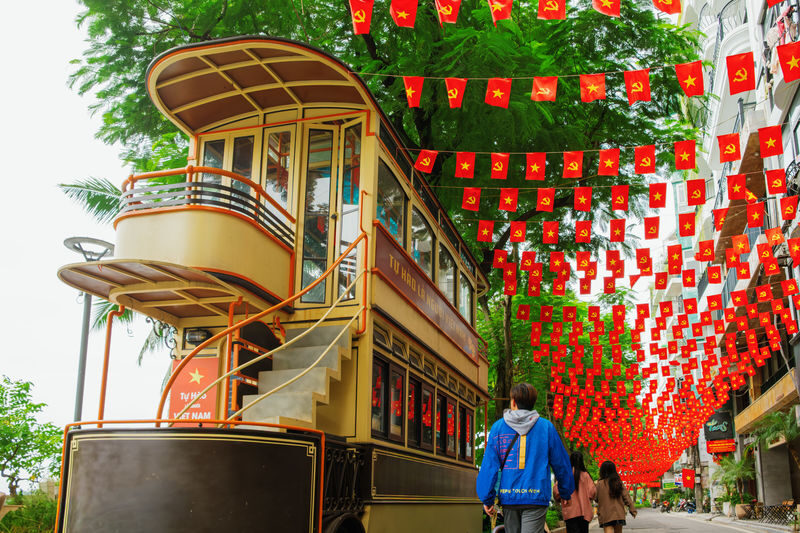
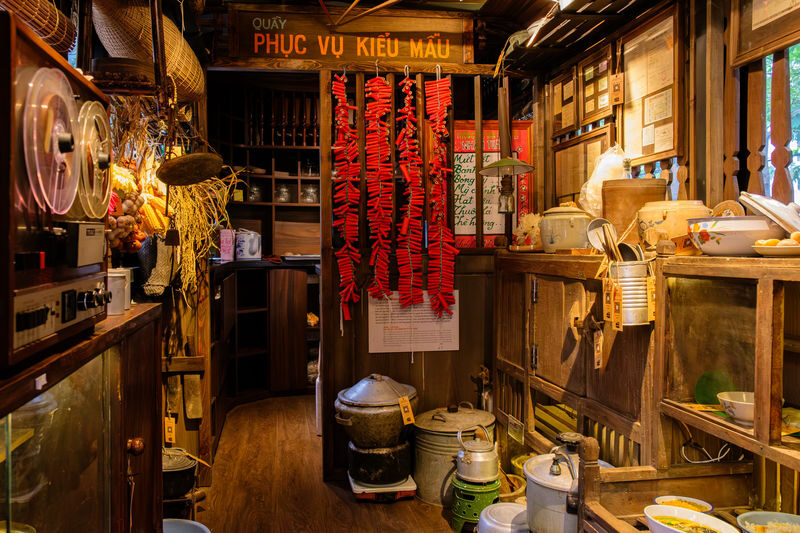
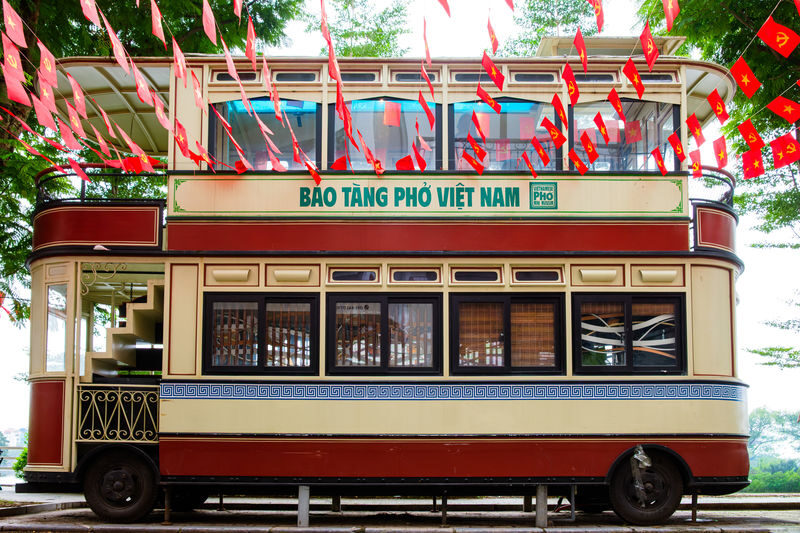
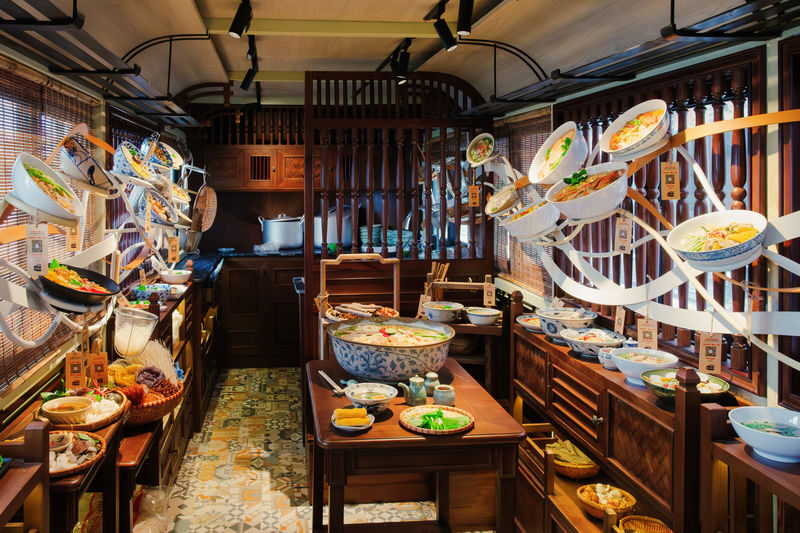
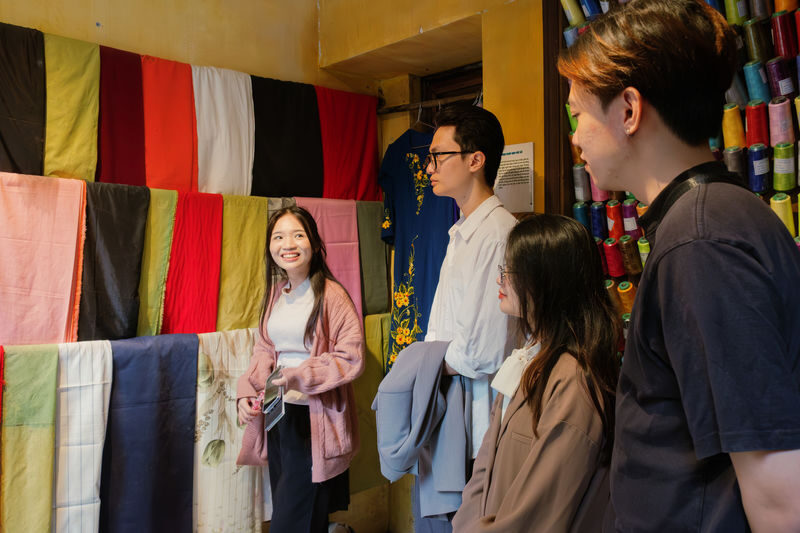
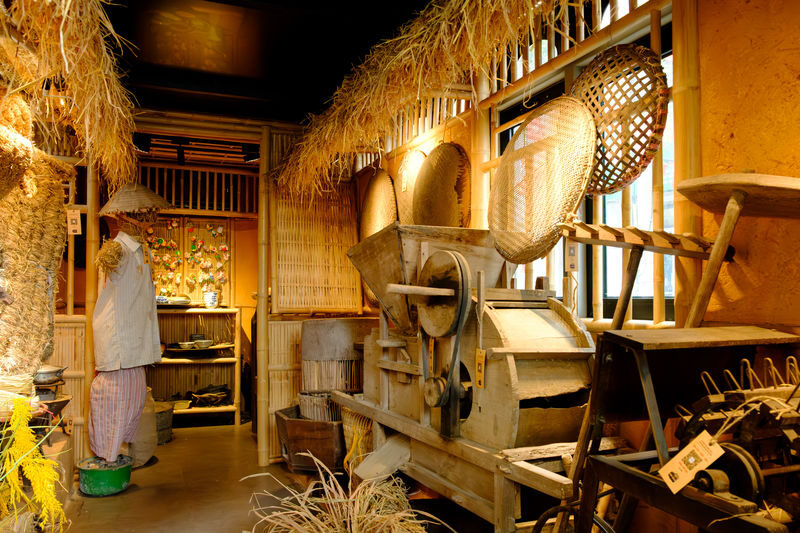
- The tram cars are the main event: Each is decorated around food, culture, or everyday life, with displays that make the setting part of the experience.
- Expect hands-on food and drink: You may make salt coffee and spring rolls, with pho, iced tea, peanut candy, and other local tastes also mentioned.
- The past comes through daily objects: Household items, photographs, and ration coupons help explain the Subsidy Era and the resourcefulness it demanded.
- You’ll see more than the tram museum: The route includes a lively market and Tran Quoc Pagoda, though the precise timing at each stop isn’t specified.
- Guides add context: Guides named Thu, Minh, Khue, Alex, and Luka have led tours, with Jessie providing translation support on one occasion. Specific assignments can vary.
- The starting price is $29.59: The value rests on combining food, hands-on activities, cultural storytelling, and sightseeing in one outing.
👉 See our pick of the 25 Best Shopping Tours In Hanoi
Vintage tram cars make an unusual dining room
The tour’s central idea is simple and effective: instead of sampling Hanoi food at a series of ordinary tables, you enter old tram cars that have been turned into themed spaces. Some focus on cuisine and coffee culture; others use objects and scenes from daily life to tell a broader story about Hanoi.
That setting changes how the food lands. A bowl of pho or a cup of coffee becomes a reason to talk about how people ate, cooked, and made do in the past. You aren’t just ticking off dishes. You’re seeing how food connects to a particular time and place.
The tram cars are also a welcome change from Hanoi’s better-known sightseeing stops. The route has been described as relaxed and less crowded than the area around Hoan Kiem Lake, though you should still expect to walk between parts of the experience. If you like finding places you might not notice on your own, the tram setting is a strong reason to book.
Some cars are decorated for photographs, and one stop includes a hidden room that has surprised visitors. Treat these as part of the fun rather than the sole reason to go: the more lasting value comes from the mix of food, objects, and explanation.
You can also read our reviews of more food & drink experiences in Hanoi


Food with a story, not just a menu
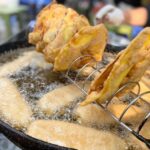
The food is rooted in Hanoi and in the period the tour discusses. Pho and spring rolls are among the dishes specifically mentioned, alongside iced tea and peanut candy. The dishes are prepared by local cooks, described as local aunties, which gives the meal a home-cooked feel rather than the formality of a restaurant tasting.
You may also get to make spring rolls yourself. That hands-on step is a small but useful change of pace: it puts you closer to the work behind a familiar dish, and gives your guide an easy way to talk about ingredients and food customs. Don’t expect a cooking class with a long recipe lesson. The available details point to an interactive activity, not a full workshop.
Salt coffee is another highlight. You make it in a tram carriage, so the drink is both a taste and an activity. If you have never tried it, this is a low-pressure way to meet a Hanoi coffee style you might otherwise pass by. One practical note: the exact menu can vary, so don’t book expecting every named food to be served in a fixed order.
The tour also introduces tea and coffee culture more broadly. A guide may connect what you drink to Vietnamese habits around sharing refreshments and taking a pause. That context makes the tastings feel less like a checklist and more like a glimpse into everyday life.
The Subsidy Era told through objects
The most meaningful part for many visitors is the small Tram Museum and its presentation of the Subsidy Era, known locally as the Bao Cap period. The tour uses old photographs, household objects, ration coupons, and recreated scenes to show how people lived through years of scarcity.
This matters because history can feel remote when it is presented only as dates and political events. Here, the focus is on daily routines: what people had at home, how they got by, and how limited supplies shaped cooking and community life. The displays help explain why dishes made with modest ingredients can carry stories well beyond the plate.
One village scene has been described as especially moving. It gives you a more human point of entry than a row of labels alone, while the guide’s stories help connect the objects to the lives they represent. Guides named Luka, Thu, and Alex have been praised for explaining the period clearly and with feeling. The guide you meet may be someone else, but the tour is built around this kind of cultural storytelling.
There is a limit to what a compact museum can cover. If you want a full account of modern Vietnamese history, this stop won’t replace a dedicated history museum or a longer guided visit. Its strength is narrower and more immediate: it helps you understand how a difficult period touched ordinary households.
A market and a change of pace at West Lake
The experience also includes a lively market, adding a street-level view of present-day Hanoi to the food and history stops. Markets can be a quick way to see what people buy and how local commerce works, but the exact market, time spent there, and activities are not specified. Keep your expectations flexible rather than planning around a long shopping stop.
Along the shores of West Lake, tram-themed establishments offer food, tea, and coffee in settings that are easy to miss if you don’t know where to look. The tour gives you a reason to enter and explore these spaces, rather than just pass by them. That access is useful if you want to see a less familiar side of the city.
The walk itself is part of the experience. It breaks up the tastings and indoor displays, and the route has been described as relaxed rather than rushed. Still, the tour details don’t give a walking distance or duration. If you have mobility concerns or a firm appointment afterward, confirm the practical schedule before you go.
Tran Quoc Pagoda adds a landmark
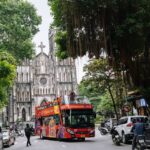
Tran Quoc Pagoda gives the outing a more traditional sightseeing stop alongside its food and social history. It’s one of Hanoi’s notable religious sites, and its inclusion makes the route feel broader than a tram museum visit alone.
The available information doesn’t spell out how long the group spends at the pagoda or what the guide covers there. Think of it as a stop that rounds out the tour, not a substitute for a dedicated pagoda visit with a detailed architectural or religious focus. If this landmark is high on your list, you may want to check whether the tour schedule allows enough time for your interests.
The shift from tram displays and food to a well-known site is useful for first-time visitors. You get contrasting views of Hanoi in one outing: a designed cultural space, a market, food and coffee, and a landmark by the lake. That variety can help you build an early sense of the city.
You can also read our reviews of more tours and experiences in Hanoi


Guides, pace, and what to expect
The guide is central to the experience because the objects and dishes need context to make their full sense. Guides named Thu, Minh, Minh Khue, Alex, and Luka have led tours, and Jessie has provided translation support. Their roles have included explaining Vietnamese food, coffee and tea customs, rice cultivation, the Subsidy Era, and everyday life.
Those subjects are a good fit for a first day in Hanoi. You can use the tour to get familiar with local flavors and pick up background that makes later meals and sightseeing more meaningful. Solo visitors have also found the tour easy to follow, though the exact group size isn’t provided.
The pace appears to leave room to look around and eat, rather than rushing from one stop to the next. But details such as the tour’s duration, meeting point, and precise sequence aren’t available here. Confirm them when booking, especially if you’re coordinating it with another activity.
A handmade souvenir activity has also been part of the experience. That sounds like a small addition rather than the focus of the tour, and it may depend on the version of the outing. If you’re drawn to the craft element, check that it is included in the package you choose.
Is $29.59 good value?
At a starting price of $29.59, this tour can be good value if you want more than a meal. You’re paying for tastings, interactive food and drink activities, a guide’s cultural explanations, themed tram spaces, a museum visit, and stops that include a market and Tran Quoc Pagoda.
The comparison to make is not simply with the cost of pho or coffee on your own. You could certainly eat those dishes for less, but you would not get the same setting, the Subsidy Era displays, or the guided connections between food and history. If those elements matter to you, the price buys an organized introduction to several sides of Hanoi.
It may be less compelling if your main goal is to eat a large meal or visit several famous restaurants. The exact serving sizes and number of tastings aren’t stated, so don’t assume this will replace lunch or dinner. Likewise, the tour’s museum and storytelling are a draw for curious visitors, but less useful if you want a food-only outing.
Booking offers instant confirmation, and same-day booking is available. You can cancel for a full refund if you give at least 24 hours’ notice, based on local time at the destination. The activity has a 5.0 rating from 17 reviews, a strong early signal, but the modest number of ratings means it’s sensible to focus on the experience itself and confirm the details that matter to you.
Who should book this Hanoi food tour?
I’d consider it especially suitable for first-time visitors who want an easy introduction to Hanoi’s dishes and local history in one outing. It also suits curious eaters who enjoy learning how a food fits into people’s lives, and solo visitors looking for a structured activity with a social setting.
It’s a good choice if themed spaces, local stories, and hands-on moments appeal more than a long list of restaurants. You’ll get the most from it if you’re happy to let the guide shape the pace and you’re interested in both past and present-day Hanoi.
Choose something else if you want a food tour with a published dish-by-dish menu, a fixed duration, or extensive time at each landmark. Those details aren’t provided here, and the tour’s particular strength is its unusual combination of tram cars, food, and social history.
My call: book it if you want an offbeat, culture-led way to get your bearings and taste Hanoi. Before paying, check the current schedule and what food and activities are included in your selected package.
Hanoi Food Tour: Salt Coffee, Tram Museum & Tran Quoc Pagoda
“I had an amazing experience on the first day in vietnam with this tour. Feels like i have stood by and watched the history of vietnam unfold before…”
FAQ
How much does the Hanoi food tour cost?
The listed starting price is $29.59. The final price may depend on the package and booking details.
Can I book the tour for today?
Yes. Same-day booking is available, and the activity offers instant confirmation.
What is the tour package called?
The package is Hanoi Food Tour: Salt Coffee, Tram Museum & Tran Quoc Pagoda.
What food and drinks are included?
Pho, spring rolls, salt coffee, iced tea, and peanut candy are mentioned as part of the experience. The exact menu and serving sizes are not specified.
Does the tour include Tran Quoc Pagoda?
Yes. Tran Quoc Pagoda is included in the named package, along with the tram museum, food activities, and a market visit.
What is the cancellation policy?
You can receive a full refund if you cancel at least 24 hours before the activity date, using the destination’s local time.