Jinhae’s spring show is not one quiet row of trees. It is a festival that draws more than two million people, with blossoms arching over railway tracks and lining the bridges at Yeojwacheon Stream. This tour takes you to both headline spots without asking you to solve festival transport on your own.
I like two things in particular: the direct shuttle, which sidesteps the scramble for local buses, and the generous time at each stop, where you can wander, take photos or pause for a café break. One trade-off: festival traffic can stretch the journey, and the crowds are part of the deal.
At a glance
- Gyeonghwa Station puts blossoms above the tracks: The railway setting is the classic photo stop, with about two hours to explore.
- Yeojwacheon gets the longer visit: You have three and a half hours at the stream, known for blossom-lined paths and romantic bridges.
- The shuttle cuts out tricky festival transfers: Busan departures have three pick-up points; round-trip options are also offered from Seoul.
- Stops are largely self-guided: Your guide handles transport and key instructions, while you set your own pace on site.
- There is a transfer option between Seoul and Busan: It can combine sightseeing with intercity travel, but check the exact route and luggage details before booking.
- Traffic and bloom timing are not guaranteed: The schedule may shift with weather and road conditions, and flowers do not follow a calendar to the day.
- At a glance
- Why Jinhae is worth the spring trip
- Gyeonghwa Station: blossoms over the railway
- Yeojwacheon Stream: bridges, blossoms and a longer pause
- A day shaped by traffic and flower timing
- Getting there from Busan or Seoul
- What the price buys
- Guides, language and time to yourself
- Who should book this Jinhae tour?
- Should you book?
- FAQ
- Where does the tour visit?
- How long do you spend at each main stop?
- Where does the Busan tour depart from?
- How early should I arrive at the meeting point?
- Are Seoul departures available?
- Is the tour guided throughout the stops?
- Are food and drinks included?
- How much luggage can I bring on a transfer package?
- Are children charged the same price?
- What happens if weather or traffic changes the schedule?
- More Tours in Changwon-si
- More Tour Reviews in Changwon-si
- Not for you? Here's more nearby things to do in Changwon-si we have reviewed
Why Jinhae is worth the spring trip
 1 / 9
 2 / 9
 3 / 9
 4 / 9
 5 / 9
 6 / 9
 7 / 9
 8 / 9
 9 / 9
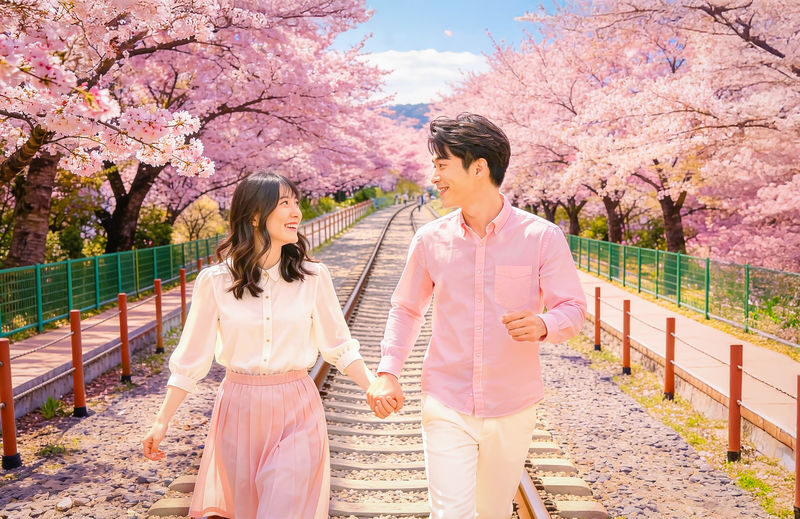
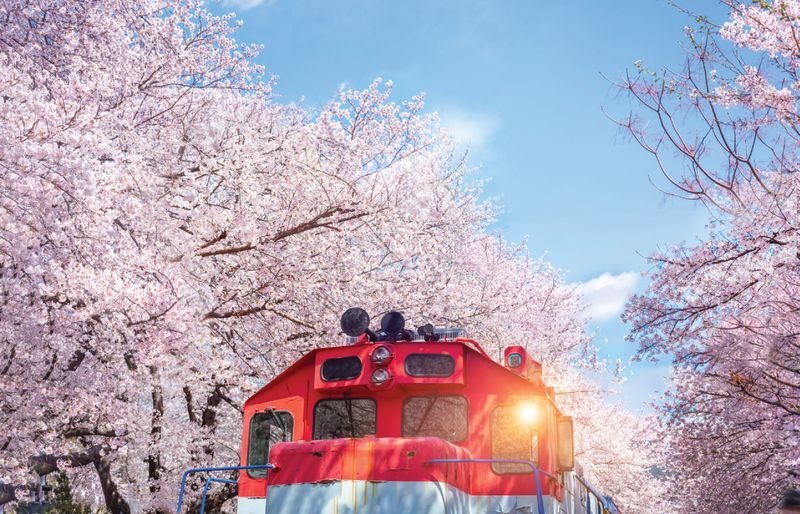
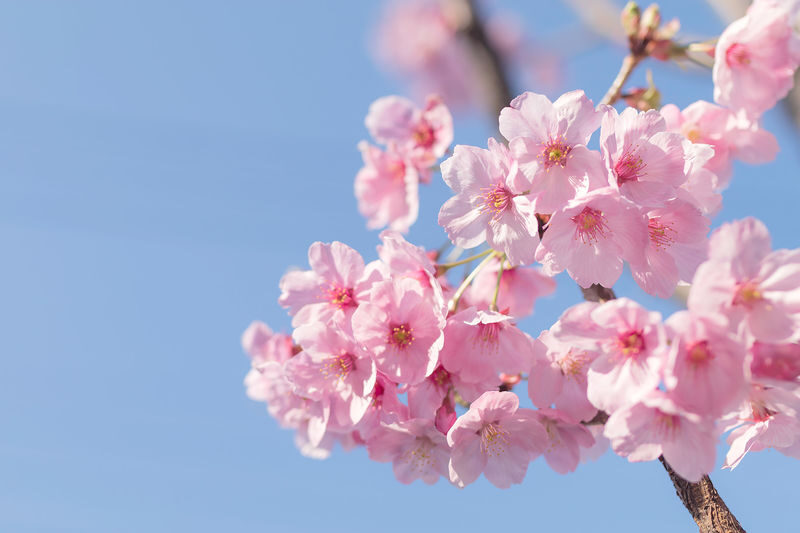
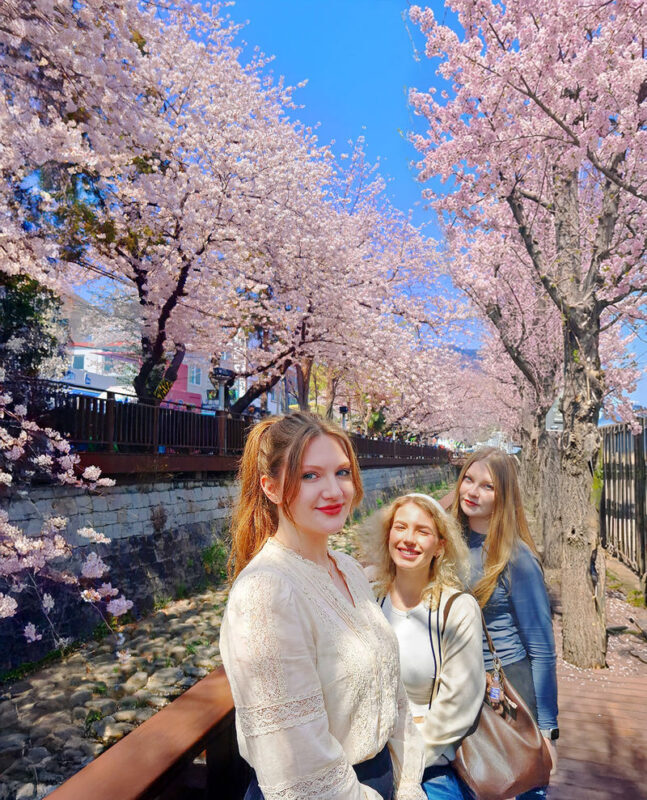
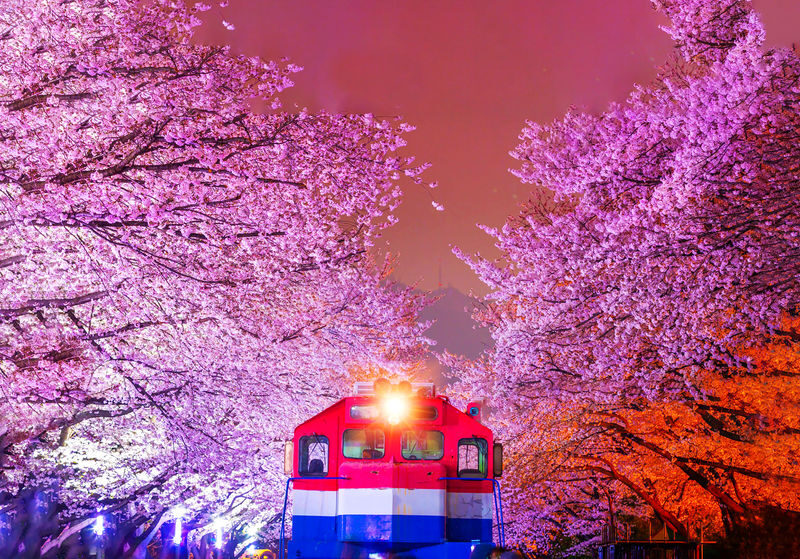
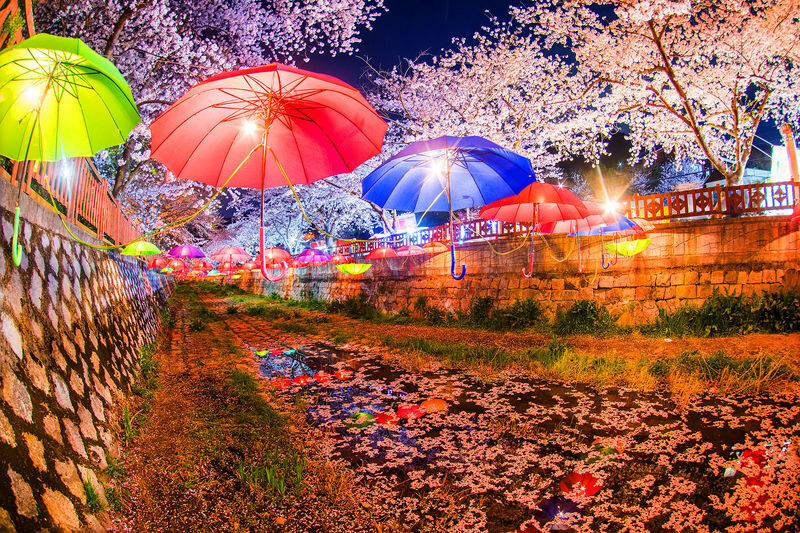
Jinhae, in Changwon-si on Korea’s southern coast, is famous for its Gunhangje Cherry Blossom Festival. Its scale is the point: thousands of cherry trees flower around the town, and the festival draws crowds from across the country. At peak bloom, the effect is hard to miss. Pink branches form a canopy over the railway at Gyeonghwa Station, while at Yeojwacheon Stream they frame the paths and bridges.
The tour focuses on those two well-known locations. That keeps the day’s purpose clear: see the blossoms, take your time, and avoid piecing together transport during one of Korea’s busiest spring events. You are not signing up for a long guided walk with a running commentary at every tree. The stops are self-guided, so you can linger where the view appeals and move on when you are ready.
That freedom is a real plus, especially if photos are high on your list. It also means you need to keep an eye on meeting times and follow the guide’s instructions. The flowers may be leisurely; the bus schedule is not.
You can also read our reviews of more tours and experiences in Changwon-si.

Gyeonghwa Station: blossoms over the railway
The first stop is Gyeonghwa Station, reached at about 10:00 on the Busan day-tour schedule. You have two hours here, which gives you time to see the tracks, walk through the blossom-lined area and wait for a clear view if the main photo spots are crowded.
The setting is distinctive because the trees arch over the railway. The contrast of branches, tracks and spring flowers makes this one of Jinhae’s signature scenes. It is a natural place to take your first photos, but do not expect solitude. During festival season, the same view that draws you here draws a lot of other people.
Because this stop is self-guided, you can choose how to use the time. You might spend it seeking a good angle, taking a slower walk beneath the trees or simply enjoying the flowers without trying to capture every branch on your phone. The guide will set the return time, so note where and when to meet before wandering off.
Some departures may include an extra site, such as a naval academy or nearby attraction. That can add interest, but it may also mean an unfamiliar walk or restrictions on photography. Ask your guide early what your particular group will visit, especially if you have limited time or mobility concerns.
Yeojwacheon Stream: bridges, blossoms and a longer pause
After Gyeonghwa Station, the bus takes about 30 minutes to reach Yeojwacheon Stream. The schedule gives you three and a half hours here, making it the longer of the two stops and the best place to slow down.
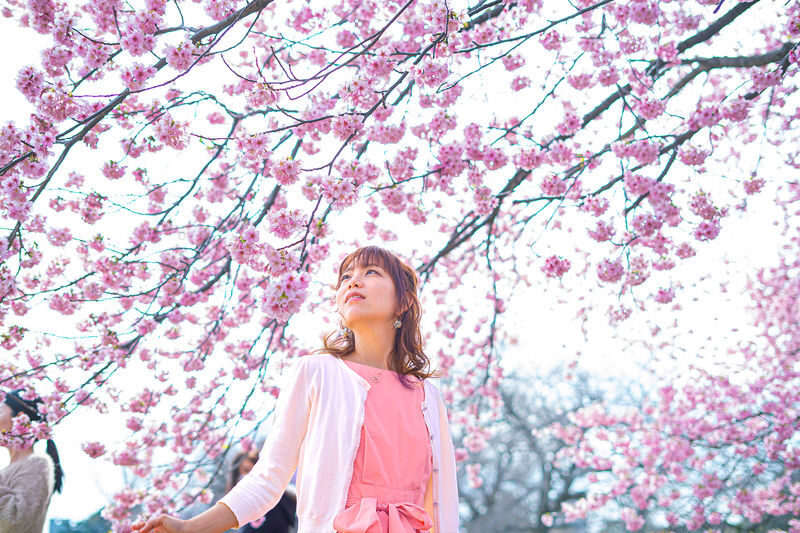
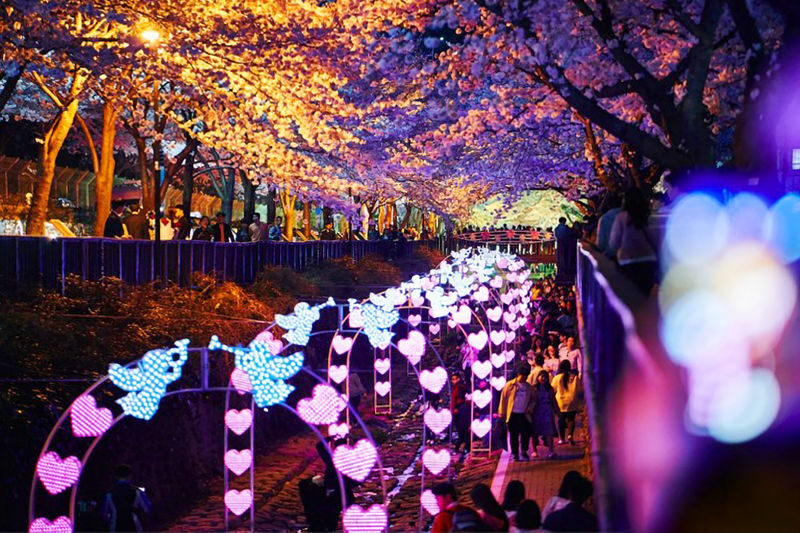
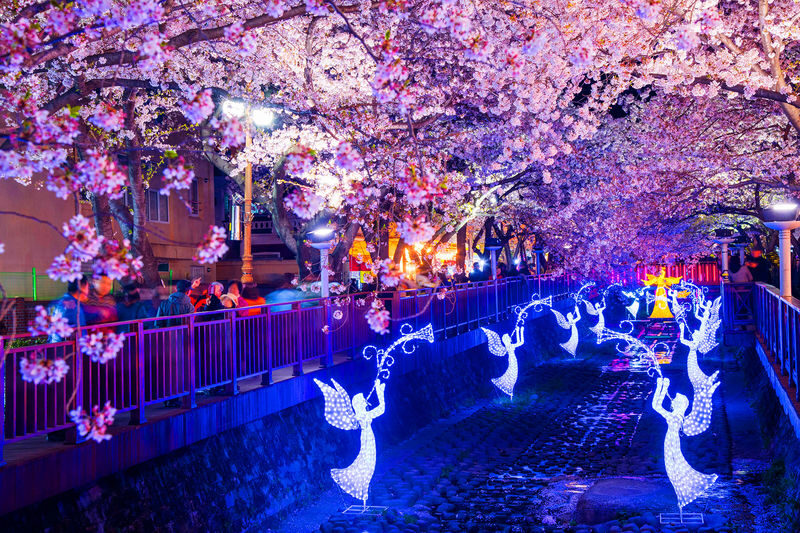
Cherry trees line the stream, and bridges add a different frame to the blossoms than the railway scene at Gyeonghwa. The area is the heart of Jinhae’s spring charm, with plenty to look at as you follow the stream and cross between its paths. If the crowds make the central spots feel hectic, you can keep walking and look for a quieter stretch rather than staying fixed in one photo queue.
The longer visit also gives you room for a break. Food and drinks are not included, so bring money for snacks or a meal. Festival-area vendors may offer quick bites, but food choices can vary. If you are vegetarian, consider bringing something from Busan rather than relying on finding a suitable meal once you arrive.
At Yeojwacheon, the local guide assists with the transfer and accompanies the group until the end of the tour. Still, most of your time is yours to explore. That balance works well if you enjoy setting your own pace, but less well if you want a guide to lead a detailed walk through every corner.
A day shaped by traffic and flower timing
The Busan day tour’s listed schedule starts at 07:20, reaches Gyeonghwa Station at 10:00, then moves to Yeojwacheon before the 16:00 return departure. The precise day can change with traffic and weather. On festival weekends, congestion is a serious possibility, so treat the times as a plan rather than a promise.
That early start is part of the bargain. You get two major sites in one day, but you spend a good part of it on the road and among crowds. Drivers have to manage festival traffic and parking, which can be difficult around popular stops. The shuttle is valuable precisely because you do not have to find your own way through that crush, but it cannot make the roads empty.
Blossom timing adds another uncertainty. Jinhae is in southern Korea, where cherry blossoms can appear relatively early, but peak bloom shifts with the season and weather. Some departures catch the flowers at their fullest; others may find fewer blossoms. If seeing peak bloom is your main reason for going, keep your dates flexible if possible and understand that no tour can guarantee the trees will be at their best.
The offered Day & Night version lets you see the festival after dark as well. It departs later than the Busan Day tour, and you are advised to have a simple brunch beforehand. Check the details for your chosen package, since the schedule differs from the daytime option.
Getting there from Busan or Seoul
Busan day-tour pick-ups are listed at Haeundae Station Exit 5 at 07:20, Seomyeon Subway Station Exit 8 at 08:00, and Busan Subway Station Exit 3 at 08:30. These are subway exits, not the similarly numbered exits at the underground shopping centre or Busan KTX Station. Look for the Lecirt logo at the meeting point and arrive at least 10 minutes early. Late arrivals and no-shows are not refundable.
The return is to the same Busan pick-up points, with listed drop-off times of 17:30 at Busan Station, 18:00 at Seomyeon and 18:30 at Haeundae. These times can shift with traffic. The tour is also sold as a round trip from Seoul, but the specific Seoul pick-up times and location are not given here, so confirm those details for your selected departure before you book.
The transfer packages run between Seoul and Busan, making the day trip useful if you are changing cities. They are not the same as a round-trip excursion: check your itinerary carefully so you know where the journey begins and ends. Each person may bring one suitcase up to 30 inches on a transfer package. Luggage storage and delivery are not provided.
What the price buys
Round-trip options are listed from US$74.59, while transfer packages are listed from US$89.49. The overall experience is also advertised from US$85.79, so the price you see depends on the package and date you select. Compare the final option carefully rather than assuming every departure costs the same.
The fare includes transport, parking fees, attraction admission and guide or staff support in English, Chinese and Korean, depending on the service provided. Meals, drinks, personal expenses, tips and insurance are extra. The practical value is less about getting a low-cost ticket to a flower festival and more about avoiding the transport puzzle when local services are under pressure.
If you are travelling from Busan and would otherwise need to arrange buses and connections yourself, the shuttle can save time and uncertainty. If you are already in Seoul, the long journey makes the day more demanding, but a direct tour may still be simpler than organizing the trip independently. The transfer option can be good value if it fits an intercity move you already planned.
Guides, language and time to yourself
Guide names vary by departure. Sherry, Julie, Katrina, Ruby and Sky are among the guides who have led groups. Guides have been praised for clear updates, practical food suggestions, help with photos and explanations in more than one language. Those small acts matter in a crowded festival: a clear meeting instruction or a quick recommendation can make the day easier.
The tour is not a fully escorted walk from one blossom to the next. At the two main stops, you explore on your own, while the guide handles coordination and transport. That semi-independent setup is useful if you want time to take pictures or stop at a café without moving as a group every few minutes. It asks you to be punctual and comfortable finding your own way around each site.
The listed service includes a Chinese, English or Korean-speaking guide, English-speaking staff and a Chinese-speaking professional driver-guide. Exact language support may depend on the departure. If you need a specific language, confirm it when booking rather than assuming every trip has the same guide arrangement.
Who should book this Jinhae tour?
I would look closely at this tour if you are visiting during cherry blossom season, want to see both Gyeonghwa Station and Yeojwacheon Stream, and do not want to manage festival transport yourself. It is also a sensible option for solo visitors, couples and families who value a set ride and generous free time at the sights.
It may not suit you if you dislike crowds, need a tightly predictable return time, or want a small-group, fully guided walking tour. The long day and traffic are real costs, especially on the Seoul departure. People with mobility limits should ask about walking distances and any added stops before setting out; the main sites can involve a lot of walking, and one possible extra visit may include a longer walk.
Children aged 0 to 2 are free; the same price applies to other ages. The voucher is valid only for the date and time booked, and mobile vouchers are accepted. Changes are allowed until 24 hours before the activity, with some booking types excluded. Cancellations at least 24 hours before the activity date qualify for a full refund. Extreme weather or other unforeseen events may lead the operator to cancel, with rescheduling or a refund offered.
Should you book?
Book it if Jinhae’s spring blossoms are a priority and you want the simpler option for reaching the festival’s two best-known viewing areas. The shuttle, two distinct stops and long window at Yeojwacheon make a strong combination, especially from Busan. Choose the transfer package only after checking its exact route and luggage allowance.
Go in with realistic expectations: crowds, road delays and uncertain bloom dates come with the season. If you can accept those, this tour gives you a practical way to see the flowers without spending the day trying to untangle local transport.
Jinhae Pink Cherry Blossom Festival Tour from SEOUL / BUSAN
“We were very lucky to have great weather to see the cherry blossoms. The entire trip was well-managed in terms of time, and our guide, Sherry, also…”
FAQ
Where does the tour visit?
The main stops are Gyeonghwa Station and Yeojwacheon Stream in Jinhae. Some departures may include an additional site, so ask your guide what is planned for your trip.
How long do you spend at each main stop?
The Busan day-tour schedule allows two hours at Gyeonghwa Station and three and a half hours at Yeojwacheon Stream.
Where does the Busan tour depart from?
Pick-up points are Haeundae Station Exit 5, Seomyeon Subway Station Exit 8 and Busan Subway Station Exit 3. These are subway exits, not the similarly numbered exits at the underground shopping centre or KTX station.
How early should I arrive at the meeting point?
Arrive at least 10 minutes before departure. Late arrivals and no-shows are not refundable.
Are Seoul departures available?
Yes. A round-trip tour from Seoul and transfer packages between Seoul and Busan are offered. Confirm the exact meeting point and schedule for your selected option.
Is the tour guided throughout the stops?
The two main stops are self-guided, so you can explore at your own pace. A local guide assists with the transfer at Yeojwacheon and accompanies the group until the end of the tour.
Are food and drinks included?
No. Meals and beverages are not included, so bring money for food and drinks. If you are vegetarian, you may want to bring food from Busan.
How much luggage can I bring on a transfer package?
Each person may bring one suitcase up to 30 inches. Luggage storage and delivery services are not provided.
Are children charged the same price?
Children aged 0 to 2 are free. The same price applies to all other ages.
What happens if weather or traffic changes the schedule?
The schedule may change because of traffic or weather, and festival weekends can bring jams. If extreme weather or another unforeseen event leads the operator to cancel, you may reschedule or request a full refund.