The story here begins with silk, but it does not end at the loom. At the former site of the Qing-dynasty Jiangning Imperial Silk Manufacture, you can connect imperial textile production with Yunjin brocade, Cao Xueqin and Dream of the Red Chamber, all within a museum complex designed by architect Wu Liangyong.
I like two things in particular: the chance to see exquisite embroidery up close, and the way the four themes are spread across a mansion, museum, building and garden park. One practical consideration: the ticket is for a selected date, the entrance is the South Gate only, and the regular-season museum closes on Mondays.
- Four linked themes: Imperial silk manufacture, Yunjin brocade, Dream of the Red Chamber and gardens give the visit a clear cultural focus.
- A silk-making site with a story: The museum occupies part of the former Qing-dynasty manufacturing grounds.
- Brocade is a highlight: The fine embroidery is a reason to slow down and look closely.
- Gardens and historic-style buildings: Expect Jiangnan garden design and the antique Cao Family Opera House among the complex’s features.
- A modest starting price: Admission starts at $6.09, though food, transport and any paid extras are separate.
- Plan around the gate and hours: Enter at the South Gate, and check the seasonal schedule before setting out.
- Silk, literature and gardens in one Nanjing visit
- Start with imperial silk and Yunjin brocade
- Follow the connection to Cao Xueqin and Dream of the Red Chamber
- Take a garden pause between the exhibits
- How much time and money to set aside
- Choose your day around the seasonal hours
- Who will get the most from this museum
- Should you book the Jiangning Imperial Silk Manufacturing Museum?
- FAQ
- Where is the Jiangning Imperial Silk Manufacturing Museum?
- Which gate should I use to enter?
- What does the ticket include?
- How much does admission cost?
- When is the museum open?
- What time is last entry?
- Are children admitted free?
- Are there discounted or free tickets for seniors?
- What do I need to show at the entrance?
- Can I change or cancel my booking?
- The Best Of Nanjing!
- More Museum Experiences in Nanjing
- More Tours in Nanjing
- More Tour Reviews in Nanjing
- Not for you? Here's more nearby things to do in Nanjing we have reviewed
Silk, literature and gardens in one Nanjing visit
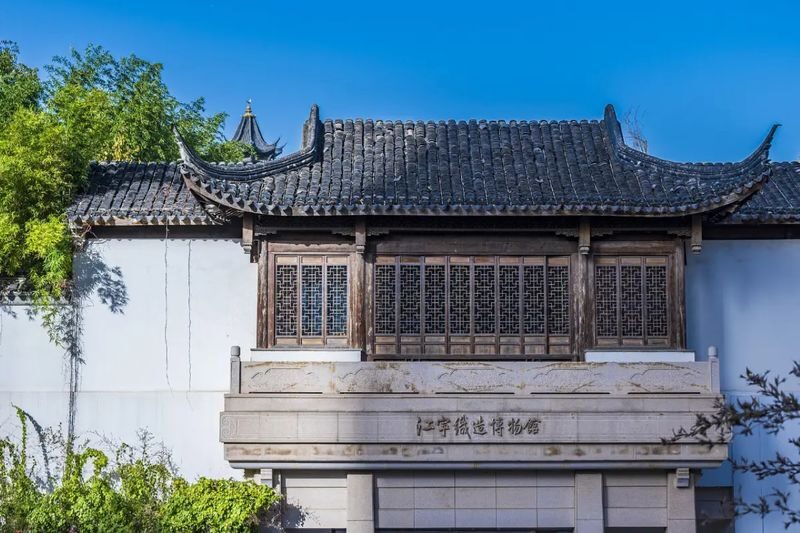
The Jiangning Imperial Silk Manufacturing Museum gives you several ways into Nanjing’s cultural past. Its setting is part of the appeal: the museum was built on a section of the former Jiangning Imperial Silk Manufacture, a Qing-dynasty site associated with silk production for the imperial court.
Rather than treating silk as a stand-alone craft, the complex connects it with other strands of local history. Its four central themes are Imperial Silk Manufacture, Yunjin Brocade, Dream of the Red Chamber and gardens. That range helps you understand how textile work, literature and designed spaces can share one place without requiring a full day of travel around the city.
Architect Academician Wu Liangyong designed the complex. Its buildings and gardens are intended to support the subjects on display, rather than serve only as containers for exhibits. You can move between museum spaces and outdoor areas, using the change of setting to make sense of the different themes.
The site is at No. 123 Changjiang Road in Nanjing’s Xuanwu District. The ticket covers one first admission. It does not include transport, meals, personal insurance or paid activities inside the grounds, so treat the low starting price as an entry cost, not an all-in day package.

👉 See our pick of the 9 Best Spa And Hot Springs Experiences In Nanjing
Start with imperial silk and Yunjin brocade
Silk is the natural starting point. The former manufacturing site gives the subject a physical connection to the place, while the museum’s silk displays offer a chance to focus on the craft itself. If you are used to seeing finished fabric only in shops, take time here to notice how much detail goes into its surface.
Yunjin brocade is one of the complex’s central themes, and the embroidery is the most specifically praised feature of the visit. The detail is worth a close look. Do not rush through the display as if it were simply a collection of decorative textiles: pause to study the patterns and the workmanship, especially if you have an interest in traditional crafts.
The information provided does not specify demonstrations, workshops or a live weaving schedule. You should therefore visit for the museum and its displays, rather than plan on taking part in a hands-on activity. If seeing a particular technique is important to you, check directly before you go.
The silk theme also gives the rest of the visit a useful anchor. Imperial textile production can feel abstract when it is reduced to a date or a name. Here, the historic site and the brocade displays let you connect that past with the material and the skill involved.
You can also read our reviews of more museum experiences in Nanjing
Follow the connection to Cao Xueqin and Dream of the Red Chamber
Another part of the complex is devoted to Dream of the Red Chamber and Cao Xueqin. The site is presented as a place to learn about the writer and the culture associated with the novel, alongside the history of the silk manufacture. That makes this stop especially worthwhile if the book is already on your reading list or you are curious about its place in Chinese literary culture.
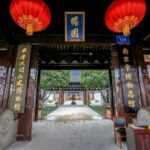
The complex includes a building focused on Dream of the Red Chamber, as well as an antique Cao Family Opera House. These features add a different kind of interest after the textiles. You are moving from material culture, what people made and worked with, to literature and performance traditions.
The precise exhibits and interpretation are not specified, so I would not arrive expecting a particular display or performance. Instead, give this part of the visit room in your plans and use it as a chance to explore the cultural links the museum sets out. If you know the novel, you may find the context especially rewarding; if you do not, the visit can still introduce you to the subject.
One useful feature of the museum’s layout is that it does not confine the story to a single gallery. The themes occupy different buildings and spaces, so the visit has some variety even if you choose to focus on only one or two subjects.
Take a garden pause between the exhibits
The gardens are not an afterthought. Jiangnan garden design is one of the four central themes, and the complex includes gardens and other outdoor settings alongside its museum buildings. A quiet pause outside can help break up a visit focused on objects, text and history.
The exact paths, planting and garden features are not detailed, so it is best not to plan around a specific view or feature. But the presence of gardens gives you a reason to move at an unhurried pace and notice how the grounds link the buildings. If the weather is pleasant, allow time for this rather than going straight from one interior to the next.
The Cao Family Opera House is another landmark to look for as you move through the grounds. It is described as antique in style, and its presence reinforces the complex’s interest in performance and literary culture. No schedule of shows is provided, so think of it as part of the site to see, not a guaranteed live entertainment stop.
Keep in mind that no food or drink is allowed inside the venue. Plan meals and drinks outside the grounds, and avoid relying on a café break during your visit. Flash photography is also prohibited, a sensible rule around delicate displays and a detail worth remembering if you are carrying a camera.
How much time and money to set aside
Admission starts at $6.09 for one first-entry ticket. That is a relatively low entry price for a complex with four linked subjects, museum displays and garden areas. The value depends on your interests: the visit is a stronger choice if silk, Chinese literature, architecture or gardens appeal to you than if you are looking only for a quick landmark photo.
The ticket does not cover round-trip transport, dining, personal insurance, paid entertainment or other personal expenses. Factor those into your budget, especially if you are making a dedicated trip to the museum. No visit duration is specified, so allow time according to how closely you want to examine the exhibits and grounds rather than assuming you can finish in a fixed number of hours.
Adult tickets apply from age 12. Seniors aged 60 to 69 have a senior-ticket category, while admission is free for children under 12 and seniors over 70. Check the applicable ticket options when booking, and bring the original identification document used for the reservation.
The ticket is valid only on the selected date, and changes are not supported. A full refund can be requested if it is more than 24 hours before the visit and the ticket has not been exchanged or used. Within 24 hours, after exchange or admission, or once the ticket has expired, refunds and rescheduling are not available. That makes it sensible to choose a date you can keep.
Choose your day around the seasonal hours
From January 1 through June 30 and September 1 through December 31, the stated hours are 09:00 to 17:30, with Monday closures and last entry at 17:00. In July and August, opening hours extend to 20:00 and the museum is open on Mondays.
For September 1 through December 31, 2026, the specific published schedule gives Tuesday through Sunday, 09:00 to 17:30, with last entry listed as 17:30. Because that last-entry time differs from the general seasonal schedule, check the date-specific information before you go, especially if arriving late in the day.
The seasonal variation matters if you are building a wider Nanjing itinerary. A summer Monday visit may be possible, while a Monday during the other listed periods is not. In every season, arriving with enough time to see the interiors and gardens is more comfortable than trying to fit everything in just before closing.
Entry is permitted through the South Gate only. The West Gate is for exiting, not entering. Put the South Gate address into your route planning: No. 123 Changjiang Road, Xuanwu District, Nanjing. At admission, present the original ID document used for the booking together with the official electronic voucher QR code. No ticket exchange is required.


Who will get the most from this museum
I would put this museum high on the list for anyone interested in traditional textiles or embroidery. The Yunjin brocade displays give you a focused reason to visit, and the fine workmanship rewards a close look rather than a quick pass through.
It also suits readers curious about Dream of the Red Chamber and Cao Xueqin, or visitors who like museums that combine indoor exhibits with gardens. The four themes give you choices: you can concentrate on silk, spend more time with the literary material, or let the gardens provide a slower counterpoint to the galleries.
Families may appreciate that children under 12 enter free, though the available information does not specify family activities. Likewise, the complex has outdoor spaces, but accessibility details are not provided. If you need step-free routes or other access arrangements, confirm those details with the venue before booking.
There is no guide named or guided tour included in the ticket details. Plan for admission to the site itself, and do not assume that a guide, performance or interactive activity comes with the entry price.
Should you book the Jiangning Imperial Silk Manufacturing Museum?
Book it if you want a compact way to connect Nanjing’s silk-making past with Yunjin brocade, Cao Xueqin, Dream of the Red Chamber and Jiangnan gardens. The starting price is modest, and the range of subjects gives the visit more substance than a textile display alone.
Think twice if your schedule is tight, Monday is your only available day outside July and August, or you expect a guided tour or live demonstration. For the best visit, choose a date that gives you time to look closely at the embroidery, explore the themed buildings and leave room for the gardens. The practical details are simple: use the South Gate, bring the original booking ID and QR code, and check the hours for your exact date.
Jiangning Imperial Silk Manufacturing Museum
“Experience: Great, the embroidery is exquisite. Booking with Klook: Convenient.”
FAQ
Where is the Jiangning Imperial Silk Manufacturing Museum?
It is at No. 123 Changjiang Road, Xuanwu District, Nanjing City, Jiangsu Province, Mainland China.
Which gate should I use to enter?
Enter through the South Gate. The West Gate is for exit only.
What does the ticket include?
It includes one first admission ticket to the Jiangning Imperial Silk Manufacturing Museum.
How much does admission cost?
Prices start at $6.09. The final price may depend on the ticket option selected.
When is the museum open?
From January 1 to June 30 and September 1 to December 31, stated hours are 09:00 to 17:30, with Monday closures. From July 1 to August 31, it is open 09:00 to 20:00, including Mondays.
What time is last entry?
The general schedule lists last entry at 17:00 for January through June and September through December. For September 1 to December 31, 2026, the date-specific information lists last entry at 17:30. Check the schedule for your chosen date.
Are children admitted free?
Children under 12 are free. Adult tickets apply to people aged 12 and above.
Are there discounted or free tickets for seniors?
Seniors aged 60 to 69 have a senior-ticket category. Seniors over 70 are admitted free.
What do I need to show at the entrance?
Show the original valid ID document used for the reservation, such as an ID card, passport or Hong Kong, Macao or Taiwan travel permit, together with the official electronic voucher QR code. You do not need to exchange the voucher for a ticket.
Can I change or cancel my booking?
The ticket is valid only on the selected date and cannot be changed. A full refund can be requested more than 24 hours before the visit if the ticket has not been exchanged or used. Within 24 hours, after exchange or admission, or after the ticket expires, refunds and rescheduling are not available.