East Germany’s Cold War story gets personal at the DDR Museum. Instead of looking at daily life through glass, you can open drawers, explore a recreated apartment, and try the controls of an iconic Trabant. The exhibits cover home, school, work, leisure, and the reach of the Stasi.
I like two things here: the chance to connect political history with ordinary routines, and the museum’s hands-on approach, which gives younger visitors something to do as they learn. The main drawback is space: the museum is compact, and it can feel crowded, especially on a Saturday.
- Key points before you go
- East German history, told through daily life
- Start with the apartment and home life
- Try the Trabant driving experience
- Learn about the Stasi and surveillance
- Music, fashion, school, and work
- How much time to set aside
- Location beside the Spree
- What the ticket covers, and what it does not
- Who will get the most from this museum
- Should you book the DDR Museum ticket?
- FAQ
- Where is the DDR Museum?
- What are the opening hours?
- How long should I allow for a visit?
- What does the general ticket include?
- How do I use my ticket?
- Can children enter for free?
- Is a reduced ticket available?
- Are pets allowed inside?
- The Best Of Berlin!
- More Tickets in Berlin
- More Tours in Berlin
- More Tour Reviews in Berlin
- Not for you? Here's more nearby things to do in Berlin we have reviewed
Key points before you go
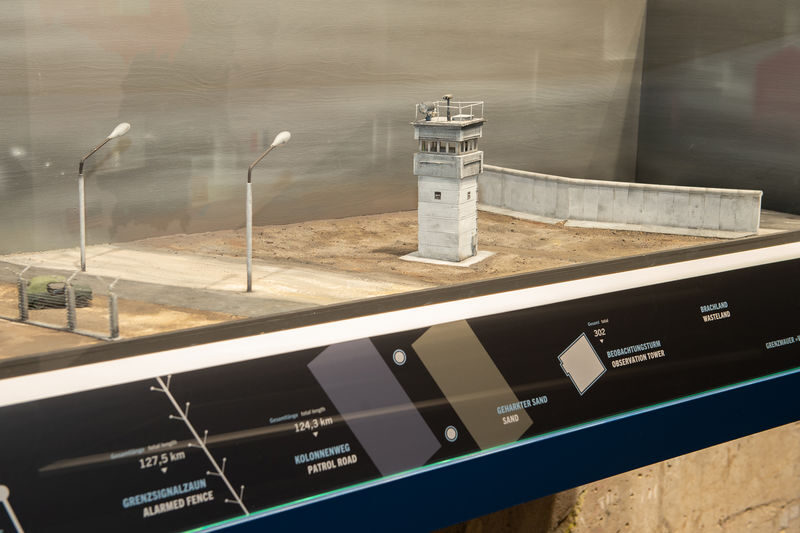
- Try the Trabant experience: Get a taste of driving an East German car inside the museum.
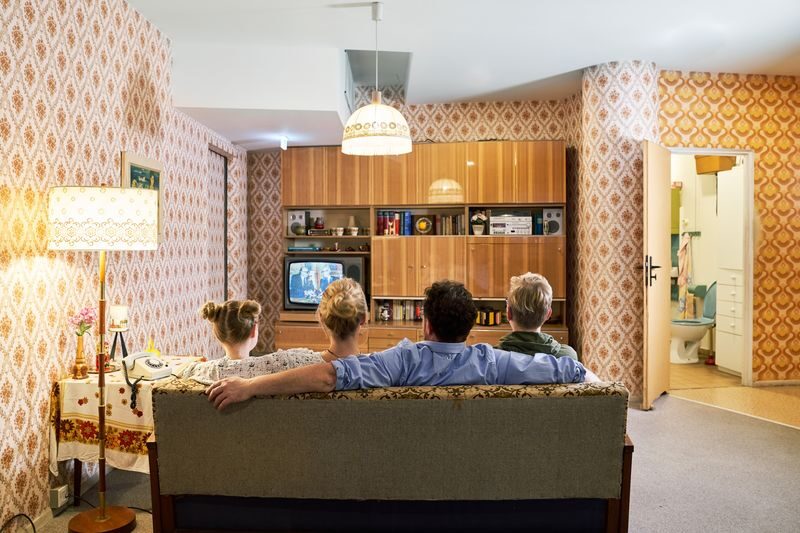
- Step into a GDR-era home: The recreated apartment shows how people cooked, lived, and decorated.
- Explore everyday history: Exhibits cover housing, education, work, music, fashion, and entertainment.
- See how surveillance worked: The Stasi displays explain the East German secret police’s methods and reach.
- Plan for a compact visit: Most people should allow roughly one to two hours, with extra time if the rooms are busy.
- Go early if you can: The museum is open daily from 9 a.m. to 9 p.m., and an early visit may mean less waiting.
👉 See our pick of the 2 Best 3 Day Tours In Berlin
East German history, told through daily life
Berlin offers no shortage of places tied to the Cold War, but the DDR Museum takes a close-up approach. It asks what life under the German Democratic Republic (GDR) meant at home, in school, at work, and during free time. That focus helps make a large political subject easier to grasp.
I find this approach useful because history can feel remote when it is told only through dates and leaders. A kitchen, a living room, or a car can prompt more immediate questions: What was ordinary? What was hard to get? How did people spend their time? The museum’s exhibits invite you to think about those details as well as the larger system around them.
This is an interactive museum, not a quiet gallery where you simply move from label to label. You can handle parts of the displays and explore small details for yourself. That makes the visit active, but it also means you may need patience when several people want to use the same exhibit.
You can also read our reviews of more tours and experiences in Berlin


Start with the apartment and home life
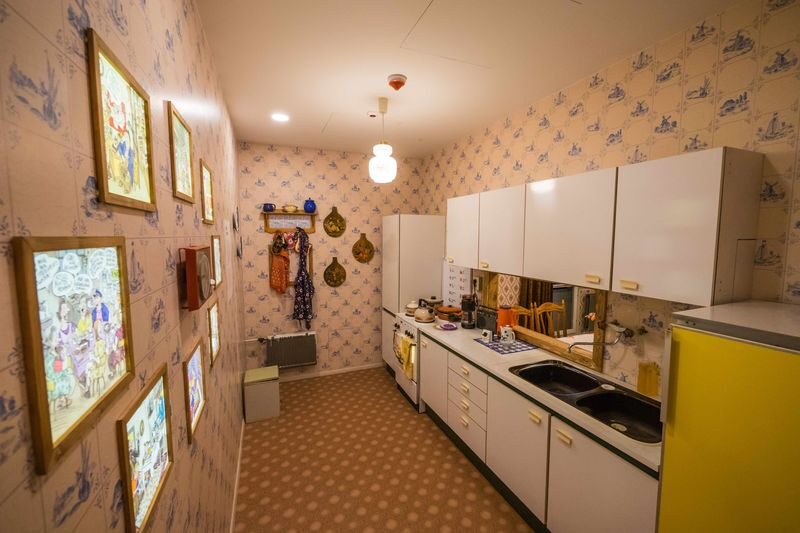
The recreated East German apartment is one of the most useful stops for putting the period in everyday terms. You can see how a home was arranged and get a sense of how people cooked, lived, and decorated. Rather than treating the past as an abstract political chapter, this room gives you household details to compare with your own life.
Take time to look closely instead of passing through at speed. The objects and furnishings help set the scene for the museum’s wider themes of housing and daily routines. If you are visiting with children, this section may also make the topic easier to discuss: a home is a familiar starting point, even when the history surrounding it is not.
The trade-off is that the museum’s small footprint can make popular areas feel tight. If a room is crowded, move on and return later rather than trying to see every detail over someone’s shoulder.
Try the Trabant driving experience
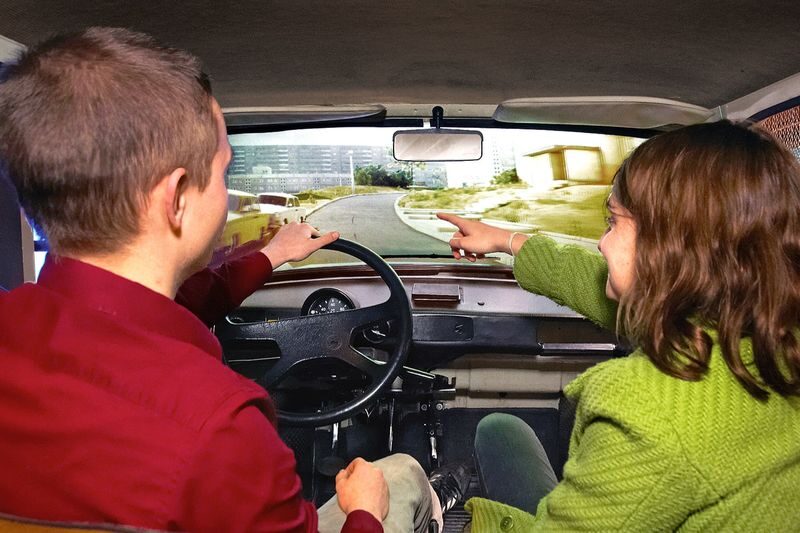
The Trabant is an unmistakable symbol of East Germany, and the museum gives you a chance to experience driving one through an interactive display. You do not need to know much about cars to enjoy the idea. The appeal is in stepping from general history into a small, physical activity that connects you with a familiar object from the era.
It is also a good example of why the museum works well for mixed-age groups. A short interactive stop can hold a child’s attention, while adults can use it as a way into a conversation about East German life and industry. Expect a museum experience, not a road trip: the Trabant activity takes place inside the venue.
Because hands-on exhibits draw a crowd, be ready to wait briefly if other people are using the display. On a busy day, patience is part of the visit.
Learn about the Stasi and surveillance
The museum also examines the Stasi, East Germany’s secret police, and the methods it used to monitor and control people. This section adds necessary weight to the more familiar displays of cars, homes, music, and clothes. It shows that daily life was shaped not only by what people owned or did for fun, but also by political authority and surveillance.
I would give this exhibit time rather than treating it as a quick stop. It helps explain why the GDR experience cannot be reduced to retro objects or a collection of period curiosities. The museum’s account of surveillance gives context to the system behind the everyday scenes.
The exhibit is one part of a broader presentation, so it is not a substitute for a detailed study of East German politics. If you want a full account of the state and its history, treat this museum as an approachable introduction and look for further reading or other Berlin sites afterward.
Music, fashion, school, and work
The museum moves beyond political institutions to cover the texture of daily life. Its subjects include education and work, as well as music, fashion, and entertainment. These displays help show what people encountered outside the home and how culture formed part of life in East Germany.
This range is a strength if you want a rounded first look at the period. You can shift from the rules and structures of the state to what people wore, listened to, and did in their free time. That mix keeps the visit from becoming one long lesson in government.
It also means the exhibits are broad rather than exhaustive. You will get a series of accessible glimpses into different parts of life, not a detailed treatment of every topic. If one subject catches your interest, use it as a starting point for more research.
You can also read our reviews of more museum experiences in Berlin


How much time to set aside
Plan on about one to two hours for the museum. That is enough time to explore the main themes without rushing, though your pace will depend on how long you spend at the interactive displays and whether the museum is crowded.
The museum is open every day from 9 a.m. to 9 p.m., giving you room to fit it around other central Berlin sights. An early visit is a sensible choice if you want a better chance of moving through the exhibits without a crowd. Saturdays can be busy, so avoid that day if you have a flexible schedule.
The compact size is both a benefit and a limitation. You can make this a manageable stop rather than giving up most of a day, but the rooms may feel cramped when attendance is high. If you prefer quiet, spacious galleries, this may not be your ideal museum.
Location beside the Spree
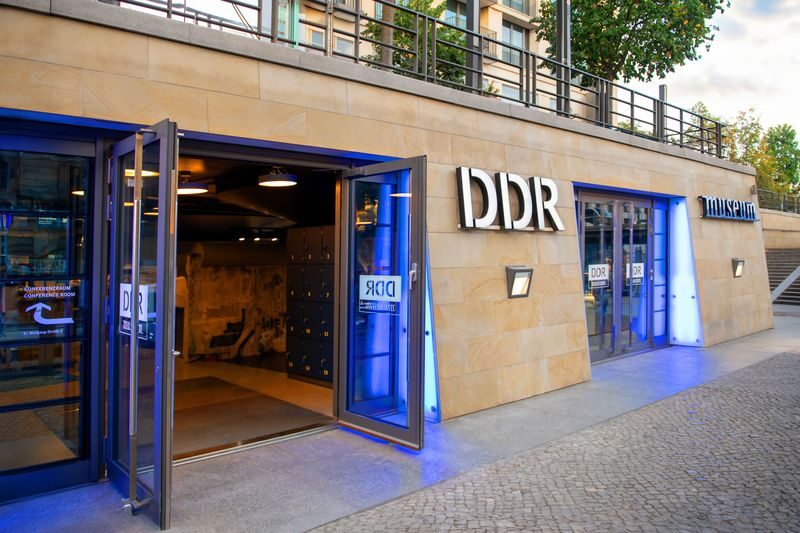
The DDR Museum is at Vera Britain Ufer, Karl-Liebknecht-Str. 1, 10178 Berlin, beside the Spree and close to central sights. Its riverside location makes it easy to pair the visit with a walk along the water. One visitor described following a museum visit with a boat trip, a practical option if you want to keep exploring the riverfront.
You can reach the area by several forms of public transport. Bus routes 100 and 200 stop at Spandauer Straße, Marienkirche, Alexanderplatz, or Grunerstraße. S-Bahn lines S3, S5, S7, and S9 serve Hackescher Markt and Alexanderplatz. U-Bahn options include U2, U5, and U8, with stops listed at Alexanderplatz, Museumsinsel, and Rotes Rathaus. Tram lines M4, M5, and M6 stop at Spandauer Straße or Marienkirche.
Check your route before setting out, since the nearest stop depends on where you are coming from. Once in the area, allow a little time to find the museum entrance rather than assuming your transport stop puts you right at the door.
What the ticket covers, and what it does not
The general ticket includes admission to the DDR Museum. Meals, drinks, personal expenses, and tips are not included. At a starting price of $17.19, the value depends on how much you enjoy interactive displays and how interested you are in daily life during the GDR era.
For a relatively short visit, the price is easiest to justify if you make use of the hands-on exhibits and give the apartment, Trabant, and Stasi displays time. If you only want a large collection of historical objects, you may find the museum less satisfying: its emphasis is on interaction and interpretation, and some visitors may wish for more physical exhibits.
The ticket is valid only on the selected date and time, if a time is specified. You can present your mobile voucher, but allow a little extra time at the entrance. Some visitors have encountered confusion over how vouchers are exchanged for entry, so if scanning does not work, show the voucher to staff at the ticket desk and ask for help rather than repeatedly trying the gate.
Free cancellation is available up to 24 hours before the activity date, based on local time. Children aged five and under enter free but must be accompanied by a paying adult; include infants and children in your booking headcount and contact staff at the entrance about free entry. Reduced tickets are available for children over six, schoolchildren, students, people doing national service, and severely disabled visitors, with proof required. Pets are not allowed, except service animals with valid identification.
Who will get the most from this museum
I would recommend the DDR Museum if you want to understand East German life through domestic details and interactive displays, rather than relying only on monuments or political history. It is a good fit for families, curious first-time visitors, and anyone who wants a compact introduction to the GDR.
It may be less appealing if you prefer quiet galleries, a large collection of objects, or a long, deeply detailed historical account. The museum can be crowded, and its hands-on style is not everyone’s preference. For a stronger visit, go early, give yourself one to two hours, and focus on the exhibits that interest you most.
Should you book the DDR Museum ticket?
Book if you want a lively, practical look at how East German history touched home life, school, work, entertainment, and privacy. The apartment, Stasi displays, and Trabant experience offer a clear reason to visit, and the central riverside location makes it easy to fit into a day in Berlin.
Skip it if crowds and interactive displays put you off, or if you are looking for a large, object-heavy museum. At about one to two hours, it is a manageable stop, but the best value comes when you take time to explore rather than treating it as a quick photo break.
DDR Museum Ticket in Berlin
“The DDR Museum is an interesting exhibition that uses interactive displays to showcase East German history. Located by the river, after about 1-2 h…”
FAQ
Where is the DDR Museum?
It is at Vera Britain Ufer, Karl-Liebknecht-Str. 1, 10178 Berlin, Germany, beside the Spree.
What are the opening hours?
The museum is open Monday through Sunday from 9 a.m. to 9 p.m.
How long should I allow for a visit?
Allow about one to two hours to explore the museum.
What does the general ticket include?
The general ticket includes admission to the DDR Museum. Meals, beverages, personal expenses, and tips are not included.
How do I use my ticket?
Present your mobile voucher at the museum. If you have trouble with the voucher at entry, ask the staff at the ticket desk for help.
Can children enter for free?
Children aged zero to five enter free and must be accompanied by a paying adult. Contact staff at the entrance, and include children and infants in the passenger headcount.
Is a reduced ticket available?
Yes. Children over six, schoolchildren, students, people serving in national service, and severely disabled visitors can buy a reduced ticket. Proof is required.
Are pets allowed inside?
Pets are not allowed, except for service animals with valid identification.