The best part of this three-hour class is that it starts before you reach the kitchen. You walk through a local market with your instructor, choose ingredients for the meal, and learn what you’re looking at before you chop, cook, and eat it. I like that the market visit gives everyday context to the food, and that the class is built around hands-on preparation, not a demonstration from the sidelines.
I also like the welcoming, small-group format, with space for one to eight participants and English- and Chinese-speaking help. Instructors such as Lily, Ngan, Cam, and Yanni have guided classes, though you won’t know who is teaching your session in advance. One consideration: the market can be hot, and some people find the meat stalls confronting. The walk-through may also feel quick if you want a long, unhurried look.
- A nearby market sets the scene: Pick up ingredients with your instructor and learn how they’re used in Vietnamese cooking.
- Five dishes, prepared by you: The advertised menu includes pho, bún cha, banana flower salad, fried spring rolls, and a coffee or cacao finish.
- A generous meal at the end: You eat what you’ve made, and portions can be substantial, so arrive hungry.
- A home-style class, not culinary school: Expect practical cooking and a friendly pace rather than professional kitchen training.
- A useful takeaway: You receive a cookbook and a completion certificate.
- Small groups and language support: Classes accommodate one to eight people, with English- and Chinese-speaking guides available.
- Start at the market, not the stove
- Five Vietnamese dishes, made from scratch
- A friendly kitchen with room to learn
- The shared meal is part of the lesson
- Is the three-hour class worth the price?
- Who should book this Da Nang cooking class?
- FAQ
- How long is the cooking class?
- Where does the class meet?
- What dishes will I learn to make?
- Are English- and Chinese-speaking guides available?
- Is the class suitable for children?
- What is included in the price?
- The Best Of Da Nang!
- More Shopping Tours in Da Nang
- More Tours in Da Nang
- More Tour Reviews in Da Nang
- Not for you? Here's more nearby things to do in Da Nang we have reviewed
Start at the market, not the stove
 1 / 6
 2 / 6
 3 / 6
 4 / 6
 5 / 6
 6 / 6
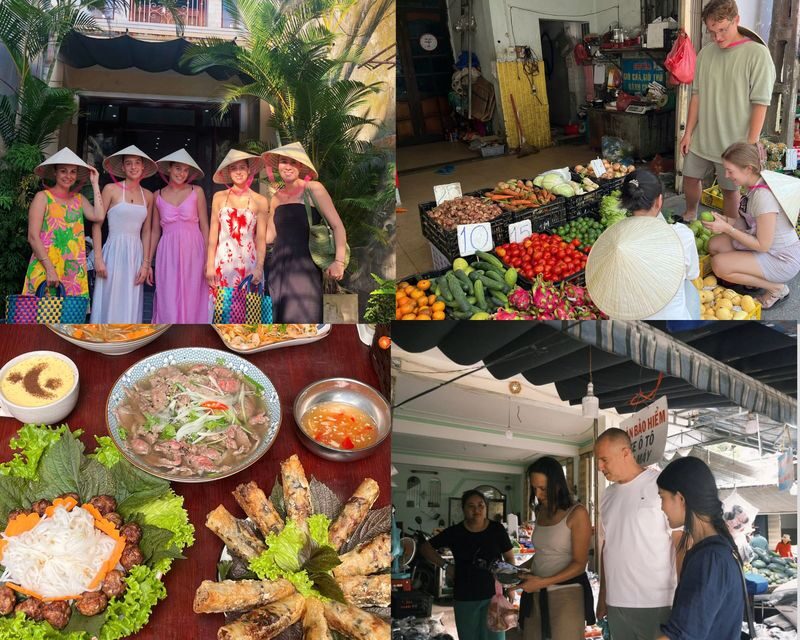
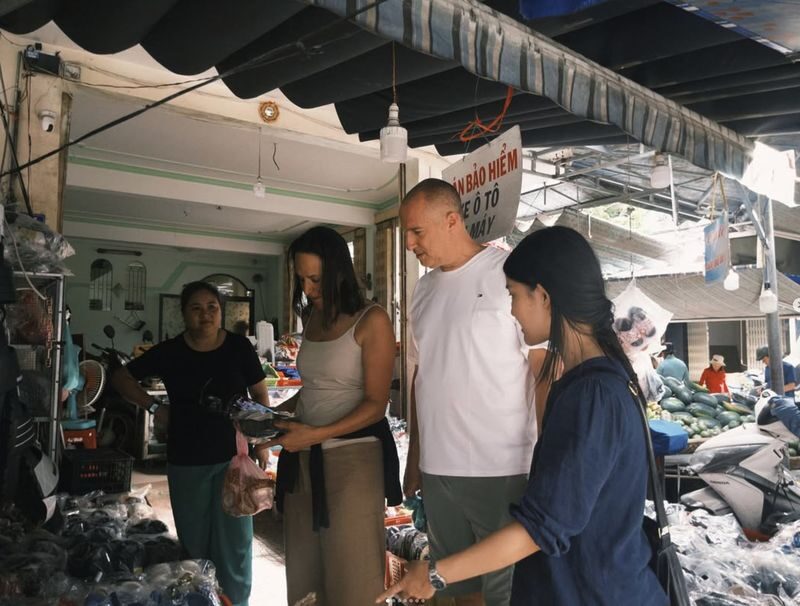
The meeting point is Danang Summer Cooking and Coffee Class, at 85 Pham Quang Anh in Son Tra. From there, the class begins with a guided visit to a nearby local market. One account describes it as less than a ten-minute walk from the cooking space; another notes that the class is roughly a 20-minute walk from My Khe Beach. The market is close enough to be part of the lesson, not a separate sightseeing stop.
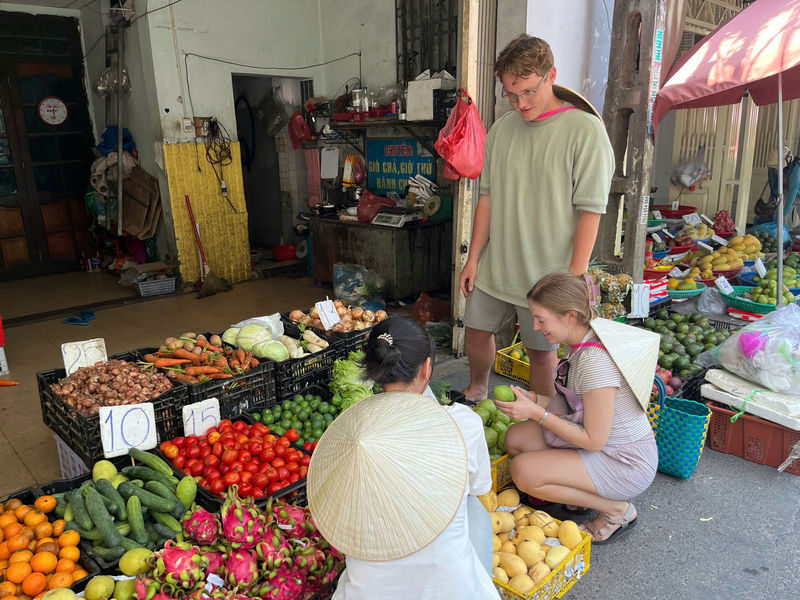
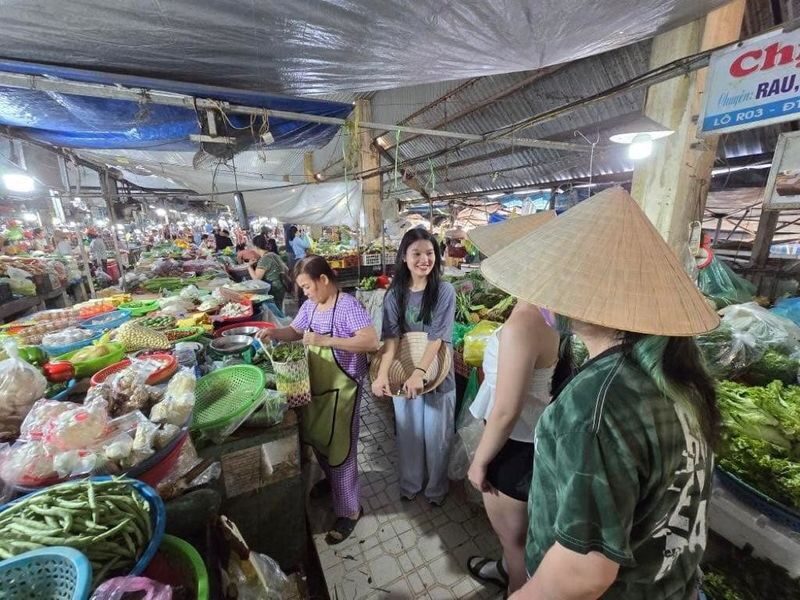
Your instructor helps you select ingredients for the dishes you’ll make, while explaining what those ingredients are and how local cooks use them. This is the kind of short visit that can make a later meal more legible: herbs, vegetables, rice paper, and other items stop being anonymous produce and become ingredients with a job to do.
The market is also a look at daily shopping rather than a staged food display. You can see vendors and the range of goods on offer, then take the actual ingredients back to the class. If you’re curious about Vietnamese food but don’t know where to begin, that link between shopping and cooking is a real strength.
A few practical notes help set expectations. The market stop is not necessarily a long wander, and one participant found the visit rushed. On a hot day, it may feel tiring, and the meat stalls are not for everyone. Wear comfortable clothes and be ready for an ordinary working market, not a polished food hall.
👉 See our pick of the 25 Best Shopping Tours In Da Nang
Five Vietnamese dishes, made from scratch
Back at the class, the instructor introduces the menu and guides you through the work. You’ll prepare ingredients, chop vegetables, and cook, with equipment supplied. The point is participation: you are not simply watching someone else turn out a meal. The home-style setting also makes it easier to ask questions and learn at a relaxed pace.
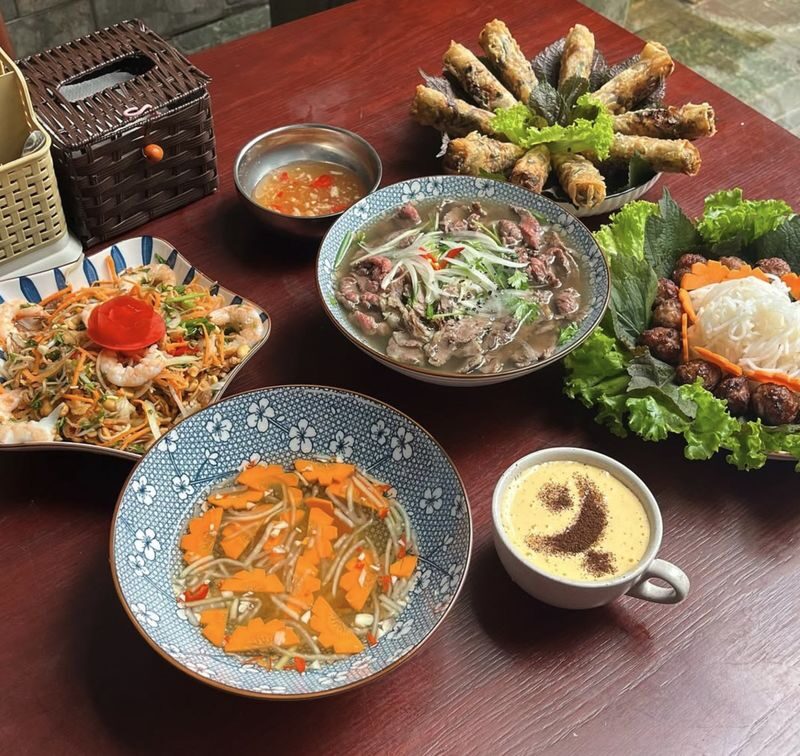
The advertised selection crosses Vietnam’s northern, central, and southern food traditions. It includes pho, bún cha, banana flower salad, nem cuon (fried spring rolls), and a salted coffee or cacao dessert. In some sessions, the salad has been mango salad, and one reported menu included beef pho. The precise dishes may differ, so check the menu when booking if one particular recipe matters to you.
Pho is a useful lesson in the gap between a bowl of instant noodles and a dish assembled from fresh ingredients. Bún cha brings grilled meatballs into the mix, while spring rolls give you a task that calls for careful preparation before frying. The salad adds a fresh contrast to the cooked dishes. Together, the recipes offer a broader introduction than a class focused on just one specialty.
The cooking is designed for ordinary people, not trained cooks. Instructors explain each step, divide tasks among the group, and offer practical tips as you work. If you rarely cook, you should still be able to take part; the class is structured around learning as you go. Those who already enjoy cooking may appreciate the ingredient explanations and the chance to compare techniques.
The range is ambitious for a three-hour class, so don’t expect to master every detail of Vietnamese cooking in one session. You’ll leave with a good first set of recipes and an understanding of how several dishes come together. That’s a useful bargain: one afternoon gives you both a taste of the food and a starting point for trying it at home.
You can also read our reviews of more shopping tours in Da Nang


A friendly kitchen with room to learn
The class takes place in a home-style setting, rather than a formal culinary school. That distinction matters. You’re there to cook, share a meal, and talk with your instructor, not to earn professional kitchen skills. The atmosphere is informal, which can make a beginner more comfortable asking for help or admitting that a knife technique is new.
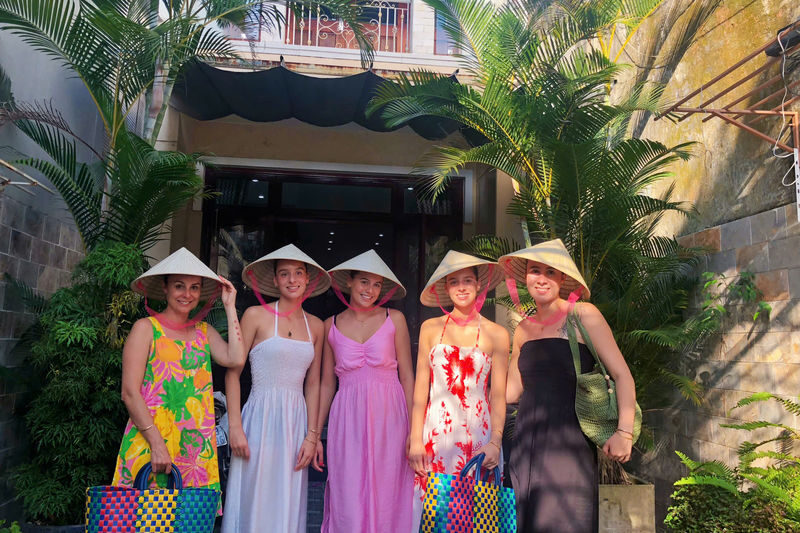
Groups are limited to eight, and a solo participant can book. Depending on the day, you could be in a group with people from several countries or have a more personal session. The small size makes it easier for the instructor to guide different participants, though the amount of individual attention naturally depends on how many people attend.
English- and Chinese-speaking guides are available. English is the main language in many classes, but staff can also use Chinese to help participants follow along. Clear explanations and gestures can help if your English is limited, though a basic understanding of English may make it easier to follow the group conversation.
Several instructors are named by participants, including Lily, Ngan, Cam, Yanni, and Tran. You should not assume you’ll have a specific teacher, but the class has a team of local instructors. Their role is more than recipe-reading: they explain ingredients, share food stories and cooking tips, and help the group work through the meal.
The setting has small personal touches, too. A resident cat has become a favorite feature for some participants. Treat that as a pleasant possibility rather than a guaranteed part of the class, and remember that the main attraction is the cooking.
The shared meal is part of the lesson
Once the dishes are ready, you sit down to eat what you’ve made. This is more than a meal included for convenience. Tasting the finished food helps you connect the market ingredients and kitchen steps to the flavors in the bowl or on the plate. And after several hours of cooking, the food is the satisfying payoff.
Portions can be large, particularly for two people, so come with an appetite. You’ll also prepare Vietnamese coffee, with salted coffee often singled out as a favorite. If coffee is not usually your thing, it may still be worth trying the class version; it’s part of the experience, not simply a drink poured from a pot.
The shared format gives the class a social side. You may cook alongside other participants, divide up jobs, and then eat together. That can be a nice change from sightseeing on your own, especially if you’re traveling solo. The class is also described as LGBTQ-friendly, which may matter to some people choosing an activity.
At the end, you receive a cookbook with recipes and a certificate of completion. The cookbook is the more practical souvenir: it gives you a way to try the dishes again at home. Still, ingredients and equipment available back home may differ, so treat the recipes as a starting point rather than a promise that every result will taste exactly the same.
Is the three-hour class worth the price?
The listed starting prices differ: the overview gives US$35.85, while the three-hour package details show a starting price of US$32.59. Check the price for your selected date and package before paying. At either starting figure, the value comes from several parts in one booking: the market visit, ingredient selection, guided cooking, a full meal, drinks, equipment, the recipe book, and the certificate.
This is better value for someone who wants a useful activity, not just a meal. You’re spending three hours learning about ingredients and preparation, then eating the results. If you only want to sample Vietnamese food, a restaurant meal will take less time and likely cost less. If you want to understand how the dishes are made, the extra time and instruction are the point.
There are a few trade-offs. The class is home-style, not a professional cooking course, and the market stop may feel brief. The published menu also differs from some dishes prepared in individual sessions. If you need a particular recipe, have a dietary restriction, or want to know exactly what will be served, ask before booking. The class says it caters to dietary preferences and restrictions, but it’s wise to confirm your specific needs.
The activity is open to participants aged seven and older. It runs daily from 09:00 to 19:00, with last admission at 18:00, and you must arrive on time. A mobile voucher is accepted. Changes are allowed until 24 hours before the activity, subject to stated exceptions, and cancellations at least 24 hours before the activity date qualify for a full refund. Late arrivals and no-shows are not refundable.
Who should book this Da Nang cooking class?
I’d book it if you want to do more than order familiar dishes in a restaurant. The market visit gives the cooking a local setting, the kitchen work is genuinely participatory, and the meal rewards your effort. It suits curious eaters, beginner cooks, families with children aged seven or older, and solo visitors who like meeting people through a shared activity.
Think twice if you dislike markets, have little tolerance for heat, or want a formal lesson with a fixed professional curriculum. The relaxed home setting is a plus for many people, but it is not a culinary academy. Check the exact menu and confirm dietary needs before reserving, then arrive hungry and ready to help.
You can also read our reviews of more tours and experiences in Da Nang



Da Nang Cooking Class & Market Discovery
“The teacher yanni was so nice and friendly. She took the initiative to take photo for me through ccd while i went to the local market. All these le…”
FAQ
How long is the cooking class?
The package described is a three-hour cooking class, including the market visit and cooking session.
Where does the class meet?
Meet at Danang Summer Cooking and Coffee Class, 85 Pham Quang Anh, An Hai, Son Tra, Da Nang.
What dishes will I learn to make?
The advertised menu features pho, bún cha, banana flower salad, fried spring rolls, and salted coffee or cacao. Some sessions have prepared different versions of the salad or pho, so confirm the menu if a specific dish matters to you.
Are English- and Chinese-speaking guides available?
Yes. English- and Chinese-speaking guides are available to assist during the activity.
Is the class suitable for children?
Participants must be at least seven years old.
What is included in the price?
The class includes the market visit, ingredients for the cooking session, equipment, meals and beverages, a guide, a cookbook, and a certificate. Personal expenses and tips are not included.