Crete’s inland feels a world away from its beach resorts. This seven-hour outing takes you up to the Lasithi Plateau, where old windmills, mountain views and village life make a fine counterpoint to the coast. At the Dictean Cave, you can follow the myth of Zeus to the place where he was said to have been born.
I like the mix of big scenery and local craft: the monastery and cave bring history and myth, while the pottery workshop lets you try making something yourself. The olive oil visit adds a taste of everyday Crete, not just its postcard views.
The main catch is the cave climb. It is steep and can be slippery, then there are steps inside, so sturdy shoes and a reasonable level of fitness matter. The price is low, but allow for the cave and monastery entry fees, lunch, and possibly a longer day if you are picked up far from the route.
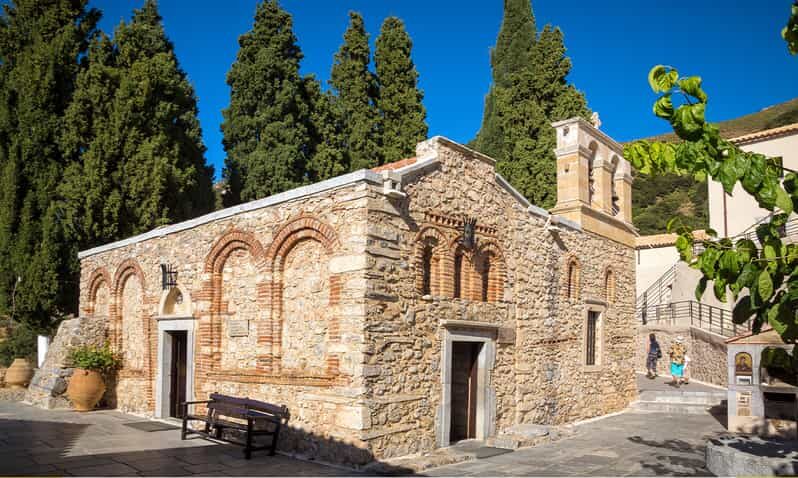
- Panagia Kera’s 14th-century frescoes bring religious art and local legend into a small hillside monastery.
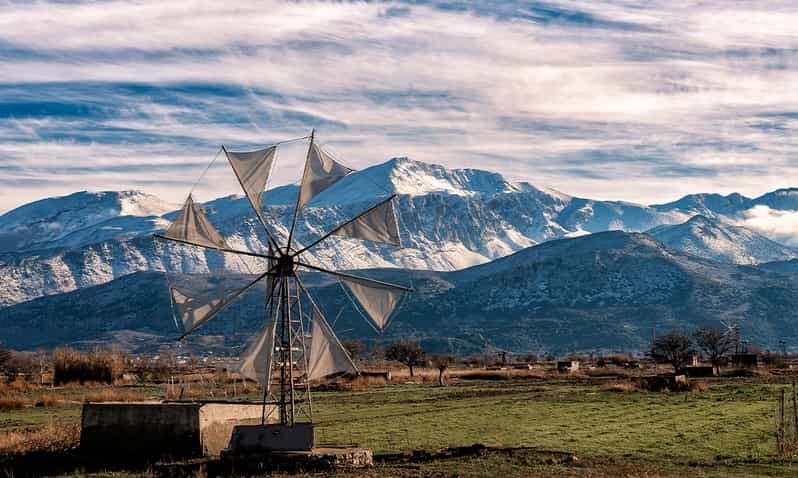
- Lasithi’s white-sailed windmills recall an ingenious way of irrigating the plateau.
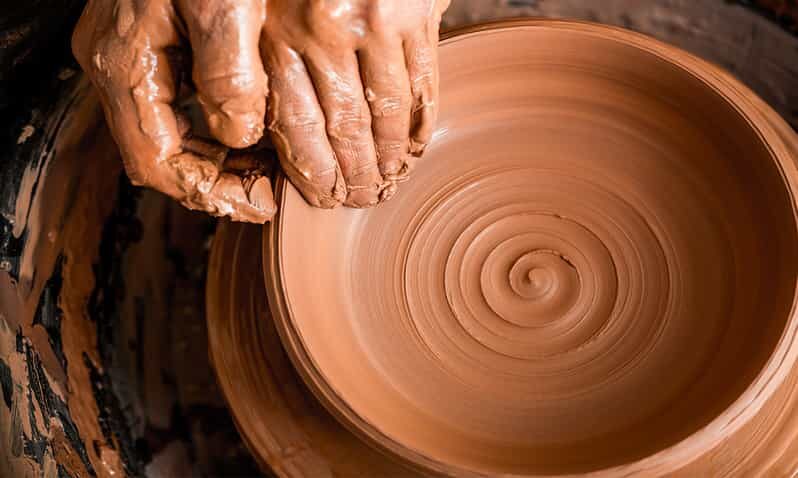
- The pottery stop is hands-on, with a chance to shape a small piece with help from the potter.
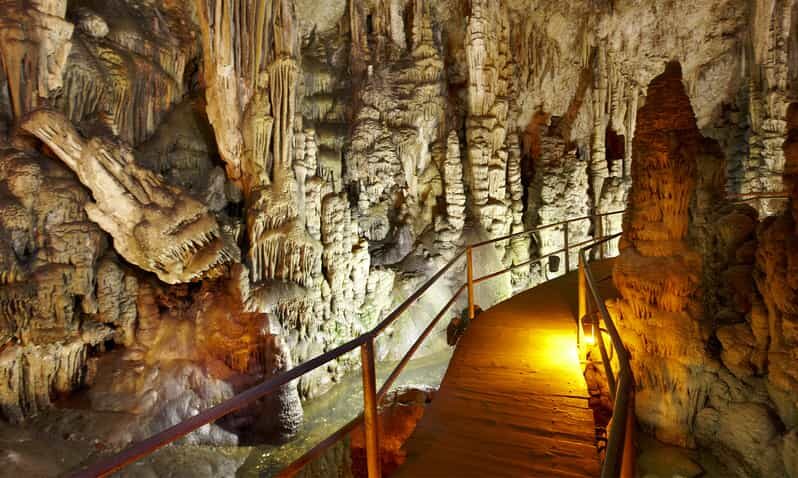
- The Dictean Cave is both a myth site and a physical challenge, with a steep approach and steps inside.
- The olive oil tasting is included, while lunch, monastery entry and cave entry are extra.
- A day inland from Crete’s beaches
- Panagia Kera and its returning icon
- Windmills above the Lasithi Plateau
- Pottery in Psychro, with clay under your hands
- The Dictean Cave, myth with a steep approach
- Lunch at Seli, with a view
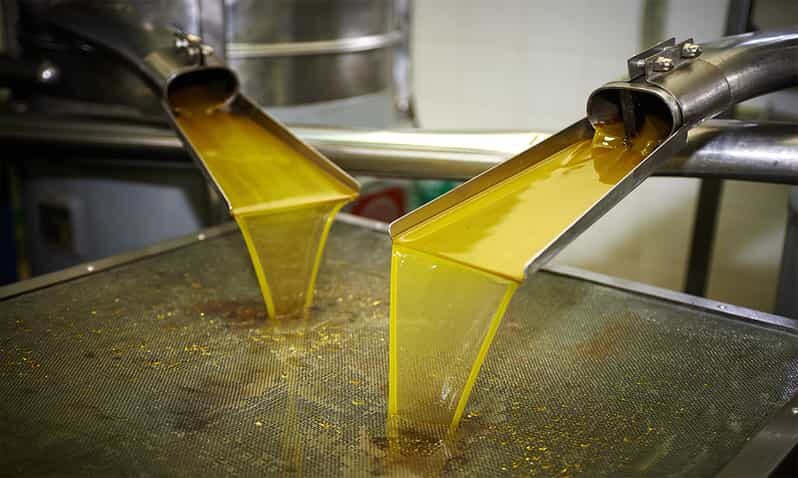
- Olive oil in Avdou
- What the price includes, and what to budget for
- Who should book this tour?
- FAQ
- How long is the tour?
- What languages does the guide speak?
- Is the Cave of Zeus entry included?
- How difficult is the walk to the cave?
- Is lunch included?
- What happens if the Cave of Zeus is closed?
- The Best Of Crete!
- More Tours in Crete
- More Tour Reviews in Crete
- Not for you? Here's more nearby things to do in Crete we have reviewed
A day inland from Crete’s beaches
 1 / 7
 2 / 7
 3 / 7
 4 / 7
 5 / 7
 6 / 7
 7 / 7
For about $39 per person, this is an unusually varied way to spend a day away from the coast. The route pairs a monastery, a mountain plateau, a ceramic workshop, a cave tied to Greek myth, a tavern stop and a family-run olive oil business. You get a sampler of Crete’s inland, rather than a day built around one major sight.
That variety is the tour’s chief strength. The stops offer different kinds of interest, and you are not expected to spend the whole day listening to a guide. Most explanations come during the drives, with time to look around at each site independently. That arrangement suits you if you like context but also want room to explore at your own pace.
The trade-off is a fairly full schedule. The bus must cover winding mountain roads and collect people from several hotels, so the advertised seven hours may not represent your whole day. Pickups can take time, and some visitors based around Heraklion have found the total outing stretches considerably longer. Ask about your pickup time and location, and keep the rest of your day free.
Guides work in English, French and German. Guides on this route have included Mireille and Nektarius, but assignments can vary. Visitors have appreciated guides who explain the history in several languages and keep the schedule moving. Since the guide may not accompany you inside each stop, listen closely during the coach ride.
You can check availability for your dates here:
👉 See our pick of the 12 Best Snorkeling Experiences In Crete
Panagia Kera and its returning icon
The first major stop is the Monastery of Panagia Kera, also called Kardiotissa, near the village of Kera. Dedicated to the Virgin Mary, the monastery is known for its 14th-century frescoes and icons. It is a small stop, but one with a strong sense of place: religious art, a working nunnery and a local story that has lasted for generations.
The legend centers on the icon of Kyra Kardiotissa. It was reportedly stolen three times by the Turks, yet each time it returned. A marble column and chain associated with securing the icon help make the tale tangible, rather than just another story heard from a bus seat.
Entry costs €2. You can also spend your free time outside the monastery if you prefer not to go in. The interior is worth the small fee if you are interested in devotional art, though the stop is brief and some visitors have felt the commercial side of the site was too prominent. Go for the frescoes and the story, not for a long, quiet visit.
You can also read our reviews of more tours and experiences in Crete.

Windmills above the Lasithi Plateau
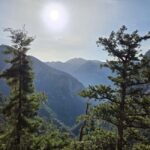
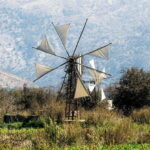
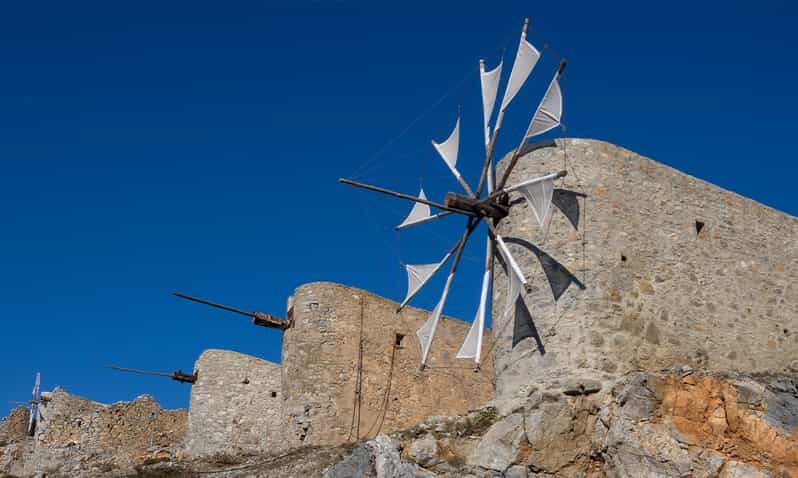
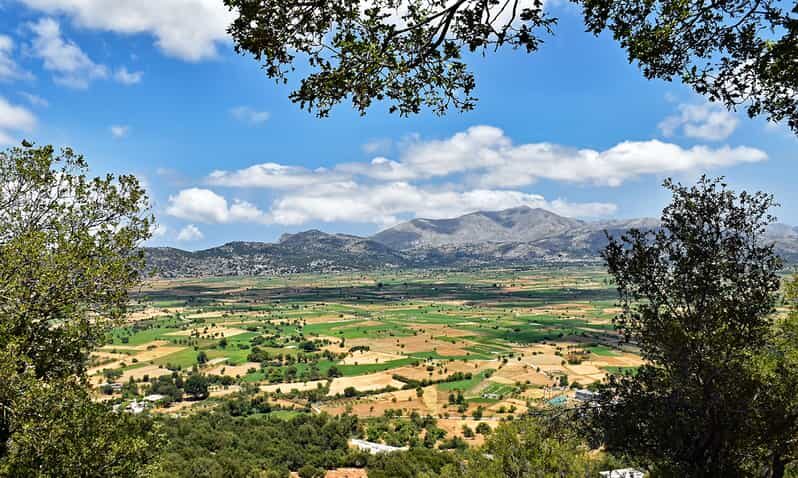
The drive up to Lasithi is part of the appeal. The scenery shifts as the bus climbs, and the white-sailed windmills become a reminder that this plateau was not simply a pretty place to farm. They once helped irrigate the land, turning the wind into a practical tool.
At Seli, you get a broad view across the plateau and time to take photographs. The renovated windmills add a closer look at this local technology. For many people, this is the moment when Crete feels less like a beach destination and more like a place shaped by agriculture, elevation and weather.
The route includes narrow roads, and the driver’s skill matters here. The bus is air-conditioned, but some trips have felt warm inside, and the vehicle may be full. If you are sensitive to heat, bring water and dress for a long ride. The driver’s careful handling of the mountain roads is a real part of what makes the itinerary possible.
Pottery in Psychro, with clay under your hands
In the village of Psychro, the tour visits a small family-run ceramic workshop. The owners demonstrate pottery-making, and you may have the chance to try shaping a piece yourself. It is a welcome change from looking at sights from behind a rope or through a window.
This stop can be one of the most memorable parts of the day, especially if you enjoy meeting makers and seeing how local craft is done. Some participants have been able to make a small ceramic souvenir with the potter’s help. There is also time to browse for finished pieces, so bring cash or a card if you might want to buy something.
The workshop is also a commercial stop, as the pottery is for sale. That does not make it a poor fit for the tour, but it helps to know what you are signing up for: a short demonstration and shopping opportunity, not a long technical class. The visit is most rewarding if you are happy to watch, ask a question or try the clay, without feeling obliged to purchase.
The Dictean Cave, myth with a steep approach
The Dictean Cave, also called the Cave of Zeus, is the tour’s most famous stop. In Greek myth, Rhea hid her infant son Zeus here from his father Kronnos. The goat Amalthea is said to have nurtured him. The cave was also an ancient Minoan sacred site, giving the visit a history beyond the famous birth story.
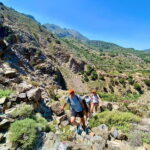
Inside, stalactites and stalagmites make the cave more than a mythic name on a sign. But the effort begins before you reach the entrance. The walk uphill is steep and rocky, and accounts of the route describe roughly a kilometre of climbing with about 100 metres of elevation gain. Inside, expect steps, including a substantial flight, and potentially slick sections underfoot.
Wear trainers or hiking shoes with a good grip. Sandals are a poor choice, and a stroller is not a practical way to manage this route. Bring water, especially in hot weather, and be honest with yourself about your fitness, mobility and comfort in enclosed spaces. The tour is not suitable for wheelchair users or people with mobility impairments or claustrophobia.
Entry to the cave costs €15, paid separately. Some visitors consider that steep for the time inside, while others find the cave and its setting worth the fee. You can choose to stay outside the entrance if you do not want to pay or make the climb, though you will miss the cave itself.
There is an important seasonal wrinkle: the cave is due to remain closed by Greek authorities for construction work until the end of May. During that period, the tour substitutes a visit to the traditional village of Krasi. The operator has also changed plans when weather has closed the cave. Confirm the day’s schedule before you set out, especially if the cave is the main reason you are booking.
More Great Tours NearbyLunch at Seli, with a view
After the cave, the tour stops at Seli for food and a view over the plateau. Lunch is not included, and you pay for what you order. The location gives you a chance to sit down after the climb and enjoy local cooking before the final stop.
Food experiences can be subjective, but the practical advice is simple: check the menu and prices before ordering. Some people find the tavern meal a highlight, while others prefer a lighter choice, such as coffee, dessert or a few appetizers. A picnic is another option if you would rather keep costs down, though the tour does not include food or drinks.
The schedule is designed to fit several stops into one day, so lunch is not an open-ended pause. If you like to linger over a meal, this may feel short. If you are ready for a break and a plate of local food, the stop does its job.
Olive oil in Avdou
The last visit is a small olive oil factory in Avdou. The owners explain how the oil is produced, followed by a tasting of their products. This is an accessible way to learn what goes into one of Crete’s most familiar foods, and the tasting gives you a chance to compare products before deciding whether to buy.
The visit is included in the tour price, as is the tasting. The factory is small and family-run, rather than a large industrial plant. Do not expect an elaborate production tour: the amount of machinery or technical demonstration can vary, and some facilities may be in the middle of modernization. The value lies in hearing the process explained by the people who make the products and sampling the results.
You will have a chance to shop, but there is no need to buy. Some visitors enjoy taking home olive oil or other local products; others are content with the tasting. If you do plan to purchase, bring a card or some cash, as both are listed among the useful things to pack.
What the price includes, and what to budget for
The $39 fare covers hotel pickup and drop-off, transport by air-conditioned bus, a live guide, liability insurance, the olive oil factory tour and tasting. For a day with several stops and mountain transport, that is strong value, particularly if you want the logistics handled for you.
Set aside extra money for food and drinks, the €2 monastery entry and the €15 cave entry. Both paid attractions are optional, and you can stay outside if you choose. The pottery shop and olive oil factory also give you opportunities to buy souvenirs or food products, but purchases are optional too.
The trip’s value depends partly on how much of the itinerary you use. If you skip the cave, you still get the monastery, plateau, windmills, pottery and olive oil stop. If you are primarily booking for the cave, check its operating status and be prepared for the climb and entry cost. The tour is a better deal when you see it as a varied day inland, not simply a ride to one cave.
Who should book this tour?
I would choose this trip if you want to see a different side of Crete and enjoy a day with several distinct stops. It suits curious visitors who like local crafts, scenery, food and mythology, and who are comfortable with coach travel and a set schedule. Families with older children may find the variety engaging, though the cave climb needs careful thought.
It is less suitable if you have limited mobility, dislike enclosed spaces, or want a slow day with long visits at each stop. The bus journey may also feel drawn out if your hotel is far from the plateau or among the first or last pickups. Ask about the pickup details, bring water and non-slip shoes, and leave room in your plans for a longer return.
Crete: Lasithi Plateau, Cave of Zeus, and Olive Oil Tour
FAQ
How long is the tour?
The tour is listed as seven hours. Hotel pickups and drop-offs can extend the total time, particularly if you are staying farther from the route.
What languages does the guide speak?
Guides are available in English, French and German.
Is the Cave of Zeus entry included?
No. Entry costs €15 and is optional. You can spend your free time outside the cave instead.
How difficult is the walk to the cave?
The approach is steep and rocky, and the cave has steps and slippery sections. Comfortable shoes with good grip are recommended. The tour is not suitable for people with mobility impairments or claustrophobia.
Is lunch included?
No. Food and drinks are not included. The tour stops at a tavern, where you can buy a meal or choose something lighter.
What happens if the Cave of Zeus is closed?
The tour may visit the traditional village of Krasi instead. The cave is scheduled to be closed for construction work until the end of May, and weather can also affect access.
You can check availability for your dates here: