Japan’s contrasts come into sharp focus on this 12-day route: one day you’re crossing Tokyo by subway, another you’re walking a quiet cemetery on Mount Koya or seeing old farmhouses in the Japanese Alps. I like that the trip pairs major sights with places that are harder to link efficiently on your own.
Two particular strengths are the overnight monastery stay, with vegetarian dinner and a monk-led meditation when available, and the route’s variety, from Hiroshima’s Peace Memorial Park to the dinosaur museum in Katsuyama. The trade-off is a full schedule with considerable walking and several long transfers, so this is a guided sampler, not a slow stay in any one city.
- Tokyo’s headline sights come with a local guide: Visit Meiji Shrine and Tokyo Skytree, then take the subway to Shinjuku for an evening walk and included dinner.
- Hiroshima and Miyajima share a day: The Peace Memorial Park and museum are followed by a ferry to Itsukushima Shrine, with time on the island.
- Mount Koya offers a different kind of night: Sleep in a Buddhist monastery, eat a vegetarian meal and join an Ajikan meditation if the session is available.
- The route crosses Japan by train, ferry and road: The bullet train links Tokyo and Hiroshima; ferries and road transfers connect the islands and inland stops.
- Traditional villages and gardens get proper time: Walk through Kanazawa, Ainokura and Shirakawa-go, with Kenrokuen Garden and Hida Folk Village also on the program.
- The low-intensity label needs context: You climb 785 steps to a shrine at Kotohira and spend many days walking between sights.
- A 12-day route from Tokyo to the Japanese Alps
- Tokyo: shrines, Skytree and an evening in Shinjuku
- Hiroshima and Miyajima: remembrance, then a sacred island
- Shikoku: Matsuyama, Kotohira and the Naruto whirlpools
- Mount Koya: a monastery night with simple comforts
- Kyoto: major temples and a short introduction to Gion
- Eihei-ji and Katsuyama: Zen practice meets dinosaurs
- Kanazawa: samurai streets and Kenrokuen Garden
- Ainokura, Shirakawa-go and Takayama: houses built for snow
- Hida Furukawa and Matsumoto before the return to Tokyo
- Hotels, meals and the day-to-day pace
- Who should book the Colors of Japan tour?
- FAQ
- How long is the tour?
- Where does the tour start?
- Are international flights included?
- What is the listed starting price?
- What language is the tour guided in?
- How large can the group be?
- Are meals included?
- What is the Mount Koya accommodation like?
- Is the meditation session guaranteed?
- How much walking should I expect?
- The Best Of Tokyo!
- More Tours in Tokyo
- More Tour Reviews in Tokyo
- Not for you? Here's more nearby things to do in Tokyo we have reviewed
A 12-day route from Tokyo to the Japanese Alps
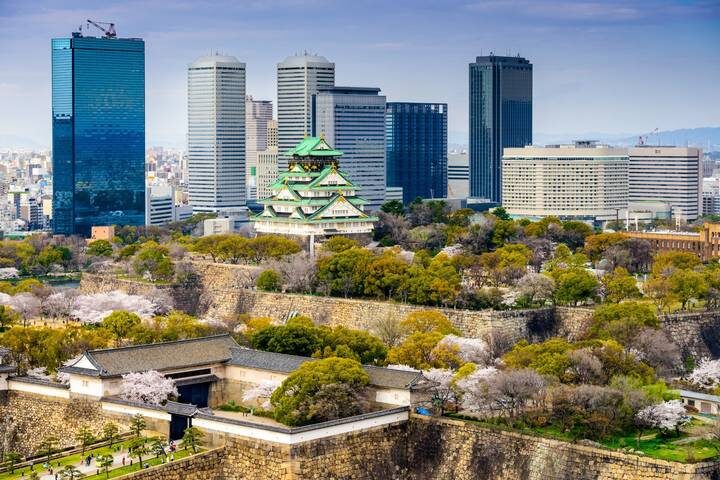
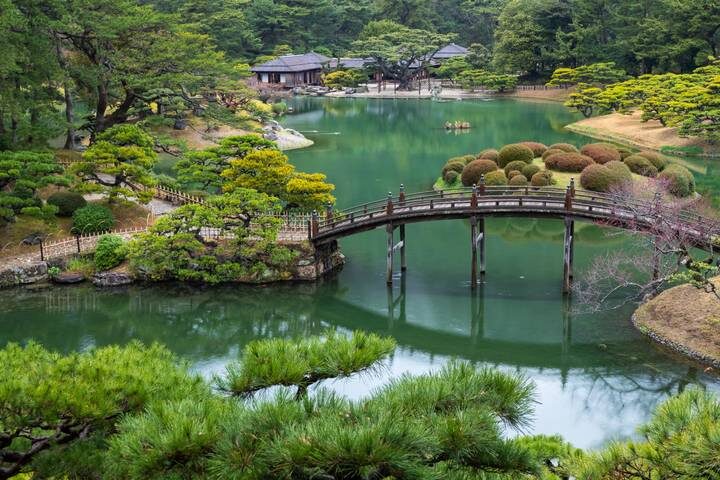
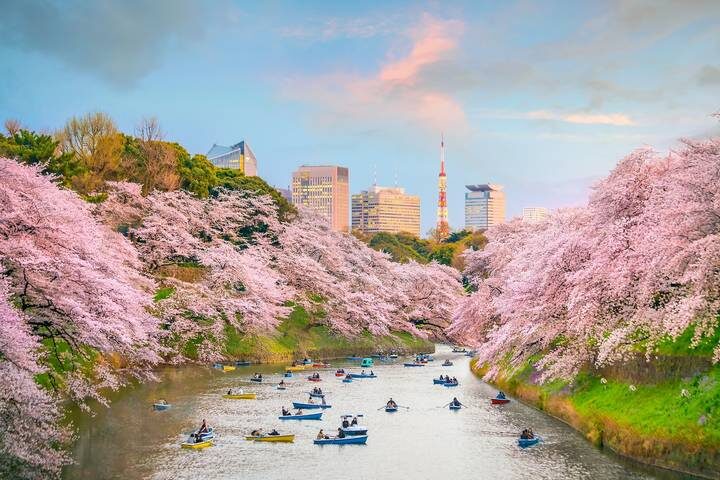
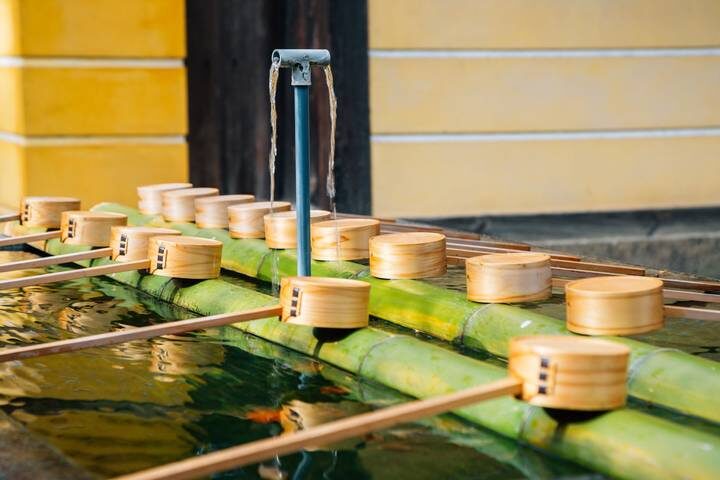
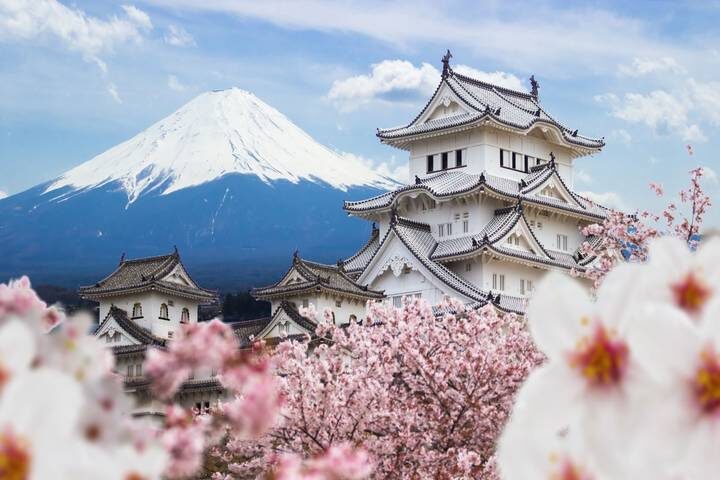
This tour is built for someone who wants to see a lot of Japan without planning each train, hotel and transfer. It starts and ends in Tokyo, but in between covers Hiroshima, Miyajima, Matsuyama, Mount Koya, Kyoto, Kanazawa, Takayama and several smaller towns and villages.
That reach is the tour’s main value. You get major cultural stops alongside places that take more effort to connect independently, including the Naruto Bridge, Eihei-ji and the mountain villages of Gokayama and Shirakawa-go. The cost is time on the move. You change regions often, and some days combine several stops with a long drive.
The tour is listed from $4,009, based on the cheapest room. International flights are not included, and the included meals are selective rather than full-board. The price covers accommodation, transport between stops, many admissions, a Tokyo airport arrival transfer and guiding. It is best judged as a packaged route that saves you the work of linking distant places, not as a luxury hotel holiday.

👉 See our pick of the 25 Best Guided Tours In Tokyo
Tokyo: shrines, Skytree and an evening in Shinjuku
Day one is deliberately light. A shared shuttle takes you from the airport to your hotel, and the rest of the day is open for rest or getting your bearings. The tour’s official start details arrive later, so don’t plan a tight activity around that first afternoon.
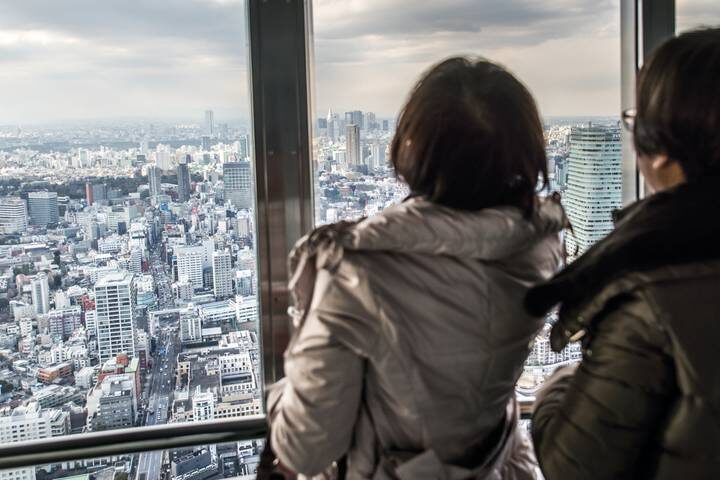
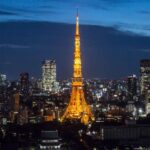
The next day packs in a seven-hour guided circuit. Zojoji Temple offers a view of Tokyo Tower and rows of Jizo statues, small stone figures dressed with knitted hats and bibs. At Meiji Shrine, the city noise gives way to wooded grounds. The visit to Tokyo Skytree includes access to the Tembo Deck at 350 meters, weather and operating conditions permitting.
You see Shibuya Crossing from the bus, rather than walking through it with the group. That distinction matters if crossing the intersection is high on your list. Nakamise Street in Asakusa gives you time among traditional shops, while Akihabara and Ginza are passed on the return to the hotel rather than explored in depth.
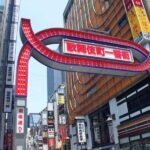
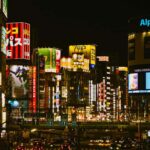
In the evening, the guide takes you by subway to Shinjuku for a walk and an included dinner at a local restaurant. It’s a useful first taste of Tokyo after dark, though the day’s schedule leaves little room to choose your own neighborhoods. Subway tickets for this outing are included.
You can also read our reviews of more tours and experiences in Tokyo.



Hiroshima and Miyajima: remembrance, then a sacred island
A bullet train carries you from Tokyo to Hiroshima, a journey of about four hours and 800 kilometers. The day’s central visit is Peace Memorial Park, including the Atomic Bomb Dome and the Peace Memorial Museum. The setting asks for time and attention; it is a solemn part of the trip, not just another stop to check off.
Later, a ferry takes you to Miyajima and Itsukushima Shrine, built partly over the water and dedicated to the guardian of the seas. You’ll have time to visit the shrine and walk around the island center before returning to Hiroshima for dinner. The order of the Hiroshima visits can change, but the listed sites remain part of the day.
The combination is powerful: the city’s record of destruction and recovery followed by a shrine with a long connection to the sea. It is also a packed day, so expect a lot of walking and a limited window for lunch and independent wandering on Miyajima.
Shikoku: Matsuyama, Kotohira and the Naruto whirlpools
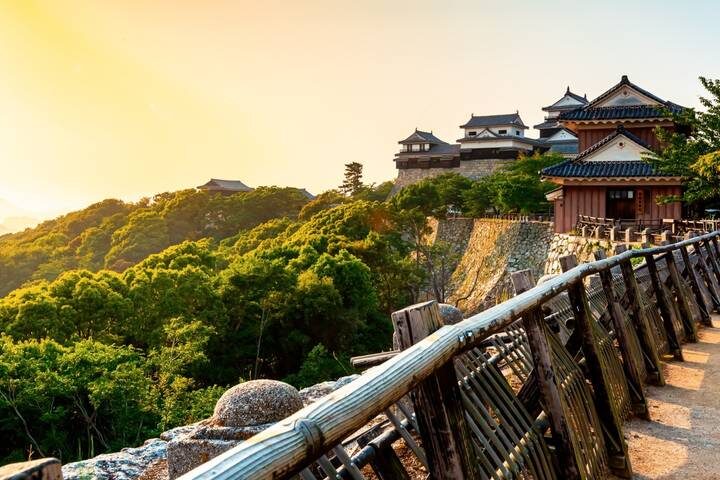
The ferry from Hiroshima to Matsuyama takes about two and a half hours and makes the island geography of Japan tangible. In Matsuyama, a cable car carries you up to the castle, followed by a visit to Ishiteji, a Buddhist temple and pilgrimage site. Lunch is included, and the afternoon brings a soak at Dogo Onsen, a traditional bathhouse dating to the 19th century.
The next day is one of the route’s most varied and demanding. At Kotohira, reaching the Shinto shrine on Mount Zosu means climbing 785 steps. Take that seriously if stairs are difficult for you. In Takamatsu, Ritsurin Garden offers a calmer change of pace, with lunch included at a local restaurant.
At Naruto, you walk on a glass-floored section of the bridge, 45 meters above the sea, to look down toward the whirlpools. Their strength and visibility depend on conditions, so the bridge is the sure part of the visit; the water below may be more or less dramatic. From there, the route crosses bridges linking islands before reaching Kobe.
Mount Koya: a monastery night with simple comforts
Kobe’s Earthquake Memorial Museum recalls the 1995 earthquake and the city’s rebuilding. On some dates, this visit may be replaced by the Sake Museum or a trip up Kobe Tower, so you should not treat one specific Kobe stop as certain.
Mount Koya brings a different mood. This center of Shingon Buddhism has around 120 temples and monasteries. You visit Okuno Mausoleum, a forest cemetery with more than 200,000 graves, and Kongobuji Temple, originally built in 1593.
The overnight stay is a highlight, but it is not a standard hotel night. Rooms at the monastery are simple, with tatami mats and shared bathrooms rather than private facilities. Dinner is vegetarian, and monks lead an Ajikan meditation when available. The session is not guaranteed on peak dates, and limited temple capacity can mean accommodation in a nearby hotel instead. If the ceremony is open to you, you can also attend before breakfast.
This is the tour’s clearest chance to experience a religious setting as more than a daytime visitor. Go in expecting quiet, basic lodging and a set meal, not hotel-style comfort.
Kyoto: major temples and a short introduction to Gion
After a traditional Japanese breakfast at the temple, you travel to Kyoto. The day includes Fushimi Inari Shrine, the Imperial Palace and Kinkaku-ji, the Golden Pavilion, with its gardens. These are significant sights, but Kyoto has far more to see than one day can cover.
There is some free time, followed by a visit to Gion, known for its geisha culture. You can walk around and take in the district, but this is a brief introduction rather than an in-depth exploration. The tour’s English-guided service is specified for Tokyo, Kyoto and Kanazawa; guides may change during the trip, and some departures may use bilingual explanations.


Eihei-ji and Katsuyama: Zen practice meets dinosaurs
The journey north begins with a stop at Shirahige Ginra Shrine beside one of Japan’s large lakes. Eihei-ji, founded in 1244, is a major Zen temple-monastery and a center for monk training. Its architecture and grounds offer a quieter counterpoint to Kyoto’s famous temple visits.
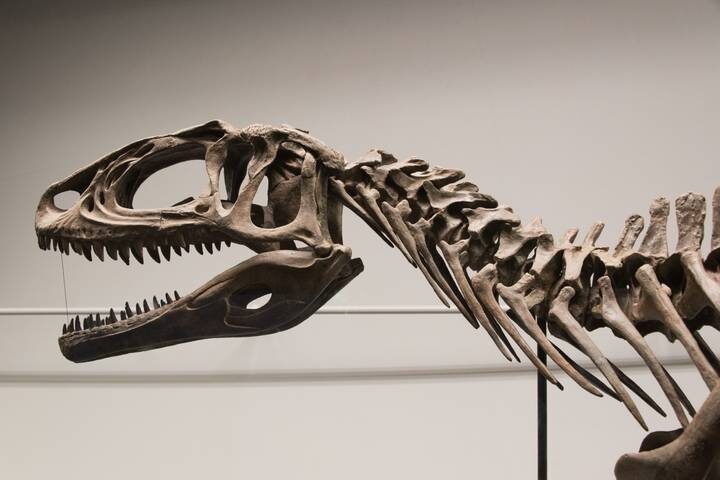
Katsuyama then changes the subject entirely. The Dinosaur Museum sits near Japan’s largest dinosaur fossil site and displays more than 40 dinosaur skeletons. You have time to explore and find lunch, followed by a visit to the Great Buddha of Echizen and its five-story pagoda, which you can climb for a view.
The contrast is part of the appeal: this isn’t a temple-only itinerary. Still, the day involves several stops and a transfer to Kanazawa, where you arrive in the evening.
Kanazawa: samurai streets and Kenrokuen Garden
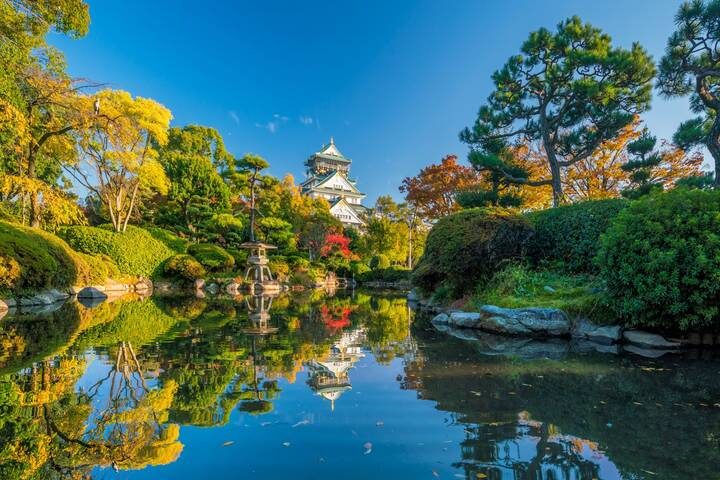
Kanazawa gets a full day, which is welcome after the previous sequence of stops. A guided morning visit covers the castle area and Nagamachi, the former samurai district. Its narrow lanes, earthen walls, gates and canals help you picture how the neighborhood was arranged, while Kenrokuen gives you time in one of Japan’s best-known gardens.
The morning ends at Omicho Market, where you can choose from lunch options. The afternoon is free, a useful chance to revisit a place, explore at your own pace or simply slow down. Kanazawa’s combination of preserved districts and garden space makes it one of the route’s strongest stops for anyone who wants more than a quick photo stop.
Ainokura, Shirakawa-go and Takayama: houses built for snow
The next day goes through the Gokayama and Shirakawa-go areas, both known for traditional farmhouses with steep roofs designed to handle heavy snow. At Ainokura, you stop in a smaller village; Shirakawa-go’s Ogimachi is larger and more popular. You have time to walk around and eat lunch.
In Takayama, the Hida Folk Village Museum displays more than 30 traditional houses from the Edo period, relocated to the site in 1971. Tools and household objects help explain daily life in the buildings. Afterward, there’s free time in Takayama’s old town, with its wooden buildings and traditional shops.
These are some of the tour’s most distinctive stops, and the overnight in Takayama means you’re not simply passing through. But the schedule still bundles several places into one day. If you want long, unhurried walks in both villages, the available time may feel short.
Hida Furukawa and Matsumoto before the return to Tokyo
The final touring day starts in Hida Furukawa, where you walk through the old town and visit a museum devoted to its festival. The festival is recognized by UNESCO as Intangible Cultural Heritage, and the museum displays floats, costumes and drums.
From there, you cross the Japanese Alps to Matsumoto. The town’s black 16th-century castle is known as Crow Castle. There is time for lunch and a look around before the afternoon journey back to Tokyo, where you arrive by evening. It makes for a long final travel day, so avoid scheduling a tight onward connection that night.
The last morning is breakfast and departure. If you want extra time in Tokyo, you’ll need to arrange it outside the tour dates.
Hotels, meals and the day-to-day pace
The tour uses four-star-rated hotels in the cities, with named options including Shinagawa Prince Hotel, ANA Crowne Plaza Matsuyama, Mystays Premier Kanazawa and Mercure Hida Takayama. The exact accommodation may vary. Hotels are selected for quality, price and location, and may be outside the city center, though public transport is nearby. Rooms have private bathrooms and TVs, but room size, bed size and facilities can differ.
Food is only partly covered. The package includes two lunches, in Matsuyama and Takamatsu, and three dinners, in Tokyo, Hiroshima and Mount Koya. Breakfast is included on the days specified in the daily plan. You’ll need to budget separately for other meals, including lunches in places such as Miyajima, Kanazawa and Matsumoto.
The tour is rated low intensity, but that does not mean little walking. Tokyo’s sightseeing day, shrine and temple grounds, village lanes, and Kotohira’s staircase all add up. One person who took the tour in May 2025 described it as involving a lot of walking and found the trip informative, with a friendly group. That is a useful reality check: bring comfortable shoes and expect to be on your feet.
Groups can range from 2 to 72 people. The tour is fully guided, but the English-guided services are specifically listed for Tokyo, Kyoto and Kanazawa; the tour also notes that guides can change and explanations may be bilingual on some departures. Europamundo has a 4.1 operator rating across 6,466 reviews, so the broad company score is worth weighing alongside this particular route’s many included transfers and admissions.
Who should book the Colors of Japan tour?
Book this if you want a broad first look at Japan, value having transport and major admissions arranged, and are comfortable moving hotels and regions frequently. It suits curious, active visitors who want to combine big-name sights with smaller towns, a monastery stay and traditional villages.
Think twice if you want a slow holiday, lots of free time in Kyoto or Tokyo, private bathrooms every night, or a firm guarantee of the Mount Koya meditation. The tour’s best value lies in its reach: it connects places that would take careful planning to combine, while still giving you some independent time. If that balance fits your travel style, it’s a strong way to see several sides of Japan in 12 days.
Colors of Japan and Hiroshima by Europamundo – 12-Day Tour
“It was excellent – alot of walking, met great people, very informative. Want to go back.”
FAQ
How long is the tour?
The tour lasts 12 days, beginning and ending in Tokyo.
Where does the tour start?
It starts in Tokyo. An arrival transfer by shared shuttle bus from the airport to the hotel is included.
Are international flights included?
No. Flights before and after the tour are not included in the price.
What is the listed starting price?
The price starts from $4,009, based on the cheapest room.
What language is the tour guided in?
The tour is listed as English-language. English-guided service is specified for Tokyo, Kyoto and Kanazawa. On some departures, explanations may be bilingual in English and Spanish.
How large can the group be?
The group size is listed as 2 to 72 people.
Are meals included?
Some meals are included: two lunches and three dinners, as well as breakfasts specified on particular days. Other meals are at your own expense.
What is the Mount Koya accommodation like?
The monastery rooms are simple and traditional, with tatami mats and shared bathrooms. If temple accommodation is unavailable, the group may stay at a nearby hotel.
Is the meditation session guaranteed?
No. A monk-led Ajikan meditation is planned, but it cannot be guaranteed on peak tourist dates.
How much walking should I expect?
The tour is rated low intensity, but it includes substantial walking at sights and villages. The climb to the Kotohira shrine involves 785 steps.