Kusamba’s salt makers still use a patient, hands-on method to turn seawater into salt, and this East Bali outing pairs that coastal visit with a local market and a home cooking class. The heart of the day is practical: you grate coconut, press out its milk, help make oil, then prepare green curry with a Balinese host.
I like two things in particular: you get to handle the ingredients and tools yourself, and the cooking takes place at a family compound rather than in a purpose-built tourist kitchen. The local market adds useful context, too, with a chance to see the fresh produce and learn how coconuts fit into everyday Balinese life.
The main trade-off is the drive. From some pickup areas, East Bali is a long way out, and the salt farm visit can be brief, especially if the weather is hot. This is best for you if you value a relaxed cultural outing over a packed list of sights.
- What makes this East Bali day different
- The coconut work is the centerpiece
- Kusamba’s salt farm: valuable, but keep expectations modest
- Galiran market brings the ingredients into focus
- The drive shapes the day
- What the price includes, and what to check
- Who should book this experience
- Should you book it?
- FAQ
- How long does the experience take?
- Where does the tour go?
- Is hotel pickup included?
- What activities are included?
- Is the activity suitable for beginners and children?
- Can the tour accommodate vegetarian diets or food allergies?
- What should I bring and wear?
- What is the starting price?
- Can I cancel or change my booking?
- The Best Of Bali!
- More Farms in Bali
- More Tours in Bali
- More Tour Reviews in Bali
- Not for you? Here's more nearby things to do in Bali we have reviewed
What makes this East Bali day different
 1 / 7
 2 / 7
 3 / 7
 4 / 7
 5 / 7
 6 / 7
 7 / 7
- Make coconut oil from scratch: Grate coconut, squeeze out the milk and follow the process through to oil extraction with traditional tools.
- Cook green curry at a family compound: Work with local ingredients and get step-by-step instruction from a Balinese cooking host.
- See Kusamba’s traditional salt work: Learn how sea salt is made in one of the few villages in Bali that continues the practice.
- Shop at Galiran market: See the produce market in Klungkung and learn about the ingredients used in Balinese cooking.
- Expect a long, flexible day: Hotel transfers are included, but traffic and weather can shift the schedule and the time spent at each stop.
- Check dietary needs before booking: The activity cannot accommodate allergies, gluten intolerance, vegetarian diets or other dietary requirements.

👉 See our pick of the Best Shopping Tours In Bali
The coconut work is the centerpiece
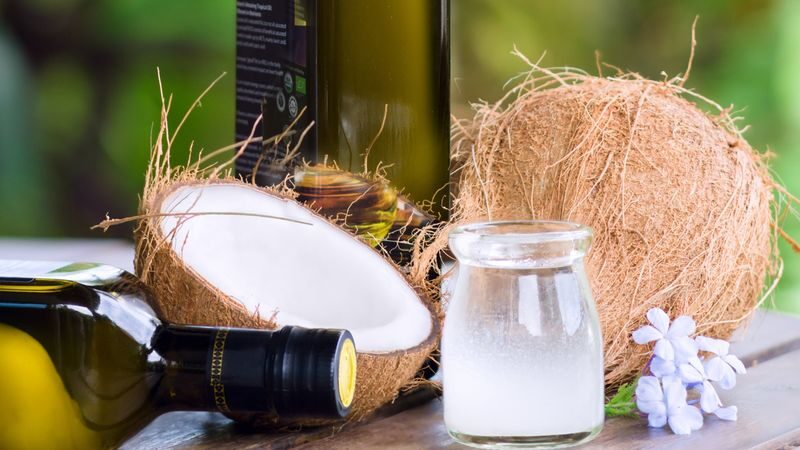
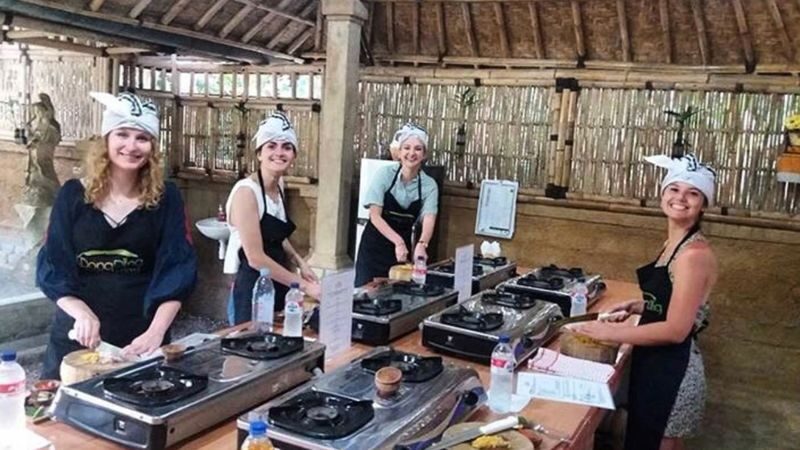
The cooking class gives the tour its strongest sense of place. You do not simply watch someone make coconut oil: the process starts with the coconut itself. You peel and grate it with traditional tools, then squeeze the grated coconut by hand to extract milk. The milk is cooked while the oil is separated, so the work unfolds in stages rather than as a quick demonstration.
That hands-on pace is a good fit for families and beginners. Children have been able to help with the squeezing, and the class is described as suitable for beginners. You do not need cooking skills to take part. The point is to understand the steps and see how one common local ingredient can be put to practical use.
The process also helps explain why coconut matters beyond its flavor. The tour introduces different types of coconuts grown in Bali and their place in daily life. You leave with more than a recipe: you have seen how much work goes into producing oil from a fresh coconut.
The oil is made at a local family compound, where hosts have welcomed participants with coffee and traditional snacks before the class. Some past visits have included a look around the family’s ancestral temple and an explanation of ancestor worship. That is a particularly meaningful part of the experience when offered, but it should not be treated as a guaranteed stop on every departure.
The cooking follows the same informal, practical approach. You help prepare Balinese green curry and learn about the herbs and spices used in the dish. The meal is an opportunity to taste what you have made, though the package information also lists meals and beverages as not included. Since those details can sound contradictory, check with the operator about exactly what food is provided on your date rather than assuming that every meal or drink is covered.
The class is described as using natural, local ingredients without MSG. One past participant praised a meat-free curry, but that does not mean the tour can cater to vegetarian diets. The stated restrictions are clear: allergies, gluten intolerance, vegetarian diets and other dietary needs cannot be accommodated. If your diet is restricted, this is not a safe activity to book without direct confirmation from the operator.
You can also read our reviews of more tours and experiences in Bali



Kusamba’s salt farm: valuable, but keep expectations modest
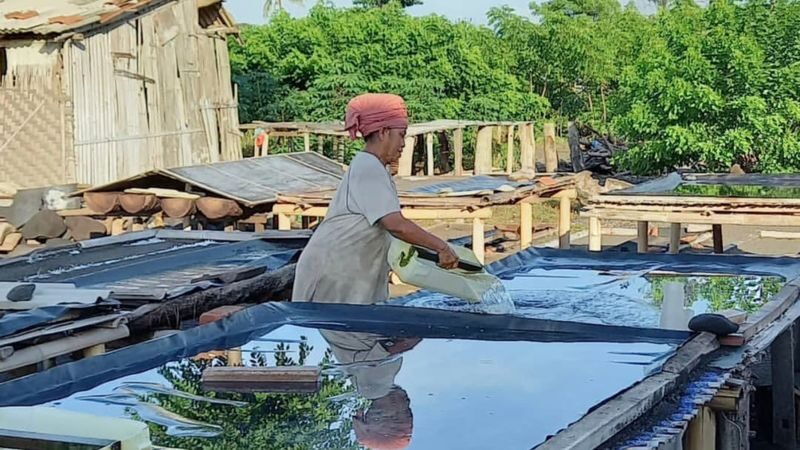
Kusamba is one of the few Balinese villages where traditional salt-making continues. At the salt farm, a local producer shows how seawater is collected and processed using traditional methods. The value is in seeing a small-scale craft up close and hearing how much time it takes to produce salt this way.
The visit may be shorter than you expect. The schedule allows about an hour for the guided salt-farm stop, but the actual demonstration can be brief. Some departures have involved only a limited look around, with little opportunity to linger or take part in the work. Heat can also make this exposed coastal stop less comfortable, so bring water, a hat and sunscreen.
The salt-making process is not necessarily a full workshop. You may see the work or the prepared salt rather than take part in every production step. If you are booking mainly to learn the salt craft, keep that distinction in mind. It is a useful cultural stop, but the coconut-oil class offers the more sustained hands-on activity.
The salt is made from seawater, with a slow process that makes the finished product feel more tangible than a packaged ingredient on a shop shelf. You may gain a better sense of why traditional salt production takes patience and why a locally made product has value. The stop is most rewarding when you arrive curious, not expecting a long activity with lots of equipment or tasks.
Galiran market brings the ingredients into focus
Pasar Galiran is described as one of East Bali’s largest traditional markets. The visit gives you a chance to see local produce and shop for ingredients used in the cooking session. A guide can point out unfamiliar foods and explain how ingredients relate to Balinese cooking.
Markets make more sense when you are about to cook. Rather than seeing spices and produce as a display, you can connect them to the curry you will prepare later. This is also a practical stop for understanding how a household might source the fresh ingredients used in everyday meals.
The market visit is scheduled for about an hour. It is not presented as a dedicated food tour, so do not expect a long series of tastings or a formal market lecture. The useful part is the combination of local context and preparation for the class. Bring cash if you want to make personal purchases, since personal expenses are not included.
The order of the stops may vary. The described route places the salt farm, market and cooking class in sequence, while some past days have visited the market before the family home and salt coast. Traffic, weather and the operator’s arrangements can affect the flow. Treat the stops as the day’s core components, not as a minute-by-minute promise.
The drive shapes the day
This is a half-day activity on paper, but it can take much of the day once hotel transfers are included. Departure is listed between 7:00 and 8:00 in the morning, with a return window of 14:30 to 16:00. The published itinerary starts at 7:00 and returns around 14:30, but pickup time is confirmed by the operator.
The journey can be substantial. A past trip from Sanur took about two hours to reach the East Bali area, and travel between the cooking location and the salt farm can add more time. Your exact duration depends on your pickup point, traffic and the day’s route. The listed pickup coverage includes Kuta, Legian, Seminyak, Canggu, Sanur, Denpasar, Ubud, Nusa Dua and Jimbaran.
Round-trip transfers, an English-speaking driver-guide, fuel and parking fees are included. That makes the package simpler than arranging separate transport to Kusamba and Klungkung, especially if you are staying outside East Bali. Still, the drive is a real part of the experience, not a short hop between nearby attractions. Bring water and plan for a full outing.
You are asked to be in the hotel lobby five minutes before the selected pickup time. The driver can wait up to 15 minutes before leaving, and the stated policy says there is no refund after that point. The operator reconfirms the pickup time in advance, so check your messages and have your hotel name and address ready when booking.
What the price includes, and what to check
The package price is shown differently in the supplied details: one price appears as US$26.89, while the package option starts at US$24.45. Prices can change, so check the final amount at checkout and confirm whether any extras are selected.
The core value comes from combining several elements that would otherwise take planning: transport, the salt-farm visit, the traditional market and a guided cooking session at a local compound. The class is the strongest part of the day because you take part in making both oil and curry, rather than just watching a demonstration. The guide and host also provide cultural context that is hard to get from a quick independent visit.
The value is less compelling if your main goal is a long salt-making workshop or a short excursion from your hotel. The drive can take hours, while the salt stop may last only a few minutes of active viewing. If you are comfortable spending much of the day in transit for a home-based cooking experience, the combination makes better sense.
Accommodation, personal expenses and meals and beverages are listed as excluded. Optional add-ons include a one-hour Balinese massage and printed Polaroid photos. The photo package provides 10 prints for groups of one to five people, or 20 prints for groups of six to 20. Check the current price and availability of any add-on before you book.


Who should book this experience
I would put this tour high on the list for you if you want to see daily Balinese practices through food and craft, and if you enjoy learning by doing. It suits curious beginners, families whose children can take part in simple kitchen tasks, and visitors who would rather spend time in a family home than add another temple or viewpoint to the day.
It is also a good choice if you like hearing local stories during a drive. Past guides and hosts have included Eka, Budo, Sri, Noman and Iwayan, with Iwayan Kar and Pak Nyoman among the hosts associated with the compound and salt-making visits. The person leading your tour may differ, so do not book expecting a specific guide.
I would look elsewhere if you need a carefully controlled menu, have food allergies or dietary restrictions, or want to spend a long time participating at the salt farm. The operator states it cannot accommodate dietary needs. You should also be ready for sun, a long drive and a schedule that can shift with traffic and weather.
Pack sunscreen, sunglasses, a cap or hat, comfortable shoes, light clothing, personal medication, cash, a water bottle and a camera. The voucher is presented on your phone through the Klook app, and infants and children must be included in the passenger count.
Should you book it?
Book this if you want a practical introduction to Balinese food culture, with coconut oil making and cooking as the main event. The market and Kusamba salt farm add useful context, while hotel transfers spare you the work of connecting the stops yourself.
Skip it if you want a short outing, a guaranteed in-depth salt workshop or a menu that can be adapted to dietary needs. For the right person, the appeal is not a grand attraction. It is the chance to learn a household skill, share a meal-making process and see how local ingredients connect to everyday life.
Coconut Oil Making And Traditional Salt Farm Experience in East Bali
“Our driver and guide Eka came punctually to pick us from our hotel. The ride to Eastern Bali was quite long (>1hr). Eventually we reached our host'…”
FAQ
How long does the experience take?
The itinerary lists a 7:00 departure and a return around 14:30. The pickup and return windows are given as 7:00 to 8:00 and 14:30 to 16:00, and traffic or weather can change the schedule.
Where does the tour go?
The experience includes Kusamba Village’s traditional salt farm, Pasar Galiran Klungkung and a coconut-oil-making and cooking class at a local Balinese compound.
Is hotel pickup included?
Yes. Hotel pickup and drop-off are included for listed areas such as Kuta, Legian, Seminyak, Canggu, Sanur, Denpasar, Ubud, Nusa Dua and Jimbaran. The operator reconfirms your pickup time.
What activities are included?
Admission and instruction are included for the salt farm, Galiran market, coconut oil class and Balinese green curry cooking class. Round-trip transfers, an English-speaking driver-guide, fuel and parking fees are also included.
Is the activity suitable for beginners and children?
The activity is listed as beginner-friendly. Infants and children must be included in the passenger headcount.
Can the tour accommodate vegetarian diets or food allergies?
No. The activity cannot accommodate allergies, gluten intolerance, vegetarian diets or other dietary needs.
What should I bring and wear?
Bring sunscreen, sunglasses, a cap or hat, personal medication, cash, a water bottle and a camera. Wear light, comfortable clothing and comfortable shoes.
What is the starting price?
The supplied details show a starting price of US$24.45 for the package and US$26.89 in the summary. Check the checkout page for the current price.
Can I cancel or change my booking?
A full refund is available if you cancel at least 24 hours before the activity date, in destination local time. Changes are allowed until 24 hours before the activity, subject to the stated booking restrictions.