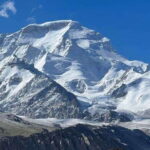
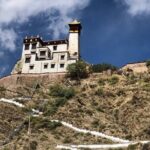
Everest Base Camp is only one act in this five-day mountain journey. The real appeal is the changing route: Yamdrok Lake’s island-speckled waters, Karola Glacier, Everest’s sunrise peaks, and remote lakes near Kula Kangri, all reached by rugged 4WD.
I like the variety of scenery and the chance to see it from a small off-road vehicle rather than a large coach. I also like that the photography package includes nine retouched photos and drone footage when conditions allow. The trade-off is substantial: high altitude, long drives, and basic lodging in some villages. This trip is only open to residents of mainland China, Hong Kong, and Macao.
- The route at a glance
- Five days of mountain roads, not a quick Everest detour
- Day 1: Yamdrok Lake, Karola Glacier, and Shigatse
- Day 2: The 108 bends and Everest at dawn
- Day 3: Everest’s east side and Zongcuo Lake
- Day 4: Pumoyong Tso, Baimalin Tso, and Kula Kangri
- Day 5: Yamdrok’s inner lake and the return to Lhasa
- What the price includes, and where the value lies
- High altitude, rough roads, and what to pack
- Who should book this route
- FAQ
- Who is eligible to join the tour?
- How many people are in the group?
- What kind of vehicle is used?
- Are meals included?
- What accommodation is included?
- Are photography and drone footage included?
- Is the sunrise at Everest or Kula Kangri guaranteed?
- What time does the tour return to Lhasa?
- The Best Of Lhasa!
- More Photography Tours in Lhasa
- More Tours in Lhasa
- More Tour Reviews in Lhasa
- Not for you? Here's more nearby things to do in Lhasa we have reviewed
The route at a glance
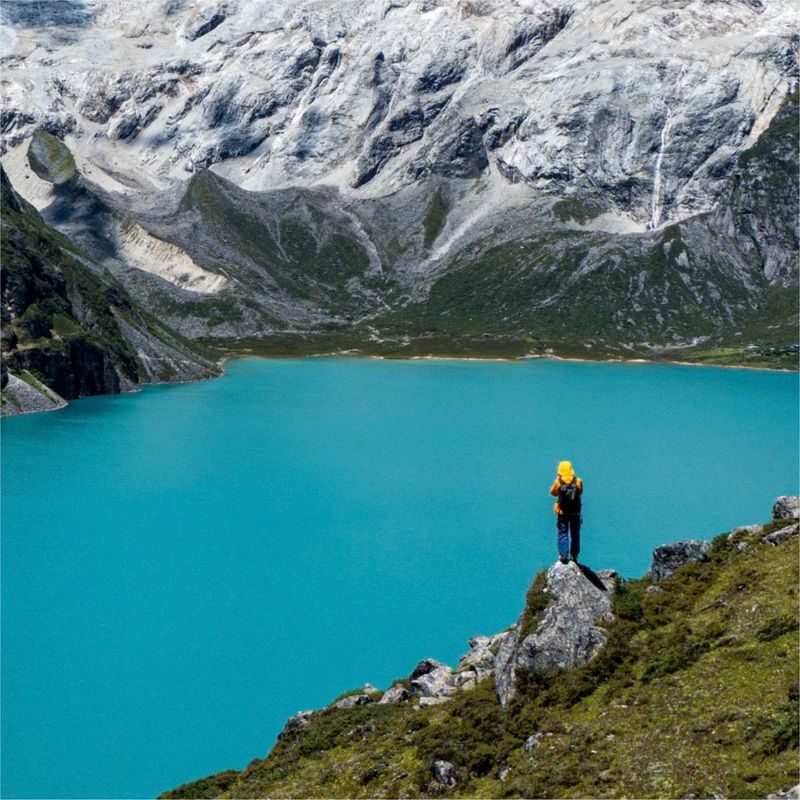
- Yamdrok Lake gets two visits: The first day follows a loop road past the lake, while the return to Lhasa goes by its inner lake.
- Everest Base Camp comes with a dawn start: The route includes Gawu La Pass and the 108 bends, with a chance to see sunrise light on Everest’s peaks.
- Remote stops are part of the draw: Pumoyong Tso, Baimalin Tso, Zongcuo Lake, and Kula Kangri take you well beyond the main Lhasa circuit.
- The vehicle is built for rough roads: A five-seat 4WD may be a Tank 300, Wrangler, Prado, BJ40, Toyota Tundra, or a similar model.
- The photo extras have limits: You get nine retouched SLR photos, the negatives, and aerial footage if weather, regulations, and equipment allow.
- Expect practical compromises: Four nights of lodging are included, but facilities in Basong Village, Kangma, and the final village stop are basic.
👉 See our pick of the 25 Best Tours In Lhasa
Five days of mountain roads, not a quick Everest detour
This is a road tour with a big range of scenery, not a short excursion from Lhasa. In five days, you travel from Lhasa to Shigatse, continue to Everest Base Camp and the Everest town area, then return by way of remote lakes and a different part of Yamdrok Lake.
The pace is demanding. You spend long stretches in the vehicle, and the schedule can change with weather, traffic, or road conditions. That flexibility matters in a region where landslides, mudslides, temporary road controls, and vehicle trouble can affect plans. Keep your onward train or flight at least a day after the stated 20:00 return to Lhasa.
The small-group format is a useful fit for narrow or rough roads and for stopping to take photos. The package information describes a four-person off-road group, with three people forming a group, while the experience is also promoted as a two-to-four-person photography group. Confirm the exact group size and seating plan before booking. The included vehicle is a five-seater, and seats may be rotated among the group if no one needs special care.
You can also read our reviews of more tours and experiences in Lhasa.
Day 1: Yamdrok Lake, Karola Glacier, and Shigatse
The first day sets the tone: a long drive out of Lhasa, a loop around Yamdrok Lake, a stop at Karola Glacier, then Manla Reservoir and Shigatse. Yamdrok is known for its many bays and island-like forms, which help explain the Thousand Island Lake comparison in the tour description. A circuit gives you more than a brief roadside view, though the exact stops and time at each depend on the day’s conditions.
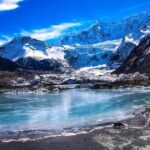
Karola Glacier adds a stark contrast to the lake’s open water. You get a close look at ice and snow against the mountain slopes, but this is a high-altitude stop, so keep warm layers handy and avoid rushing about. Manla Reservoir rounds out the day before you reach Shigatse, where you stay in a hotel with oxygen supply and underfloor heating.
Meals are not included on day one. The group is encouraged to dine together and split the bill, but the driver does not join that cost-sharing. If you eat separately, the stated arrangement is a 100-yuan-per-day driver meal subsidy from each person in the vehicle. Clarify how this will be handled with the organizer before departure.
Day 2: The 108 bends and Everest at dawn
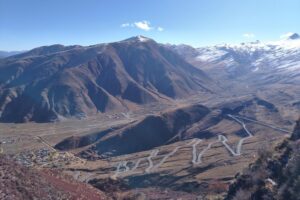
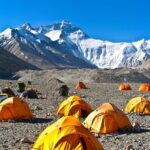
From Shigatse, the route follows National Highway 318, passing its 5,000-kilometre milestone, then continues over Gyatso La Pass to the Mount Everest gate. The road climbs through the 108 bends to Gawu La Pass before reaching Everest Base Camp. The changing views along this section are part of the day’s appeal, but the bends and elevation can make it tiring if you are prone to motion sickness.
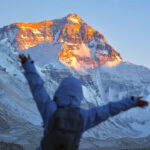
The plan calls for sunrise on Everest’s golden peaks. Treat that as a weather-dependent possibility, not a promise: cloud, wind, and visibility all shape what you can see. The early start and cold conditions make warm clothing, gloves, a hat, and sunglasses practical, even if the day began comfortably in town.
After the Base Camp visit, you continue to Basong Village, also called Everest Town. Breakfast is included, while lunch and dinner are on your own. The village accommodation has a private bathroom, but standards are modest and may fall below what you expect from a city hotel. This is one of the nights when a sleeping bag, toiletries, and patience with occasional water or power interruptions can make the stay easier.
Day 3: Everest’s east side and Zongcuo Lake
Day three leaves Basong Village for the east slope of Everest, then heads through the Dinggye sand dunes and wetland toward Ama Zhimu Snow Mountain and Zongcuo Lake. The sequence gives you a different view of the region from the previous day’s Base Camp visit: instead of focusing on the famous summit approach, you see open terrain, wetland, dunes, and another mountain-and-lake setting.
The stop at Zongcuo Lake is linked to Ama Zhimu Snow Mountain, a less familiar point on the route. That makes it a good day for watching the light and scenery rather than expecting a large visitor facility or a long guided explanation. The driver-guide service is described as reception and trip support, not licensed tour commentary, so do not count on a full lecture at each stop.
One trip driver, Master Da Fu, has been praised for steady driving on rugged roads, taking photos, and pointing out small plateau animals along the way. That is the sort of added value a good driver can bring, though no particular driver is guaranteed for your departure. You continue to Kangma for the night. Breakfast is included, but lunch and dinner are self-funded.
Day 4: Pumoyong Tso, Baimalin Tso, and Kula Kangri
From Kangma, the route takes in views of the Himalayas from the vehicle, then visits Pumoyong Tso and Baimalin Tso before heading toward Kula Kangri. The changing lakes and mountain views are a central reason to choose this tour over a shorter Everest-only drive. You reach places that are less familiar to most first-time visitors to Tibet, but the cost is a long day on roads where conditions can be rough and facilities sparse.
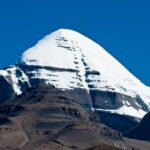
Pumoyong Tso is also called Puma Yumco in some English spellings. The tour calls for a sunrise view of Kula Kangri’s golden summit, but as at Everest, the mountain’s appearance depends on weather and visibility. Expect cold air and limited shelter at scenic stops, not a heated viewing platform.
The night is in Sexiang or Cuoyu, depending on arrangements. The accommodation is a hotel or guesthouse with a private bathroom, but there is no fixed star rating. The package names several possible properties, while noting that the final selection depends on room availability. For this night in particular, pack as if you may have to make do: carry your own toiletries, a flashlight, wet wipes, and any medication you rely on.
Day 5: Yamdrok’s inner lake and the return to Lhasa
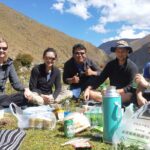
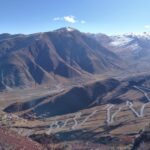
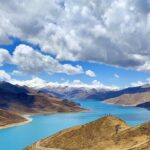
The final day travels from Sexiang or Cuoyu to the inner lake of Yamdrok, then Ritu Temple and the Rurila viewing platform before returning to Lhasa. Seeing another part of Yamdrok after the first-day loop gives the lake more context than a single roadside stop can. Ritu Temple and the viewing platform add a last chance to take in the region before the drive back.
The tour lists a return to Lhasa at about 20:00, but it also warns that traffic and weather may change the schedule. Do not plan a tight connection that night. Breakfast is included; lunch and dinner are not. You arrange your own accommodation in Lhasa after the tour.
What the price includes, and where the value lies
The advertised starting price is US$697.85, while the listed four-person off-road package starts at US$606.79. Those figures are not identical, so check the date and package selection carefully before paying. From October 16 onward, winter-tourism pricing applies, and the stated ticket discount and refund policies no longer apply.
The package covers a five-seat off-road vehicle, driver and trip support, four nights of accommodation, attraction tickets, the mandatory sightseeing bus, and accident insurance. It also includes SLR photography with nine retouched photos and all negatives, plus drone footage when conditions permit. Taken together, those inclusions can make the price worthwhile for someone who wants a remote, multi-stop route without organizing separate transport and lodging.
It is not an all-inclusive trip. Meals, transport to and from Lhasa, personal purchases, and any single-room supplement are extra. The group is encouraged to share meal costs, and there may be a driver meal contribution if you do not eat with the group. For solo bookings, same-sex room sharing is attempted; if that cannot be arranged, or if you prefer a room alone, you pay the single supplement.
The included photography is a bonus, not a reason to expect a guaranteed portfolio. Drone use may be canceled because of no-fly zones, wind, rain, or a crash, and the team will not extend a stop if the light fails to cooperate. Ask how the nine retouched images will be delivered and when, since those details are not specified.
High altitude, rough roads, and what to pack
This is a high-altitude trip with a long drive each day. The operator advises against joining with conditions such as high blood pressure, diabetes, or heart disease, and recommends that pregnant people, children under five, and people with heart, lung, brain, or blood-system conditions seek medical advice or avoid the trip as appropriate. People over 70 are also advised to consult a doctor. Take those warnings seriously, and speak with a medical professional before booking if you have any concern about altitude.
Pack warm layers, quick-drying clothes, sturdy non-slip shoes, a hat, gloves, sunglasses, sunscreen, lip balm, and a rain layer. Bring personal medicines, motion-sickness remedies if needed, a thermos, snacks, water, and a small day bag. The operator recommends avoiding a shower during your first two days at altitude and staying alert to cold water or water outages later. Facilities can be limited, so bring toiletries and a flashlight; if you are particular about bedding, bring a sleeping bag.
Photography also calls for care. Follow local rules and do not photograph checkpoints, bridges, military areas, private homes, temples, or religious ceremonies where photography is prohibited. Ask permission before photographing people, and expect that photos of yaks or Tibetan mastiffs near tourist sites may carry a fee.
Who should book this route
I would consider this tour if you want several days of remote scenery, are comfortable spending many hours in a vehicle, and can handle basic lodging without letting it spoil the trip. It suits people who value mountain and lake views more than city comfort, and who like having a driver manage the roads while a small group shares the journey.
It is a poor match if you need reliable hotel comforts, dislike rough roads, have health concerns that make altitude risky, or want a detailed licensed guide at every stop. Most important, check eligibility before doing anything else: this route is limited to residents of mainland China, Hong Kong, and Macao. Taiwan residents and foreign nationals are not permitted to join.
5-Day Tour to Mount Everest Border and Kula Kangri in Tibet (Yamdrok Lake Loop + Karola Glacier + Everest Base Camp + Puma Yumco Lake + Kula Kangri Snow Mountain + Hardcore Off-road + 2-4 Person Photography Small Group)
“We are so grateful that our first scenic tour of Tibet allowed us to meet Master Da Fu. Some of the roads were very rugged, but the master's drivin…”
FAQ
Who is eligible to join the tour?
The tour is only available to residents of mainland China, Hong Kong, and Macao. Taiwan residents and foreign nationals are not allowed to participate.
How many people are in the group?
The experience is described as a two-to-four-person photography group. The package details also describe a four-person off-road group with three people forming a group. Confirm the exact group size for your booking.
What kind of vehicle is used?
The tour uses a five-seat off-road vehicle. Possible models include a Tank 300, Wrangler, Prado, Beijing BJ40, Toyota Tundra, or a similar vehicle.
Are meals included?
Hotel breakfast is included on days two through five. Other meals are not included. Day one meals are also at your own expense.
What accommodation is included?
Four nights in double rooms are included. The Shigatse hotel is described as a four-diamond Ctrip hotel with oxygen supply and underfloor heating. Accommodation in Basong Village, Kangma, and Sexiang or Cuoyu is more basic, with private bathrooms guaranteed.
Are photography and drone footage included?
Yes. The package includes SLR photography, nine retouched photos, all negatives, and drone footage. Drone photography may be canceled if weather, no-fly zones, or other conditions prevent it.
Is the sunrise at Everest or Kula Kangri guaranteed?
No. The schedule includes sunrise views at both locations, but visibility depends on weather and other conditions.
What time does the tour return to Lhasa?
The stated return time is about 20:00 on day five, but traffic and weather can change the schedule.