Newgrange is older than the pyramids, and this day trip takes you from central Dublin to the Neolithic heart of the Boyne Valley. At Brú na Bóinne, you’ll encounter Newgrange and Knowth, then see the carved crosses and round tower at Monasterboice.
I like the way this tour pairs prehistoric monuments with early Christian sites, giving you a broad view of Ireland’s past in one day. I also like that admission to Newgrange and Brú na Bóinne, transport and an English-speaking guide are included.
The trade-off is a packed schedule. The day covers several major sites in eight hours, and there may be little time for photos, rest or a slow visit. If mobility is a concern, plan carefully: the tour is listed as wheelchair- and stroller-accessible, but that does not necessarily mean the pace will feel easy.
- Key points at a glance
- From Dublin to Ireland’s ancient heartland
- Newgrange and the Brú na Bóinne monuments
- Monasterboice and Muiredach’s High Cross
- The Battle of the Boyne and the guide’s stories
- Is the price good value?
- Pace, comfort and practical details
- Who should book this Boyne Valley day trip?
- FAQ
- Where does the tour depart from?
- What time does the tour leave and return?
- What is included in the price?
- Are meals and drinks included?
- How old must participants be?
- Is the tour wheelchair- and stroller-accessible?
- What should I bring and wear?
- The Best Of Dublin!
- More 1-Day Tours in Dublin
- More Tours in Dublin
- More Tour Reviews in Dublin
- Not for you? Here's more nearby things to do in Dublin we have reviewed
Key points at a glance
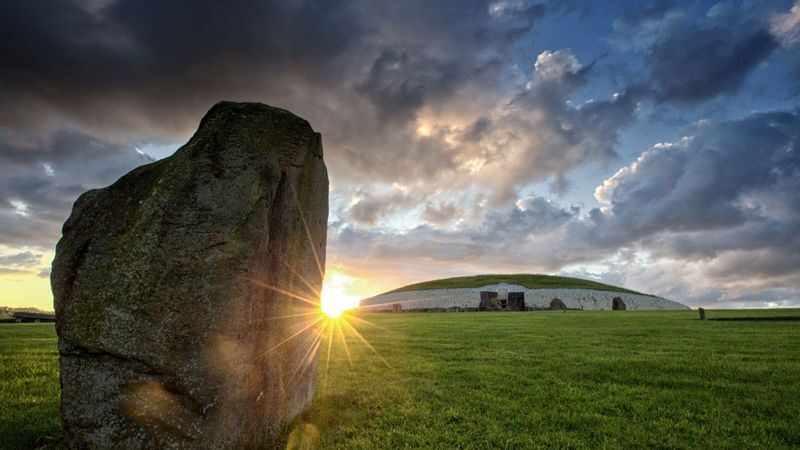
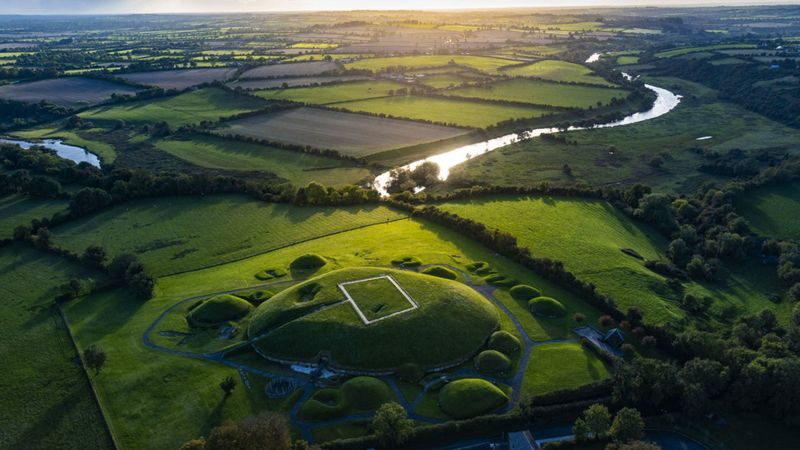
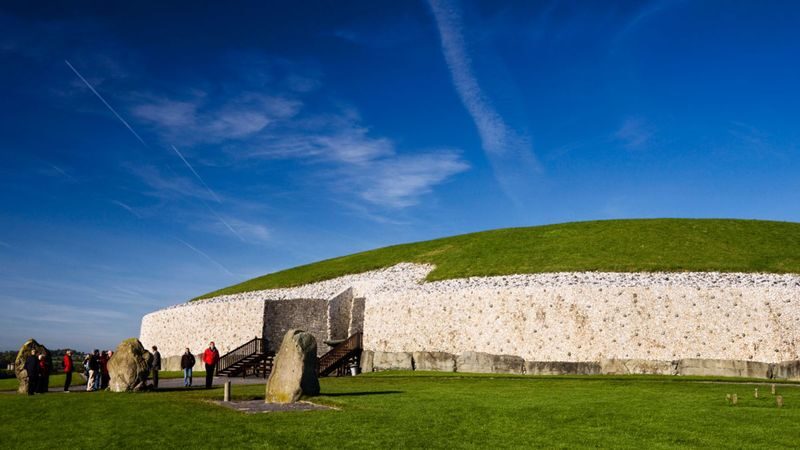
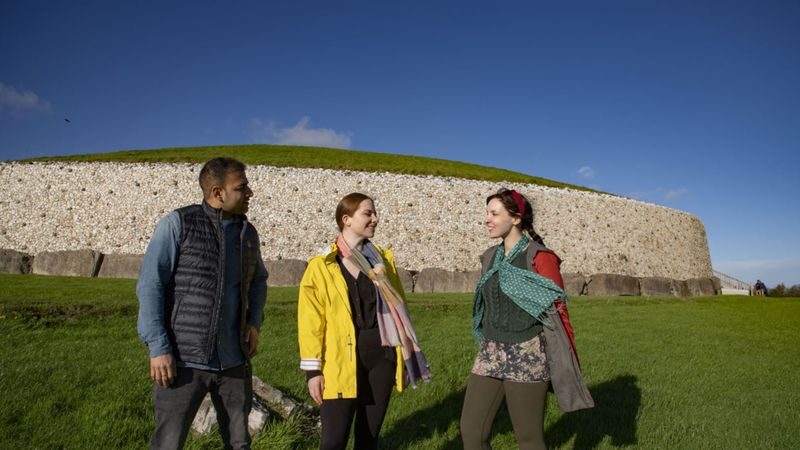
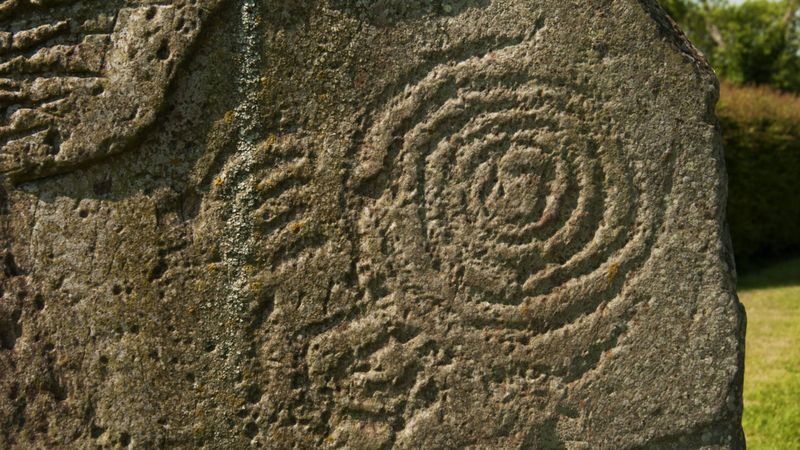
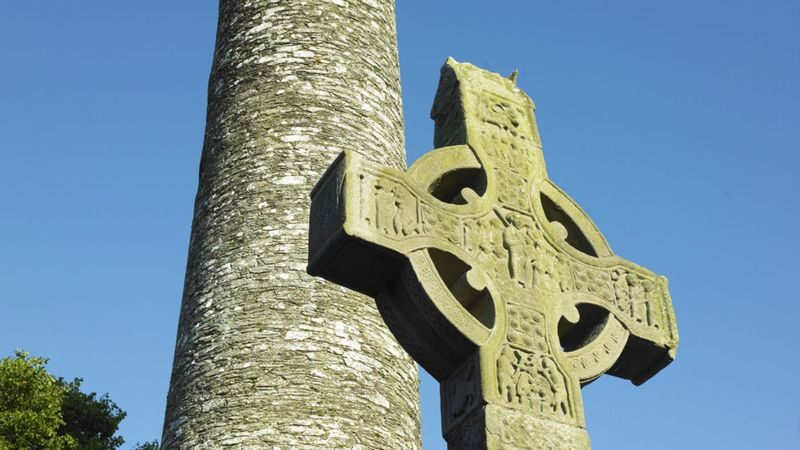
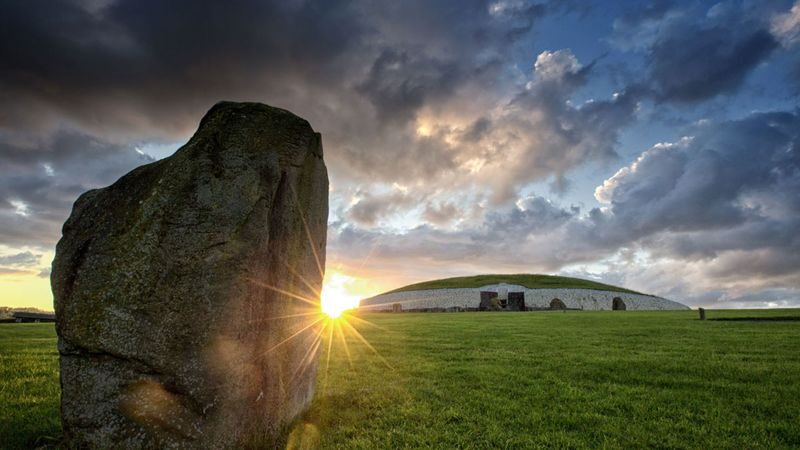
- Newgrange’s winter-solstice alignment: See a Neolithic monument known for its carved stones and precise alignment with the winter solstice.
- Two ancient sites at Brú na Bóinne: Newgrange and Knowth bring you face to face with Ireland’s prehistoric past.
- Monasterboice’s carved crosses: Muiredach’s High Cross is famed for its detailed Biblical scenes.
- A full day from Dublin: The tour leaves the Molly Malone Statue at 9 a.m. and is scheduled to return there at 5 p.m.
- History beyond the monuments: Your guide links Celtic traditions, early Christianity and the Battle of the Boyne.
- A brisk pace: One review gives the tour 4 out of 5, while noting limited time for breaks and photographs.

👉 See our pick of the 5 Best Shopping Tours In Dublin
From Dublin to Ireland’s ancient heartland
The meeting point is the Molly Malone Statue on Suffolk Street in Dublin 2. The bus is white and displays the Hilltoptreks name. Arrive at least 10 minutes before the 9 a.m. departure; late arrivals and no-shows are not eligible for a refund.
Once you leave the city, the focus shifts to the Boyne Valley, a part of Ireland where prehistoric and early Christian sites sit within reach of one another. The drive is part of the day’s context: your English-speaking guide shares stories of Celtic rituals, Irish legends and the Battle of the Boyne as you travel between stops.
The group size is listed as one to 16 people, so this is not a large coach tour by the stated maximum. Still, the timetable is tight. The return is scheduled for 5 p.m., but traffic or weather can change the timings, and the tour needs to fit several important places into one day.
You can also read our reviews of more tours and experiences in Dublin


Newgrange and the Brú na Bóinne monuments
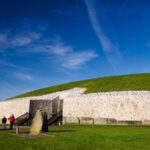
The main draw is Brú na Bóinne, a UNESCO World Heritage Site associated with some of Ireland’s best-known Neolithic monuments. Newgrange is about 5,000 years old, and its entrance passage and chamber are aligned with the rising sun at the winter solstice. That design gives the site a special sense of purpose: it is not simply a pile of ancient stones, but a carefully planned monument connected to the movement of the sun.
Carvings are another reason to pay close attention. The stones bear patterns made by people who lived long before written records, and the marks make the site feel both intimate and mysterious. You may not come away knowing exactly what each symbol meant, but you can see the care and skill that went into making it.
Knowth is also part of the visit. The tour description groups it with Newgrange as one of the ancient wonders of Brú na Bóinne, making this more than a single-monument stop. Having both in the day gives you a broader sense of the scale and importance of the prehistoric area.
Admission to Newgrange monuments and Brú na Bóinne is included, along with transport and the guide. That matters because these are the central reasons to book the trip, rather than optional extras to budget for on arrival. The tour does not specify how long you’ll spend at each monument, so don’t count on an open-ended visit. The day’s schedule, and a past assessment that it feels tight, suggest you should be ready to keep moving.
Bring a camera, but be realistic about photo time. One 4-out-of-5 assessment described the schedule as tight, with few opportunities for photographs and breaks. That is useful to know if you like to study every carving or wait for a quiet moment before taking pictures. You’ll get more from the visit if you decide in advance what matters most to you: listening to the guide, taking photos or simply looking closely.
The winter-solstice alignment is a feature of the monument, not a promise that your tour will take place on the solstice or include a special sunrise event. The trip leaves Dublin at 9 a.m. and returns in the late afternoon, so think of the alignment as part of the site’s design and story rather than a seasonal spectacle.
Monasterboice and Muiredach’s High Cross
After the prehistoric monuments, Monasterboice shifts the story to early Christianity in Ireland. This fifth-century monastic site is known for its High Crosses and a tall round tower, monuments that make the old religious centre visible even to a visitor with little background in Irish church history.
Muiredach’s High Cross is the standout. Its stone surface is covered with intricate Biblical carvings, offering a visual record of Christian stories cut into stone. You can look closely at the scenes and details, but the pace may not allow a long, unhurried study. If this is the stop you most want to photograph, keep your camera ready and follow your guide’s timing.
The round tower adds a different kind of presence. The tour highlights it as one of the site’s main features, alongside the crosses. Together, the monuments show how this stop differs from Newgrange: one is a Neolithic site shaped by ancient beliefs and solar alignment, while the other reflects Ireland’s early Christian period.
Monasterboice gives the day a welcome change of scale and subject. Rather than spending all your time among prehistoric stones, you see a later chapter of Irish history in a place known for its religious monuments. If you are especially interested in carved stonework, this is likely to be one of the most rewarding stops.
The Battle of the Boyne and the guide’s stories
The tour also brings in the 1690 Battle of the Boyne, an event that shaped Irish history. The guide shares stories of the battle along the route, adding a more recent historical layer to a day otherwise centred on ancient and medieval sites.
The tour information does not spell out a separate battlefield stop or how much time the subject receives. Treat the battle as part of the guide’s interpretation of the valley, rather than assuming a dedicated visit to a particular battlefield location. That distinction helps set expectations: the day’s named stops are Brú na Bóinne and Monasterboice.
The value of having a guide is especially clear when the sites span thousands of years. Without context, carvings, towers and ancient alignments can be hard to connect. A guide can tie the monuments to stories of Celtic rituals, early Christianity and later conflict, giving the drive between stops a purpose of its own.
No guide names are provided, so you cannot request a particular person. The tour is in English, and the group size is capped at 16, which is small enough to make guided explanation more personal than it might be on a much larger coach outing.
Is the price good value?
The listed starting prices vary: the overall tour is shown from $109.50, while the join-in package is shown from $95.25. Check the date and package details before booking, since the amount you see may depend on the option selected.
For the price, the core value is straightforward: round-trip transport from central Dublin, an English-speaking guide, and admission to Newgrange and Brú na Bóinne. You also see Monasterboice and hear about the Battle of the Boyne during the day. If you want to visit these sites without arranging transport between them yourself, that bundled approach can make the cost worthwhile.
Meals and drinks are not included, and personal expenses are extra. Bring water and plan for your own food rather than expecting lunch to be part of the tour. The timing leaves little room to stop and rest, so having what you need with you is more practical than relying on a long break.
There is one published rating, 4 out of 5, and it points to the main compromise rather than a problem with the sites: the schedule allows little time for photos and rest. That is worth weighing against the convenience of reaching several historic places in one day. You pay for a guided overview and transport, not for a slow, flexible visit.


Pace, comfort and practical details
This is an eight-hour trip, scheduled from 9 a.m. to 5 p.m. The itinerary can shift with traffic and weather, so keep your plans after the return time flexible. You meet and return at the Molly Malone Statue on Suffolk Street.
Wear walking shoes and bring a raincoat or poncho, sunscreen, water and a camera. Ireland’s weather can change, and the tour specifically recommends being ready for both sun and rain. If you are using a student ticket, bring a valid student ID; student tickets are for people aged 16 and older.
Children must be included in the passenger headcount, and participants must be at least three years old. The tour is listed as stroller- and wheelchair-accessible, but one assessment cautioned that the brisk schedule may not suit people with limited mobility. If you need extra time to move between stops or rest, contact the operator before booking to clarify what the day’s pace will involve.
The voucher is mobile, and it is valid only for the date and time booked. Cancellation with a full refund is available if you cancel at least 24 hours before the activity date, using local destination time.
Who should book this Boyne Valley day trip?
This tour suits you if you want to see Newgrange and Knowth without organising transport from Dublin, and you like having a guide connect the sites to a wider story. It is particularly appealing if you’re interested in archaeology, carved stonework or the way Ireland’s religious and political history changed over time.
It also works well if you have only one day to spare and would rather cover several significant stops than spend the whole day at one place. The trade-off is less freedom at each site. If your ideal visit means long photo breaks, a leisurely lunch or time to sit and take things in, this schedule may feel rushed.
I’d book it for the combination of Newgrange, Knowth and Monasterboice, with the guide’s historical context and transport doing much of the practical work. I’d hesitate if limited mobility, frequent rest breaks or unhurried photography are high priorities. The sites are worth seeing, but the pace is the deciding factor.
Boyne Valley and Newgrange day trip from Dublin
“schedule is quite tight. very minimal photo ops and rest. sufficient rest is only possible during travel. not recommended for participants with lim…”
FAQ
Where does the tour depart from?
It departs from the Molly Malone Statue on Suffolk Street, Dublin 2. The return is scheduled for the same meeting point.
What time does the tour leave and return?
Departure is scheduled for 9 a.m., with a return at 5 p.m. Traffic or weather may affect the schedule.
What is included in the price?
The tour includes round-trip transfers, an English-speaking guide and admission to Newgrange monuments and Brú na Bóinne.
Are meals and drinks included?
No. Meals and beverages are not included, so bring water and plan for your own food.
How old must participants be?
Participants must be at least three years old. Infants and children must be included in the passenger headcount.
Is the tour wheelchair- and stroller-accessible?
It is listed as wheelchair- and stroller-accessible. However, the schedule is tight, and the brisk pace may not suit people with limited mobility.
What should I bring and wear?
Bring walking shoes, a camera, water, sunscreen, a raincoat or poncho, and a student card if using a student ticket.