Cape Town’s painted Bo-Kaap houses are more than a photogenic start. On this walk, they open a conversation about Cape Malay culture, community, and the forces that shaped the city. From there, the route links downtown streets and landmarks to the painful story of District Six.
I like two things in particular: the local guides make history feel connected to daily life, and the route combines art and architecture with difficult subjects such as slavery and forced removals. At $37, it is a useful orientation as well as a history lesson.
The main consideration is the clock. The tour is advertised as two hours, but the listed stop times add up to about two hours and 25 minutes before the final coffee stop. The route may move at a brisk pace, or some timings may overlap, so check the expected finish time if you have plans afterward.
At a glance
- Bo-Kaap first: Begin among the painted homes and visit Auwal Masjid, with context about Cape Malay culture.
- History beyond the postcard: The route includes the Slave Lodge, City Hall, Parliament, and District Six.
- Art and city life: Greenmarket Square brings local crafts into the mix, while parts of the tour may include galleries or an artist’s studio.
- A guide-led introduction: Mandi, Olwethu, and Diego are among the guides named by people who took recent tours. Your guide may vary.
- Plan for walking: Wear comfortable shoes, bring water and sun protection, and allow flexibility around the stated two-hour duration.
👉 See our pick of the 11 Best Shopping Tours In Cape Town
- At a glance
- Starting among Bo-Kaap’s painted houses
- Long Street and the city’s changing character
- Greenmarket Square’s art and craft stalls
- The Slave Lodge and City Hall
- District Six and the meaning of removal
- A final stop at Truth Coffee
- What gets you
- Walking comfort and street awareness
- Who should book this walk?
- FAQ
- How long is the tour?
- Where is the meeting point?
- What is the tour price?
- What language is the tour in?
- What is included in the price?
- Are transport and lunch included?
- Can I cancel the booking?
- What should I bring?
- The Best Of Cape Town!
- More Walking Tours in Cape Town
- More Tours in Cape Town
- More Tour Reviews in Cape Town
- Not for you? Here's more nearby things to do in Cape Town we have reviewed
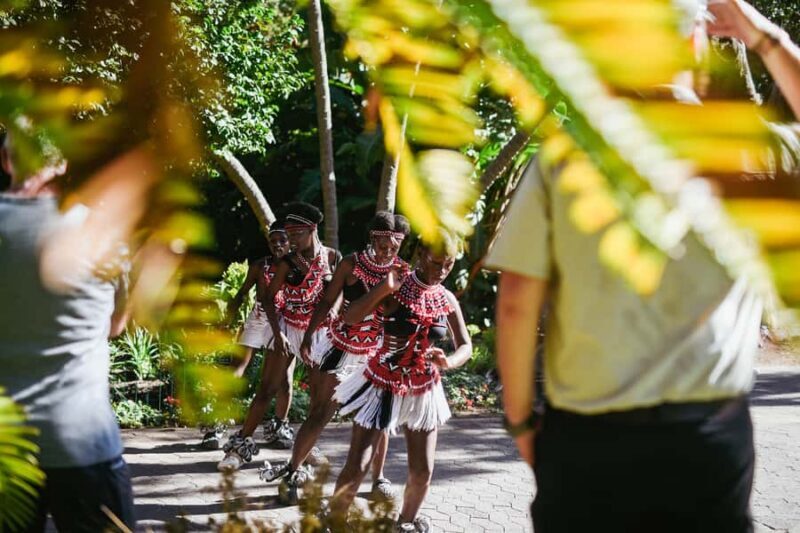
Starting among Bo-Kaap’s painted houses
 1 / 9
 2 / 9
 3 / 9
 4 / 9
 5 / 9
 6 / 9
 7 / 9
 8 / 9
 9 / 9
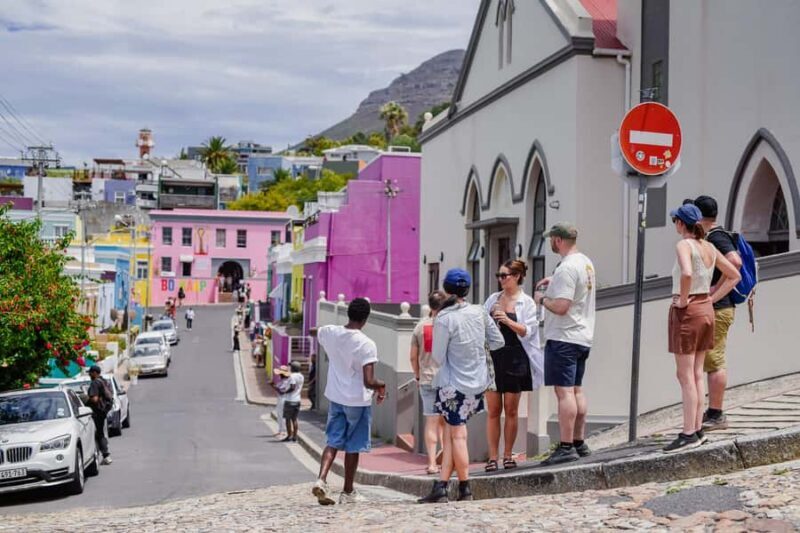
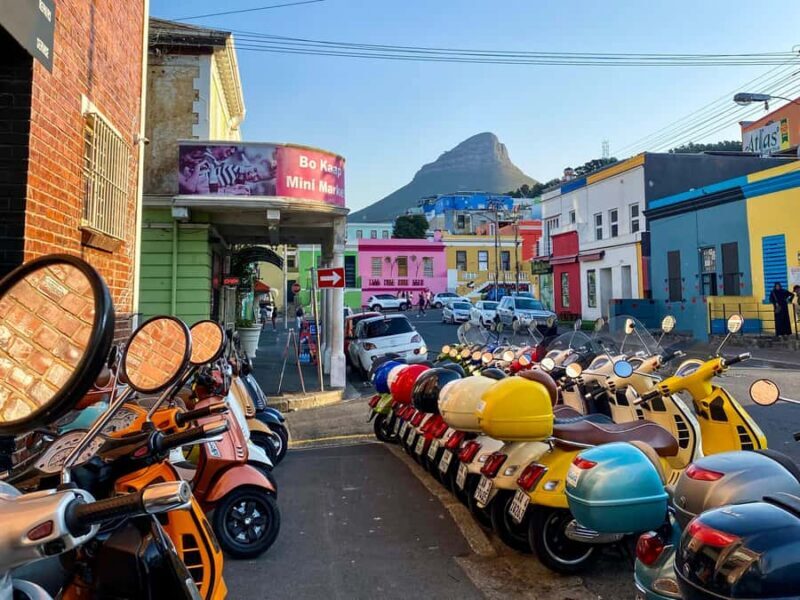
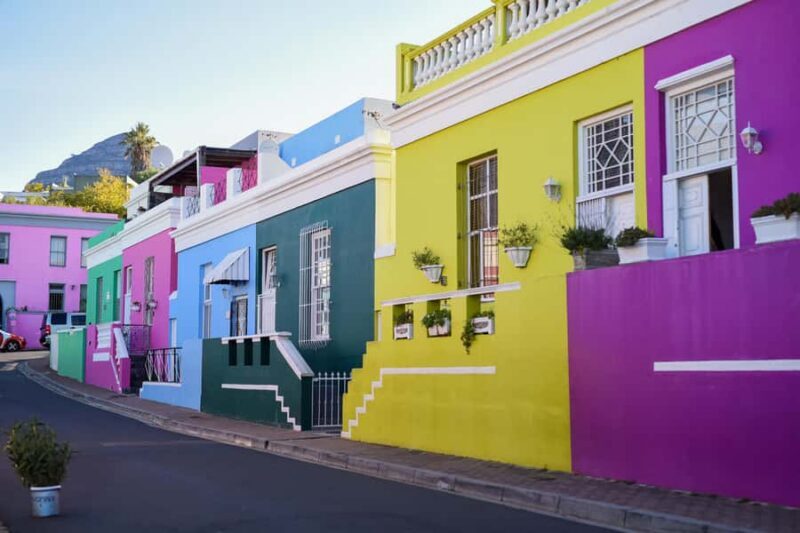
Meet at Bo-Kaap Deli, at 97 Church Street. The tour begins in Bo-Kaap, where rows of brightly painted houses and historic mosques give you a first glimpse of Cape Town’s layered identity. The colours make a striking backdrop, but the guide’s local perspective is what gives the neighbourhood meaning beyond the camera frame.
Auwal Masjid, one of the stops, brings the conversation to the area’s Muslim heritage and Cape Malay community. The route also passes along Wale Street, linking the neighbourhood to the city centre. Expect a guided walk with time for photos and questions, rather than a long visit inside every landmark.
This is a useful start if you are new to Cape Town. You get an early sense of how place, culture, and history connect, and you can ask questions while the streets and buildings are right in front of you. Just remember that Bo-Kaap is a lived-in neighbourhood, not a set built for sightseeing. Take photos with care and respect the people who call it home.
You can also read our reviews of more walking tours in Cape Town



Long Street and the city’s changing character
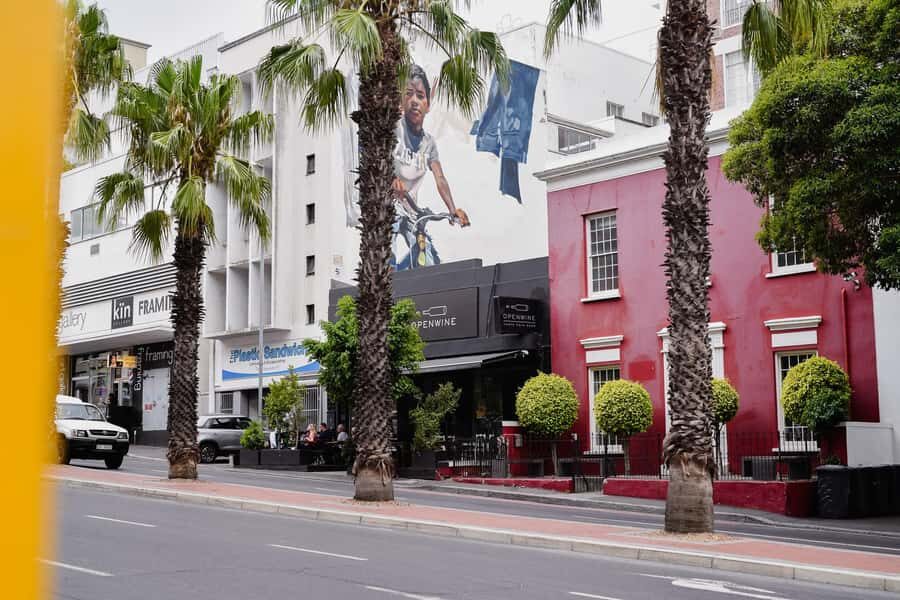
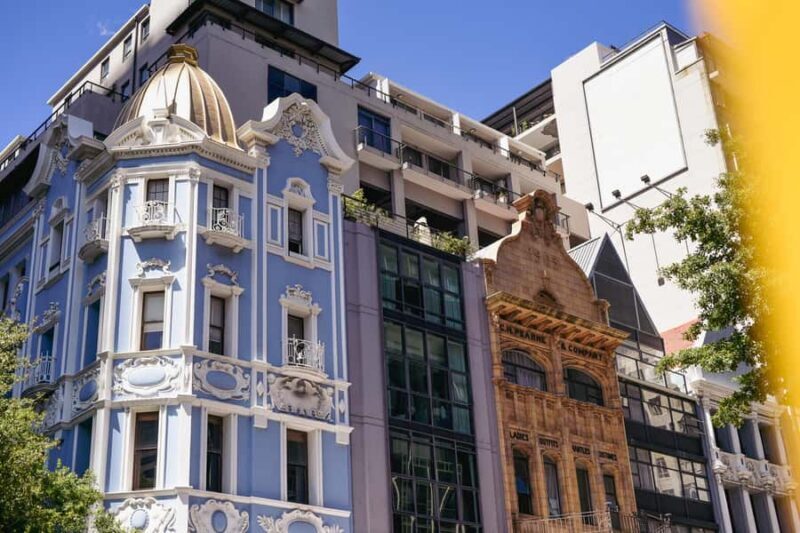
From Bo-Kaap, the walk heads toward Long Street. Victorian-era buildings sit alongside bars, bookshops, and vintage shops, offering a quick lesson in how Cape Town’s centre keeps changing while retaining traces of its past.
The stop is relatively short, so think of it as a guided introduction, not time for browsing every shop. Your guide can point out details you might miss on your own and explain how the city’s older architecture fits into its present-day street life.
A major advantage of walking with a local guide is the chance to ask what you are seeing as you go. People who took the tour have valued the balance of explanation and conversation, rather than a nonstop recital of dates. Guides named on recent departures include Mandi, Olwethu, and Diego, along with Basil and Sipho. The guide and style can vary by departure, but the experience is designed around a live English-speaking guide.
Greenmarket Square’s art and craft stalls
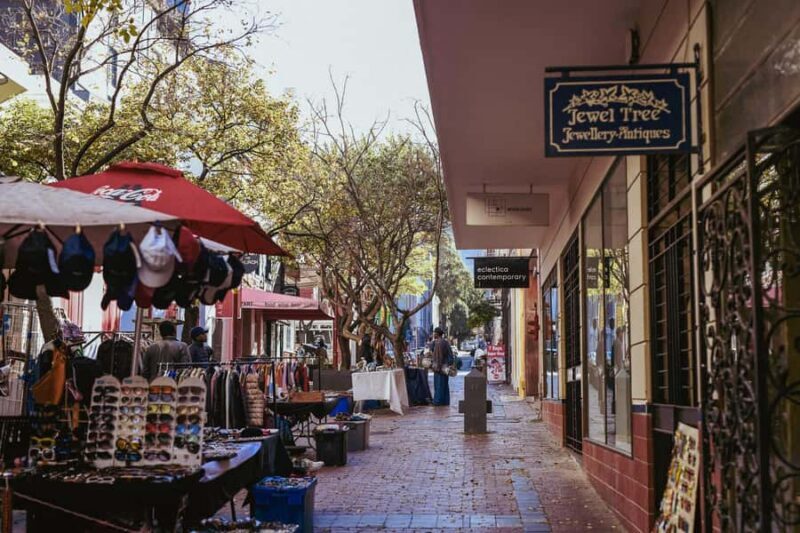
Greenmarket Square adds a more hands-on stop. Traders sell handmade goods, local art, and textiles, and the tour includes time to look around. If you are interested in Cape Town’s creative side, this is a chance to connect the city’s art scene to the people making and selling work in the centre.
Keep your expectations practical: this is a short market visit, not a dedicated shopping tour. You may want to bring a little spending money if you see a souvenir you like, since personal purchases are not included. You can also simply look and listen as your guide explains what the market contributes to the city’s cultural life.
Some departures have included time in galleries or at an artist’s studio, including a recycling artist’s workshop mentioned by a participant. That sounds like a welcome addition, but it is not listed as a guaranteed stop, so treat it as a possible extra rather than a fixed part of the route.
The Slave Lodge and City Hall
The mood shifts at the Iziko Slave Lodge, a reminder of Cape Town’s colonial past and the people enslaved there. The group stops for a guided explanation and sightseeing, rather than a full museum visit. That distinction matters: if you want to explore the building’s exhibitions in depth, you may need to return separately.
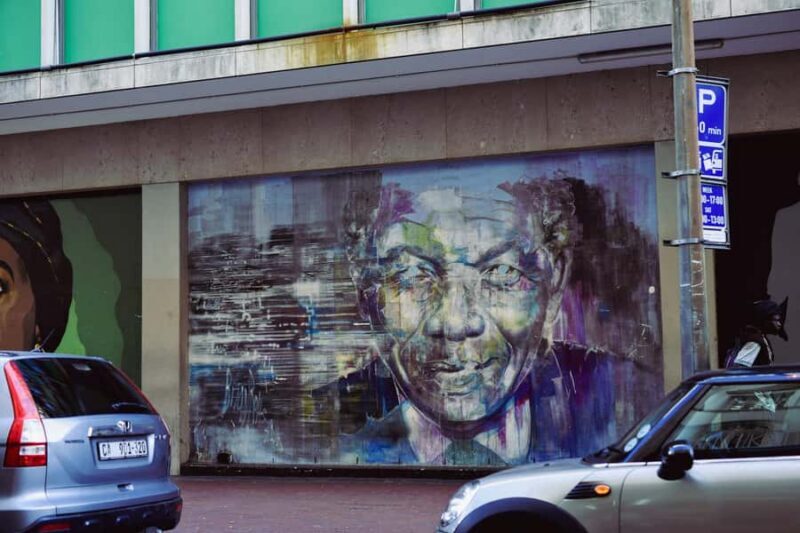
Nearby, City Hall offers another point of connection between Cape Town’s past and present. Historic speeches and protests took place here, and there may be an opportunity to see an exhibition on Nelson Mandela. The wording matters: the exhibition is an opportunity, not a guaranteed extended visit, so don’t build a tight schedule around it.
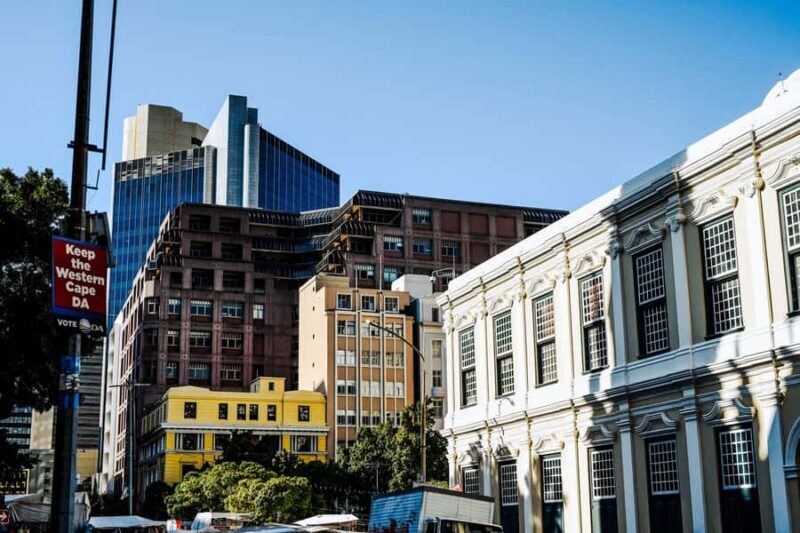
Parliament is also on the route, viewed from outside as the walk passes by. Together, these landmarks help explain how power, protest, and public memory have shaped the city. The guide can provide context that is hard to pick up from façades alone, though you should expect a walking tour rather than interior access to every building.
More Great Tours NearbyDistrict Six and the meaning of removal
District Six is the route’s most sobering stop. Forced removals tore apart a community under apartheid, and the area’s story remains central to how Cape Town understands itself. The guide’s task here is not simply to name what happened, but to help you see how those events continue to inform the city’s identity.
The itinerary includes a stop at the District Six Museum, but the planned time is short. You should think of this as an introduction, not enough time to take in the museum fully. If the subject matters to you, consider returning for a longer visit and checking the museum’s current arrangements separately.
This section gives the tour emotional weight. Bo-Kaap, Greenmarket Square, and Long Street show culture and city life in different forms; District Six makes clear that the city’s story also includes dispossession and lasting consequences. The shift can feel abrupt in a short tour, but it is an important part of understanding Cape Town beyond its scenic image.
You can also read our reviews of more historical tours in Cape Town




A final stop at Truth Coffee
Truth Coffee Roasting appears at the end of the route. It is listed as a stop for coffee and sightseeing, giving you a chance to pause after the walk. The tour does not include lunch, and personal expenses are excluded, so budget separately for anything you order or buy.
The walk also passes the Company’s Garden, a green space among the city-centre landmarks. Taken together, these stops round out a route that moves between neighbourhood streets, public buildings, historical sites, and places where people gather today.
There is a practical point to keep in mind: the itinerary’s stated stop times total about 145 minutes before the Truth Coffee visit, while the activity is advertised as two hours. Actual pacing may differ, and some stop times may include walking or pass-by sections. If you need to catch transport or make a reservation, confirm the likely end time rather than assuming you will be finished precisely at the two-hour mark.
What $37 gets you
At $37 per person, the price covers a professional guide and a guided walk through Bo-Kaap and key city-centre landmarks. You are paying for interpretation and local context as much as for the route itself. Without a guide, you can see the painted houses, market, and public buildings; it is harder to connect them to Cape Town’s cultural identity and contested past in a short visit.
The value is strongest if you want a compact introduction at the start of your stay. A few people who joined early in their trip found the guide’s tips useful for deciding where to go next, including ideas for food, shopping, and other areas of the city. The tour can help you get your bearings, though it does not include transportation to the meeting point, hotel pickup, lunch, or personal purchases.
The tour has a 4.9 out of 5 rating from 392 ratings in the supplied information. That figure is encouraging, but the more useful pattern is the emphasis on clear storytelling, friendliness, and a good mix of history, culture, and art. Mandi, Olwethu, and Diego are named often in recent accounts, but you cannot book on the assumption that one particular guide will lead your departure.
Walking comfort and street awareness
The activity is described as wheelchair accessible, and the route is on foot. If you have specific access needs, it is sensible to confirm the route details with the operator before booking. The activity information does not specify group size, walking distance, or the condition of every pavement.
Wear comfortable shoes and carry water, sunscreen, sunglasses, and a hat. Rain gear and personal medication are also on the recommended packing list. Cape Town’s weather can make sun protection useful even on a short outing, and a camera is handy for the colourful streets and market scenes.
One person described a frightening attempted robbery after the guided walk, when their party continued on its own. That single account does not tell you how common such incidents are, but it is a practical reminder: ask your guide for advice before setting off independently, and use care when choosing where to walk after the tour. One guide was also praised for staying to ensure a taxi arrived safely, but you should not assume that extra help is part of every departure.
Who should book this walk?
I would choose this tour if you want more than a quick photo stop in Bo-Kaap and want a local guide to connect the neighbourhood with Cape Town’s wider history. It suits first-time visitors, curious walkers, and anyone interested in how art, culture, architecture, and South African identity meet in the city centre.
It is less suited to anyone seeking a slow museum visit or a highly specialised art tour. Several important stops are brief, and the route covers difficult history in a compact format. If you want to study the Slave Lodge or District Six Museum closely, plan extra time on another day.
Booking makes sense if you can keep your schedule flexible and are comfortable spending a couple of hours on foot. Meet at Bo-Kaap Deli, bring water and sun protection, and use the walk as a starting point for further exploring. You can cancel up to 24 hours in advance for a full refund, and the reserve-now, pay-later option keeps plans flexible.
Cape Town: Art, Culture & History Walking Tour
FAQ
How long is the tour?
The tour is advertised as two hours. The listed stop times add up to about two hours and 25 minutes before the final coffee stop, so check the expected finish time if you have plans afterward.
Where is the meeting point?
Meet at Bo-Kaap Deli, 97 Church Street, Bo-Kaap, Cape Town, 8001.
What is the tour price?
The stated price is $37 per person.
What language is the tour in?
The live tour guide speaks English.
What is included in the price?
The price includes a professional tour guide, a guided walk through Cape Town, and visits to Bo-Kaap and other key landmarks.
Are transport and lunch included?
No. Hotel pickup and drop-off, transport to the meeting point, lunch, and personal expenses are not included.
Can I cancel the booking?
Yes. You can cancel up to 24 hours in advance for a full refund.
What should I bring?
Wear comfortable shoes and bring water, sunscreen, sunglasses, a sun hat, a camera, rain gear, personal medication, and hand sanitizer or tissues.
You can check availability for your dates here: