Yogyakarta’s cooking class at Pawon Bedhog starts with ingredients you can pick from the garden, then turns them into a shared meal in host Endah’s home kitchen. You begin with a turmeric-tamarind, tamarind-sugar, or lemongrass drink, and the session runs from 9 a.m. to 2 p.m.
I like the garden-to-table work, which gives you a feel for the herbs and spices behind Javanese cooking, and the relaxed, guided approach: you can take part at your own pace while Endah and her family make the setting feel personal. One consideration: there’s no hotel pickup, and the class is held in a home, so you’ll need to make your own way to the meeting point.
- What to know before you book
- A garden lesson before the cooking begins
- Cooking with Endah, at your own pace
- Six dishes, with room for seasonal changes
- The five-hour morning, from 9 a.m. to 2 p.m.
- Is the price worth it?
- Who will enjoy this class most?
- Should you book Pawon Bedhog?
- FAQ
- How long does the cooking class last?
- Where does the class meet?
- How early should I arrive?
- Is hotel pickup included?
- What food is included?
- Are vegetarian options available?
- What languages does the guide speak?
- Can I bring a pet?
- The Best Of Yogyakarta!
- More Cooking Classes in Yogyakarta
- More Tours in Yogyakarta
- More Tour Reviews in Yogyakarta
- Not for you? Here's more nearby things to do in Yogyakarta we have reviewed
What to know before you book
 1 / 8
 2 / 8
 3 / 8
 4 / 8
 5 / 8
 6 / 8
 7 / 8
 8 / 8
- Pick ingredients in Endah’s yard: Harvesting what’s available connects the garden to the meal, though the exact ingredients depend on the season.
- Expect a five-hour morning: The class begins at 9 a.m. and finishes at 2 p.m. at Pawon Bedhog.
- Cook a range of Indonesian dishes: The listed menu includes vegetable salad with peanut sauce, chicken with curry leaves, tofu, tempeh, sambal, and fruit salad.
- Ask about the menu that suits you: Vegetarian and omnivore options are offered. The menu can change with ingredient availability.
- Come ready to participate: You can help with the cooking, or take a more guided role if you’re less experienced.
- Bring your own way to the meeting point: Hotel transfers are not included, and you’re asked to arrive 15 minutes early.
👉 See our pick of the 25 Best Guided Tours In Yogyakarta
A garden lesson before the cooking begins
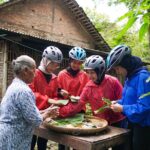
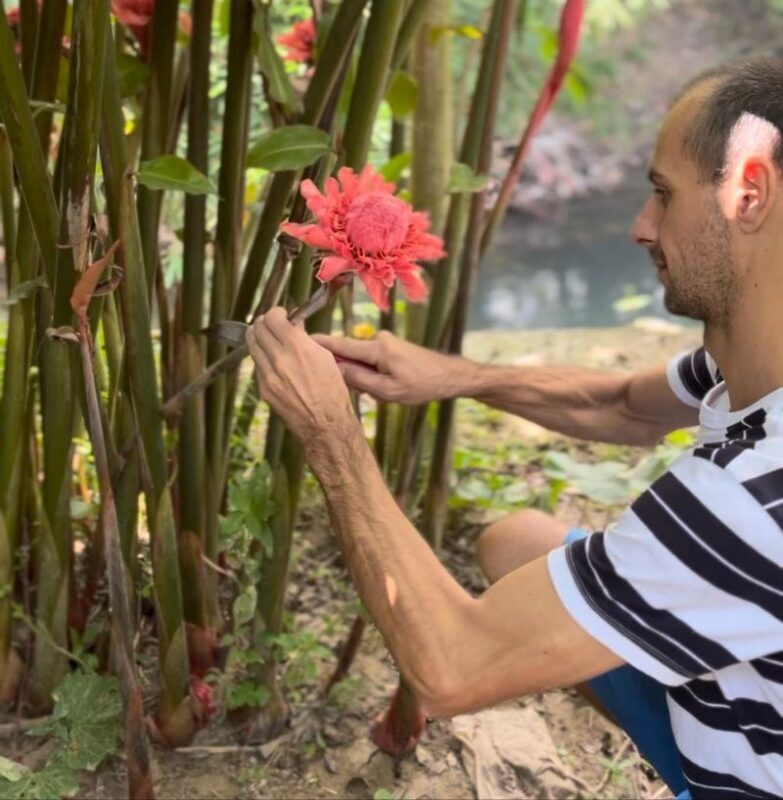
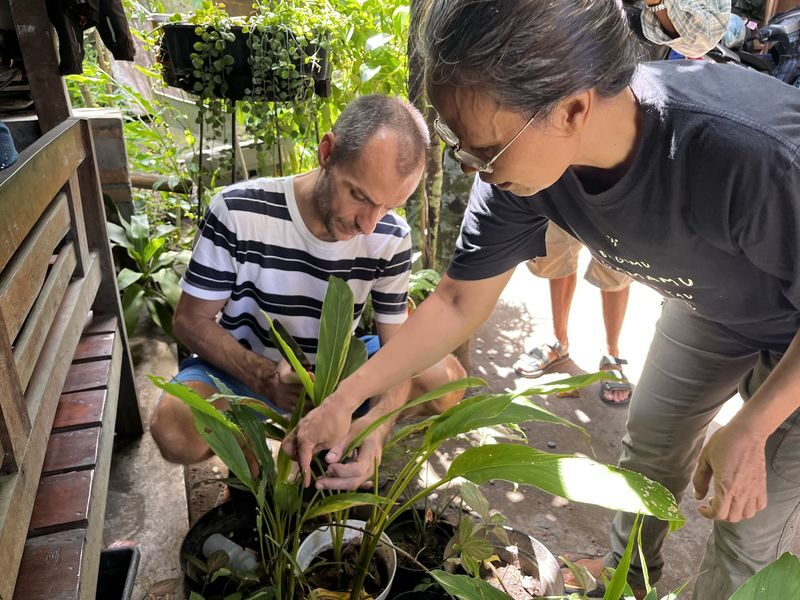
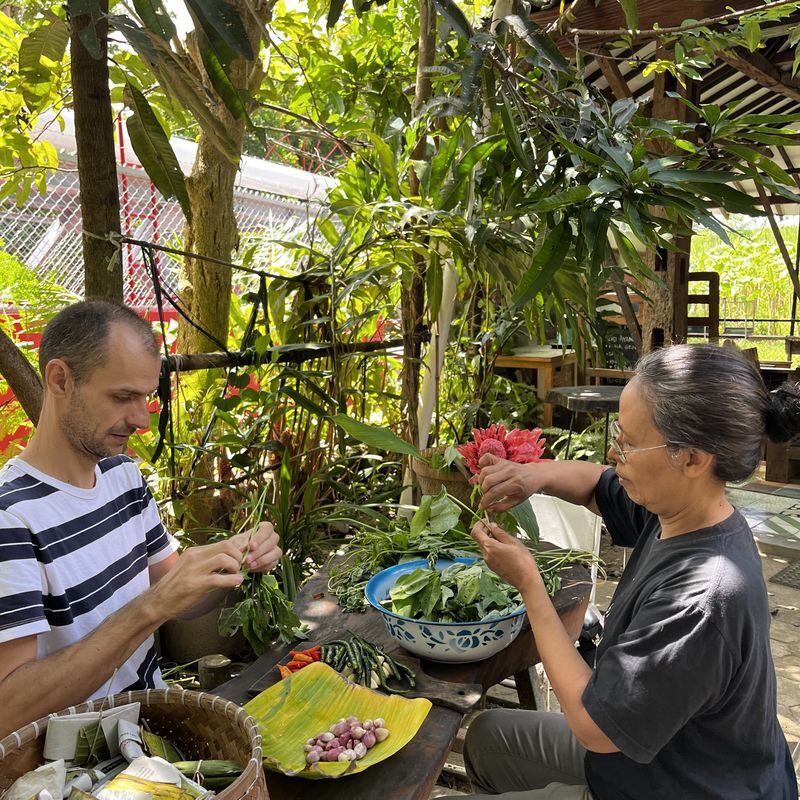
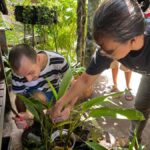
The class takes place at Pawon Bedhog, Endah’s Kitchen Lab and Cooking Class, at Jl. Kridha Mulya, Gonjen, Tamantirto. This is not a restaurant demonstration where you watch a chef do all the work. The plan is to handle local ingredients yourself, including rhizomes, spices, and fresh produce, and to harvest some of what goes into the meal.
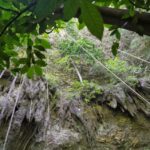
That small act of picking ingredients changes the way you approach the cooking. Instead of meeting a finished dish first, you get to consider what goes into it: the leaves, roots, and seasonings that form its base. If Endah’s garden has the right ingredients on the day, you may gather them yourself. The available harvest and menu can vary with the season.
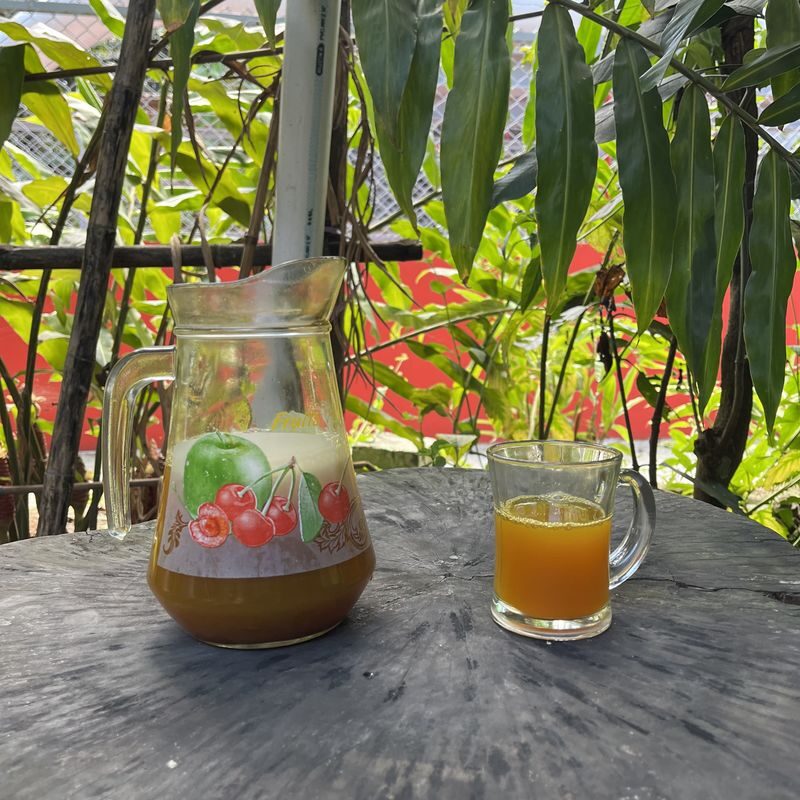
The opening drink is jamu, a traditional herbal refreshment. The welcome drink may be turmeric tamarind, tamarind sugar, or lemongrass tea. It’s a gentle start to a morning built around ingredients, rather than a formal sit-down lesson with a long lecture.
You can also read our reviews of more cooking classes in Yogyakarta
Cooking with Endah, at your own pace
Endah is the host most closely associated with the class. The tone is informal and home-based, with time to talk as well as cook. That makes this a good fit if you want a cultural exchange alongside the recipes, not just a list of steps to copy down.
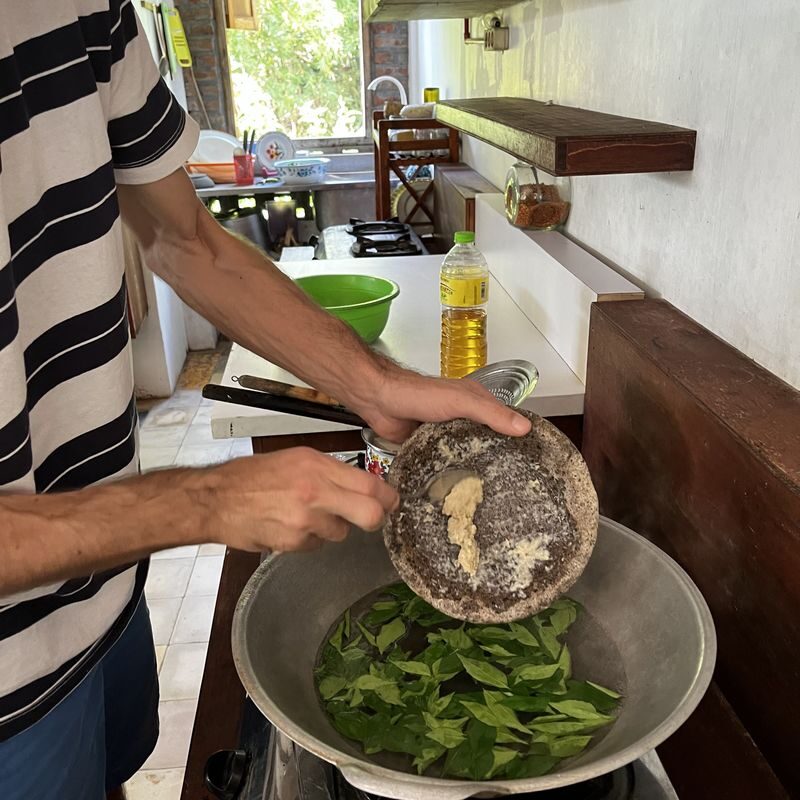
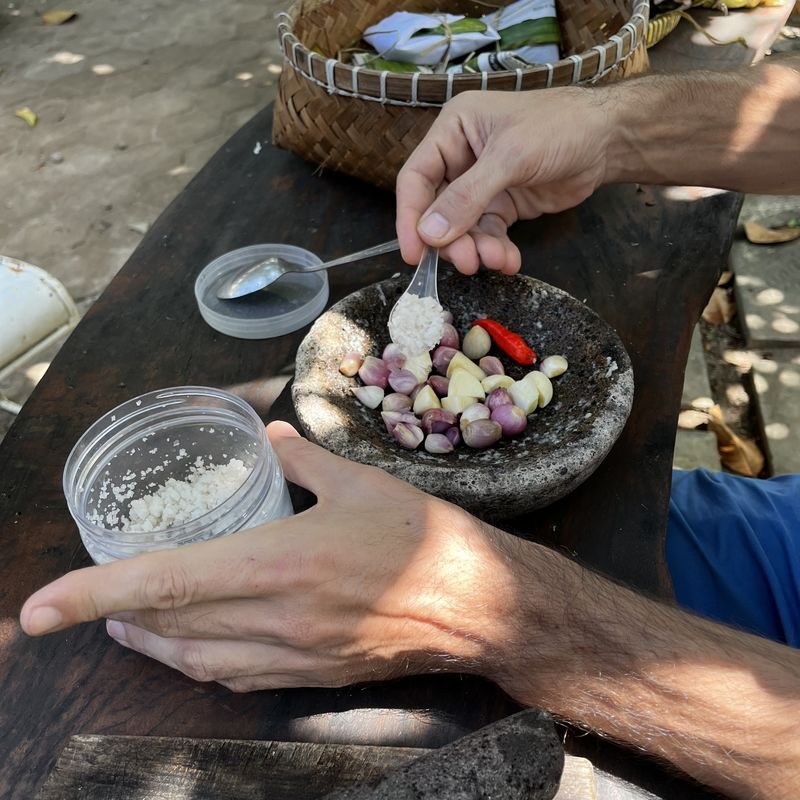
You do not need to arrive as a confident cook. The class is guided, and you can choose how much to take on. If you want to chop, stir, season, and help prepare several dishes, there is room to be hands-on. If you’d rather follow Endah’s lead, you can do that too. The point is to learn by doing, not to pass a cooking test.
The experience is offered in English and Bahasa Indonesia. It brings together people from different backgrounds around a shared task, which can make conversation feel natural: you’re working on food, comparing tastes, and learning about local customs as you go. Endah’s family may also be part of the welcome, giving the visit the feel of spending time in someone’s home rather than attending a staged class.
The setting has a few practical quirks. Cats and dogs have been part of the home environment, and pets are allowed. If you’re uncomfortable around animals, it’s worth keeping that in mind before booking. The class also takes place in a home kitchen, so expect a personal atmosphere rather than a polished commercial classroom.
Six dishes, with room for seasonal changes
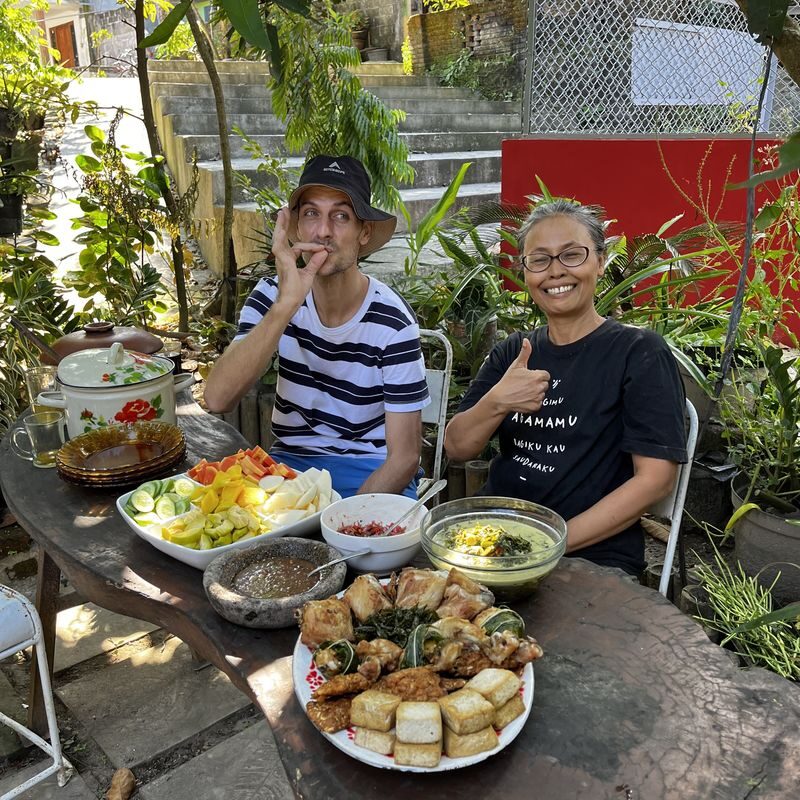
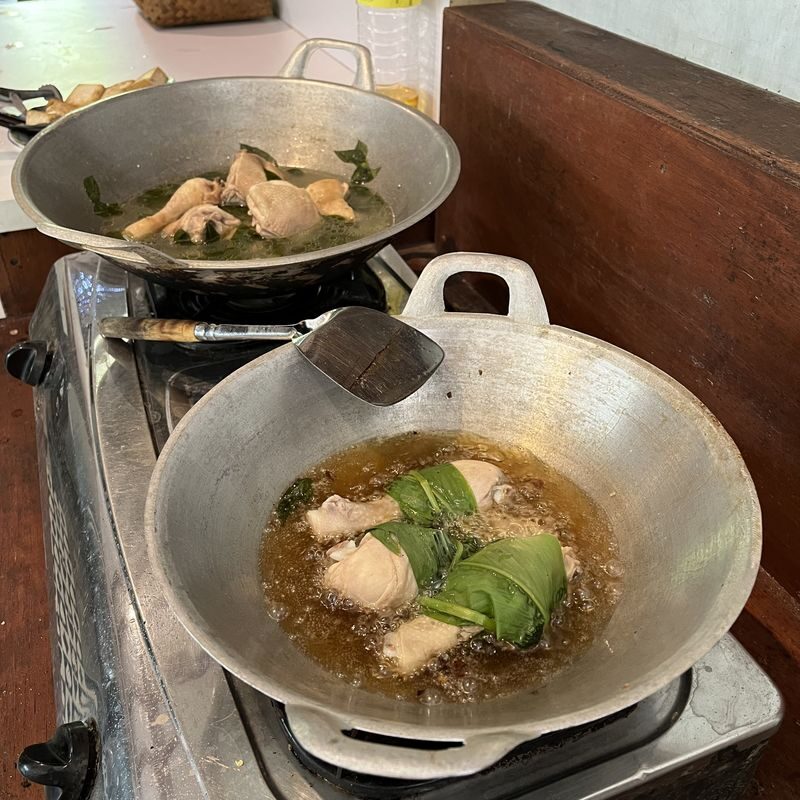
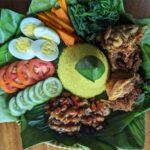
The listed meal covers a useful spread of Indonesian flavors and textures. You may prepare mixed vegetable salad with peanut sauce, fried chicken with curry leaves, fried or braised tofu, tempeh, Balinese lemongrass sambal, and local fruit salad. Together, they move from fresh and nutty to savory and spicy, with a sweet finish.
The exact menu may change depending on the season and what ingredients are available. The class also offers vegetarian and omnivore options, and the menu can be discussed in advance. If you have strong preferences, including a desire for less heat, ask about suitable choices before the cooking starts rather than assuming every dish can be adjusted.
There is evidence of other menu possibilities beyond the six dishes listed. Beef rawon, corn fritters, coconut milk, and krupuk have all featured in sessions. Treat those as examples, not promises: the menu is not fixed, and what you cook depends on the day and the available ingredients. That flexibility is part of the farm-to-table idea, but it also means you should book for the broader cooking experience rather than one specific recipe.
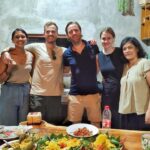
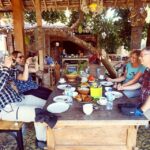
When the cooking is done, you sit down to eat what you have made. Lunch is included, along with refreshments and the welcome drink. The meal is a practical reward for the work, but it also gives you time to talk about the dishes and enjoy them together. There is often enough food to make the cooking feel like a proper shared meal, not a tiny tasting.
The five-hour morning, from 9 a.m. to 2 p.m.
The day is straightforward. Arrive at Pawon Bedhog by 8:45 a.m., 15 minutes before the 9 a.m. start. The activity runs at the same location, with the class and meal taking up the morning before you finish at 2 p.m.
Since hotel pickup and drop-off are not included, plan your own route to Jl. Kridha Mulya, Gonjen, Tamantirto. The meeting point is Pawon Bedhog, not a central city departure hub. Leave enough time to get there; late arrivals and no-shows are not refundable.
Five hours is a generous block for a cooking class. It allows time to meet the host, explore the ingredients, cook several dishes, and eat without rushing through each step. It also makes this a substantial half-day plan, so don’t schedule another activity that begins right at 2 p.m. unless you have allowed for the journey onward.
The class is listed for participants under 80, and children aged zero to three can join free. The information does not give more detail about child pricing or age-specific menus, so check those points if you are arranging a family booking.
Is the price worth it?
The listed price appears in two forms: a summary price from $48.89 and a cooking-class package from US$44.45. Prices can change, so check the total shown for your date before paying. The package includes the guide, lunch, refreshments, welcome drink, ingredients, and cooking equipment.
For the cost of a meal out, you get more than food: a guided session, time in a local home, ingredient preparation, and the chance to make a meal yourself. The value is strongest if you want to learn about Indonesian cooking and enjoy a social morning. If you’re only looking for a quick lunch, a five-hour class is likely more time than you need.
The meal list also makes the price easier to assess. You’re not paying for a single recipe demonstration; the session covers several dishes and ends with lunch. But the final menu is seasonal, so don’t book expecting a particular dish unless it has been confirmed for your date.
You can also read our reviews of more tours and experiences in Yogyakarta
Who will enjoy this class most?
I’d choose this class if you like learning through conversation and practical work. It suits curious eaters, home cooks, and families who want an activity that brings local food into the foreground. The warm, informal format can also suit beginners, since you’re guided and don’t have to do every step alone.
It’s a particularly good choice if you’re happy to share a table and spend a long morning in a home setting. The class is as much about meeting Endah and exchanging stories as it is about recipes. The garden harvest adds a memorable detail, but it depends on what is growing and available that day.
It may be less suitable if you want a quick, tightly timed lesson, need transport arranged, or have a fixed recipe in mind. The home environment, animals, and seasonal menu are all part of the character of the class, but they are worth weighing before you book.
Should you book Pawon Bedhog?
Book it if you want a hands-on introduction to Indonesian food with room for conversation, a shared meal, and the chance to pick some ingredients from the garden. Endah’s welcoming home setting and guided pace make the class approachable even if you’re new to cooking.
Skip it if you need hotel transfers, have only a short window in Yogyakarta, or would be disappointed by a menu that changes. For everyone else, it offers a useful and personal way to spend a morning: you’ll leave with a fuller sense of how local ingredients become a Javanese meal, and with recipes you can try to make again.
From Garden to Table: Indonesian Cooking Class in Yogyakarta
“Great experience with Mba Edna to make beef rawon almost completely from scratch including picking some ingredients growing in her yard. After cook…”
FAQ
How long does the cooking class last?
The class runs for five hours, from 9 a.m. to 2 p.m.
Where does the class meet?
Meet at Pawon Bedhog, Endah’s Kitchen Lab and Cooking Class, at Jl. Kridha Mulya, Gonjen, Tamantirto, Yogyakarta.
How early should I arrive?
Arrive 15 minutes before the 9 a.m. start, so by 8:45 a.m.
Is hotel pickup included?
No. Hotel pickup and drop-off are not included.
What food is included?
Lunch is included. The listed six-dish menu includes vegetable salad with peanut sauce, chicken with curry leaves, tofu, tempeh, Balinese lemongrass sambal, and local fruit salad. The menu may change with the season and ingredient availability.
Are vegetarian options available?
Yes. The class offers menu options for vegetarians and omnivores. The exact dishes can vary.
What languages does the guide speak?
The guide speaks English and Bahasa Indonesia.
Can I bring a pet?
Pets are allowed. Cats and dogs may also be present at the home.