Shanghai’s flavors make more sense when you get to cook them. This class puts Kung Pao chicken and shepherd’s purse wontons on the menu, with chef Tony Jiang demonstrating techniques before you take a turn at the stove.
I like two things here: you get a practical introduction to dishes with very different textures and flavors, and the small cooking teams give you a chance to do more than watch. Chef Tony’s listed credentials include restaurant and culinary-school roles, plus a 2025 Michelin Bib Gourmand Hong Kong distinction.
One consideration: the name says private class, but the scheduled group size is four to 20 people, with three or four people at each station. If you want a one-party lesson, confirm that before booking.
- Two Shanghai-friendly classics: Make Kung Pao chicken with peanuts and Sichuan peppercorns, plus shepherd’s purse wontons.
- Chef-led instruction: Tony Jiang gives a demonstration before your team cooks.
- Hands-on time: Teams of three or four share a station during the cooking portion.
- English-speaking support: English-speaking staff are included, and Josie has guided pickup and the class experience.
- Plan for the full evening: The schedule runs from a 4:30 pm meeting to a 7:15 pm return, despite the two-hour headline duration.
- Two dishes, two sides of Chinese home cooking
- Chef Tony’s demonstration comes first
- From Jing An Temple to the cooking station
- A practical look at the evening schedule
- What the price includes, and what it is worth
- Who will get the most from this class
- Small details worth sorting out before you go
- Should you book the Shanghai cooking class?
- FAQ
- Where does the cooking class meet?
- How long should I set aside?
- What dishes are on the planned menu?
- Is the class suitable for dietary requirements?
- How many people can join?
- What is the cancellation policy?
- The Best Of Shanghai!
- More Cooking Classes in Shanghai
- More Tours in Shanghai
- More Tour Reviews in Shanghai
- Not for you? Here's more nearby things to do in Shanghai we have reviewed
Two dishes, two sides of Chinese home cooking
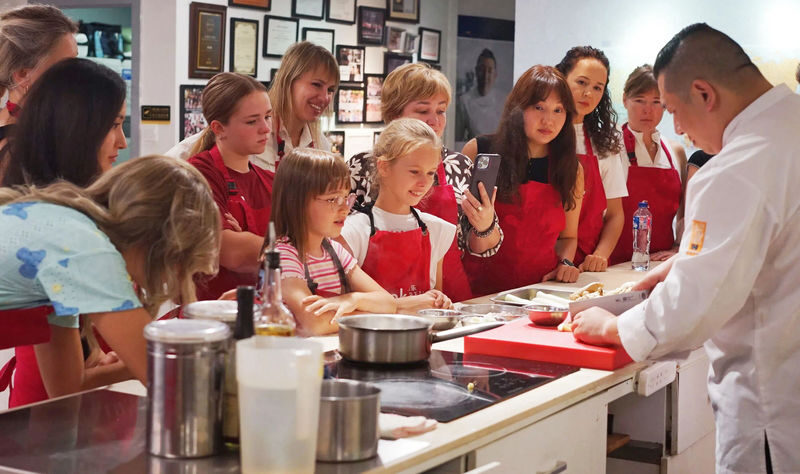
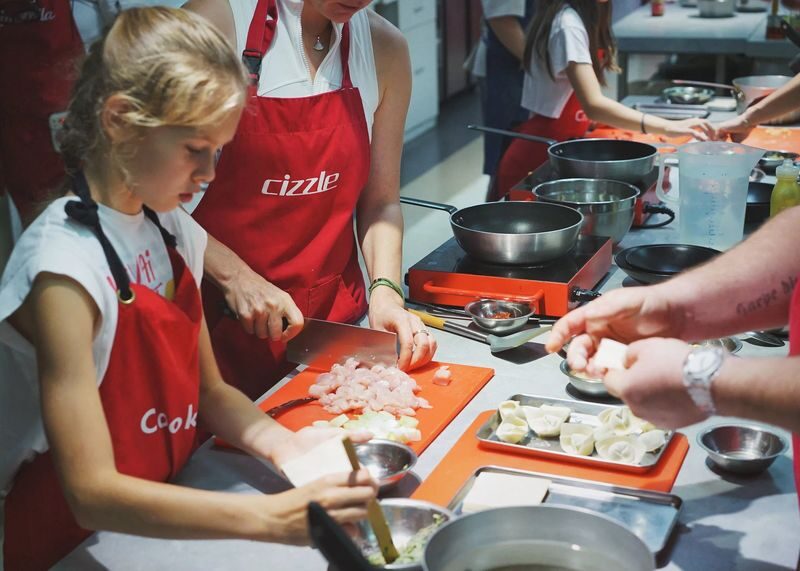
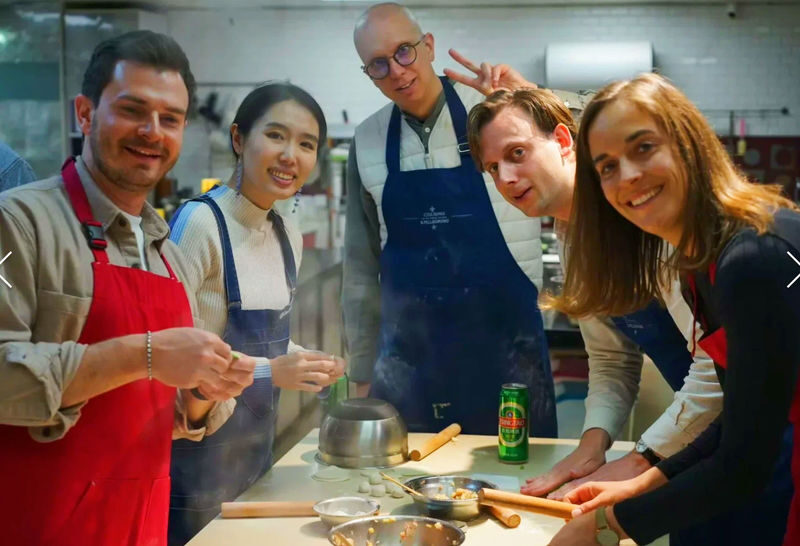
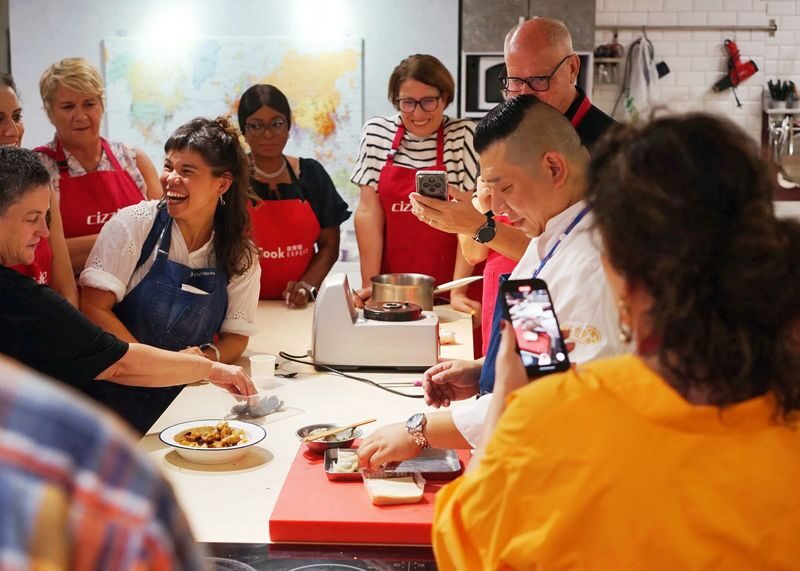
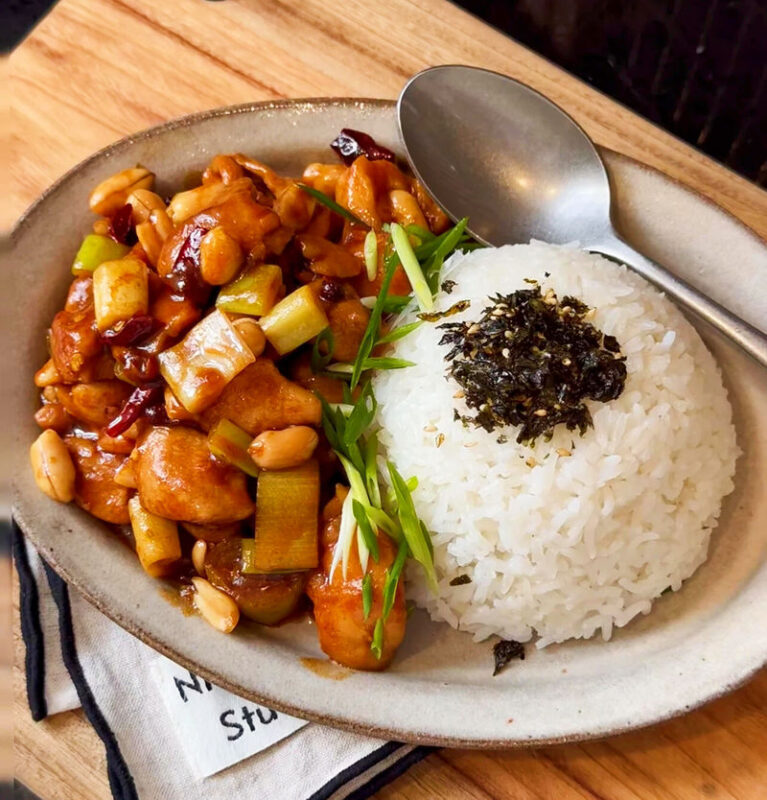
Kung Pao chicken is the bolder of the two dishes. Tender chicken is stir-fried with crunchy peanuts, vegetables, and Sichuan peppercorns, bringing together savory, nutty, and lively spice. It is a useful dish to learn because its appeal depends on balance: the heat should not drown out the other flavors, and the peanuts add a welcome crunch.
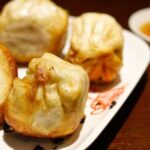
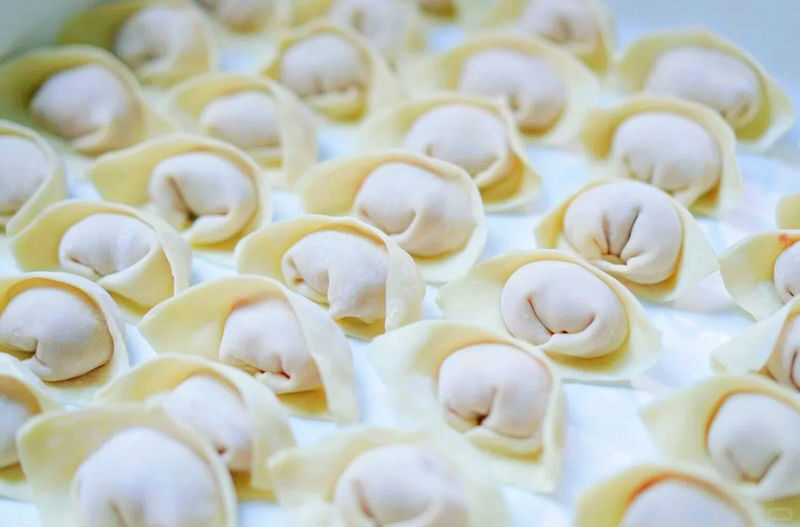
Shepherd’s purse wontons offer a gentler contrast. This leafy green, used in Chinese cooking, is paired with minced meat and seasonings in a tender wrapper. The supplied menu description allows for the wontons to be steamed or boiled; a class attendee also described making wonton soup, so the exact preparation may vary.
That contrast makes the class more interesting than a lesson built around two similar dishes. One gives you an introduction to a famous Sichuan-style flavor profile; the other shows how greens and a delicate filling can make a comforting wonton. The menu can change with the season and ingredient availability, so treat these dishes as the planned focus rather than a guarantee.

👉 See our pick of the 25 Best Guided Tours In Shanghai
Chef Tony’s demonstration comes first
Chef Tony Jiang is the central draw. His listed roles include founder and director of Chinese Famous Media Chef, a restaurant association role, principal director of Zwilling Gourmet School, and vice president of Disciples Escoffier China. His listed awards and distinctions include the 2025 Michelin Bib Gourmand Hong Kong, an Outstanding Chef of the Year award in 2021, and culinary honors from 2015 and 2017.
That résumé suggests a class led by someone with professional kitchen and teaching experience, not simply a casual cooking host. The schedule gives Tony a demonstration slot at 5:30 pm, after the introduction. Pay attention to the order of steps and how he handles ingredients: those are the details that are hard to pick up from a recipe alone.
You should not assume every minute will be a private lesson with the chef at your elbow. The group can include up to 20 people, and the cooking takes place in teams of three or four per station. You will get a shared demonstration, then a practical turn preparing the food with your group.
You can also read our reviews of more cooking classes in Shanghai


From Jing An Temple to the cooking station
The meeting point is at Jing An Temple Metro Station, Line 2, Exit 1, at Jing An Zhonghua Building. The schedule lists a 4:30 pm departure and a 4:45 pm gathering and introduction. That short interval is a good reason to arrive early and check the exact meeting point before setting off. Late arrivals and no-shows are not refundable.
Josie has been named as the pickup guide and as someone who helps guide the group through the experience. English-speaking staff are included, which should make the introduction and instructions easier to follow if you do not speak Chinese. Still, be ready to listen closely during the cooking demonstration, especially if you want to remember the sequence of steps.
The location near Jing An Temple Metro Station makes this a straightforward evening activity to fit into a Shanghai stay. The return is scheduled for 7:15 pm at the same station exit. Allow time for the full 4:30 to 7:15 window, not just the advertised two-hour duration: the workshop itself is listed as two hours and 15 minutes, with gathering and return time around it.
A practical look at the evening schedule
At 4:45 pm, the class begins with a gathering and introduction. This is when you can get oriented, meet the group, and raise dietary requirements. If you have an allergy or follow a vegetarian, vegan, Halal, lactose-intolerant, or gluten-intolerant diet, those needs can be accommodated, but tell the operator in advance rather than waiting until you arrive.
The chef’s demonstration starts at 5:30 pm. This is the part to watch carefully, even if you are eager to start cooking. For dishes like Kung Pao chicken, timing and the order of ingredients affect the final balance. With wontons, the filling and handling matter. The supplied details do not promise a printed recipe or a specific take-home resource, so ask the staff if you want to record the steps.
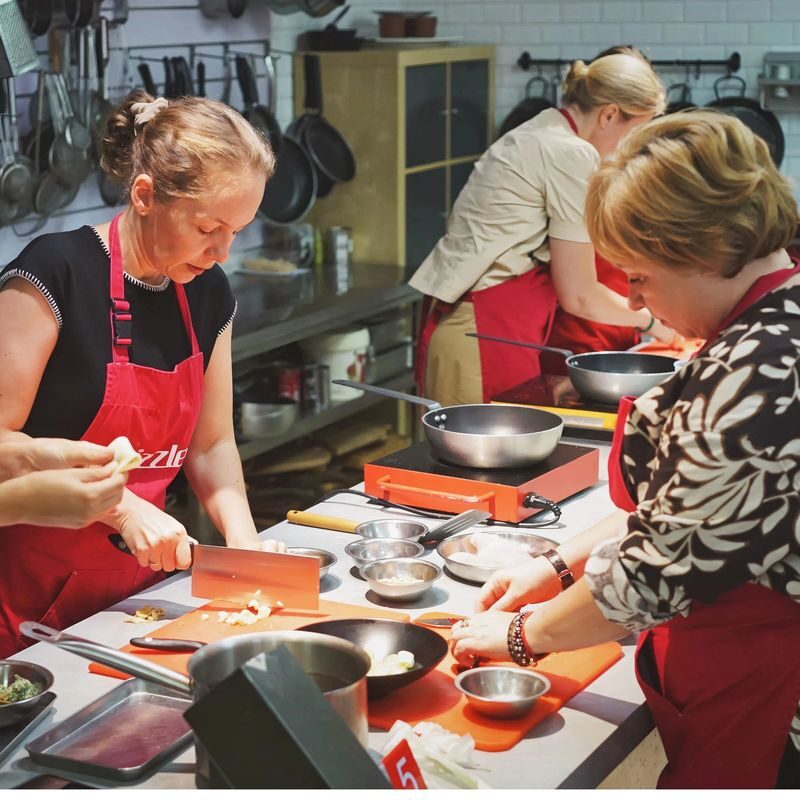
At 6:30 pm, teams of three or four prepare the dishes at each station. That setup brings a useful balance: you get to participate without needing to manage an entire kitchen alone. It also means you may share tasks and equipment, so the amount of individual hands-on time can depend on your team.
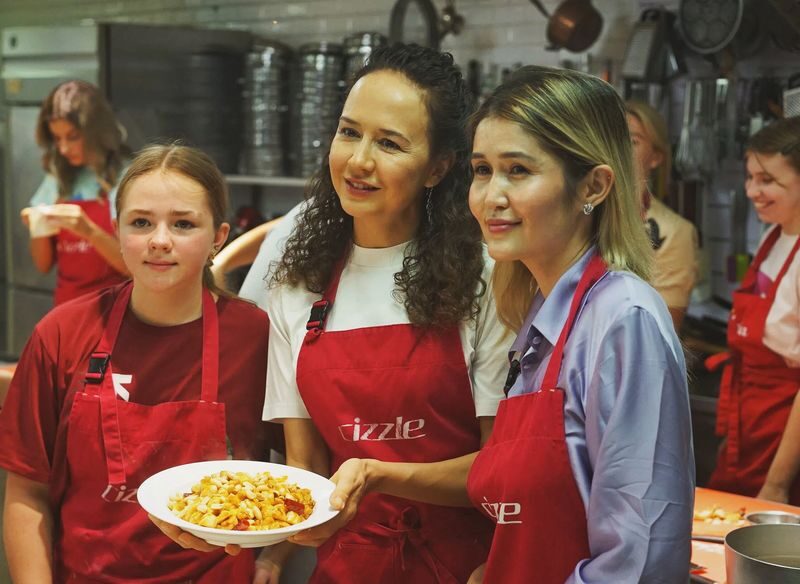
The schedule sets aside time at 7:00 pm for food appreciation and photos. You can sit down to enjoy what you have made and take pictures before the 7:15 pm return. Meals and beverages are included, so the meal is part of the experience rather than an extra restaurant stop you need to arrange.
What the price includes, and what it is worth
At a starting price of US$67.45, this is best judged as a short cooking lesson with a meal, rather than as a low-cost dinner. The price includes admission, English-speaking staff, food, and beverages. You are also paying for a chef-led demonstration and the chance to cook two dishes in a small team.
That can be good value if you want a structured activity and enjoy learning by doing. The class combines instruction, food, and a social evening in one booking. It may be less appealing if your main aim is to eat a large meal, spend hours cooking, or receive a one-to-one lesson. The group size and two-hour-plus schedule are important parts of the value calculation.
The starting price may change with the selected date or package details, so check the final amount before paying. Tips and personal expenses are not included. There is no need to bring outside food or drinks, and outside food and drinks are not allowed at the activity.
Who will get the most from this class
I would put this class high on the list for first-time visitors who want a hands-on introduction to Chinese cooking without committing to a full-day activity. It also suits food-minded couples, friends, and families with children aged five or older, who pay the adult rate. Children aged four and under are free, though the activity is not recommended for infants.
The class is particularly useful if you are curious about the difference between a bold stir-fry and a more delicate wonton dish. You get a taste of the ingredients and methods, plus a meal at the end. If your interest is mainly in Sichuan food, the Kung Pao chicken will be the draw. If you want a softer, more homestyle dish, the wontons offer a counterpoint.
Think twice if you need a quiet, one-on-one class, dislike shared workstations, or have a serious medical condition. The activity is not recommended for epilepsy or other serious medical conditions. The operator may refuse service to anyone who appears intoxicated, without a refund.
You can also read our reviews of more tours and experiences in Shanghai


Small details worth sorting out before you go
The class requires at least four participants. If the minimum is not met, it will be cancelled and you will receive a refund. The stated maximum is 20, so this is a group experience rather than a guaranteed private booking, even though the activity is described as a private cooking class.
The voucher is valid only for the specified date and time, and can be used to enter directly. Confirmation is expected within 24 hours; if it does not arrive, contact customer support. Cancellations made at least 24 hours before the activity date qualify for a full refund. Late arrivals and no-shows do not, so give yourself a buffer for getting to the Jing An Temple exit.
Leave pets, alcohol, cigarettes and e-cigarettes, drones, weapons, glass containers, sharp objects, and other prohibited items at home. Those rules are extensive, but they are easy to follow: arrive on time, bring only what you need, and let the staff know about dietary needs beforehand.
Should you book the Shanghai cooking class?
Book it if you want a compact, sociable introduction to Chinese cooking, value a chef-led demonstration, and are happy to share a station. The combination of Kung Pao chicken and shepherd’s purse wontons gives the class useful variety, while the included meal and English-speaking support make the evening easy to plan.
Skip it if you want a fully private lesson, need guaranteed one-to-one instruction, or have only two hours free from arrival to departure. The real schedule is closer to 2 hours and 45 minutes from the 4:30 pm meeting to the 7:15 pm return. For the right food-curious visitor, that is a good evening spent learning a couple of dishes you can recognize long after the meal is over.
Authentic China Tastes: Cooking Class with Michelin Chef
“What a fantastic experience! Our group truly enjoyed the Authentic China Taste Cooking Class with Michelin Chef Tony. We learned how to cook Kung P…”
FAQ
Where does the cooking class meet?
Meet at Jing An Temple Metro Station, Line 2, Exit 1, at Jing An Zhonghua Building.
How long should I set aside?
The listed activity duration is two hours, while the schedule runs from a 4:30 pm meeting to a 7:15 pm return. The workshop itself is scheduled for two hours and 15 minutes.
What dishes are on the planned menu?
The planned dishes are Kung Pao chicken and shepherd’s purse wontons. The menu may change depending on the season and ingredient availability.
Is the class suitable for dietary requirements?
The activity can accommodate Halal-certified, lactose-intolerant, allergy, gluten-intolerant, vegetarian, and vegan requirements. Share your needs with the operator before the class.
How many people can join?
The group size is four to 20 participants. During the cooking portion, teams of three or four share each station.
What is the cancellation policy?
A full refund is available if you cancel at least 24 hours before the activity date, using destination local time. Late arrivals and no-shows are not refundable.