Prince Gong’s Mansion and Yonghe Temple tell two very different stories of Qing China: one through a prince’s grand residence and garden, the other through imperial Buddhist worship. I like that this tour pairs them in one day, and that guides explain the art and history rather than leaving you to puzzle out each courtyard alone.
I also like the contrast between the mansion’s formal halls and garden paths and Yonghe Temple’s active, solemn atmosphere. One thing to weigh: lunch costs extra, and the day’s timing can shift with Beijing traffic, so this is a full, structured outing rather than an easygoing day at either site.
- Key points before you book
- Two Qing-era landmarks, two very different moods
- Starting at Prince Gong’s Mansion
- Lunch and the move across Beijing
- Entering Yonghe Temple
- What the price covers, and what it does not
- Practical details that can shape your day
- Who should book this heritage day
- FAQ
- What time and where does the tour start?
- What is included in the tour price?
- Is lunch included?
- What language is the guide service in?
- How large can the group be?
- Where does the tour finish?
- The Best Of Beijing!
- More Historical Tours in Beijing
- More Tours in Beijing
- More Tour Reviews in Beijing
- Not for you? Here's more nearby things to do in Beijing we have reviewed
Key points before you book
 1 / 8
 2 / 8
 3 / 8
 4 / 8
 5 / 8
 6 / 8
 7 / 8
 8 / 8
- The mansion covers about 60,000 square meters, with formal residences and a garden that blends northern building styles with Jiangnan garden design.
- Yonghe Temple has imperial roots: it began as the residence of Prince Yong, later Emperor Yongzheng, and was also the childhood home of Emperor Qianlong.
- The group can range from 1 to 40 people, with an air-conditioned bus and one seat for each person, including children.
- Admission to both sites and Mandarin guide service are included. Meals, personal expenses, and travel accident insurance are not.
- The tour starts at 08:20 near Beihai North subway station and is scheduled to finish around 17:30 near Yonghe Temple.
- Feng Xue and Ling Ling are names associated with detailed explanations at the two sites, including guidance on how to pray at Yonghe Temple.
👉 See our pick of the 25 Best Shopping Tours In Beijing
Two Qing-era landmarks, two very different moods
This day tour links Prince Gong’s Mansion, a grand residential compound, with Yonghe Temple, a former imperial residence turned Buddhist temple. Together, they make a useful introduction to Qing history: one site shows courtly life and garden design, while the other connects the imperial family with Tibetan Buddhism.
The format is practical if you want both landmarks without planning separate transport and admission. A Mandarin-speaking guide leads the visits, and the listed package includes tickets to each site and an air-conditioned tour bus. The trade-off is pace: each stop gets a defined window, and traffic or queues can change the schedule.
The group may include anywhere from one to 40 people. That flexibility may suit a solo visitor who wants a guided day, but a full group will feel less intimate than a private tour. The tour is not described as an English-language service, so check the language arrangement before booking if you need explanations in English.
You can also read our reviews of more historical tours in Beijing

Starting at Prince Gong’s Mansion
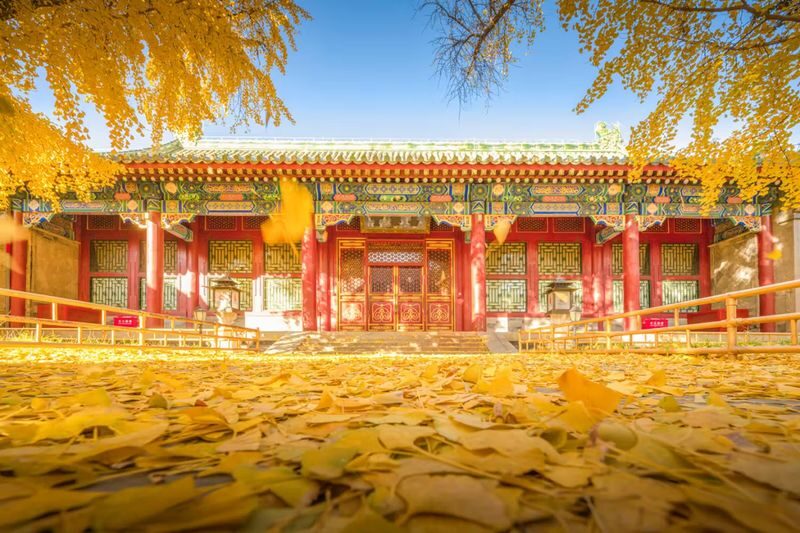
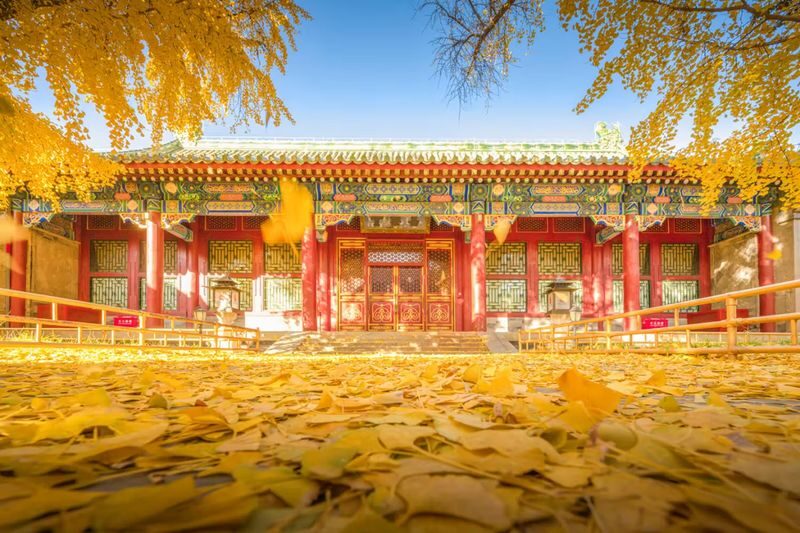
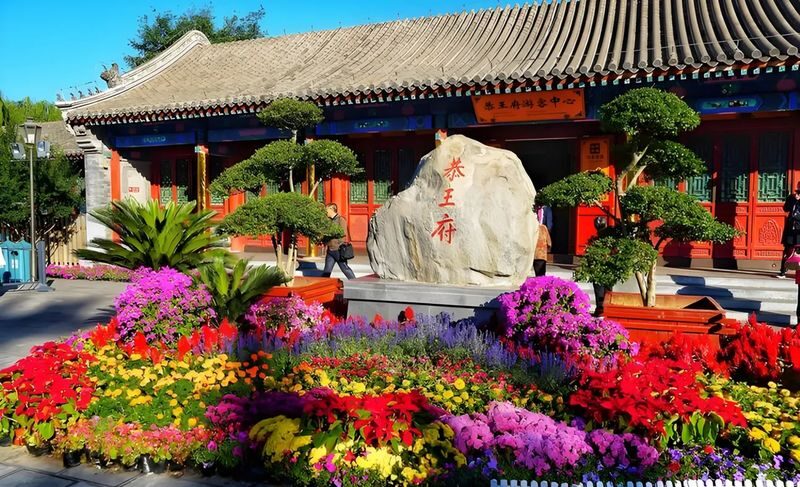
Meet at Exit B of Beihai North subway station at 08:20, arriving 15 minutes early. The morning visit is scheduled to start at 08:30. The mansion was built in 1776 as the residence of Heshen, a powerful Qing official, and later became the home of Prince Gong Yixin. Its shifting ownership gives the buildings a close connection to the rise and decline of the dynasty.
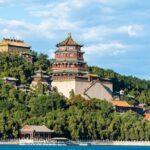
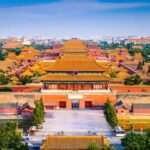
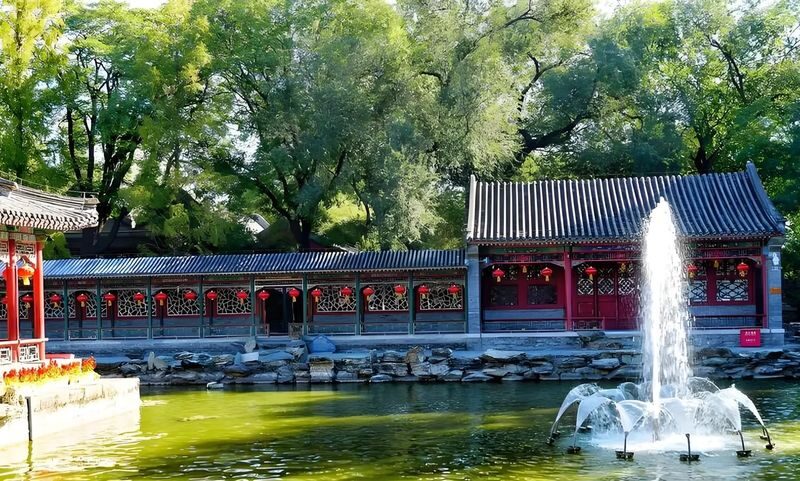
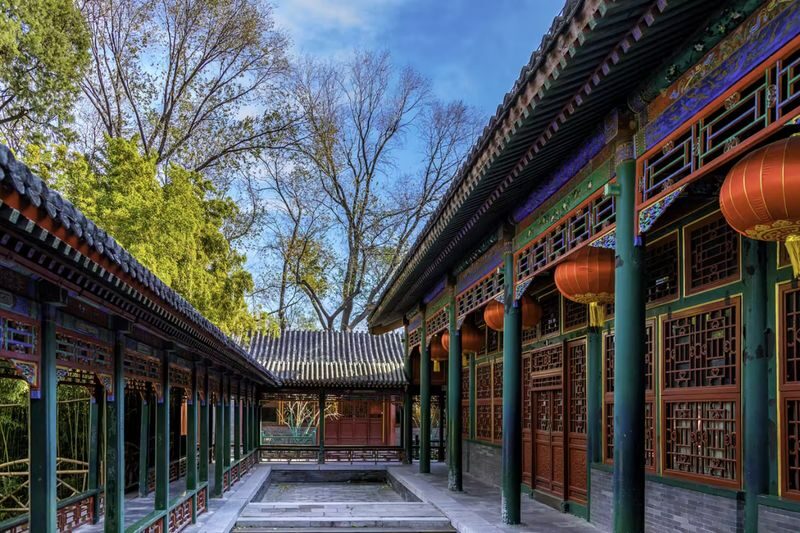
The complex covers roughly 60,000 square meters and is divided into a residence and a garden. The residence is laid out in an orderly, formal way, while the garden is more varied and intimate. Its design draws on both northern architecture and the garden traditions of Jiangnan, the region south of the Yangtze associated with carefully composed gardens.
I like this pairing because it makes the site easier to read. The halls and courtyards point to rank and daily life within an elite household; the garden offers a different kind of pleasure, built around changing views and crafted details. You can appreciate the design on your own, but a guide can help connect those spaces to the people who lived here.
The mansion is often linked to the saying that one Prince Gong’s Mansion represents half the history of the Qing Dynasty. Take that as a dramatic summary, not a literal claim. The more useful point is that one compound passed through several chapters of court life and remains one of Beijing’s best-preserved princely residences.
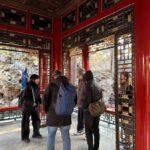
The tour’s mansion stop is guided, which matters if you want more than a walk through handsome buildings. A previous group singled out the explanations of guides Feng Xue and Ling Ling, including a detailed account of how to pray at Yonghe Temple. Guide assignments can vary, but the tour’s emphasis is on explaining the sites rather than simply delivering you to the gates.
Lunch and the move across Beijing
Lunch is scheduled for 11:30 and is not included in the standard price. You can pay for your own meal, or choose the listed group meal option for ¥30 per person, payable to the guide. The meal is served at tables of ten, with eight dishes and one soup. If the group has fewer than ten people that day, the meal fee is to be refunded.
That arrangement makes the food decision simple, though it is not especially flexible if you prefer to choose your own dish or eat at your own pace. If you have dietary needs, ask about the meal before paying; no specific dietary options are described.
The transfer between sites deserves a little attention. The tour includes local licensed bus transport, but its practical notes also say vehicle arrangement is included for the midday portion of the day only. One participant was confused about the transfer from the mansion to the temple, so confirm exactly how the day’s transport works before departure. Do not assume you can leave luggage on the bus all day: the tour notes say to arrange luggage in advance and refer to only one midday vehicle arrangement.
Beijing traffic can also stretch the day. The stated itinerary is a guide, not a promise of exact arrival times. The guide may change the order of visits to account for weather, traffic, holidays, queues, or site controls, while keeping both attractions in the schedule.
Entering Yonghe Temple
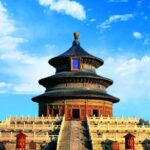
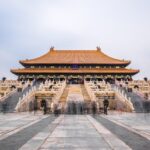
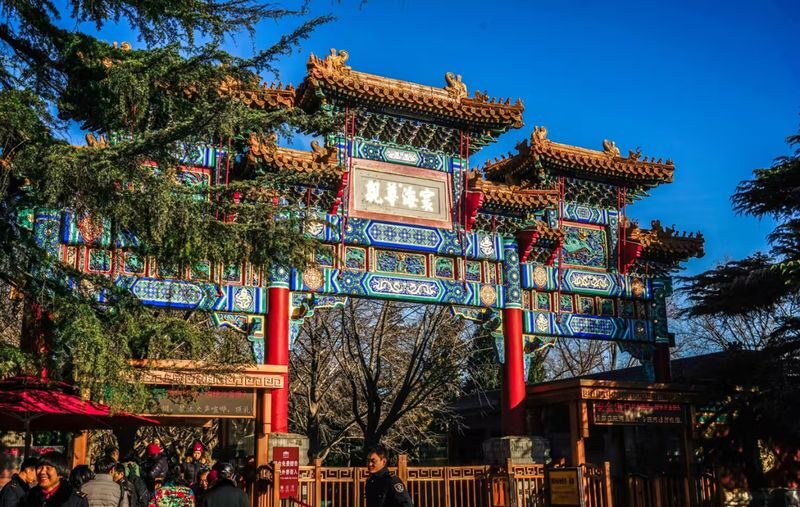
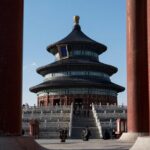
The afternoon stop is Yonghe Temple, also called the Lama Temple. It began as the residence of Prince Yong, later Emperor Yongzheng, and was the birthplace and childhood home of Emperor Qianlong. Its role changed over time, and by the middle and late Qing period it had become the country’s highest-level Buddhist temple.
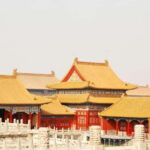
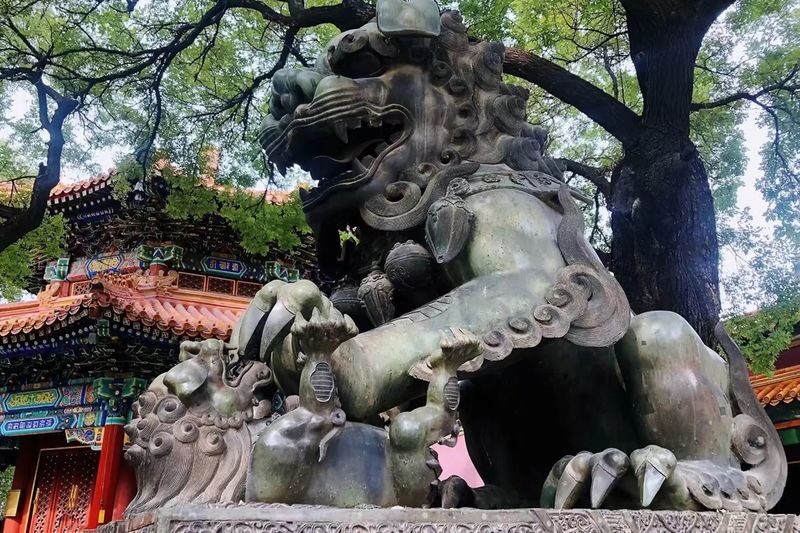
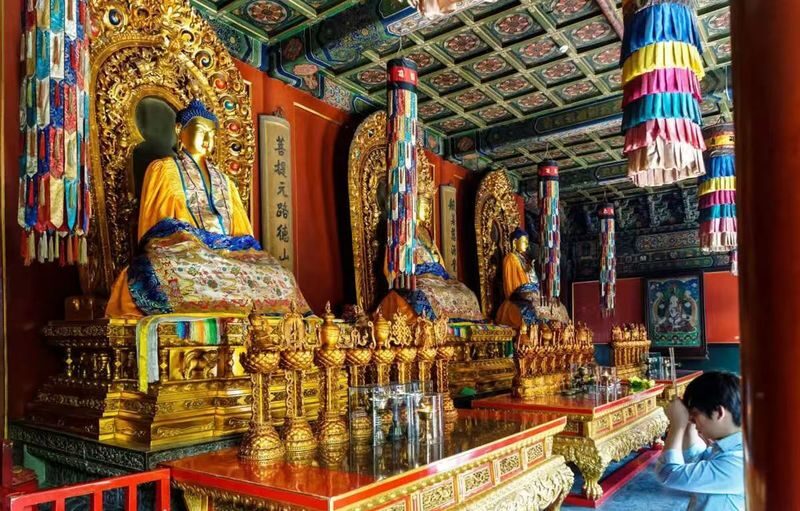
That combination of palace history and religious life gives the temple a distinct character. You are not looking at a former royal residence alone: the complex is also a place of Buddhist worship, with Buddha statues, murals, and ornate architecture. A guide can help explain the religious context and the visual details, which may otherwise blend together as you pass through the halls.
Yonghe Temple was named a national key cultural relic protection unit in 1961. It is also a national 4A-level scenic area. Those designations are useful context, but the experience is more immediate: the shift from the mansion’s garden setting to the temple’s solemn halls is the day’s strongest contrast.
The temple visit is guided, and the schedule places it after lunch, with the tour ending around 17:30. One particularly useful detail from the guide experience is practical rather than architectural: Ling Ling was noted for explaining how to pray at the temple. If you are unsure how to behave in a religious setting, a clear explanation can help you take part respectfully without guessing.
The main drawback is limited time. You will be seeing a large and important complex after already spending the morning at another major site. If you want to linger over every statue or explore Yonghe Temple at your own pace, a separate visit may suit you better. At the end of this tour, you are dismissed near the temple, so you can continue exploring independently if time and energy allow.
What the price covers, and what it does not
The stated tour price starts at $56.85, while a Premium Bus Tour option is also shown from US$49.45. Since those figures differ, check the final price and selected package before booking. The core value is straightforward: the package includes admission to both Prince Gong’s Mansion and Yonghe Temple, an air-conditioned local tour bus, and a Mandarin-speaking guide for the guided portions.
That can be good value if you want both sites in one day and would otherwise need to arrange tickets and transport yourself. The value depends on the guide language being right for you and on your comfort with a group schedule. A guided Mandarin tour will not provide the same benefit to someone who cannot follow Mandarin explanations.
Meals and personal expenses are extra, and travel accident insurance is not included. The optional ¥30 group lunch can reduce the need to find a meal independently, but it is not part of the base package. Also account for any added costs for children: children 1.2 meters and taller are charged at the adult rate, and all children must occupy a seat. Children under 1.2 meters are defined as children, but the tour notes still require a seat and say there is no free policy for riding in the vehicle.
You can also read our reviews of more tours and experiences in Beijing




Practical details that can shape your day
The meeting point is Exit B of Beihai North subway station. Be there 15 minutes before the scheduled departure, and keep your phone reachable if you have arranged pickup. Pickup must be requested with an exact location, name, and phone number, and the provider says it will confirm arrangements by 22:00 the day before. Requests after 21:00 the day before may require you to make your own way to the boarding point.
Pickup is not guaranteed to mean a private car. The service notes say it does not promise exclusive vehicle use, and you may need to wait for other people. For larger bags, two pieces are counted as larger luggage, so sort out baggage before the day rather than expecting to keep it with you throughout the visits.
The end point is near Yonghe Temple, with dismissal around 17:30. The schedule may change because of traffic, weather, holidays, queues, or other site conditions. If you have a timed evening plan, leave room for delay rather than treating the return time as exact.
The tour requires passport, Mainland Travel Permit, or identity-card information after booking, including a photo of the first page or relevant document. Confirmation is expected within 24 hours. The voucher is valid only for the specified date and time. Cancellation at least 24 hours before the activity date, in local time, qualifies for a full refund.
Who should book this heritage day
I would choose this tour if you want a guided overview of two major Qing-era sites and value having admission and group transport handled together. It is especially appealing if the contrast matters to you: a princely mansion and garden in the morning, then a major Buddhist temple with imperial ties in the afternoon.
It is less suited to anyone who wants to spend half a day at each site, needs a flexible lunch plan, or expects an English-speaking guide without first confirming that option. The group can be large, and the times are subject to Beijing traffic. If those limits are acceptable, the pairing makes a full day feel purposeful rather than repetitive.
Beijing Prince Gong’s Mansion and Yonghe Temple Full-Day Heritage Tour
“The tour guide was very professional in their explanations and provided excellent service when issues arose.”
FAQ
What time and where does the tour start?
The scheduled departure is 08:20 from Exit B of Beihai North subway station. Arrive 15 minutes early. The exact meeting time is subject to the guide’s notice.
What is included in the tour price?
The package includes admission to Prince Gong’s Mansion and Yonghe Temple, local air-conditioned group transport, and Mandarin-speaking guide service during the guided visits. Meals, personal expenses, and travel accident insurance are not included.
Is lunch included?
No. You can buy lunch yourself or choose the optional group meal for ¥30 per person, payable to the guide. It is served at tables of ten with eight dishes and one soup.
What language is the guide service in?
The included guide service is in Mandarin. The tour information does not specify another language, so confirm before booking if you need a different language.
How large can the group be?
The group size ranges from one to 40 participants. The vehicle is arranged according to group size, with one seat per person.
Where does the tour finish?
The scheduled finish is around 17:30 near Yonghe Temple. You are dismissed near the scenic area and can explore independently after the guided tour.