Mooncakes are more than a sweet treat here. At this five-hour home cooking session in Beijing’s Tongzhou District, Ms. Rabbit shows you how to make traditional mixed-nut mooncakes from scratch, using natural ingredients grown by her parents. You’ll hear how these autumn pastries became part of Mid-Autumn Festival, and leave with some of your own handiwork.
I especially like two things: you make the pastries through the whole process, and the home setting opens a window onto ordinary Chinese life, including differences between northern and southern habits. The main consideration is location. Tongzhou is east of central Beijing, so set aside time for the trip and check the exact meeting point after booking.
- At a glance
- Making mooncakes the old-fashioned way
- Tea, conversation, and a home visit
- Getting to Tongzhou and planning your day
- What the price includes, and what it is worth
- Who will enjoy this class most
- Bringing home more than pastries
- Should you book the Follow the Rabbit Cooking Experience?
- FAQ
- How long does the mooncake workshop last?
- Where does the experience take place?
- How do I get to the host’s home?
- What will I make?
- Are refreshments included?
- Can I tell the host about allergies or dietary restrictions?
- Can children join?
- What is the cancellation policy?
- The Best Of Beijing!
- More Cooking Classes in Beijing
- More Tours in Beijing
- More Tour Reviews in Beijing
- Not for you? Here's more nearby things to do in Beijing we have reviewed
At a glance
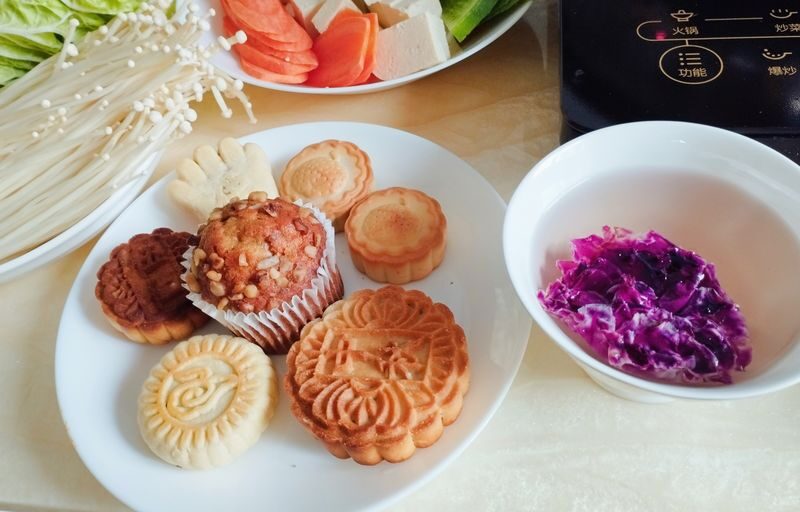
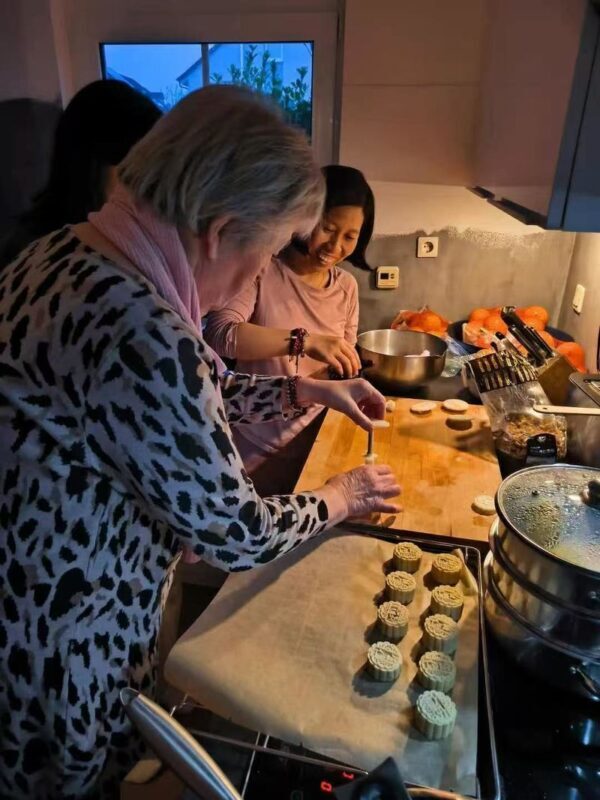
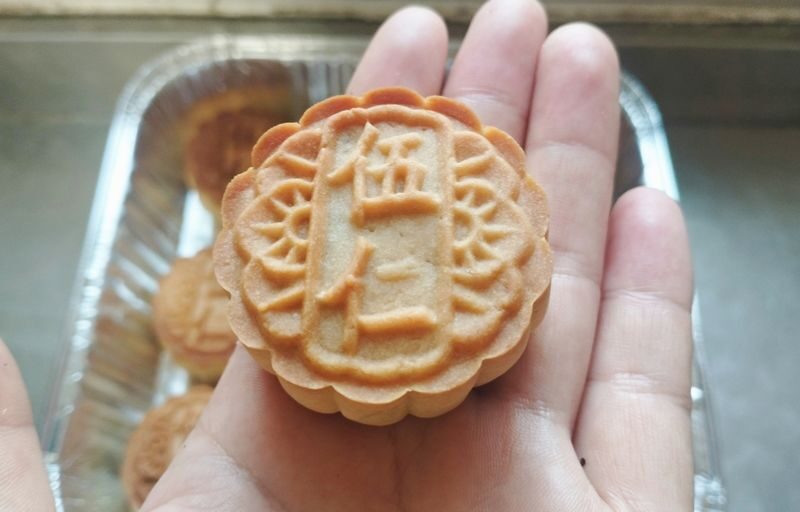
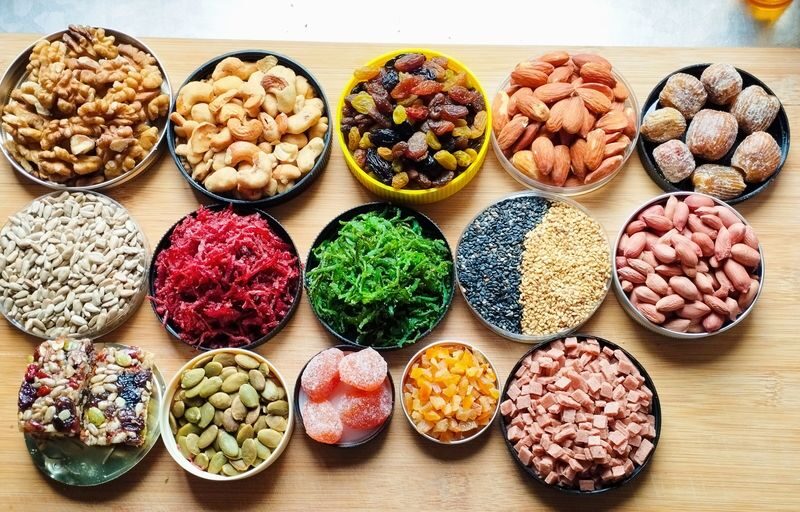
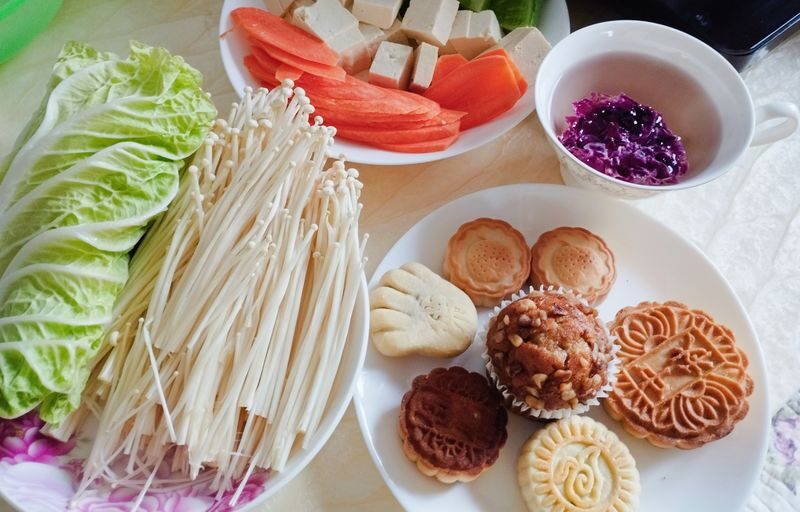
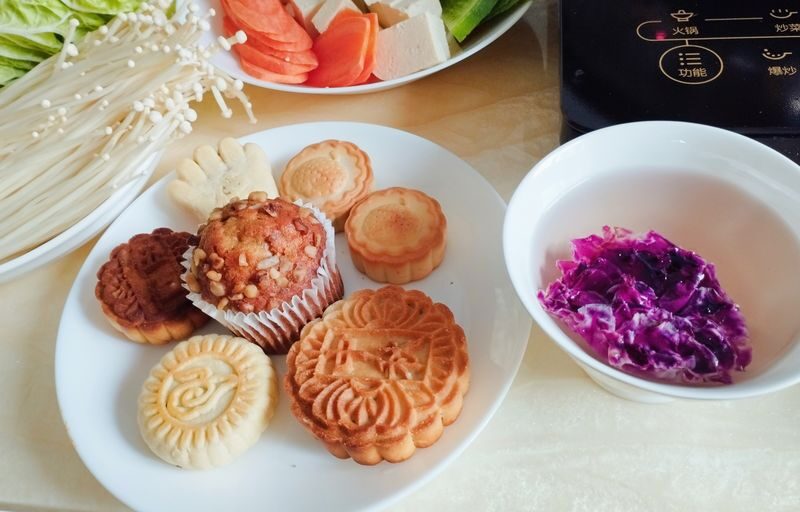
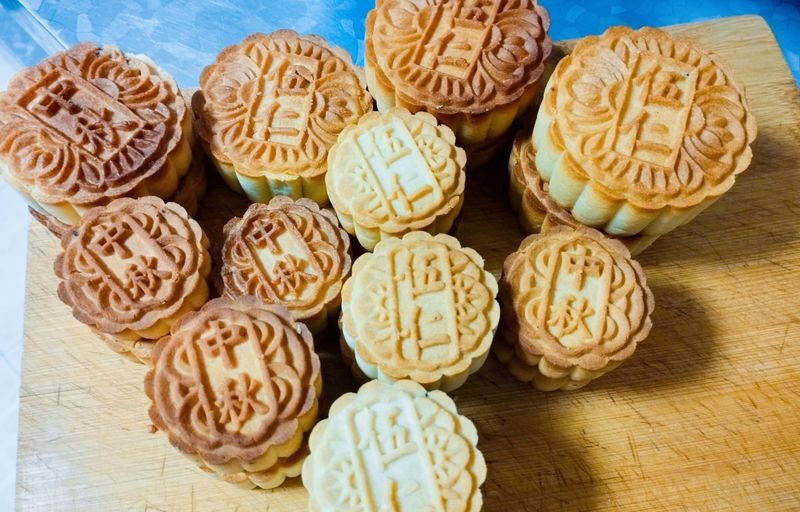
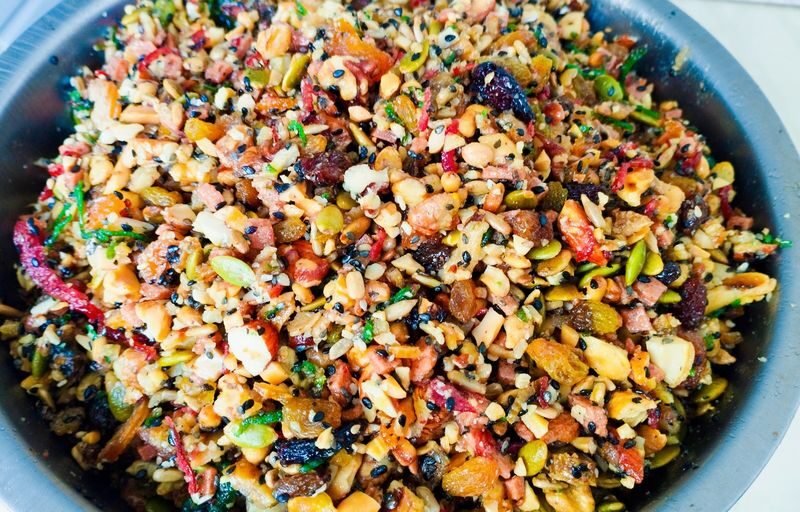
- Hands-on from start to finish: Choose fillings, mix and proof dough, then wrap and shape the mooncakes.
- Seasonal, home-grown ingredients: The mixed-nut filling may use peanuts, sesame seeds, walnuts, pumpkin, and natural honey.
- Tea is part of the afternoon: Red, white, and green Chinese teas come with refreshments.
- A home visit, not a restaurant class: You can see the host’s living environment and talk about daily life in northern and southern China.
- Small take-home rewards: Bring home pastries you made, plus a Beijing-style Xiangshan maple-leaf bookmark.
👉 See our pick of the 25 Best Shopping Tours In Beijing
Making mooncakes the old-fashioned way
This is a cooking experience with a cultural thread, not just a quick pastry demonstration. Mixed-nut mooncakes are associated with the Mid-Autumn Festival, a time when families gather and share food while enjoying the autumn moon. Their sweet filling represents reunion and a good harvest, with seasonal ingredients brought together in one pastry.
That context gives the baking a purpose. You are not simply assembling a snack; you are learning why a particular food appears at a particular time of year, and what it means to the people who eat it. Ms. Rabbit also talks about how food customs have changed. Mooncakes and dumplings were once special-occasion foods for many families, but improved living conditions mean people can now enjoy them whenever they like.
The pastry itself is a traditional mixed-nut style, with a vegetarian filling made from natural ingredients grown by Ms. Rabbit’s parents. Peanuts, sesame seeds, walnuts, pumpkin, and honey are listed among the ingredients. Exact contents can vary with the season and what is available, so tell the host about allergies or dietary needs in advance.
You take part in the full process, rather than watching someone else do the work. That means selecting fillings, mixing and proofing the dough, and wrapping and shaping each mooncake. A recent session was described as carefully guided, with patient help that made it easier to form attractive pastries. That kind of hands-on support matters if you have never worked with pastry dough before.
You can also read our reviews of more cooking classes in Beijing


Tea, conversation, and a home visit
The setting is part of the appeal. The host invites you into her home, where you can see an everyday living environment and hear about habits and lifestyles in northern and southern China. It is a different kind of cultural experience from visiting a landmark: the focus is on food, family routines, and how people live.
You will also have time to chat while you work. The session includes traditional red, white, and green tea with refreshments, served as a Chinese-style afternoon tea. That pause is useful after several hours of preparing pastries, and it gives the afternoon a social rhythm rather than making it feel like a cooking lesson on a stopwatch.
The group experience is public, so other people may join. If you prefer a private session, you can ask customer service about arranging one. The host’s careful guidance is a particular plus, but the pace depends partly on the number of people. The stated duration is five hours, while the full process may take four to six hours for one or two people, or five to eight hours for three to five.
That flexibility is worth keeping in mind when planning the rest of your day. The advertised schedule runs from 11 a.m. to 4 p.m., but a larger group can need longer to give everyone time to participate. Avoid booking a tight afternoon commitment, especially if you want to linger over tea or have a longer conversation.
Getting to Tongzhou and planning your day
The experience takes place in Tongzhou District, in eastern Beijing near Universal Studios. The host says the home is close to a subway station and offers to meet you at the subway exit or entrance, depending on your arrival and departure. The exact meeting address comes after booking, so you’ll need to plan the route once you have it.
That location is a real practical consideration. Tongzhou is not central Beijing, and the time needed to reach it will depend on where you are staying and on traffic or weather. The host’s subway pickup helps with the final connection, but it does not remove the need to budget for the journey across the city.
The plan is to meet at 11 a.m. and arrive five minutes early. After the cooking session, the host can take you back to a hotel or personal address, or you may leave on your own. Because the schedule can change with traffic and weather, keep some breathing room around the advertised 4 p.m. return.
Wear comfortable clothes. The host advises avoiding rings and bracelets, and keeping nails from getting too long, all sensible precautions when handling dough and shaping pastries. You can dress up if you like, but this is a practical activity where sleeves, jewelry, and long nails may get in the way.
What the price includes, and what it is worth
The workshop starts at US$34.75 per person. For that price, you get a five-hour activity, guidance through the full mooncake-making process, snacks and refreshments, and pastries to take home. The host also provides a small Beijing-style gift, an exquisite Xiangshan maple-leaf bookmark, and complimentary photos and videos to record the experience.
I see the value in the combination: you are paying for an activity, a home visit, cultural conversation, tea, and something you made yourself. It is not the cheapest way to get a mooncake, but buying a pastry would not give you the same chance to learn the process or ask about its place in Mid-Autumn Festival traditions.
The advertised price is a starting price, so check the current booking details for your date and party size. Tips and personal expenses are not included. Also remember that the session may run longer than five hours when more people take part, which can affect transport plans and the rest of your day.
Who will enjoy this class most
This is a good fit if you like cooking, want a personal cultural activity, or are curious about how food traditions are made at home. It suits people who enjoy talking as much as doing, since the host shares stories and the activity leaves room for conversation over tea.
It can also work well for families, but infants and children must be included in the passenger headcount. The experience involves nuts and flour, so it is important to tell the host about allergies or dietary restrictions ahead of time. Anyone with a nut allergy or gluten sensitivity should raise that before booking rather than hoping ingredients can be changed on the day.
If your priority is a fast, central Beijing activity between major sights, this may not be the best match. The location and several-hour format call for a planned half-day. The value is strongest when you want to slow down, learn a recipe, and spend time in a local home.



Bringing home more than pastries
Each person can take away a portion of the traditional delicacies they make, and the host can provide presentation boxes. That makes the result easier to carry and share, though you should consider how long you will be out and how you plan to transport food afterward.
The bookmark is a separate small keepsake: a Beijing-style Xiangshan maple-leaf design. It is a thoughtful local touch, especially for someone who wants a memento that is not another generic souvenir. The complimentary photos and videos are useful too, since you can keep a record of the process without needing to stop and document every step yourself.
The best takeaway, though, may be the practical knowledge. You see how the filling, dough, and shaping come together, and you hear why these autumn ingredients and flavors matter. Even if the mooncakes are gone by the time you get home, you’ll have a clearer sense of what the festival food represents.
Should you book the Follow the Rabbit Cooking Experience?
Book it if you want a hands-on cooking class with a personal cultural angle, and if a trip to Tongzhou fits comfortably into your Beijing plans. Ms. Rabbit’s patient guidance, the chance to make the whole pastry, and the home setting make this more rewarding than a simple demonstration.
Think twice if you have a tight schedule, need a guaranteed short session, or cannot safely eat nuts or gluten. Confirm your dietary needs in advance, allow extra time for the east-Beijing location, and remember the group size can stretch the session beyond the five-hour outline. If those points work for you, this is a warm, practical way to spend an afternoon learning about a familiar Chinese festival through the food people make for it.
Follow the Rabbit Cooking Experience – Traditional Chinese Pastry Mooncake Baking
“So happy! Under Ms. Rabbit's careful guidance, I made many mooncakes. Because she was so patient in helping me, each mooncake turned out beautifull…”
FAQ
How long does the mooncake workshop last?
The scheduled experience runs from 11 a.m. to 4 p.m., or five hours. The full process may take four to six hours for one or two people and five to eight hours for three to five people.
Where does the experience take place?
It takes place at the host’s home in Tongzhou District, east of Beijing and near Universal Studios. The exact meeting address is sent after booking.
How do I get to the host’s home?
The host can meet you at a subway exit and help with pickup and drop-off. The home is described as being conveniently close to a subway station.
What will I make?
You will make traditional vegetarian mixed-nut mooncakes, taking part in selecting fillings, mixing and proofing the dough, and wrapping and shaping the pastries.
Are refreshments included?
Yes. The experience includes snacks and refreshments, including red, white, and green Chinese tea.
Can I tell the host about allergies or dietary restrictions?
Yes. Inform the host in advance. The listed ingredients include several nuts, and the dough contains flour, so mention nut allergies or gluten sensitivity before the activity.
Can children join?
Yes, but infants and children must be included in the passenger headcount when booking.
What is the cancellation policy?
A full refund is available if you cancel at least 24 hours before the activity date, using the destination’s local time.