Peking Opera is less a quiet night at the theatre than a feast of precise gestures, bold costumes, painted faces and live music. At Liyuan Theatre, you can watch a compact program of traditional scenes in a teahouse-style setting, with Chinese and English subtitles to help you follow the action.
I like two things in particular: the chance to see the performers’ expressive movements up close, and the live traditional instruments that make the singing feel immediate. The main consideration is that this is a short sampler, not necessarily a full-length story, and the advertised 60-minute show has sometimes run longer.
- At a glance
- Why this short opera sampler works
- Before the curtain: tea, tables and makeup
- Reading the action from your seat
- Choosing front, rear or VIP seating
- Getting there and exchanging your ticket
- Price and what you get for it
- Who will enjoy Liyuan Theatre most
- Practical details to know
- Should you book this Peking Opera performance?
- FAQ
- How long is the performance?
- What time does the show start?
- When should I arrive?
- Where is Liyuan Theatre?
- Are English subtitles provided?
- What seating options are available?
- Are tea and snacks included?
- Can I take photos or videos during the show?
- Can I leave and come back during the performance?
- The Best Of Beijing!
- More Tours in Beijing
- More Tour Reviews in Beijing
- Not for you? Here's more nearby things to do in Beijing we have reviewed
At a glance
 1 / 6
 2 / 6
 3 / 6
 4 / 6
 5 / 6
 6 / 6
- A one-hour introduction: The scheduled performance starts at 7:30 pm and is listed as 60 minutes, though the run time may vary.
- Live Peking Opera: Expect singing, stylized movement, costumes, makeup and fight scenes, accompanied by traditional instruments.
- English and Chinese subtitles: Screens on both sides of the stage help explain the lyrics and dialogue, though you may need to turn your head to read them.
- Three seating choices: Book rear, front or VIP seating. A higher-priced seat can bring you closer to the performers, but package details and inclusions may differ.
- A teahouse-style setting: The theatre uses traditional tables for eight and lidded teacups. Some ticket packages include tea and snacks.
- A little planning helps: Exchange your mobile voucher for a physical ticket, and aim to arrive 30 minutes before the show.
👉 See our pick of the 25 Best Shopping Tours In Beijing
Why this short opera sampler works
Liyuan Theatre offers a practical first look at Peking Opera without asking you to commit a whole evening to a long production. The program presents short scenes rather than one extended plot, so you get a taste of the form’s visual and musical range in a manageable sitting.
That format suits you if you are curious about Chinese opera but unsure whether you will follow a full-length performance. A scene may lean on expressive gestures, acrobatics or comic moments as much as on the words. The subtitles help, but you do not need to catch every line to appreciate the movement and sound.
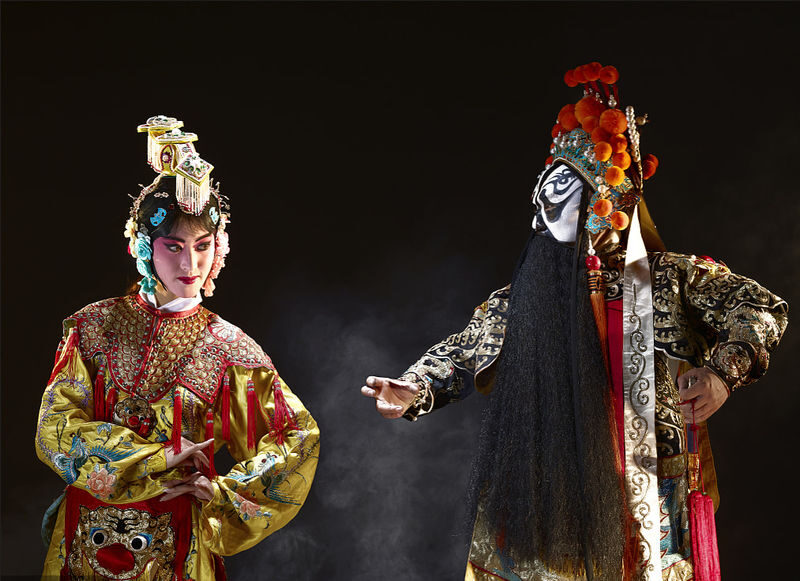
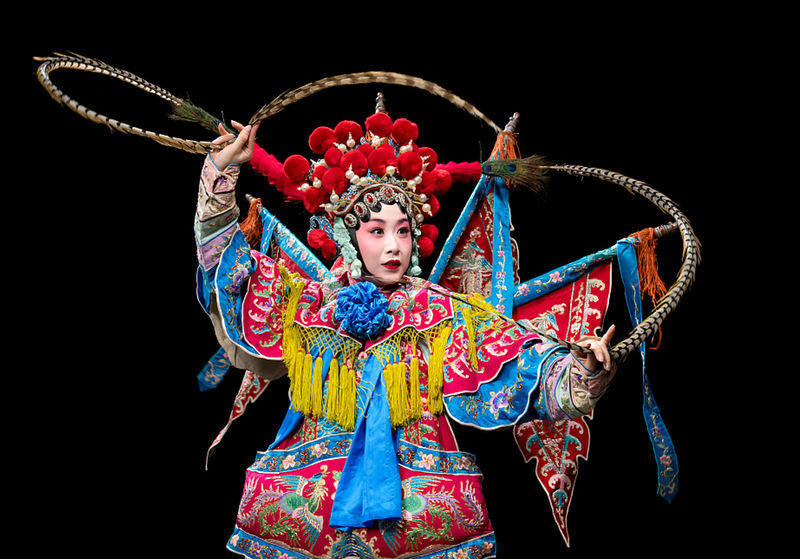
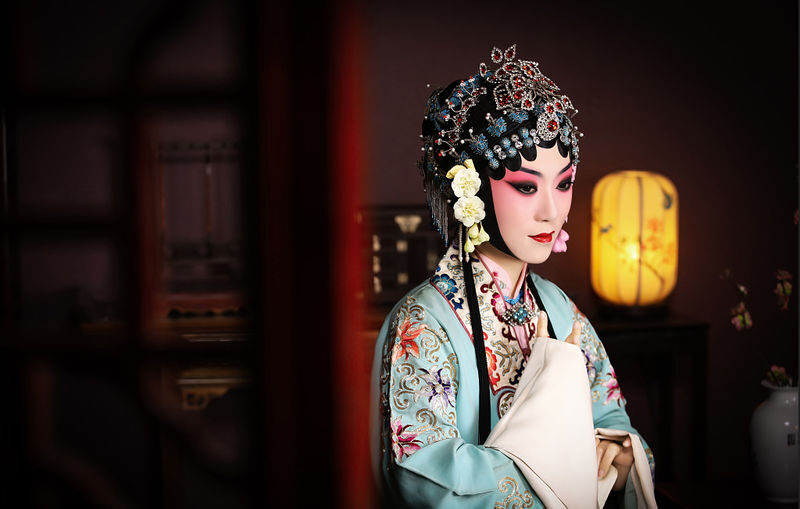
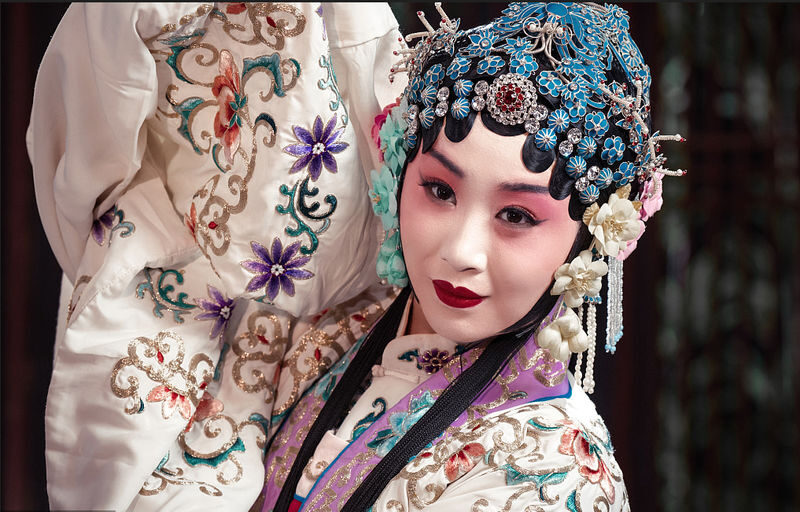
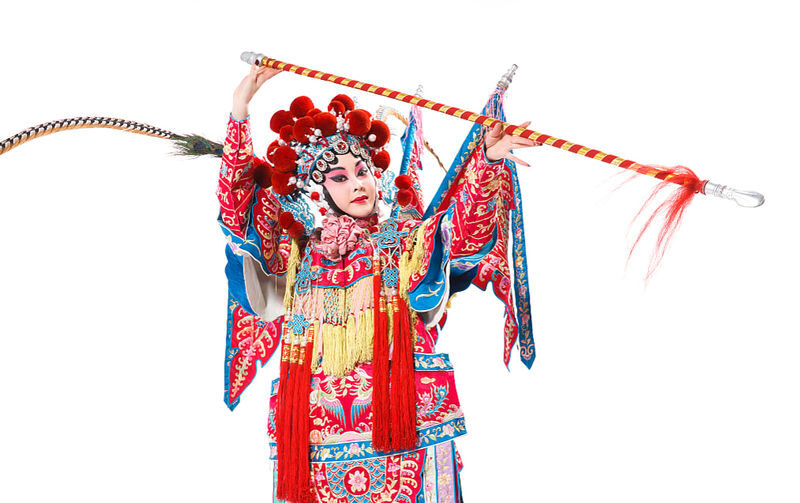
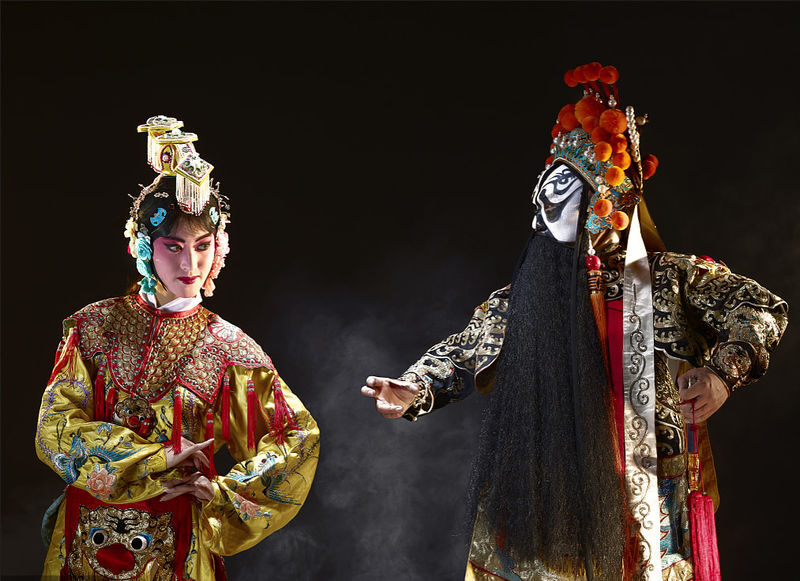
The performers’ costumes, makeup and precise gestures are central to the experience. Rather than aiming for naturalistic acting, Peking Opera uses a stylized language of movement and expression. Watch how a turn, a walk or a change in posture can carry meaning, and you will have more to look for than the plot alone.
This is also a live performance, not a recorded cultural presentation. Traditional instruments accompany the singing, and the combination of voice, music and movement gives the scenes their energy. The fight sequences can be especially striking, though they are staged as theatre, not as a realistic brawl.
You can also read our reviews of more tours and experiences in Beijing.


Before the curtain: tea, tables and makeup
Liyuan Theatre is described as Beijing’s first teahouse-style theatre. Inside, traditional tables seat eight, and the room is set up to make opera part of an evening out rather than a formal auditorium visit. The venue’s familiar tea-house touches can soften the leap into an art form that may be new to you.
Tea and snacks are part of some packages, but do not assume every seat includes the same refreshments. Ticket options are sold as rear, front and VIP, and the exact package details matter. Check what is included in the option you select before paying, particularly if tea and snacks are part of the appeal.
Arriving early may bring a bonus. Some early arrivals have been able to watch performers applying makeup, known as banxiang, and getting dressed before the show. It is a memorable glimpse of the craft behind the finished look, but treat it as a possibility rather than a guaranteed part of the ticket.
The front area gives you the best chance to notice facial expressions and details in the costumes. There is a tradeoff: subtitle screens are placed at the sides, so from a very close seat you may need to turn your head between the stage and the text. If you prefer to follow the story closely, consider whether a little more distance would suit you better.
Reading the action from your seat
The program may include several short scenes, each with its own theme and mood. The specific lineup can change, so do not book expecting a particular opera such as Farewell My Concubine unless the performance title has been confirmed for your date. A ticket guarantees entry to the performance, not a named story.
The subtitles in Chinese and English are a useful guide to dialogue and lyrics. They can make the scenes easier to follow, but they do not turn the show into a word-for-word translation of every gesture or musical passage. You may find it more satisfying to read enough to understand the basic situation, then watch the performers.
I would go in ready to notice the details: the painted faces, the costumes, the singers’ delivery, the live band and the shifts between dramatic and comic scenes. Some segments may grip you more than others. That variety is part of the sampler’s value, but it also means the evening may feel uneven if you hoped for one continuous story.
Reports of the performance length vary. The stated duration is 60 minutes, while some accounts describe a show lasting about 80 minutes or ending around 9 pm. Plan for the official hour, but avoid scheduling a tight commitment immediately afterward.
Choosing front, rear or VIP seating
The front area is the clearest choice if seeing facial expressions and costume details matters most. It can also put you close enough to appreciate the performers’ gestures and fight scenes. The downside is that the subtitle screens at the sides may take more effort to read from a front-facing position.
The rear area is the lower-priced choice when available, and it still gives you the full sweep of the stage and the live music. You will be farther from the performers, so fine details may be harder to see. If this is your first opera and you mainly want to sample the art form, rear seating can be a sensible way to keep the evening’s cost down.
VIP seating is for people who value a closer or more premium viewing experience and are willing to pay more for it. Some ticket holders have found the upgrade worthwhile, especially for seeing the stage action up close. Still, price alone does not tell you what refreshments or seating arrangements are included, so check the package terms before booking.
The theatre uses shared tables for eight. That can add to the old-style teahouse feel, but it means your seat is not necessarily a private table. Keep your ticket and seat details handy, and check where you are meant to sit when you arrive.
Getting there and exchanging your ticket
The theatre is at Beijing Qianmen Jianguo Hotel, near Hufangqiao Station on Metro Line 7. From Exit C, the southeast exit, it is about a 650-meter walk. The meeting-point information also identifies Hufangqiao Station, so use the hotel address when navigating and allow time to find the ticket-pickup area inside or near the venue.
You need to exchange your mobile voucher for a physical ticket. The stated pickup period is 6:30 to 7:30 pm, and the show begins at 7:30 pm. Aim to arrive about 30 minutes early, as advised, and do not leave the exchange until the last few minutes.
The ticket desk may not be immediately obvious. Ask the hotel doorman where to find the theatre ticket office if you are unsure. Keep your booking details visible on your phone, and allow a little patience for the exchange, particularly if staff need to check the reservation manually.
Last admission is listed as 7:20 pm. Once the performance starts, leaving the venue counts as giving up your ticket, and re-entry is not allowed. Arriving early is not just a comfort tip; it gives you time to collect the ticket, find your seat and settle in before the lights go down.


Price and what you get for it
Tickets start at $34.65, with rear, front and VIP options. The right value depends on what you want from the night. If your goal is simply to see a traditional performance and hear the live instruments, a rear seat may be enough. If close-up expressions and stage detail matter, the extra cost for a forward seat may make sense.
Tea and snacks can add to the evening, but package inclusions are not uniform. Read the option details rather than assuming every ticket comes with refreshments. The format is part of the value, too: you are buying a short cultural experience in a teahouse-style theatre, not just an hour of stage time.
For some people, a one-hour show will feel brief for the price, especially if the scenes do not all hold their attention. Others will appreciate that it is a compact introduction that fits neatly into an evening. If you are already a fan of Peking Opera or want a full-length production, check the exact program before booking.
Who will enjoy Liyuan Theatre most
This is a strong choice for a first encounter with Peking Opera, especially if you like live music, striking costumes and performance styles that differ from Western theatre. The subtitles lower the language barrier, and the short-scene format gives you a broad taste without requiring a long evening.
It can also work well for families and friends looking for a shared cultural outing. Children at least 120 centimeters tall are charged the adult rate, and child seats are not available. Consider the child’s comfort with a seated performance and the no-re-entry rule before booking.
You may enjoy it less if you need a clear, continuous plot or expect every scene to be equally compelling. The stage can feel small from some seats, and the program is not guaranteed to feature a particular famous opera. Go for the form itself, the music and the visual craft, rather than a specific title unless it is confirmed.
Practical details to know
Bring the same mobile voucher used for the booking and exchange it at the theatre for a physical ticket. Tickets are limited and allocated on a first-come, first-served basis, so waiting until the last minute is a poor bet.
Photography and video recording during the performance are strictly prohibited, and flash photography is not allowed. Smoking and drinking are prohibited inside; anyone who breaks the rules may be asked to leave without a refund. Leaving during the show also means forfeiting the ticket, with no re-entry.
Ticket terms state that confirmed tickets are non-refundable and cannot be changed, while the amendment information says changes may be accommodated free of charge if requested two days before the performance. Check the terms that apply to your booking before you pay, especially if your plans are uncertain.
Should you book this Peking Opera performance?
Book Liyuan Theatre if you want a compact, accessible introduction to Beijing’s opera tradition, with live accompaniment, subtitles and the chance to see elaborate costumes and movement in person. I would favor front seating for stage detail, or rear seating if you want to try the experience without paying for the closest view.
Skip it if you need a confirmed title, a full-length story or a firm 60-minute finish. Check the selected package carefully, arrive early to exchange your voucher, and treat the makeup viewing and refreshments as package-dependent extras. With those expectations, this is a practical way to spend an evening with a distinctively Chinese performing art.
Beijing: Liyuan Theatre Peking Opera
“Enjoy fragrant jasmine tea with small snacks and a piece of fruit. We purchased seats at the front, allowing us to watch the performers apply their…”
FAQ
How long is the performance?
The scheduled duration is 60 minutes. Some performances have lasted around 80 to 90 minutes, so leave extra time if you have plans afterward.
What time does the show start?
The performance starts at 7:30 pm. Last admission is listed as 7:20 pm.
When should I arrive?
Arrive 30 minutes before the show to exchange your voucher for a physical ticket and find your seat. The stated ticket-pickup period is 6:30 to 7:30 pm.
Where is Liyuan Theatre?
It is at Beijing Qianmen Jianguo Hotel. Hufangqiao Station on Metro Line 7 is about a 650-meter walk from the theatre, via Exit C, the southeast exit.
Are English subtitles provided?
Yes. Chinese and English subtitles appear on screens at both sides of the stage. From front seats, you may need to turn your head to read them.
What seating options are available?
The listed options are Theater Rear Area, Theater Front Area and Theater VIP. Package details and inclusions may differ, so check the option you plan to book.
Are tea and snacks included?
Some ticket packages include tea and snacks, but the details vary by package. Confirm the inclusions for your selected ticket before booking.
Can I take photos or videos during the show?
No. Videos and photos of the performance are strictly prohibited, and flash photography is also prohibited inside the venue.
Can I leave and come back during the performance?
No. Leaving mid-performance counts as forfeiting the ticket, and re-entry is not allowed.