Arashiyama’s bamboo path, Nara’s deer and Fushimi Inari’s endless red gates make a memorable trio, and this tour connects all three in one long day. You travel by shared vehicle, then explore each stop on your own within a fixed time window.
I like the contrast between the stops: Arashiyama offers a slower riverside and woodland mood, while Nara brings you close to free-roaming deer. I also like the practical value of round-trip transport, especially if you want to see several major sights without planning the connections yourself.
The main trade-off is time. You get about two and a half hours in Arashiyama, 70 minutes in Nara and 90 minutes at Fushimi Inari, and traffic can cut into those windows. Also, groups under 12 may have a driver but no separate guide.
- What to know before you go
- Three landmarks, one packed day
- Arashiyama: bamboo, bridge and a little breathing room
- Nara Park: deer with a mind of their own
- Fushimi Inari: red gates and a short window
- What the guide service really means
- Price and pace: where the value lies
- Practical details that can save your day
- Should you book this day tour?
- FAQ
- Where does the Osaka departure meet?
- Can I finish in Kyoto instead of Osaka?
- Is a tour guide guaranteed?
- How long do I have at each stop?
- Are meals included?
- Are kimono rental and rickshaw rides included?
- Can toddlers join for free?
- What happens if I arrive late?
- The Best Of Nara!
- More Tours in Nara
- More Tour Reviews in Nara
- Not for you? Here's more nearby things to do in Nara we have reviewed
What to know before you go
 1 / 6
 2 / 6
 3 / 6
 4 / 6
 5 / 6
 6 / 6
- Arashiyama gets the longest stop: Use the 150 minutes for the bamboo path, Togetsukyo Bridge and, if you wish, a temple visit or a paid kimono or rickshaw experience.
- Nara’s deer are free-roaming: Deer crackers make for a memorable encounter, but the deer can crowd around once food appears.
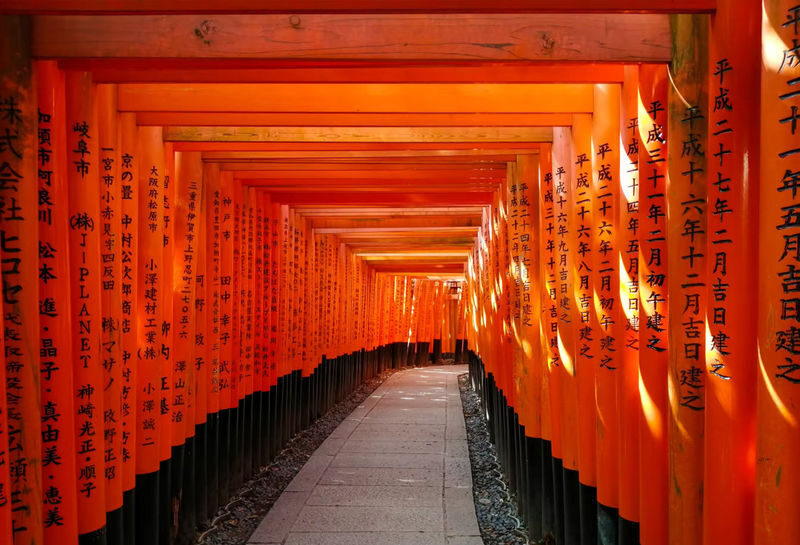
- Fushimi Inari is a timed visit: You have 90 minutes for the shrine and its famous Senbon Torii gates, not an open-ended hike.
- The day is a self-guided sampler: Your driver takes you between stops; a separate tour guide is arranged only when the group has more than 12 people.
- Drop-off can help with your plans: The Osaka departure option allows drop-off in Osaka or Kyoto, according to the package details.
- Traffic can change the day: Weekends, holidays and bad weather may affect arrival times, stop order and the time available at each place.

👉 See our pick of the 5 Best Historical Tours In Nara
Three landmarks, one packed day
This is a sightseeing sampler, not a slow tour of Kyoto and Nara. You leave early, spend time at three major places, and return in the late afternoon or early evening. That format suits you if your schedule is short or you would rather leave the driving and route planning to someone else.
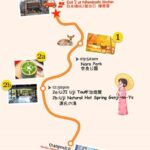
The day begins at 7:20 a.m. at the Kani Doraku Dotonbori-higashi Branch in Osaka. The listed schedule puts the first stop, Arashiyama, around 9:20. After that come Nara Park and Fushimi Inari, with the return journey starting from about 5:05 p.m. Osaka return is listed for roughly 6:20 p.m. If you choose a Kyoto departure or drop-off, check the exact package and meeting details when booking.
The itinerary is fixed, and the group moves on at set times. That is part of the value: you can visit places spread across Kyoto and Nara without arranging separate trains and buses. It is also the central compromise. You need to keep an eye on the clock, and a traffic delay can squeeze the time you hoped to spend at a stop.
You can also read our reviews of more tours and experiences in Nara.

Arashiyama: bamboo, bridge and a little breathing room
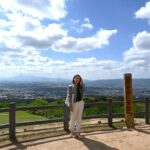
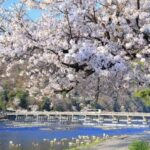
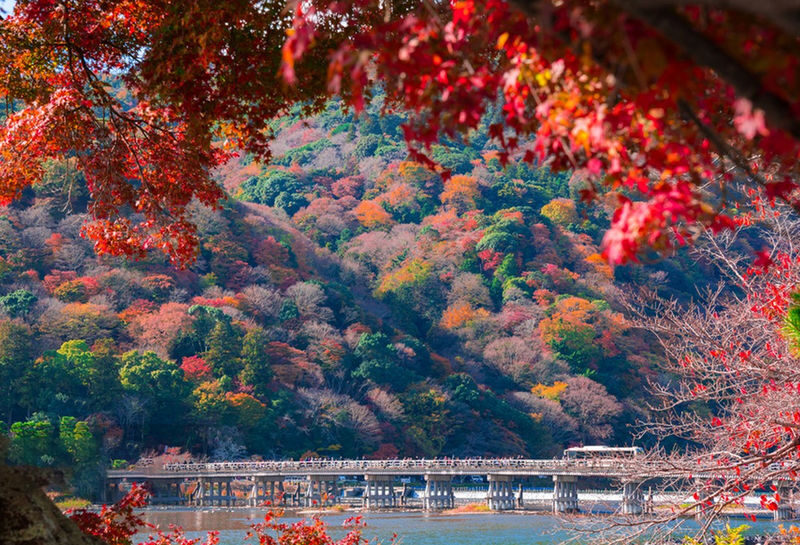
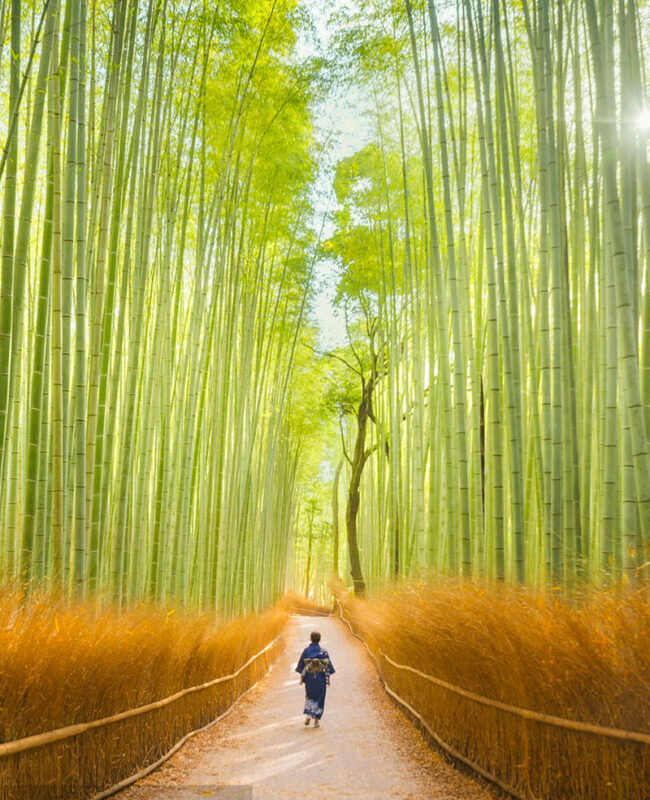
Arashiyama gets the day’s longest break, around 150 minutes. That is enough to walk through the bamboo forest path, see Togetsukyo Bridge and choose a few nearby sights, but it is not enough to linger everywhere. The area is known for seasonal scenery and an unhurried feel, though the path itself can be crowded, especially during popular seasons.
The bridge gives you a clear sense of the area’s riverside setting, while the bamboo path offers the kind of striking scene that draws photographers. The region is also associated with the film Crouching Tiger, Hidden Dragon. If you are hoping for quiet, remember that a famous photo spot is still a famous photo spot: arrive ready to share the path.
Tenryu-ji Temple is included among the places associated with the activity, but the schedule notes that some attractions may be skipped because of capacity or weather. Treat the stop as free time in Arashiyama rather than a promise of entry to every nearby sight. Decide in advance what matters most to you, then head there first.
You can also pay extra for a kimono experience or a rickshaw ride. These can make the visit feel more personal, but they take time from the same 150-minute window. If you want to rent a kimono, allow for the time involved and do not assume you can fit every activity in. One visitor described a guide helping carry bags back to the bus after a kimono rental, but service like that should not be expected as part of the package.
Nara Park: deer with a mind of their own
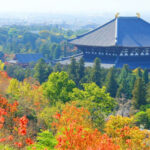
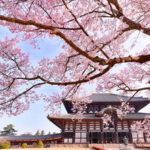
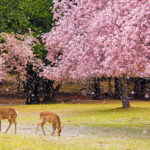
At about 1:05 p.m., the tour reaches Nara Park for roughly 70 minutes. The park covers about 6.13 square kilometers, so this is a brief visit to a large area, not time to see all of Nara. The practical plan is to enjoy the park’s open spaces, meet the sika deer and take a few photos before returning to the meeting point.
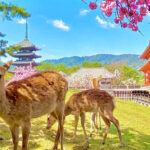
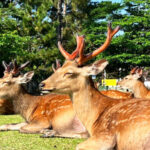
The deer are the main event. They roam freely and are closely tied to local tradition, where they are regarded as national treasures. Feeding them with deer crackers is a popular way to get close, but keep a sensible distance and stay alert. Once crackers appear, deer may crowd around you, and some can be pushy. The experience is fun, but it is not a petting zoo.
If you are traveling with young children, think carefully before buying crackers. The tour information specifically warns that the deer may be aggressive, and one visitor advised against letting small children feed them. You can still watch and photograph the deer without offering food.
The park’s broad lawns are a welcome change after the narrow paths and crowds at other stops. Use the short visit for a calm walk, but keep track of your time. Nara has far more to see than this itinerary allows, so consider the stop an introduction rather than a complete visit.
Fushimi Inari: red gates and a short window
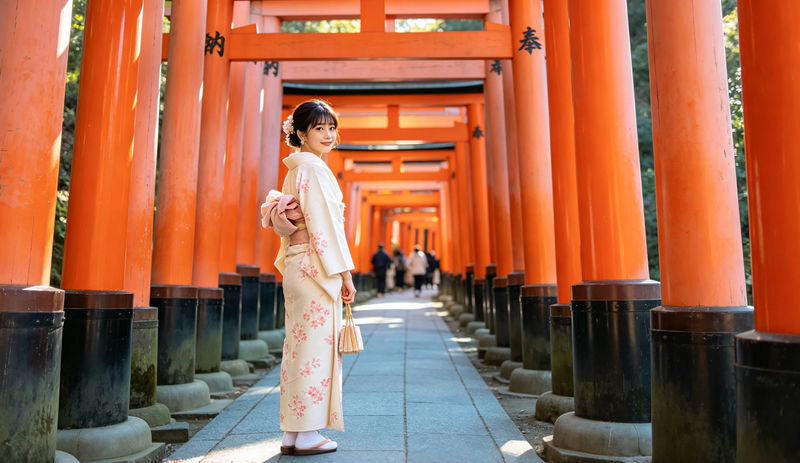
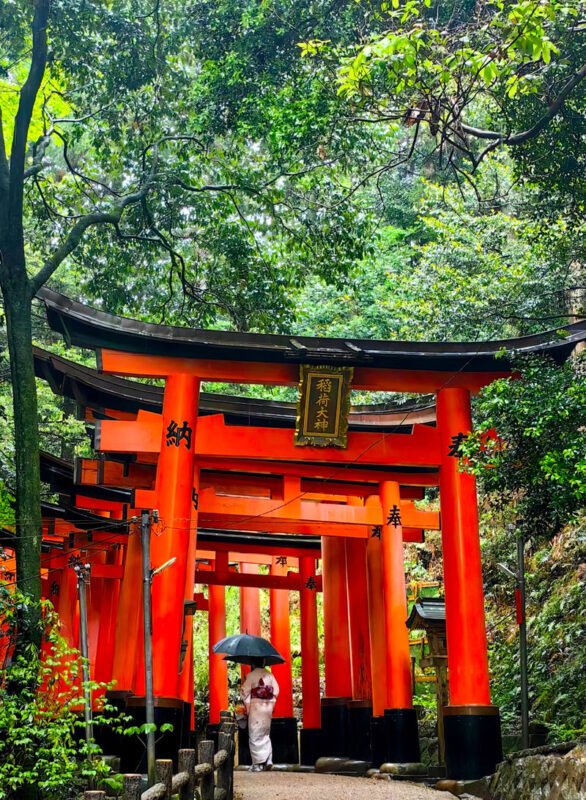
The final major stop is Fushimi Inari-taisha, scheduled for about 3:20 p.m. You have roughly 90 minutes. The shrine is the head shrine of more than 30,000 Inari shrines in Japan, and its Senbon Torii, or thousand torii gates, are its signature sight. The gates form a memorable passage up the shrine grounds, and fox figures appear as guardians associated with the Inari deities.
Visitors come to pray for goals such as academic success, career progress, health and family well-being. Even if you are not visiting to pray, take a moment to notice the shrine’s details alongside the striking rows of red gates. The crowd can make the approach feel busy, so keep moving and be ready to pause when a gap opens.
Ninety minutes is enough for a focused visit, but it may feel short if you want to explore farther up the mountain. Decide whether your priority is seeing the famous gate corridors or walking farther beyond them. The schedule does not promise time for an extended hike, and you must return to the vehicle on time.
What the guide service really means
The tour includes round-trip transfers, tolls, parking and fuel. It also advertises English, Chinese or Japanese-speaking guide service, but the vehicle arrangement matters: with fewer than 12 people, the operator may send a vehicle with a driver only. With more than 12, the stated plan is one driver and one guide.
That distinction can shape your day. Some tours have had guides such as Eric, Huahua, Zoey, Sophia and Akira, with visitors praising clear instructions, practical tips and help with photos. Other departures have been more like a shuttle service, with the driver dropping the group at each site and communication handled through messages or translation apps. Guide quality and language support are therefore not something to assume from the advertised language options alone.
Check your confirmation email between 3:00 and 9:00 p.m. the day before the tour for the guide and vehicle details, meeting information and contact instructions. If you use LINE, the operator may send a group link by email for you to join. Keep your phone available, and contact the company if the details have not arrived by 9:00 p.m.



Price and pace: where the value lies
At a starting price of $44.85, this tour can be good value if you want to connect three distant sights in one day. Transport is included, and you avoid having to work out each leg yourself. The price does not include meals, drinks, deer crackers, kimono rental, a rickshaw ride or other personal expenses, so budget separately if those are part of your plan.
The strongest value is convenience, not depth. You see a lot in one day, but you do not get the time to explore each place fully. If you have several days in Kyoto and Nara, traveling independently may give you more freedom to linger. If you have limited time, or want to finish in Kyoto after starting in Osaka, the optional drop-off can make the route especially useful.
The tour is a carpool service, so you may share the vehicle with other groups. Vehicle size depends on the number of participants, and some departures may use a smaller vehicle without a separate guide. Expect a practical transfer between stops, not a private tour with a guide beside you at every attraction.
Practical details that can save your day
Arrive at the Osaka meeting point at least 10 minutes before the 7:20 departure. Late arrivals and no-shows are not refunded, and the guide waits no more than five minutes at attraction stops. Keep your passport and valuables with you, and contact the operator in advance if you plan to bring large luggage.
Meals and drinks are not included. Sealed snacks or unopened beverages may be carried on the bus, but eating inside the vehicle is prohibited. The tour also does not include travel or accident insurance, so arrange your own cover if needed.
The schedule may change because of traffic, weather, holidays or crowding. The order of visits can be switched, time at an attraction may be reduced, and the operator warns that holiday traffic can cause delays of two to five hours. Leave your evening plans flexible, especially on weekends and Japanese public holidays.
The tour is listed as unsuitable for people with high blood pressure, heart disease, acrophobia, asthma or epilepsy, and for pregnant participants. Children aged 0 to 2 can ride free only if they do not need their own seat, but participation is not recommended; tell the operator in advance if you plan to bring a child in this age group. Children aged 2 and older pay the adult rate. Seniors aged 65 and above must be fit to travel and accompanied by someone aged 22 or older.
Should you book this day tour?
Book it if you want a convenient, high-coverage day and are comfortable exploring independently during fixed stops. It is a sensible way to see Arashiyama, Nara Park and Fushimi Inari without building the route yourself, and the Osaka-to-Kyoto drop-off option can be handy for a multi-city itinerary.
Skip it if you want long, quiet visits or a guide guaranteed to accompany you at each site. The biggest decision is whether you value seeing all three places more than having time to explore them at your own pace. If you choose the tour, check the expected guide arrangement, pick your priorities for Arashiyama and Fushimi Inari, and keep your evening open for delays.
Arashiyama Togetsukyo Bridge & Bamboo Forest Path & Nara Park & Fushimi Inari-taisha Shrine Senbon Torii One-Day Tour (Departing from Osaka)
“Hua Hua was the best singer and a great tour guide. Worth every Yen”
FAQ
Where does the Osaka departure meet?
The listed meeting point is Kani Doraku Dotonbori-higashi Branch in Osaka. Arrive 10 minutes before the 7:20 a.m. departure.
Can I finish in Kyoto instead of Osaka?
The package option allows drop-off in Osaka or Kyoto. Confirm your selected departure and drop-off details when you book.
Is a tour guide guaranteed?
No. Groups with fewer than 12 people may have a driver only, without a separate tour guide. Groups of more than 12 are listed as having a driver and guide.
How long do I have at each stop?
The schedule allows about 150 minutes in Arashiyama, 70 minutes at Nara Park and 90 minutes at Fushimi Inari. Traffic and weather can change the schedule.
Are meals included?
No. Meals and beverages are not included, and eating on the bus is prohibited. Sealed light snacks and unopened drinks may be carried aboard.
Are kimono rental and rickshaw rides included?
No. Kimono and rickshaw experiences are optional and at your own expense.
Can toddlers join for free?
Children aged 0 to 2 may ride free if they do not occupy a separate seat, but participation is not recommended. Inform the operator in advance; a child who needs a seat must pay the adult rate.
What happens if I arrive late?
Latecomers and no-shows are not refunded. At attraction stops, the guide waits for a maximum of five minutes before the group moves on.