Rome’s great sights are spread across the city, and this 2.5-hour bike tour links many of them in one lively ride. Starting and ending at Piazza Capranica, you’ll pass the Pantheon, Trevi Fountain, Colosseum, Circus Maximus and Piazza Navona, with a guide to connect the monuments to Rome’s stories.
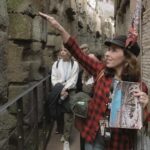
I like two things especially: you can choose an e-bike to take the strain out of Rome’s hills, and the small group size of five to ten people allows for a more personal outing. Guides such as Mateo and Alexander have led tours, and the route includes frequent photo stops.
One consideration: you need to be able to ride a bike and feel comfortable following a guide through Rome’s streets. If that sounds like more stress than fun, a walking tour may suit you better.
- At a glance
- Why cover Rome by bike?
- From Piazza Capranica to the Pantheon
- Trevi Fountain, Trajan’s Column and Piazza Venezia
- The Colosseum, Arch of Constantine and Circus Maximus
- Theatre of Marcellus and the Jewish Ghetto
- Campo de’ Fiori and Piazza Navona
- Choosing a regular bike or an e-bike
- Is good value?
- Who should book this ride?
- FAQ
- How long is the bike tour?
- What sights are included on the route?
- Can I choose an electric bike?
- What languages are available?
- Is the tour suitable for children?
- Is the tour suitable if I can’t ride a bike?
- Is food included?
- How large is the group?
- What should I bring?
- The Best Of Rome!
- More Cycling Tours in Rome
- More Tours in Rome
- More Tour Reviews in Rome
- Not for you? Here's more nearby things to do in Rome we have reviewed
At a glance
- A quick city overview: Cover a long list of central sights in two and a half hours, useful early in a Rome stay.
- Two bike choices: Pick a regular bicycle or an electric bike; the e-bike can help with the city’s ups and downs.
- A small group: Tours run with five to ten people, with private options also available.
- More than monuments: The route includes the Jewish Ghetto, Campo de’ Fiori and Largo di Torre Argentina as well as famous ancient sites.
- Stops for stories and photos: Expect guided commentary and time to pause at selected places, though some landmarks are viewed while passing by.
- Family option: Children up to age three can join for free in a child seat on a parent’s bike. Ask for a seat and helmet in advance.
👉 See our pick of the 25 Best Guided Tours In Rome
Why cover Rome by bike?
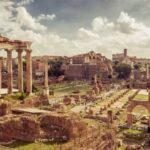
Rome can feel like a collection of separate worlds: ancient ruins here, Baroque fountains there, and lively piazzas tucked between them. A bike tour helps you understand how these places fit together. Instead of spending the whole morning walking between sights, you can see a broad sweep of the historic center and hear a guide explain what you’re looking at.
This is not a tour that takes you inside the Pantheon or the Colosseum. It’s an outdoor introduction, with stops for photos, views and brief explanations. That makes it a good fit if you want orientation, historical context and a pleasant ride before exploring a particular monument at greater length.
The route’s variety is part of its appeal. You move from grand civic spaces and ancient ruins to fountains, churches and neighborhood streets. The guide can supply the thread that links them, from Roman emperors to later city life. For a first day in Rome, I like the way this gives you a useful mental map.
You can also read our reviews of more cycling tours in Rome


From Piazza Capranica to the Pantheon
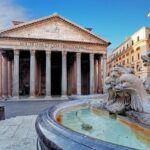
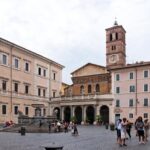
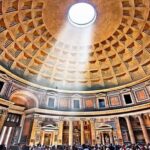
The meeting point is Piazza Capranica 97, and the tour returns there at the end. You begin with a safety briefing before heading toward the Pantheon, one of Rome’s most recognizable ancient buildings. The stop gives your guide a chance to introduce the city’s long timeline and point out details you might otherwise pass without noticing.
Nearby, the route includes the Church of Sant’Ignazio di Loyola, with a photo stop and views of its striking exterior. The Temple of Hadrian is also on the way. Some locations are a guided stop; others are passed by, so don’t expect a full tour of every site. The point is to see a lot while keeping the group moving.
These early stops are a useful reminder that Rome’s ancient and later layers often sit close together. A bike makes it easier to reach several in quick succession, while the guide provides enough context to make the surroundings more than a checklist of names.
Trevi Fountain, Trajan’s Column and Piazza Venezia
The Trevi Fountain is one of the route’s photo stops. It’s a grand, theatrical sight, and the group pauses so you can take it in rather than simply cycle past. A short stop is still a short stop, though. If you want to linger, return on your own later, when you can give the fountain more time.
Next, the route passes Trajan’s Column and Piazza Venezia. The column is a reminder of Rome’s imperial power, while Piazza Venezia gives you a look at one of the city’s major civic spaces. You’ll get a guided explanation and chances for photos at points along this stretch, but the pace is designed to keep the ride moving.
This section shows the tour’s basic trade-off. You see far more than you could comfortably cover on foot in the same time, but you won’t have a long visit at every landmark. Think of the ride as a wide-angle introduction, not a substitute for a close look inside Rome’s major monuments.
The Colosseum, Arch of Constantine and Circus Maximus
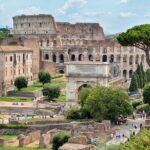
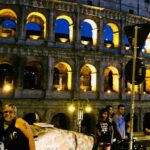
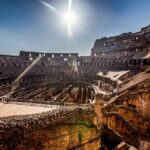
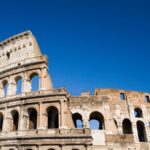
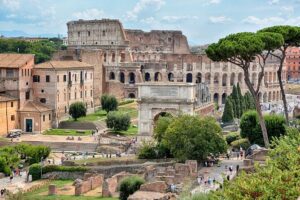
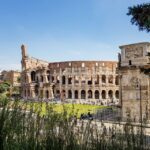
The Colosseum is a major highlight, with a photo stop and guided commentary. The route takes you past the amphitheater rather than inside, so plan a separate visit if you want to explore its interior. Even from outside, the scale of the building makes this a memorable point on the ride.
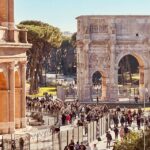
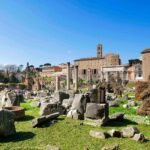
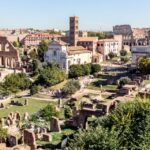
The nearby Arch of Constantine and Circus Maximus add more ancient Rome to the route. At these stops, you have some free time as well as a guide’s explanation. Circus Maximus is an expansive former chariot-racing ground, and seeing it in relation to the nearby ruins helps you picture how large the city’s public spaces were.
The views and photo pauses matter here. Cycling gets you from one historic site to the next, but a little time off the bike lets you absorb the setting. You won’t need to choose between constant pedaling and a series of long lectures: the tour balances movement with short breaks.
More Great Tours NearbyTheatre of Marcellus and the Jewish Ghetto
The route continues to the Theatre of Marcellus, an ancient structure that gives you another view of Rome’s layered past. From there, you cycle through the Jewish Ghetto, where the experience shifts from grand monuments to a historic neighborhood.
The contrast is valuable. Rome is not only a sequence of famous ruins; it is also a city of lived-in streets and distinct local areas. A guide can help you notice how the route moves between these different kinds of places, even if the stop here is brief.
You’ll also visit Largo di Torre Argentina, with time for a photo stop and commentary. This stretch adds variety to the tour and helps break up the run of headline attractions. If you’re keen to explore any one neighborhood at length, make a note of it and return on foot later.
You can also read our reviews of more guided tours in Rome

Campo de’ Fiori and Piazza Navona
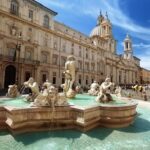
Campo de’ Fiori and Piazza Navona bring the ride back to the lively squares and public spaces of central Rome. At Campo de’ Fiori, you’ll stop for photos and hear more about the area. Piazza Navona includes guided time and a chance to pause, making it one of the more relaxed parts of the route.
The piazza’s scale and shape make it a natural place to take a breather and look around. By this point, you’ve seen ancient monuments, major fountains, historic streets and central squares, all without spending the whole outing on foot. That range is what makes the tour a strong introduction.
The finish at Piazza Capranica keeps the logistics simple: you return to your starting point rather than needing to arrange transport across town. If you want to keep exploring afterward, you’ll already have a list of places to revisit at a slower pace.
Choosing a regular bike or an e-bike
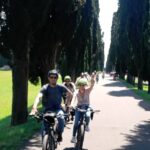
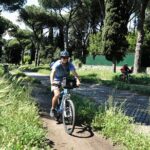
You can select a standard bicycle or an electric bike when booking. A regular bike suits you if you’re comfortable cycling and want a conventional ride. An e-bike is worth considering if you’d rather save energy for sightseeing, or if Rome’s rolling streets sound tiring. One rider described the e-bike as comfortable and a good choice for the city’s ups and downs.
The tour is not suitable for people who can’t ride a bike. Rome’s streets can also feel demanding at times, so be honest with yourself about your confidence on two wheels. The guide leads the group, and riders have described feeling safe with their guides, but you still need to be ready to follow along in city traffic.
Comfortable clothes and shoes are sensible, and bring sunscreen, water and a camera. A bottle of water is included, but it’s still wise to arrive ready for an outdoor activity. The tour runs in different weather: people have enjoyed it in rain, though wet conditions may make the ride less comfortable.
Is $32 good value?
At $32 per person, this is a competitively priced way to see a large part of central Rome with a guide. The cost includes the bike you choose, a local guide, a bottle of water, photo stops and luggage storage. Food is not included, and there’s no entry to the monuments, so compare the price with what you want from the outing.
The strongest value is time. In two and a half hours, you cover places that could otherwise take a good part of a day to connect on foot. You also get explanations along the way, which can help you decide what deserves a longer visit later. If you want a deep visit inside the Colosseum or Pantheon, this is not the right replacement. If you want a guided overview that makes efficient use of a morning or afternoon, the price makes sense.
Groups are small, with five to ten people, and private tours are available. The smaller format can make it easier to hear the guide and keep the experience personal. Languages include Dutch, English, French, German, Italian and Spanish.
Who should book this ride?
I’d consider this tour if you’re visiting Rome for the first time, have limited time, or want an active way to get your bearings. It also suits couples and families with young children, provided the adults are comfortable riding. Children up to age three can join free in a child seat on a parent’s bike, and child seats and helmets are available on request.
It may be a poor fit if you don’t ride a bike, dislike urban cycling, or want long, unhurried visits inside monuments. The pace covers a lot of ground, and many stops are brief. You’ll get the most from it if you treat it as a guided city introduction, then return to your favorite places afterward.
Rome: Guided Bike or E-Bike Tour with Local Guide
FAQ
How long is the bike tour?
The tour lasts 2.5 hours and starts and ends at Piazza Capranica 97.
What sights are included on the route?
The route includes the Pantheon, Church of Sant’Ignazio di Loyola, Temple of Hadrian, Trevi Fountain, Trajan’s Column, Piazza Venezia, Colosseum, Arch of Constantine, Circus Maximus, Theatre of Marcellus, Jewish Ghetto, Largo di Torre Argentina, Campo de’ Fiori and Piazza Navona.
Can I choose an electric bike?
Yes. You can choose a regular bicycle or an electric bike, depending on the option you select.
What languages are available?
Guides are available in Dutch, English, French, German, Italian and Spanish.
Is the tour suitable for children?
Families are welcome. Children up to three years old can join for free in a child seat on a parent’s bike. Child seats and helmets are available on request.
Is the tour suitable if I can’t ride a bike?
No. The tour is not suitable for people who can’t ride a bike.
Is food included?
No. Food is not included. A bottle of water is included.
How large is the group?
The small-group tour has between five and ten people. Private groups are also available.
What should I bring?
Bring comfortable shoes and clothes, a camera, sunscreen, water, and your passport or ID card.
Book this tour if you want an active, time-saving overview of central Rome and feel at ease on a bike. Choose the e-bike if you’d welcome help on the city’s ups and downs, and save time afterward to revisit the monuments and squares that deserve a closer look.
You can check availability for your dates here: