Krakow’s wartime story comes into focus when you connect the museum exhibits to the streets where people were forced to live. This three-hour tour does both: it guides you through Schindler’s Factory Museum, then walks through the former Jewish Ghetto to Ghetto Heroes’ Square. I like that the route links what you see indoors with the places still visible outdoors.
I also like the small-group limit of 10, which makes it easier to follow a guide and ask questions. Guides such as Alicja, Dariusz, and Derrick have been praised for bringing context and personal stories to the visit. The trade-off is pace: three hours gives you a strong overview, but not enough time to study every museum display at length.
At a glance
- Museum and streets together: Begin at Schindler’s Factory Museum, then explore the former ghetto in Podgórze.
- An important distinction: The museum is in the factory’s historic administrative building. It is not a preserved factory floor with its machinery.
- One hour outdoors: The walking portion includes remnants of the Ghetto Wall and ends at Ghetto Heroes’ Square.
- Small English-speaking group: No more than 10 participants, with a local guide.
- A focused introduction: The three-hour format gives you a guided overview rather than a long, self-paced museum visit.
- Suitable footwear matters: Expect walking, and note that the tour is not suitable for people with mobility impairments.
👉 See our pick of the 6 Best Shopping Tours In Krakow
- At a glance
- Why the museum and ghetto belong in one visit
- Starting at Schindler’s former administrative building
- Understanding Schindler without reducing the story to a film
- Walking through Podgórze and the former ghetto
- What three hours allows, and what it cannot
- Is good value?
- Who should choose this tour?
- Should you book it?
- FAQ
- How long is the tour?
- What is included in the price?
- Is Schindler’s Factory a working factory?
- Where does the tour end?
- What language is the tour in?
- How large is the group?
- What should I bring?
- Is the tour suitable for people with mobility impairments?
- The Best Of Krakow!
- More Guided Tours in Krakow
- More Tours in Krakow
- More Tour Reviews in Krakow
- Not for you? Here's more nearby things to do in Krakow we have reviewed
Why the museum and ghetto belong in one visit
 1 / 8
 2 / 8
 3 / 8
 4 / 8
 5 / 8
 6 / 8
 7 / 8
 8 / 8
Schindler’s Factory Museum and the former Jewish Ghetto tell related parts of Krakow’s World War II story, but they do so in different ways. The museum gives you an organized account of occupation, the city, Oskar Schindler, and the people he helped save. The walk then takes that history out into Podgórze, where streets and surviving pieces of the Ghetto Wall help you picture the geography of confinement.
That connection is the tour’s main strength. Museum displays can supply dates, objects, and broad context, but it is harder to grasp what a forced ghetto meant without seeing the area where it existed. On foot, the story becomes tied to a particular part of Krakow rather than remaining a sequence of events behind glass.
The emphasis is also broader than Schindler alone. His actions and the more than 1,200 Jews he saved are part of the story, but the tour also addresses daily life, resistance, deportations, and the experiences of other residents. That fuller frame matters. It helps you understand the conditions around Schindler’s choices, rather than treating the history as one man’s story.
You can also read our reviews of more guided tours in Krakow

Starting at Schindler’s former administrative building
You meet the guide outside the historic administrative building of Oskar Schindler’s factory, now a museum. It is worth being clear about what the site is before you arrive: the museum is not a preserved factory floor, and the original factory machinery is gone. The displays tell the story of wartime Krakow and Schindler’s role within it.
That distinction can prevent a mismatch in expectations. If you picture a visit built around machines and the mechanics of enamel production, this is not that. The focus is the history of the city under German occupation and the people whose lives were caught up in it. Schindler is central, but the museum also places his story in the wider setting of Krakow from 1939 to 1945.
A guide can be especially useful here because the museum contains a great deal to take in. A few visitors have found the pace brisk, and that is a fair point: a guided overview helps connect the rooms and events, but it does not leave unlimited time to read every panel. If you like to linger over displays, consider returning on your own after the tour. One visitor specifically found that the guide clarified the museum while still wanting more time to read the information afterward.
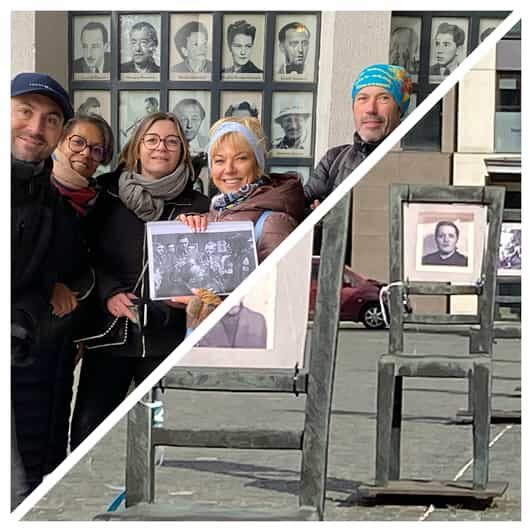
The guides named by participants include Alicja, also known as Alice, Dariusz, and Derrick. Their approach appears to be one of the tour’s strongest features: clear explanations, stories that connect the exhibits, and questions that encourage you to consider what life under occupation meant. The guide assigned to your departure can vary, so do not book on the assumption that you will have a particular person.
Understanding Schindler without reducing the story to a film
Oskar Schindler is widely known through Schindler’s List, and the film can give you a useful point of recognition before the visit. It is not a requirement, though. The tour’s purpose is not simply to retrace the film or focus only on Schindler’s relationship with the Jews he employed. It sets his actions alongside the larger history of occupied Krakow.
That distinction helps the visit work for people who have not seen the film, and for those who have. The movie can make certain names and places familiar, but the guide’s explanations add the local context: what was happening in the city, how people responded, and how the museum’s material fits together. One visitor found that the guide helped clarify several details they had not understood from the film alone.
I would treat the film as optional preparation, not homework. Watching it beforehand may help you connect with some of the locations and themes, but the tour is designed to explain the history in its own right. If you do watch it, remember that the museum is not a replica of a movie set. It is a historical museum in the former administrative building, with a broader account of the occupation.
The strongest guiding style here appears to be storytelling grounded in context. Participants have singled out guides who explain the history in a way that is easy to follow without making it simplistic. Some have also found family experience or personal connection in a guide’s account especially affecting. That can add human meaning, though the guide’s own background will naturally differ.
Walking through Podgórze and the former ghetto
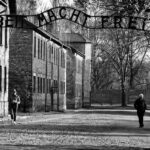
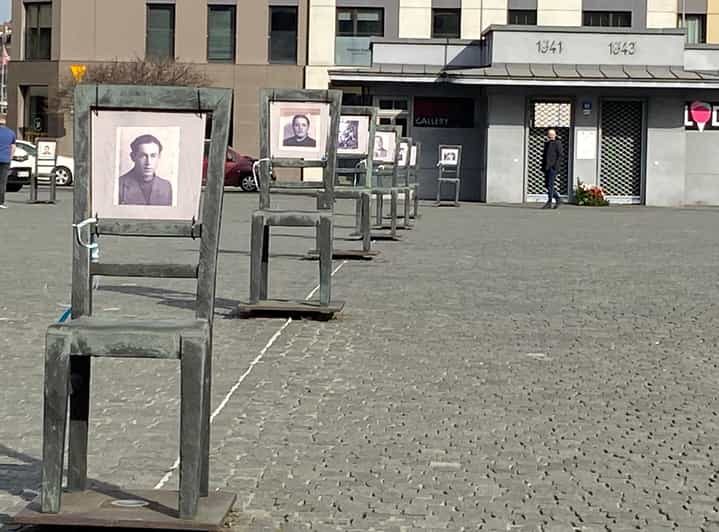
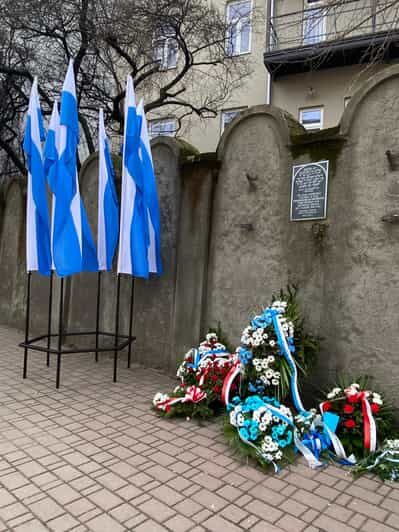
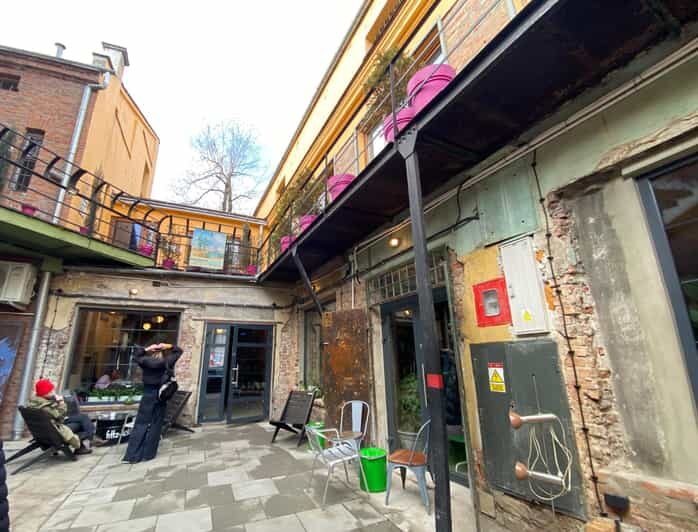
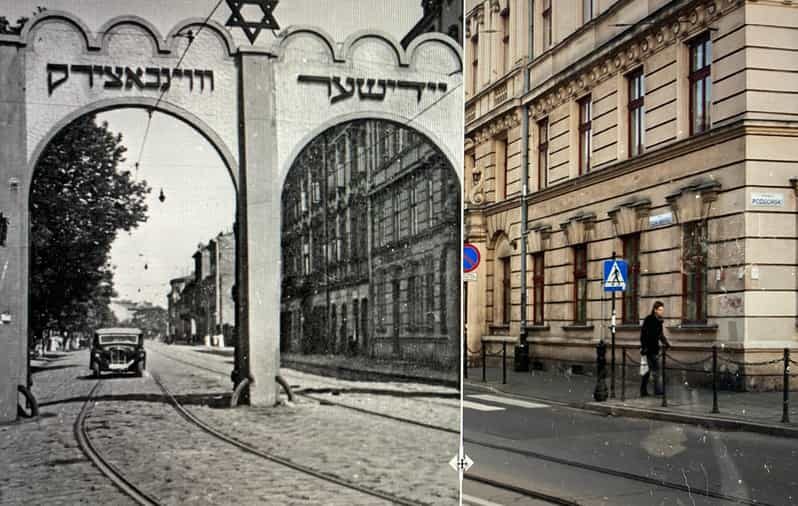
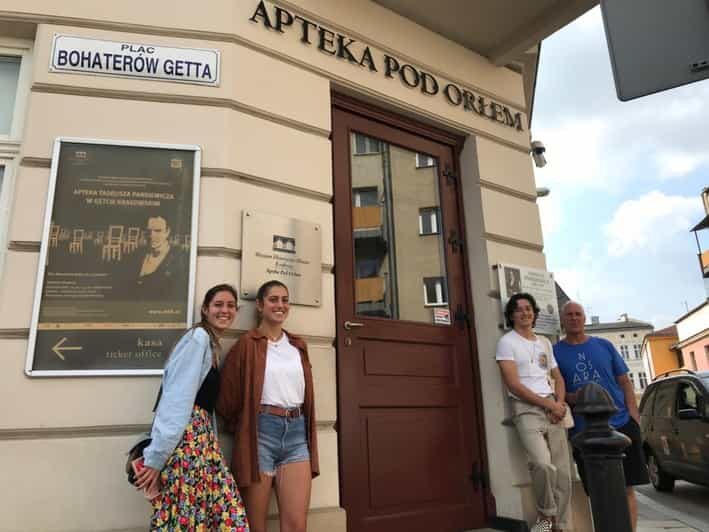
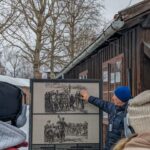
After the museum, the tour includes a one-hour walk through the former Jewish Ghetto in Podgórze. This is where the indoor history takes on a physical scale. You follow streets associated with the ghetto and learn about daily life, acts of resistance, and deportations through personal stories. The guide also points out remnants of the Ghetto Wall, a stark reminder of the isolation and oppression imposed on residents.
The wall fragments are not a complete boundary you can follow around the district. Their importance lies in what remains: a visible trace of a system that separated people from the rest of the city and controlled where they could live. The guide’s interpretation helps explain why a small surviving piece matters, and how it connects to the broader story of confinement.
This walk is not simply a transfer between museum stops. It gives the tour a different kind of evidence. Inside, you encounter exhibits and explanations; outside, you see the streets and landmarks that help orient the history. That shift can make the story easier to hold in your mind, particularly if you are new to Krakow’s wartime past.
Expect the subject matter to be serious. The tour addresses persecution, deportations, and the Holocaust, and it asks you to think about the experiences of people who lived through those events. The tone is intended to be thoughtful rather than light sightseeing. The emotional weight is part of the experience, but it is worth considering whether you want to spend a substantial part of your Krakow day with this material.
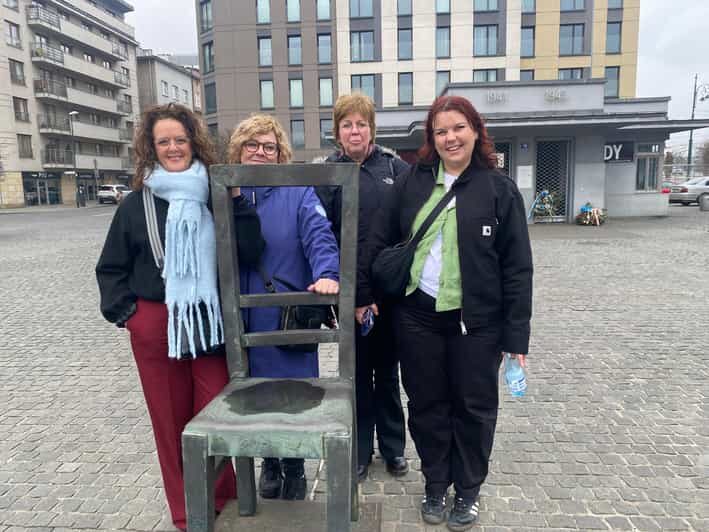
The walk ends at Ghetto Heroes’ Square, a memorial honoring those who perished. It provides a quiet, fitting close to the route and gives the stories a place of remembrance. The square is not just another landmark to tick off. It brings the tour back to the people at the center of the history.
What three hours allows, and what it cannot
The stated duration is three hours, including the guided museum visit and the one-hour walk through the former ghetto. This is a compact way to understand the main connections among Schindler, wartime Krakow, and the ghetto. It is also a real limit. The museum has enough material to occupy much longer if you want to read every panel and take your time.
That makes the tour best understood as an introduction with a strong guide, not a substitute for an unhurried museum visit. You gain a structure: a guide chooses the main points, links the exhibits, and then helps you read the streets outside. You give up some freedom to pause wherever you like. If you prefer exploring at your own speed, the guided format may feel rushed in parts.
The walking section can also feel tiring, especially after time inside the museum. One participant found the ghetto walk long and tiring, so plan for a few hours on your feet rather than assuming this is a mostly indoor activity. Comfortable shoes are specifically recommended, and the tour is not suitable for people with mobility impairments.
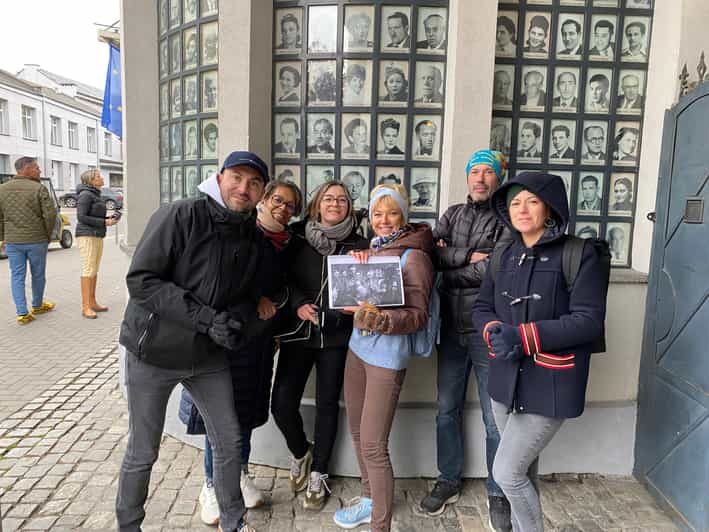
The group is limited to 10, which is a useful middle ground. It is small enough for a more personal feel and easier conversation than a large group, while still giving you the benefits of a guide leading a shared visit. If you have hearing aids or very small ear canals, take note: one participant found the listening earpiece less than ideal. Staying close to the guide may help you hear, but the tour information does not promise an alternative headset.


Is $59 good value?
At $59 per person, the price includes admission to Schindler’s Factory Museum, a guided museum visit, the one-hour ghetto walk, and an English-speaking local guide. The value is not just the ticket. It is the interpretation that joins a complex museum to the district outside, and the chance to ask questions within a group capped at 10.
For someone with limited time in Krakow, that combination can be worthwhile. The guide gives you a clear route through a large subject and explains what you might otherwise miss in the exhibits or on the streets. The small group adds value if you prefer being able to hear and engage without following a large crowd.
The cost is less compelling if you mainly want to read every museum panel at your own speed. In that case, a guided visit may feel too structured, and you may want to set aside additional time for a separate museum visit. The best value comes when you want a concise, connected account, not a long and leisurely museum session.
The tour offers free cancellation up to 24 hours in advance and a reserve-now, pay-later option. These are useful if your plans are still taking shape. Check available starting times when you book, and bring a passport or ID card as well as comfortable shoes. Alcohol, drugs, and audio recording are not allowed.
Who should choose this tour?
I would choose this tour if you want to understand Krakow’s wartime history in context, not just visit a famous building. It suits people interested in World War II, the Holocaust, Schindler’s story, or the city’s history more broadly. It can also work well for a family with older teenagers who are ready for serious subject matter; one guide was praised for keeping teenage sons engaged through details and reflective questions.
It may be less suitable if you need a step-free or low-mobility outing, want a light sightseeing experience, or prefer to spend several hours alone with museum displays. It is also not a tour to squeeze into a day when you are already tired from extensive walking. The subject is heavy, and the route involves a full guided visit followed by time outdoors.
If you want more than Schindler’s personal story, the tour’s wider view of Krakow is a strong reason to book. If Schindler himself is your only interest, be aware that the history of the occupation and the ghetto takes up a substantial part of the experience.
Should you book it?
Book this tour if you value a guide who can connect museum exhibits to real streets and explain the history with care. Its strongest feature is the pairing of Schindler’s Factory Museum with a walk through Podgórze, supported by guides such as Alicja, Dariusz, and Derrick, whose clear storytelling has helped make the past easier to understand.
Go in knowing that the museum is in the former administrative building, not a preserved factory floor, and that three hours is an overview rather than a leisurely deep read. If that balance suits you, $59 buys a focused, small-group introduction to one of Krakow’s most important and difficult chapters.
Krakow: Schindler’s Factory & Jewish Ghetto Guided Tour
FAQ
How long is the tour?
The tour lasts three hours. It includes a guided visit to Schindler’s Factory Museum and a one-hour walk around the former Jewish Ghetto.
What is included in the price?
The price includes entrance tickets to Schindler’s Factory Museum, a guided museum visit, a one-hour walking tour of the former Jewish Ghetto, and a local English-speaking guide.
Is Schindler’s Factory a working factory?
No. The museum is in the historic administrative building of Oskar Schindler’s factory. The original factory machinery is gone.
Where does the tour end?
The walking portion ends at Ghetto Heroes’ Square, a memorial honoring those who perished.
What language is the tour in?
The live guide speaks English.
How large is the group?
The group is limited to 10 participants.
What should I bring?
Bring a passport or ID card and comfortable shoes.
Is the tour suitable for people with mobility impairments?
No. The tour is listed as not suitable for people with mobility impairments.
You can check availability for your dates here: