The turning dervishes ceremony at Kasımpaşa Mevlevihanesi is a religious ritual, not a stage act built for applause. A resident sheikh explains its meaning before the music begins, then you watch the Sema unfold inside a restored lodge founded in the 1620s.
I like two things in particular: you see the ceremony in a historic Mevlevihane, not a generic hall, and the explanation gives you symbols to look for instead of leaving you to guess. The on-site exhibitions add useful context before or after the ritual.
The main drawback is getting there. The lodge sits in a less familiar part of Beyoğlu, and the walk from the Galata Tower area includes steep ups and downs. The ceremony is also quiet and solemn, so it suits you best if you want to understand the practice, not simply watch a brief dance.
- A ceremony with religious meaning: The Mevlevi Sema is a Sufi practice associated with Rumi and recognized by UNESCO as Intangible Cultural Heritage.
- A historic setting: Kasımpaşa Mevlevihanesi was founded in the 1620s and has been restored after a long closure during the 20th century.
- A short, useful introduction: The resident sheikh explains the robes, gestures and four salams in Turkish and English.
- Two exhibitions on site: See objects from the lodge’s past and personal items associated with dervishes.
- A quiet visit, not a spectacle: Photography, video and applause are prohibited during the ceremony.
- A Sufi ceremony in a working heritage setting
- Finding Kasımpaşa Mevlevihanesi
- The sheikh’s introduction gives the ritual a frame
- Music, movement and the four salams
- Exhibitions that extend the visit
- What the price includes, and what it does not
- Who will appreciate this ceremony most
- Should you book it?
- FAQ
- How long does the experience last?
- What language is the introduction in?
- Can I take photos or record video during the ceremony?
- Is the venue wheelchair accessible?
- Are food, drinks or hotel transfers included?
- How do I get to the lodge from Galata Tower?
- Can I cancel my booking?
- The Best Of Istanbul!
- More Tours in Istanbul
- More Tour Reviews in Istanbul
- Not for you? Here's more nearby things to do in Istanbul we have reviewed
A Sufi ceremony in a working heritage setting
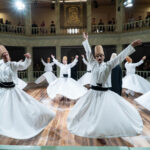
Whirling dervishes are often presented to visitors as a striking image: white robes, a tall hat, a long, steady turn. Here, the Sema is treated as a spiritual practice, not a novelty act. That difference matters. You are asked to watch quietly and pay attention, rather than to expect lighting effects, narration through the whole ritual or a cue to clap at the end.
The ceremony grows out of the Mevlevi Sufi tradition associated with the 13th-century poet Rumi. UNESCO added the Mevlevi Sema ceremony to its Intangible Cultural Heritage list in 2008. The lodge’s setting makes that context feel close at hand: Kasımpaşa Mevlevihanesi is one of Istanbul’s early Mevlevi lodges, founded in the 1620s and later restored after many years closed.
I find that combination of ritual and place gives the visit its particular value. You are not only watching the turning itself. You are entering a building tied to the tradition, hearing an introduction from its resident sheikh and seeing objects connected with the lodge and dervish life. The experience is still brief, at about an hour, but it offers more context than a performance alone.
👉 See our pick of the 25 Best Shopping Tours In Istanbul
Finding Kasımpaşa Mevlevihanesi
The lodge is in Beyoğlu, a short walk from Galata Tower, but it is not necessarily an easy place to spot from the main tourist routes. It sits behind narrow streets, and the approach can feel rather different from the familiar lanes around the tower. One visitor described a walk of about 15 minutes from the Galata Tower area, with uphill and downhill sections. From Şişhane metro station, the walk was estimated at about 20 minutes over hilly streets.
Treat those times as a guide, not a promise. The uneven route and slopes can slow you down, so give yourself extra time rather than arriving at the last moment. The contrast is part of the visit: the streets outside can look modest and worn, while the lodge opens into a restored courtyard and a handsome ceremony hall.
The activity includes skip-the-ticket-line entry, but one account noted that ticket holders still appeared to use the same line. I would not plan a tight connection on the assumption that you can walk straight in. Check the meeting details before setting out, since hotel pickup and drop-off are not included and you make your own way to the venue.
You can also read our reviews of more tours and experiences in Istanbul.



The sheikh’s introduction gives the ritual a frame
On arrival, you are escorted to the ceremony hall. Before the Sema begins, the resident sheikh gives a short introduction in Turkish and English. You hear what the dervishes’ robes signify, why they incline their heads, and what the gesture of one hand reaching upward and the other downward represents. The sheikh also explains the four ritual movements, called salams.
That short talk is an important part of the hour. Without it, the ceremony can be visually absorbing but hard to read. With it, you have a few clear ideas to hold on to as the music and movements begin. The introduction is described as brief, around ten minutes in one account, and it can also make room for questions afterward.
There is a practical caveat: a few people found the English explanation difficult to hear or understand. The sound quality, pace of speech or accent may be a challenge, so bring a little patience. Multilingual booklets are available in Turkish, English, Arabic and Persian, and they can help you follow the ceremony’s stages if you miss a word.
Music, movement and the four salams
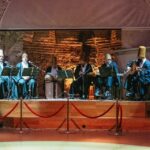
After the introduction, live Sufi music begins and the dervishes enter the hall. The ceremony proceeds through four salams. Rather than treating the turning as a trick or a test of endurance, watch the whole form: the music, the measured movements and the dervishes’ concentration. The Sema is meant to be observed in silence, without applause, photography or video.
That stillness shapes the mood. You will not get the freedom to record a favorite moment, and you should silence or switch off your phone. Modest clothing is recommended as a sign of respect. These rules are not decorative extras; they help preserve the quiet, attentive atmosphere the ritual calls for.
The turning can be mesmerizing, but it is not designed to entertain every kind of audience. If you come expecting a fast-moving dance show, the ceremony may feel slow or restrained. If you are curious about the beliefs and discipline behind the movement, the music and the sheikh’s explanation give you more to consider. The dervishes’ balance and control are visible, but the point is not simply to admire athletic skill.
Seating is available on the first and second floors. The lower level can bring you closer to the dervishes, while the upper floor offers a broader view of the formation. Seating may be first come, first served, so arriving in good time gives you more choice. Think about what you value most: proximity or a view of the group’s pattern.
Exhibitions that extend the visit
Your ticket includes access to two on-site displays: the Tekke Artifacts Exhibition and the Dervish Trousseau Museum. The first focuses on objects connected with the lodge’s history. The second presents personal items used by dervishes over the centuries. Together, they give you a material counterpoint to the ceremony, which is otherwise centered on music, movement and spiritual meaning.
An upstairs gallery adds calligraphy and traditional arts, along with musical instruments, old manuscripts and everyday objects associated with dervish life. That is useful context if you have time to look around before or after the Sema. The hour describes the ceremony itself; you may want a little extra time for the displays, rather than assuming every part of the visit fits neatly inside that hour.
The foundation operating the lodge is a non-profit organization focused on preserving Istanbul’s Sufi heritage. That helps explain the emphasis on continuity and restraint. The purpose is not to turn the Sema into a commercial spectacle, and the exhibitions support the same preservation-minded approach.
More Great Tours NearbyWhat the price includes, and what it does not
At $26 per person, the price covers the one-hour ceremony, the bilingual introduction, exhibition access, a multilingual booklet and skip-the-ticket-line entry. There is no transport, food or drink included. For a short activity, the value depends on what you want from it. If you only want to watch the dervishes turn, the cost may feel high for an hour. If you value the historic venue, ritual explanation and exhibitions as well, it is a more complete cultural visit.
The booking also offers free cancellation up to 24 hours in advance and a reserve-now, pay-later option. Those terms are helpful if your Istanbul schedule is still changing, though they do not remove the need to check the starting time and plan the walk to the lodge.
Wheelchair access is available, with an elevator on site. If access needs are important to your plans, confirm the practical details directly before setting out, since the supplied information does not describe the route through the building in more detail.

Who will appreciate this ceremony most
I would put this high on the list if you are interested in Sufi practice, Turkish culture, religious music or the history of Istanbul’s lodges. It is also a good choice if you prefer small-scale, quiet cultural experiences to highly produced entertainment. The explanation and exhibitions make it approachable even if you know little about the Mevlevi tradition.
It may be a less satisfying choice if your main goal is an energetic dance performance, a photo opportunity or an easy stop directly beside a major sight. You cannot record the ceremony, the location takes some effort to find, and the ritual asks you to sit quietly. Some people may also find the turning itself less compelling than the ceremony’s context.
The one-hour format makes it relatively easy to fit into a day, but the walk and the exhibitions can add time around it. I would pair it with nearby Beyoğlu sights only if you have allowed room for the hilly route and a relaxed visit inside the lodge.
Should you book it?
Book this if you want to see the Mevlevi Sema in a historic lodge and understand what you are watching. The resident sheikh’s introduction, live music and exhibitions make the $26 ticket more than a seat at a performance. Go with realistic expectations: this is a solemn ritual, the approach is hilly, and the best moments are the ones you watch rather than photograph.
Istanbul: Whirling Dervishes Ceremony in a Real Mevlevihane
FAQ
How long does the experience last?
The ceremony lasts one hour. The exhibitions are also included, so allow extra time if you want to see them before or after.
What language is the introduction in?
The resident sheikh gives the introduction in Turkish and English. Booklets are available in Turkish, English, Arabic and Persian.
Can I take photos or record video during the ceremony?
No. Photography and video recording are prohibited during the ceremony, and applause is also not allowed. Silence or turn off your phone.
Is the venue wheelchair accessible?
Yes. The venue is wheelchair accessible and has an elevator on site.
Are food, drinks or hotel transfers included?
No. Hotel pickup and drop-off, food and beverages are not included.
How do I get to the lodge from Galata Tower?
The lodge is a short walk from Galata Tower, but the route includes uphill and downhill sections. One estimate puts the walk at about 15 minutes. Allow extra time, as the streets can be difficult to navigate.
Can I cancel my booking?
Yes. You can cancel up to 24 hours in advance for a full refund.
You can check availability for your dates here: