Moroccan cooking makes more sense when you get to handle the spices, chop the vegetables and watch a tagine come together. This four-hour class takes you from a meeting point beside Andalusia restaurant into a family home in the Medina, where you cook and eat with Chef Fatima, Yasser or other family members.
I like two things in particular: you learn practical ways to recognize Moroccan spices, and the class makes room for vegetarian, vegan and allergy needs. You also get a full meal, not just a taste of what you cooked.
One thing to consider: some classes are mixed, with meat dishes prepared alongside vegetarian food. The ingredients are kept separate, but if you want a fully meat-free cooking space, ask about the session before booking. Finding the house can also take a little patience in the Medina’s winding lanes.
- At a glance
- From the meeting point to the family home
- Learning the spices before you cook
- A starter, a main and something sweet
- Sitting down to eat what you made
- What gets you
- Who will enjoy this class most
- Should you book it?
- FAQ
- How long is the cooking class?
- What dishes will I cook?
- Can the class accommodate vegans and vegetarians?
- Where is the meeting point?
- What is included in the price?
- What languages are available?
- More Food Experiences in Marrakesh
- More Tours in Marrakesh
- More Tour Reviews in Marrakesh
- Not for you? Here's more nearby things to do in Marrakesh we have reviewed
At a glance
 1 / 8
 2 / 8
 3 / 8
 4 / 8
 5 / 8
 6 / 8
 7 / 8
 8 / 8
- A family home in the Medina: Meet near Andalusia restaurant, then continue to an authentic Moroccan house.
- A four-hour cooking session: Make a starter, a main dish and dessert, then sit down to eat together.
- Spice know-how: Learn how Moroccan spices are used and what to look for if you shop for them in the souks.
- Vegetarian and vegan options: The class can accommodate plant-based diets and allergies. In mixed sessions, other participants may cook meat.
- A $30 meal and lesson: Drinks, cookies, the cooking class and the meal are included. Transport is not.
- French and English instruction: An English and French audio guide is also listed as included.
From the meeting point to the family home
The class starts beside Andalusia restaurant, not at the cooking venue itself. The chef meets you there and accompanies you to the house, an especially useful touch in a part of Marrakech where turns and small passages can be hard to follow.
Give yourself time to find the meeting point, and keep the host’s contact details handy. One visitor found that even a taxi driver struggled to locate the spot, and the final stretch required a family member to lead the way through back passages. That is not a reason to skip the class, but it is a good reason not to arrive at the last minute.
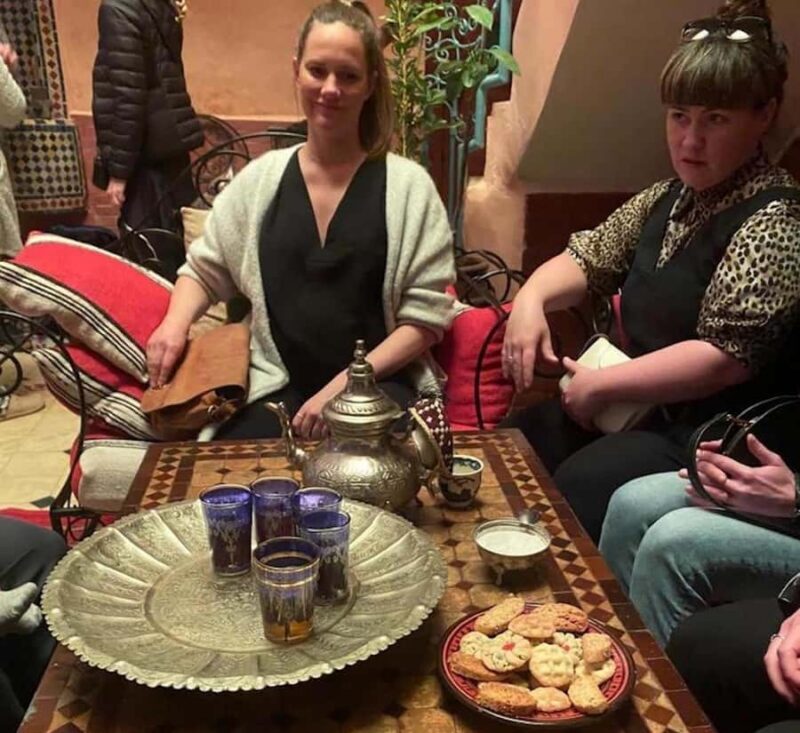
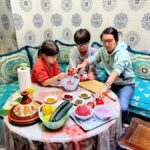
Once inside, the welcome is informal: Moroccan tea, coffee or juice, along with cookies and conversation with the chef’s family. The setting matters. This is not just a lesson in recipes; you get a glimpse of how a Moroccan family hosts and eats at home. The chance to ask about daily life and food customs gives the meal more context than a restaurant order can.
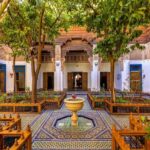
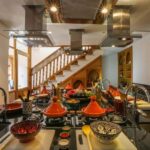
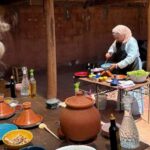
The setting is described as an authentic house in the heart of the Medina. Past sessions have also taken place in a family riad, with cooking on a terrace. The exact room or cooking area may vary, so book for the class and its hands-on instruction rather than expecting one particular view or layout.
You can also read our reviews of more tours and experiences in Marrakesh
Learning the spices before you cook
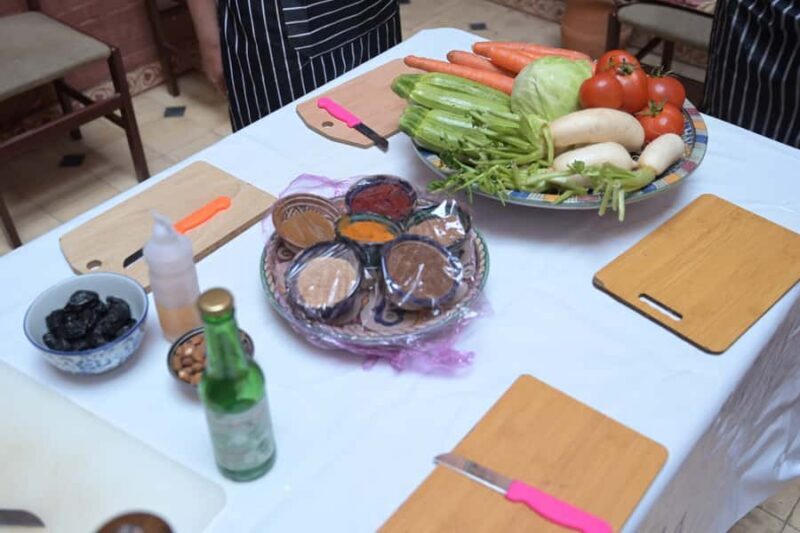
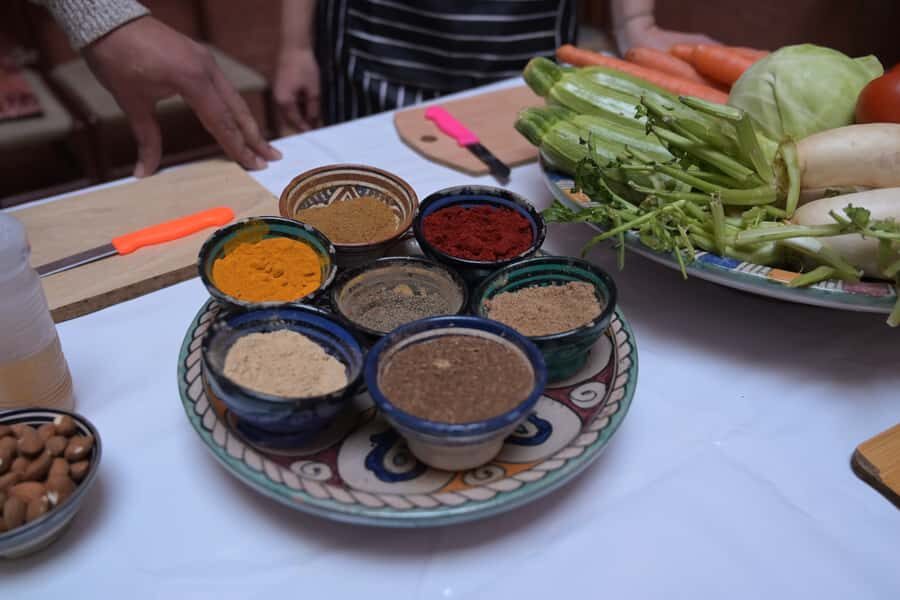
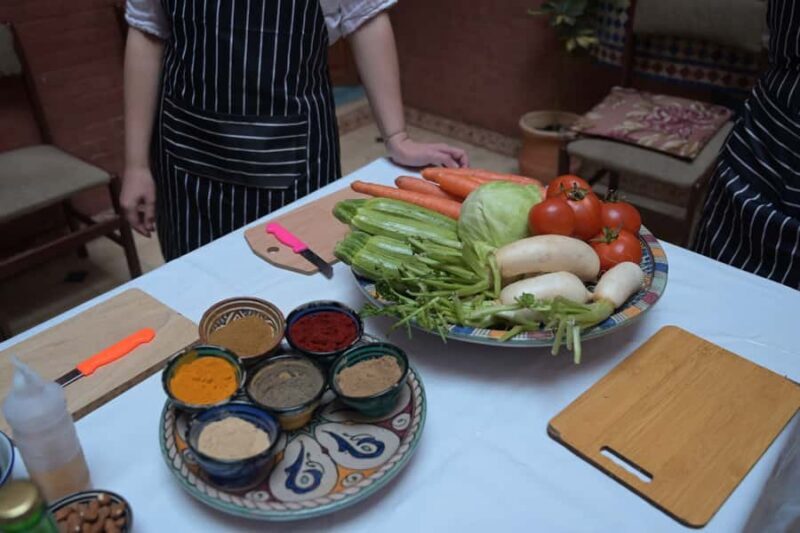
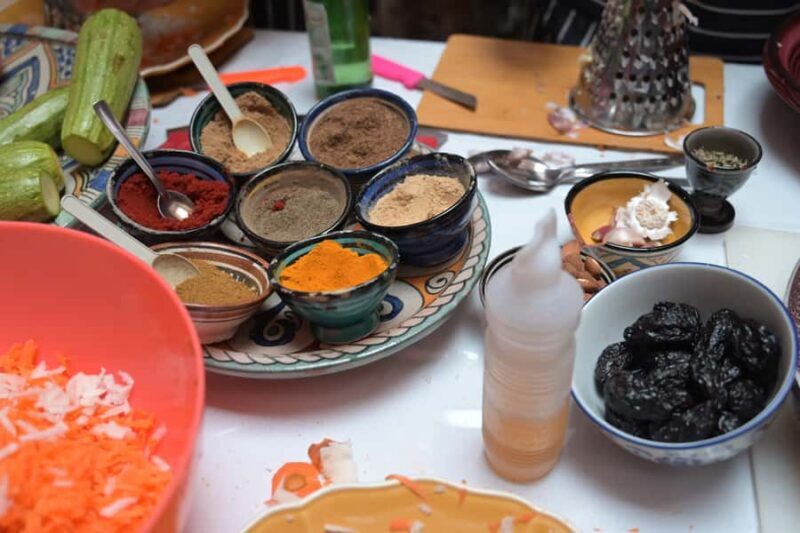
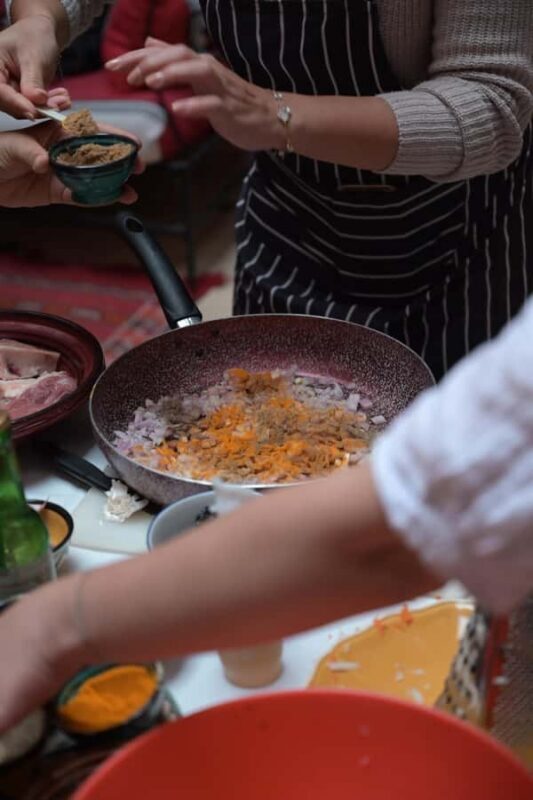
The lesson begins with Moroccan spices and ingredients. You get to taste and learn about the seasonings that shape the dishes, with guidance on how to choose them if you later browse the souks. That is useful beyond the four hours: a little familiarity helps you shop with more confidence and understand why two spice blends that look similar may be used differently.
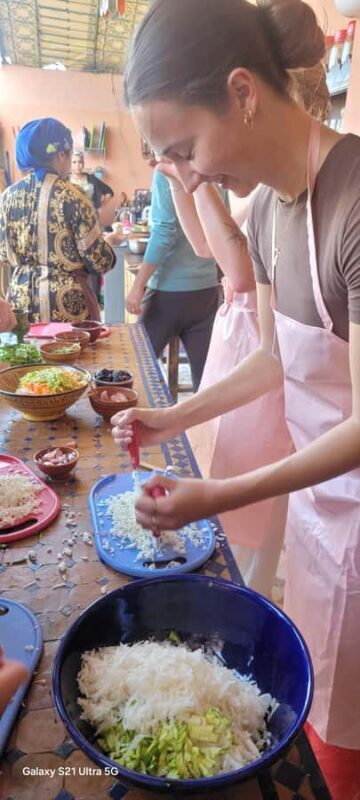
The class is hands-on, not a cooking demonstration where you sit back and watch. You are given the ingredients and equipment needed for the recipes, and the chef explains the steps as you prepare them. Participants have described taking part in chopping and cooking, including the full process of making tagine.
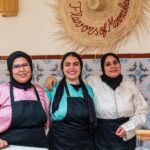
That practical approach also makes room for questions. Yasser is often the instructor, while Fatima teaches some sessions; both names come up in connection with warm, patient instruction. The class is offered in French and English. A little food vocabulary is helpful, but the instruction is meant to guide you through the work, not leave you guessing at a recipe.
A starter, a main and something sweet
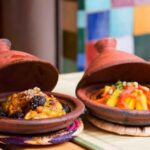
The menu is suggested by the chef, with options that can include Moroccan salads or briwat for a starter, then tagine, couscous or tanjia as the main dish. Dessert rounds out the meal. The exact dishes depend on the session, so think of this as a chance to learn a set of Moroccan cooking techniques rather than a promise of one fixed menu.
Vegetarians and vegans can be catered for, and the class can account for allergies. For a vegan meal, there is plenty to work with: plant-based tagine and several sides have been prepared in mixed classes, with participants who were cooking chicken keeping their food separate. Still, if avoiding contact with meat matters to you, check whether your particular class will include meat before you reserve.
The cooking pace is one reason the four-hour format is appealing. You have time to work through several dishes without turning the lesson into a rushed checklist. A shorter class could leave less room for conversation and practice; here, the point is to prepare, learn and then sit down to eat.
You can take pictures as you go. Focus on the chef’s explanations as well as the finished plates: tips on spice combinations, cutting and cooking methods are the sort of details that are harder to pick up from a recipe alone.
Sitting down to eat what you made
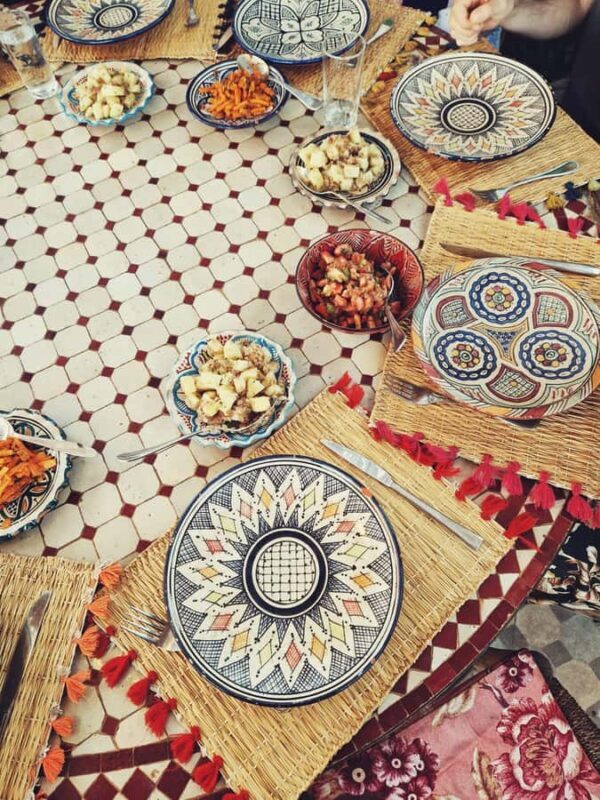
After the cooking comes the meal, shared with the family and the rest of the group. It is a satisfying way to finish: you taste the results while the steps are still fresh in your mind, and the meal gives the class a relaxed, social close.
The food is a major part of the appeal. Several dishes are made during the session, so there is more to sample than a single tagine. In vegan and vegetarian sessions, the vegetable main and sides can make a generous spread. One small caveat: dessert may be simpler than the savory dishes, depending on what is prepared.
The group atmosphere can be part of the fun, especially if you enjoy cooking alongside other people and sharing a meal. It also means the session is not necessarily private. If you would rather have the kitchen to yourself, or want to confirm how dietary dishes are handled, ask before booking.
At the end, you are offered a gift. Some participants have also bought spices, tea or saffron from the family. Treat that as an optional extra, not part of the $30 price; the stated inclusions are the lesson, drinks and cookies, and the meal.
What $30 gets you
At $30 per person, this is good value if you want both a substantial meal and an activity that teaches you something you can use at home. You get four hours of instruction, a starter, main dish and dessert to prepare, drinks and cookies, and the food you make. That is a stronger deal than paying for a meal alone, particularly if you enjoy being involved in the preparation.
The value is not just the quantity of food. You leave with a better sense of how Moroccan spices are used and how a few traditional dishes are built. Some instructors have also shared recipes afterward through WhatsApp, which can help you recreate the dishes, but that follow-up is not listed as a guaranteed inclusion.
Transport is not included, so plan your own route to the meeting point. The class is listed as wheelchair accessible, but if you have particular access needs, confirm the route and cooking setup with the provider before booking. The activity lasts four hours, and available starting times depend on the date you choose.
You can also read our reviews of more cooking classes in Marrakesh
Who will enjoy this class most
I would choose this class if you want a meal with a story behind it, or if you like bringing home skills rather than only souvenirs. It suits curious cooks, first-time visitors who want an introduction to Moroccan food, and families looking for a shared activity. A parent has taken the class with a 12-year-old daughter, so it can work as a family outing, though the hands-on kitchen format is best for people happy to participate.
Vegetarians and vegans have good reason to consider it: the class can adapt dishes, and plant-based cooking is a genuine part of the meal. But do ask about the group menu if sharing a kitchen with meat preparation would make you uncomfortable. That simple check can prevent a mismatch between what you expect and how a mixed class works.
If you are mainly after a polished restaurant meal, this may not be the best use of four hours. The food is the reward, but the preparation and conversation are the heart of the activity. Likewise, if you have a tight schedule, allow for the full duration plus the effort of getting to the meeting point.
The class has free cancellation up to 24 hours before the activity, and a reserve-now, pay-later option is available. Those terms make it easier to keep plans flexible, but they do not remove the need to confirm the meeting location and any dietary details in advance.
Should you book it?
Book this class if you want to cook Moroccan food, ask questions about spices and share a homemade meal in a family setting. The four-hour format gives the lesson room to breathe, and the $30 price covers both the class and what you eat.
Before reserving, confirm how your dietary needs will be handled, especially if you are vegan and want to avoid being near meat preparation. Then plan carefully for the Medina meeting point. If those details suit you, this is a practical, sociable way to spend half a day and take a little Moroccan cooking knowledge home.
Marrakech: Moroccan Cooking Class for vegetarians and vegan
FAQ
How long is the cooking class?
The class lasts four hours. Starting times depend on availability for your chosen date.
What dishes will I cook?
You may prepare a starter such as Moroccan salads or briwat, a main such as tagine, couscous or tanjia, and a Moroccan dessert. The chef suggests the menu.
Can the class accommodate vegans and vegetarians?
Yes. Vegetarian and vegan diets, as well as allergies, can be accommodated. Some sessions may include participants cooking meat, so ask about the setup if that is a concern.
Where is the meeting point?
The meeting point is beside Andalusia restaurant. The chef meets you there and guides you to the home in the Medina.
What is included in the $30 price?
The cooking lesson, drinks and cookies, and the meal are included. Transport is not included.
What languages are available?
The instructors teach in French and English. An English and French audio guide is also listed as included.
You can check availability for your dates here: