Topkapi Palace and the Basilica Cistern make a fine pair: one reveals the Ottoman court above ground, the other an ingenious Byzantine water system below it. In about three to three and a half hours, you get a guide to connect the sights and admission to both.
I like that the group is limited to eight people, which should make it easier to hear the guide and keep the visit moving. I also like the option to enter the Harem, where the palace’s private rooms add a closer look at royal daily life.
The main trade-off is the pace. These are large, busy sites with lots of walking, stairs and security checks, and the timed tickets leave little room for late arrivals. The tour’s overview mentions Hagia Sophia, but the listed admissions and stops are Topkapi Palace, the Harem and the Basilica Cistern, so don’t book expecting a Hagia Sophia visit.
- Key points to know before you go
- Topkapi’s palace world, with the Harem as a bonus
- The Basilica Cistern’s columns and Medusa heads
- A compact route through Sultanahmet
- What the price buys you
- Timing, clothes and other useful details
- Who should book this Istanbul tour?
- FAQ
- Does the tour include Hagia Sophia?
- How long does the tour take?
- Where is the meeting point?
- What departure times can I choose?
- What is included in the tour?
- Is the Harem guided?
- How large is the group?
- Is the tour wheelchair-accessible?
- What happens if the Basilica Cistern is closed?
- The Best Of Istanbul!
- More Tickets in Istanbul
- More Tours in Istanbul
- More Tour Reviews in Istanbul
- Not for you? Here's more nearby things to do in Istanbul we have reviewed
Key points to know before you go
 1 / 7
 2 / 7
 3 / 7
 4 / 7
 5 / 7
 6 / 7
 7 / 7
- Two distinct sights: See the former Ottoman palace, then the Byzantine cistern beneath Sultanahmet.
- A small group: The stated group size is one to eight participants.
- Harem access included: The Harem visit is self-guided, even though the rest of the tour has an English-speaking guide.
- Timed entry matters: Cistern tickets expire within five to ten minutes, so arrive early and stay with the group.
- Expect stairs and walking: The cistern has 50 steps and no lift; the tour is not wheelchair-accessible.
- Check your price and schedule: Prices vary by package, and the stated duration ranges from three to three and a half hours.

👉 See our pick of the 25 Best Shopping Tours In Istanbul
Topkapi’s palace world, with the Harem as a bonus
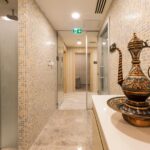
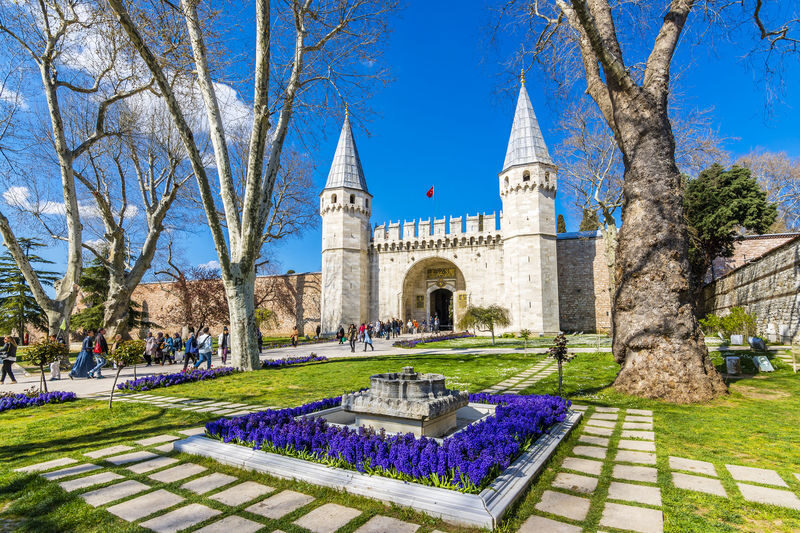
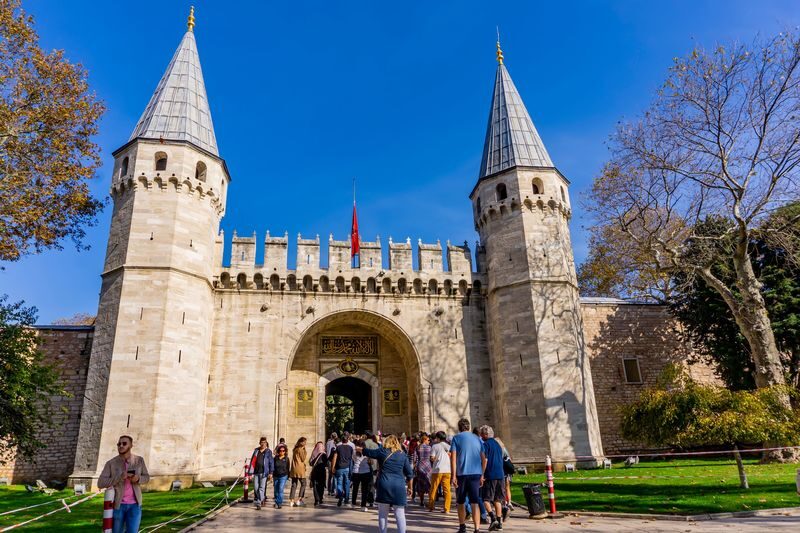
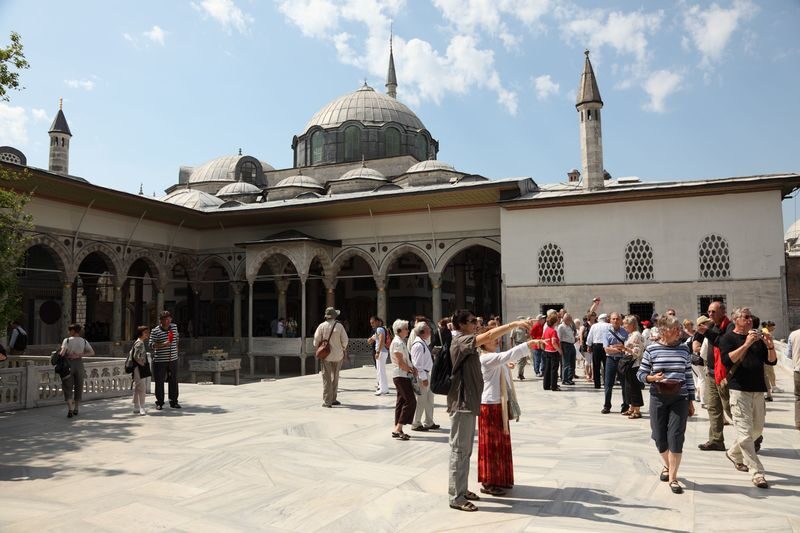
Topkapi Palace was the Ottoman sultans’ residence, and it is the main event here. A guided visit helps you make sense of a sprawling complex that can otherwise feel like a sequence of courtyards, buildings and grand names. You hear the stories behind the imperial setting instead of simply moving from room to room.
That context is useful because Topkapi is not one tidy palace interior. It is a large site, and its scale can make it hard to grasp how the court worked or how daily life unfolded. A guide can connect the spaces to the Ottoman Empire and explain what you are looking at as you go.
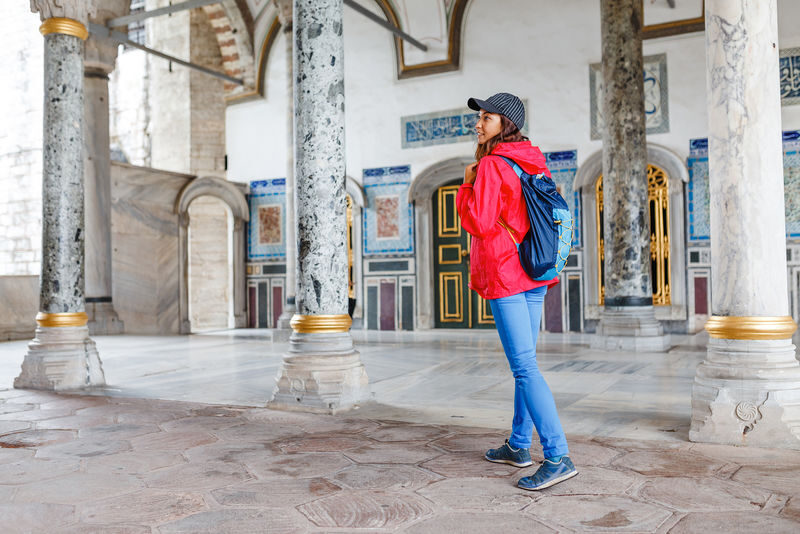
The tour includes admission to the palace and the Harem. The Harem offers a closer view of private royal life, beyond the public-facing court. Keep in mind, though, that this stop is self-guided. You can explore it at your own pace, but the guide’s explanation does not continue through every part of the Harem.
The palace visit is also where a guide’s skill matters most. A small group gives you a better chance to hear explanations and ask a question than a large crowd would. Batu is one guide associated with the experience and has been praised for clear, generous explanations, but guide assignments can vary.
Allow for a lot of walking. The palace grounds are extensive, and the full tour also includes the cistern. Wear shoes you can manage on stairs and uneven or busy visitor routes. The tour is not recommended for people with disabilities, and it is not wheelchair-accessible.
You can also read our reviews of more tours and experiences in Istanbul



The Basilica Cistern’s columns and Medusa heads
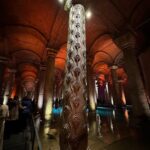
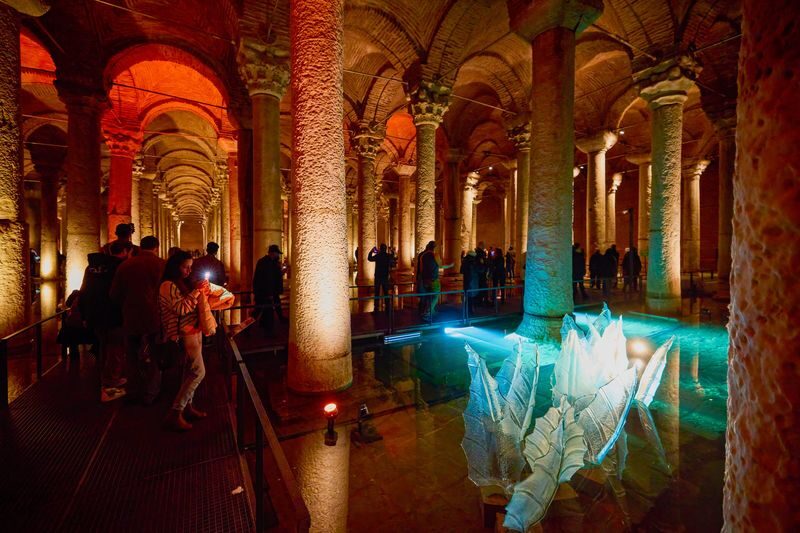
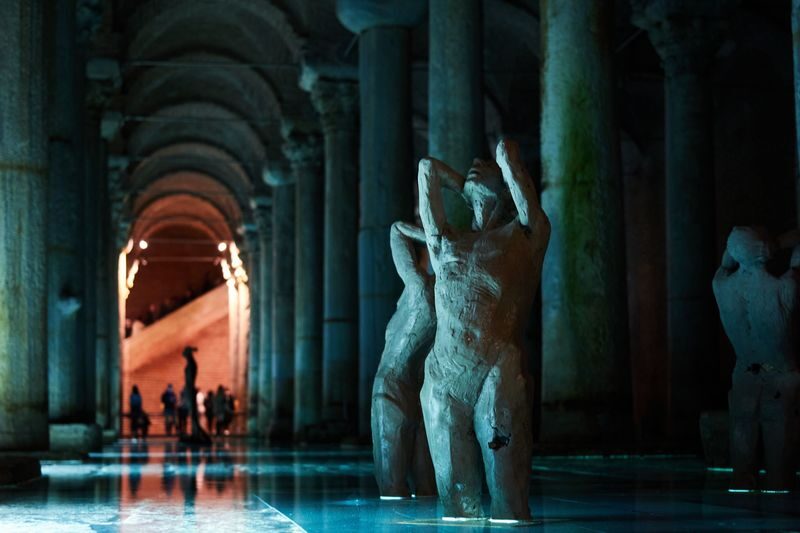
The Basilica Cistern, also called the Subterranean Palace, shifts the mood completely. Instead of open palace courtyards, you descend into a dim underground space and follow wooden platforms above the water. Rows of ancient columns create a forest-like view, while the famous upside-down Medusa heads give the visit its most memorable detail.
The cistern is more than a striking place to take in. It shows how Byzantine engineers built and managed water infrastructure beneath the city. With a guide, you get a useful explanation of that practical purpose alongside the visual drama. The contrast with Topkapi is part of the appeal: you move from imperial power to the systems that helped a city function.
There are 50 steps and no lift at the cistern. That matters if you have limited mobility, trouble with stairs or a need to avoid steep descents. The tour’s overall walking load is considerable, so this is not a low-effort sightseeing option.
Entry is timed, and tickets expire within five to ten minutes. That makes punctuality more than a matter of courtesy: if the group misses its slot, the ticket may no longer be valid. The attraction can also have airport-style security, with longer waits in high season, so keep some flexibility in your day.
If the Basilica Cistern is closed, the planned alternative is either Serefiye, also known as the Cistern of Theodosius, or Binbirdirek, the Cistern of Philoxenos. The exact replacement depends on the circumstances, but you should still expect a cistern visit rather than a refund or an added stop.
A compact route through Sultanahmet
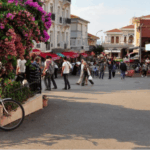
The meeting point is in Sultanahmet Square, in front of the Fountain of Sultan Ahmed III. Look for the guide holding a Tourmania flag. The location is close to the palace area, so the tour begins in the historic center rather than with a hotel pickup or a transfer across town.
There are two stated departure options, 09:00 and 13:30. Arrive 10 minutes early and go to the time you selected when booking. The listed return times are 12:30 and 16:30, depending on your departure and the itinerary. The tour description gives a three-hour duration, while the schedule lists three and a half hours. In practice, set aside roughly three to three and a half hours and avoid scheduling a tight onward commitment.
One practical wrinkle: groups can be delayed if participants are late. Arriving early protects your own place, but it may not prevent a wait if the rest of the group is not ready. A small group can make the guide easier to follow, yet the whole party still needs to move together to meet timed entries.
There is no hotel pickup or drop-off. You are responsible for getting to the fountain and making your way back afterward. That is manageable if you are already exploring Sultanahmet, but factor in transport time if you are staying elsewhere in Istanbul.
What the price buys you
The price shown starts at US$156.69, while the small-group package information gives a starting price of US$136.25. Treat those as different displayed starting prices, not a guaranteed single rate. The amount you pay can depend on the package and booking details, so check the selected option before confirming.
The main value is the combination of admission and guidance at two major sights. You avoid buying the listed entry tickets separately and have an English-speaking guide to explain the palace and cistern. For a first visit, that context can make a short tour more rewarding than simply passing through both sites on your own.
The group size of up to eight is another part of the value. It is small enough to feel more personal than a large tour, though it is not a private tour. You should not expect to set the pace or route entirely around your interests.
Meals, drinks, hotel transfers, personal expenses and tips are not included. Budget separately for those, and remember that this is a focused sightseeing tour rather than a full day of hosted services. The Harem is included, but its visit is self-guided, so the guide’s attention is not continuous at every stop.
For an independent visitor who mainly wants entry, a guided tour may cost more than a ticket-only option. You are paying for the guide and for having the main visits organized around timed access. If you prefer to read at your own pace or spend a long time in each room, compare that convenience against the freedom of going independently.
Timing, clothes and other useful details
There are two departures, at 09:00 and 13:30. Choose the one that fits your energy and plans, then arrive at the Fountain of Sultan Ahmed III at least 10 minutes early. The voucher is valid only on the date and time specified, and late arrivals or no-shows are not refundable.
Bring a mobile voucher for entry. Children and infants must be included in the passenger count, and children aged seven and older are charged the same rate as adults. The stated group size is one to eight participants.
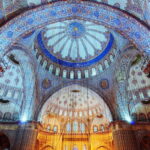
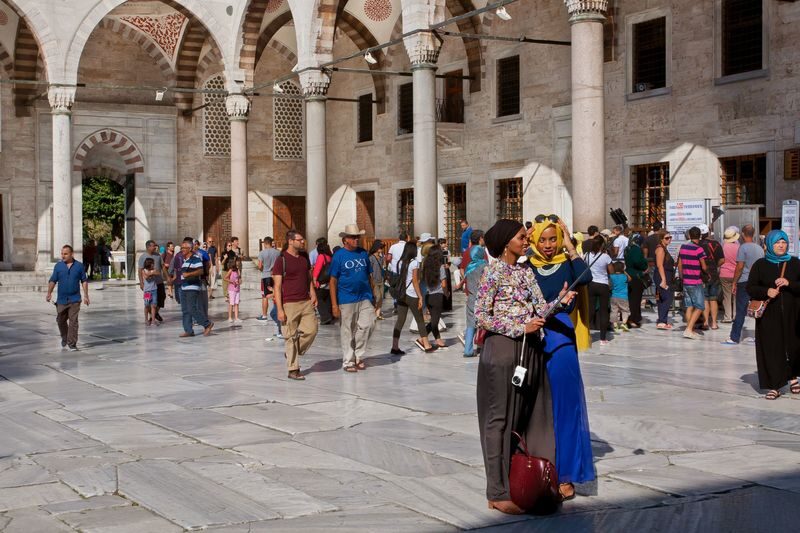
Wear comfortable shoes and clothes suited to considerable walking and stairs. The tour information advises against flip-flops, shorts, tank tops and sleeveless shirts for smooth entry. It also says women need a headscarf when entering a mosque. No mosque visit is listed among the included stops, so check the day’s route if this detail matters to you, and bring a scarf as advised.
The experience is not wheelchair-accessible and is not recommended for people with disabilities. The cistern’s 50 steps and lack of a lift are especially important to consider. Security checks can take longer in high season, another reason not to plan a tight connection immediately after the tour.
You can also read our reviews of more guided tours in Istanbul




Who should book this Istanbul tour?
I’d choose this tour if you want a guided introduction to two major sites and would rather have the admissions and route handled together. It suits first-time visitors who value stories and context, especially those who want to understand the palace’s Ottoman setting and the cistern’s Byzantine engineering in one compact outing.
It is also a good fit if you have limited time in Sultanahmet. The stops are close enough to form a focused visit, and the small group should help you stay connected to the guide. The named guide Batu has been praised for his explanations, but you cannot count on a particular guide being assigned.
I would think twice if you need step-free access, dislike group schedules or want to linger for hours at Topkapi. The tour involves substantial walking, a timed cistern entry and a self-guided Harem stop. And if Hagia Sophia is a must-see, plan to visit it separately: despite the broad tour overview, it is not among the stated admissions or itinerary stops.
For most visitors who want a well-organized introduction rather than a ticket-only visit, the combination is worthwhile. Just arrive on time, wear sensible shoes and make sure the selected package and price match what you intend to book.
Topkapi Palace, Harem and Basilica Cistern Guided Tour with Tickets
“it was easy to find the tour group – we had a nicely managed time in a huge palace and the cistern. guide was very knowledgeable and generous in hi…”
FAQ
Does the tour include Hagia Sophia?
No Hagia Sophia admission or stop is listed among the included visits. The stated tour includes Topkapi Palace, the Harem and the Basilica Cistern.
How long does the tour take?
The summary gives a duration of three hours, while the itinerary gives three hours and 30 minutes. The listed return times are 12:30 for the morning departure and 16:30 for the afternoon departure.
Where is the meeting point?
Meet in front of the Fountain of Sultan Ahmed III in Sultanahmet Square. Look for the guide holding a Tourmania flag.
What departure times can I choose?
The stated departure options are 09:00 and 13:30. You must attend the time selected when booking.
What is included in the tour?
Admission to Topkapi Palace, the Harem and the Basilica Cistern is included, along with an English-speaking guide.
Is the Harem guided?
No. The Harem stop is self-guided, while the tour includes an English-speaking guide for the experience.
How large is the group?
The stated group size is one to eight participants.
Is the tour wheelchair-accessible?
No. The activity is not wheelchair-accessible, involves considerable walking and stairs, and the Basilica Cistern has 50 steps with no lift.
What happens if the Basilica Cistern is closed?
The alternative is a visit to either Serefiye, also called the Cistern of Theodosius, or Binbirdirek, also called the Cistern of Philoxenos.