The heart of this Zadar workshop is the peka, a bell-shaped lid that traps heat from hot embers as bread bakes beneath it. You’ll make and knead your own dough, then learn how this traditional cooking method fits into Dalmatian home life. The payoff is warm bread at the table, served with local cheese and olive oil.
I like two things especially: the hands-on baking gives you something to do, and the time while the bread cooks is filled with stories about Croatian food, history, and daily life. The Maraschino tasting adds a local flavor of its own. One consideration: the workshop is outside Zadar’s historic old town, so allow time to reach the meeting place.
- What makes this workshop worth your time
- Kneading dough, the Dalmatian way
- How the peka turns dough into bread
- Stories and Maraschino while the bread bakes
- Warm bread, cheese, and olive oil at the table
- Getting there, timing, and value
- Who will enjoy this bread-making class
- Should you book the Zadar bread workshop?
- FAQ
- How long is the workshop?
- How much does it cost?
- Do I need baking experience?
- What is a peka?
- What food and drink are included?
- Is the workshop suitable for children?
- What language is the class in?
- How many people are in each group?
- Is the activity wheelchair accessible, and can I cancel?
- The Best Of Zadar!
- More Workshops & Classes in Zadar
- More Tours in Zadar
- More Tour Reviews in Zadar
- Not for you? Here's more nearby things to do in Zadar we have reviewed
What makes this workshop worth your time
 1 / 8
 2 / 8
 3 / 8
 4 / 8
 5 / 8
 6 / 8
 7 / 8
 8 / 8
- You make the dough yourself: No baking experience is needed, and the instructor helps you through the hands-on steps.
- The peka is the lesson as well as the oven: You’ll see how a traditional bell-shaped lid and hot embers are used to bake bread.
- The wait has a purpose: While the bread cooks, your host shares stories about Dalmatian rural life, cooking, and local ingredients.
- The tasting is tied to Zadar: Maraschino, the city’s famous liqueur, comes with an explanation of its local story. Children receive apple juice instead.
- The group stays small: With a maximum of eight participants, there’s room to ask questions and get help with the dough.
- The bread comes with local accompaniments: You’ll taste it warm with cheese and extra virgin olive oil. Dried figs have also appeared at some sessions, but they are not listed as a guaranteed inclusion.
👉 See our pick of the 22 Best Guided Tours In Zadar
Kneading dough, the Dalmatian way
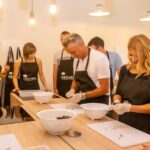
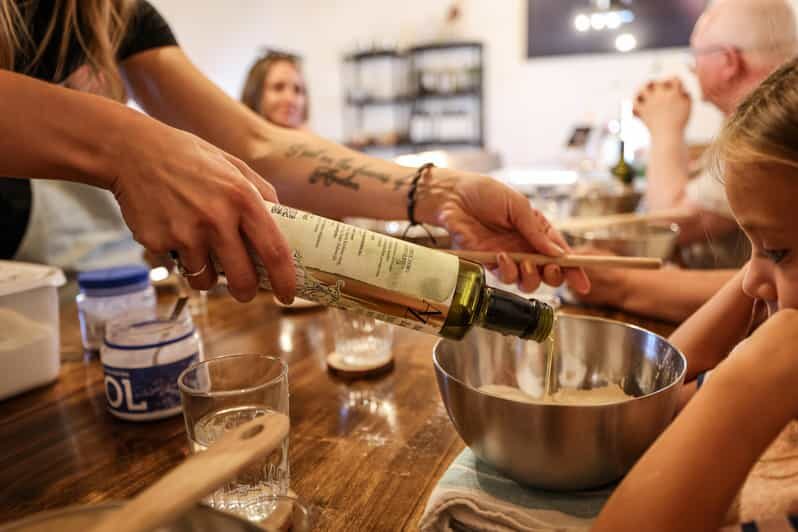
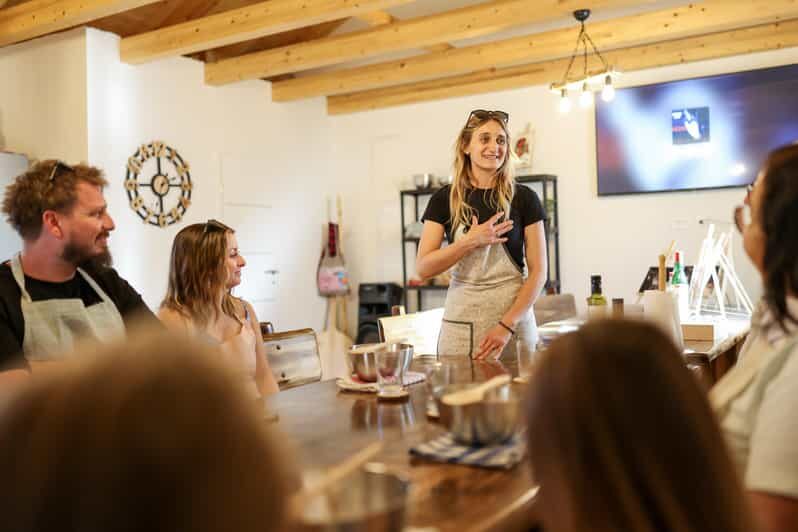
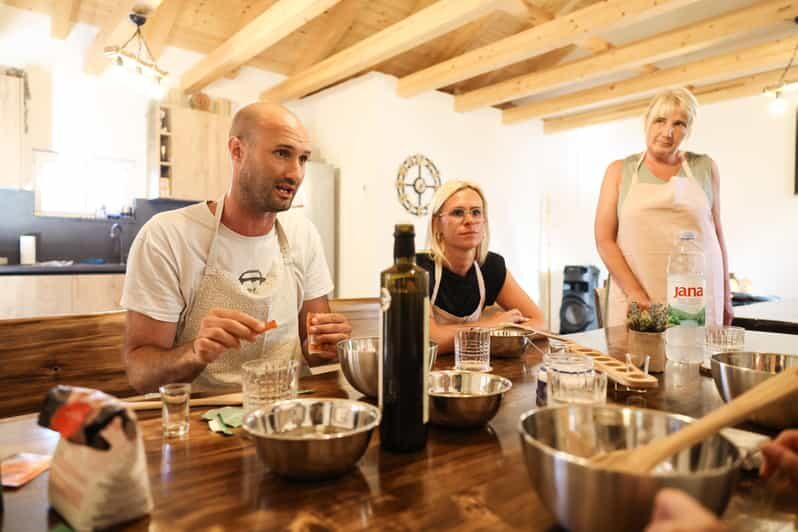
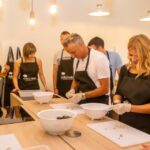
The workshop begins with the practical work: preparing and kneading bread dough. You don’t need prior baking skills, and this isn’t a class where you’re expected to arrive knowing the difference between a gentle fold and an overworked loaf. The instructor guides the process and helps as needed.
That makes this a good fit if you want to take part without signing up for a demanding cooking course. You’ll get your hands into the dough and learn how the traditional bread is made, but the focus is on a relaxed introduction rather than mastering every variable in a baker’s recipe.
The small-group cap of eight matters here. Bread making is easier to follow when you can see the steps and ask for help without competing with a crowd. Hosts mentioned for the workshop include Monika, Monica, Tonka, and Dom. The instructor may vary, but the class is in English.
You can also read our reviews of more tours and experiences in Zadar
How the peka turns dough into bread
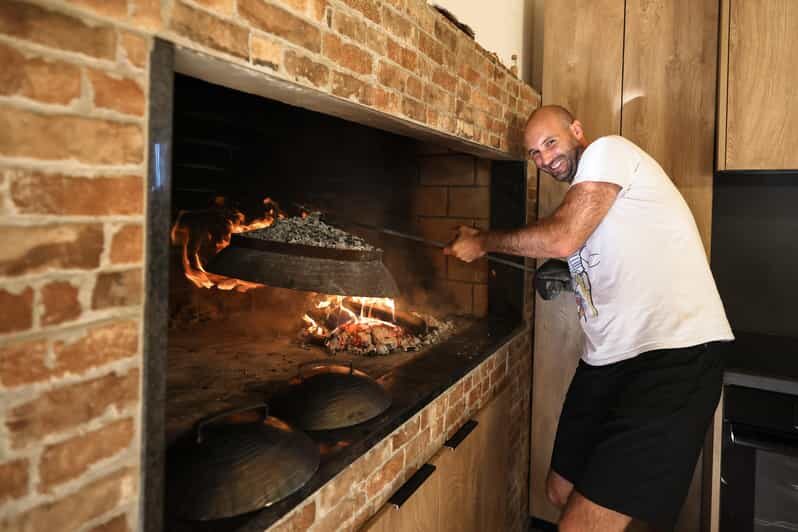
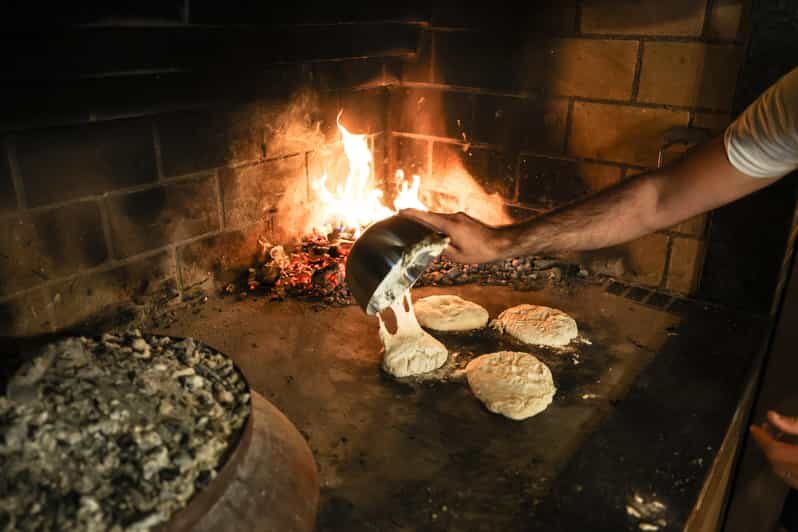
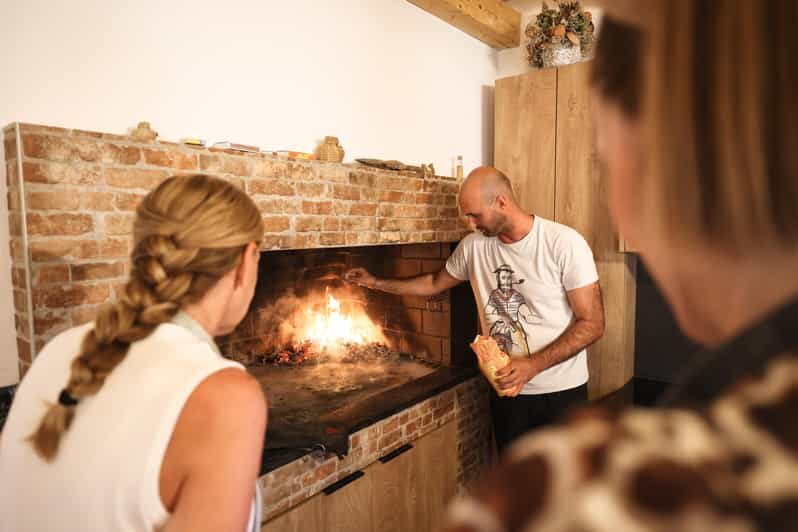
Once the dough is ready, it goes under the peka, a heavy, bell-shaped lid used with hot embers. The method is part of the appeal: instead of simply hearing about an old cooking tradition, you see how the lid and heat are used to bake the loaf.
The workshop’s description traces this way of cooking to generations of Dalmatian families. That context gives the bread a place in everyday life, rather than treating it as a recipe detached from the people who made it. The host explains the cooking technique and the local ingredients that have shaped food in the Zadar region.
You won’t be baking a menu of different dishes. Bread is the main event, and the available details don’t promise a choice of flavors or a chance to customize your loaf. One participant suggested allowing more time for a fluffier bread, which is useful to bear in mind if you’re hoping for a long, technical baking lesson. At 75 minutes, this is a compact cultural activity with real participation, not a full-day class.
Stories and Maraschino while the bread bakes
The bread needs time under the peka, and the session uses that pause for conversation and tasting. You’ll hear about Dalmatian rural life, traditional cooking, and Croatian culture and history. The format is informal, so it’s a natural chance to ask questions rather than just watch a demonstration.
Maraschino is the featured local drink. The liqueur has a connection to Zadar, and the host explains its story as part of the tasting. For children, the included alternative is apple juice. The listed inclusion is Maraschino, though past sessions have also featured other local spirits. Don’t count on those additional tastings being part of every booking.
This stretch of the workshop helps make the 75 minutes feel like more than a recipe lesson. You get a taste of a local drink and a window into the region’s customs, with the host’s stories giving the bread-making method a broader setting. The tone is often described as warm and humorous, but the exact style will depend on who leads your session.
Warm bread, cheese, and olive oil at the table
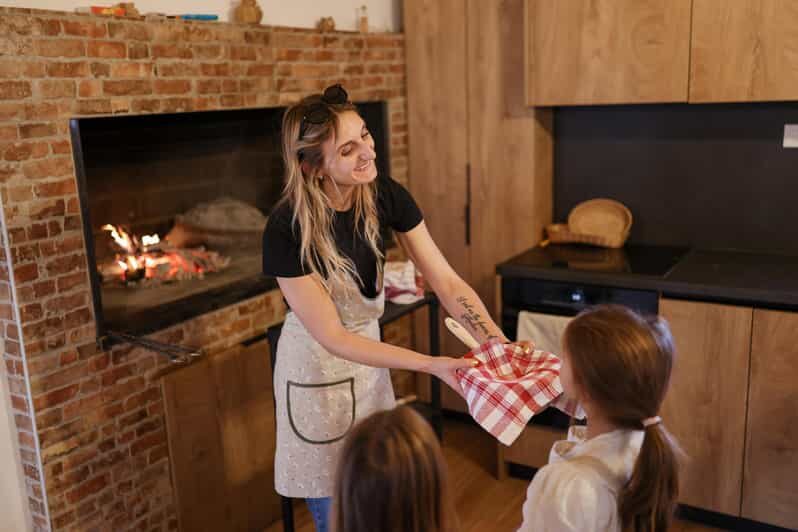
When the peka is lifted and the bread is ready, you sit down to taste what you made. The listed accompaniments are local cheese and extra virgin olive oil, a simple pairing that lets the fresh bread do most of the work.
The bread is meant to be eaten warm. Expect a straightforward finish to the activity, not a full meal: extra food and drinks are not included. Some sessions have also served dried figs, but those are not part of the guaranteed inclusions. If you’re hungry or have a specific dietary need, check what is available before you go rather than assuming the tasting will replace lunch.
There’s a pleasant sense of completion in eating something you helped prepare. You’ve handled the dough, seen the peka in use, heard about the local tradition, and now get to taste the result. It’s an easygoing way to spend part of a morning or afternoon, especially if you want to do something more hands-on than another walk through town.
Getting there, timing, and value
The workshop costs $34 per person and lasts 75 minutes. For that price, you get guided participation, the bread-making session, Maraschino or apple juice for children, freshly baked bread, local cheese, and olive oil. The value comes from the combination of food, instruction, and cultural context, not from the amount of food served.
The group is limited to eight, which supports a personal feel and gives the instructor time to assist. It also means spaces may be limited at popular times, so check the available start times when planning your day. The exact meeting point is not included in the details here, so confirm it before setting off.
The workshop is not in the old town. A cruise passenger described the ride from the port as about 20 to 25 minutes, while another participant found city bus 7 a useful option. These are helpful reference points, but your best route will depend on the confirmed meeting location and current transport. One practical benefit is that the class gives you a reason to see a part of Zadar beyond the historic center.
The activity is listed as wheelchair accessible. If access needs affect your plans, confirm any specific requirements with the operator before booking.
You can reserve now and pay later, and cancellation up to 24 hours in advance qualifies for a full refund. Those terms make it easier to fit the class into a flexible itinerary, particularly if weather changes your outdoor plans.





Who will enjoy this bread-making class
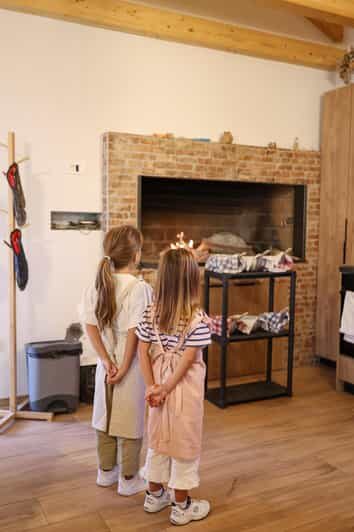
I’d choose this workshop if you want a short, sociable activity with a strong local-food focus. It suits couples, families with older children, friends, solo participants, and anyone curious about Croatian cooking but not looking for a serious culinary course. Children are welcome, with apple juice provided instead of the liqueur tasting.
It can also work well for cruise passengers with time to leave the port area, provided you allow for the ride and keep an eye on your return schedule. The 75-minute class itself is short, but the trip to and from the meeting point adds time. Check transport before you commit to a tight port-day plan.
This is less suitable if you want a substantial lunch, a long baking course, or several recipes to take home. The included food is a tasting of bread with local accompaniments, and the activity centers on one traditional loaf. The appeal is the chance to take part and learn, not a packed cooking curriculum.
Should you book the Zadar bread workshop?
Book it if you want to make something with your hands and connect a local food tradition to the people and place behind it. The peka, the Maraschino tasting, and the host’s stories give this modest bread class more character than a simple demonstration. At $34, it’s a fair-value choice for a small-group activity with food and instruction included.
Skip it if you’re short on time and can’t spare the transport, or if you’re after a full meal or an advanced baking lesson. If you can fit the 75 minutes into your plans, this is a friendly way to step outside the old-town routine and leave with a practical memory of Dalmatia.
Zadar: Traditional Croatian Bread Making Workshop
FAQ
How long is the workshop?
The workshop lasts 75 minutes. Check availability for the starting times offered on your chosen date.
How much does it cost?
The listed price is $34 per person.
Do I need baking experience?
No. The activity is designed for beginners, and the instructor guides you through preparing and kneading the dough.
What is a peka?
A peka is a bell-shaped lid used for baking with hot embers. In this workshop, the bread is placed beneath it to cook.
What food and drink are included?
The included items are the bread-making workshop, freshly baked bread, local cheese, extra virgin olive oil, and a tasting of Zadar Maraschino. Children receive apple juice instead of the liqueur.
Is the workshop suitable for children?
Children can take part, and apple juice is provided for them instead of Maraschino. No minimum age is specified in the activity details.
What language is the class in?
The instructor teaches in English.
How many people are in each group?
The workshop is limited to eight participants.
Is the activity wheelchair accessible, and can I cancel?
The activity is listed as wheelchair accessible. You can cancel up to 24 hours in advance for a full refund.
You can check availability for your dates here: