At the DMZ, the border is not an abstract line on a map. You can look toward North Korea from Dora Observatory, then walk through a tunnel secretly dug beneath the frontier. This seven-hour trip from Seoul puts those two very different ways of understanding the division side by side.
I like the mix of history and firsthand views: the Third Infiltration Tunnel gives the conflict a physical scale, while the observatory makes the border visible. I also like that the route adds the Peace Gondola and JSA Photo Zone to the familiar tunnel-and-observatory circuit.
One consideration: this is a full, tightly scheduled day, with about an hour on the bus each way and several stops to fit in. The actual Joint Security Area is not part of the visit, and the views at Dora Observatory depend on what you can see from the observation point that day.
At a glance
- Third Infiltration Tunnel: Enter a tunnel built by North Korea and discovered by South Korea in 1978.
- Dora Observatory: Look toward North Korean territory from one of the closest accessible viewpoints.
- Peace Gondola: Cross the Civilian Control Zone by gondola, an unusual addition to a standard DMZ route.
- Imjingak and Freedom Bridge: See memorial sites that connect the divided peninsula’s history with its human cost.
- JSA Photo Zone: Get a sense of the Joint Security Area without a direct visit, which is currently unavailable to general tourists.
- Seven-hour outing: Professional guides lead the day in English, Chinese or Japanese. Hotel pickup depends on the option you book.
- A day that puts the border in view
- Imjingak Peace Park and Freedom Bridge
- The Peace Gondola across the Civilian Control Zone
- The JSA Photo Zone, not a visit to the JSA
- Entering the Third Infiltration Tunnel
- Looking north from Dora Observatory
- The coach ride and the rhythm of the day
- Is good value for this DMZ day trip?
- Who should book this tour?
- FAQ
- How long is the DMZ tour?
- What places does the tour visit?
- Does the tour visit the actual JSA?
- What is included in the price?
- Is hotel pickup available?
- What languages are available for the guide?
- Do I need to bring identification?
- The Best Of Seoul!
- More Tours in Seoul
- More Tour Reviews in Seoul
- Not for you? Here's more nearby things to do in Seoul we have reviewed
A day that puts the border in view
 1 / 8
 2 / 8
 3 / 8
 4 / 8
 5 / 8
 6 / 8
 7 / 8
 8 / 8
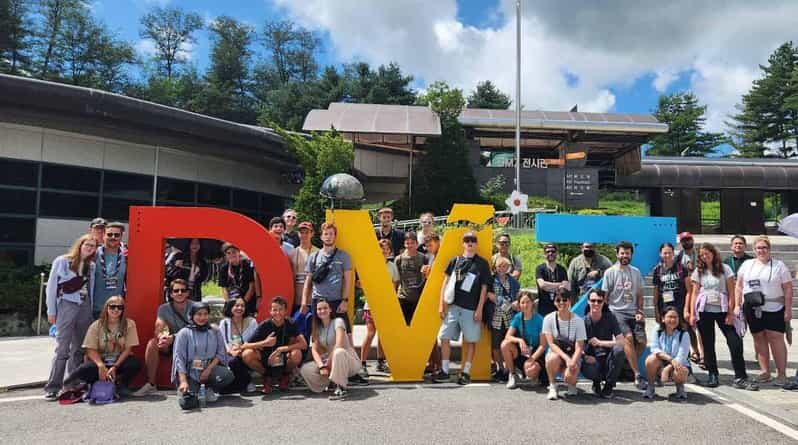
The DMZ is a restricted, heavily controlled area separating North and South Korea. This tour gives you a way to encounter it through several distinct stops: a park of memorials, a bridge, an underground tunnel, an observatory and a gondola crossing. Together, they make the day more informative than a quick stop at a single viewpoint.
The order matters. At Imjingak Peace Park, you first get a sense of how the division is remembered. The tunnel then brings you below ground, while Dora Observatory offers a view toward the North. Rather than treating the DMZ as a photo backdrop, a good guide can help you connect each place to the history of the Korean War and the division that continues today.
The tour is run by Seoul City Tour and lasts about seven hours. Transport from Seoul is included, with roughly one hour on the coach each way. The listed price is $50 per person, and admission to the DMZ and Peace Gondola is included. Food and drinks, travel insurance and hotel drop-off are not included.
You can check availability for your dates here:
👉 See our pick of the 25 Best Guided Tours In Seoul
Imjingak Peace Park and Freedom Bridge
Imjingak Peace Park is the tour’s opening stop, with a guided visit of about an hour. It offers an introduction to the DMZ’s history and to the way the division has affected Koreans. This is where you can begin to grasp that the border is not only a military boundary, but also a lasting separation of families, communities and a nation.
The park includes Mangbaedan, a site connected with people who cannot return to their ancestral homes in the North. Its significance is personal as well as political. Take time to listen to the guide’s explanation rather than rushing from one photo stop to another; context makes these memorial places more meaningful.
You also visit Freedom Bridge, a historic crossing associated with the exchange of prisoners after the Korean War. The bridge is a simple structure, but its name and history carry weight. It gives the tour a human scale before the sights become more focused on military geography.
The park and bridge are outdoor stops. Dress for the weather, and bring shoes you can comfortably walk in. One visitor’s practical advice was to wear cool clothing on a warm day, since much of the tour involves time outside. The itinerary is compact, so expect guided visits rather than long, unstructured time at each site.
You can also read our reviews of more tours and experiences in Seoul.

The Peace Gondola across the Civilian Control Zone
The Peace Gondola is one of the tour’s less usual inclusions. It crosses the Civilian Control Zone, an area near the DMZ with restricted access. Instead of approaching the border only by road, you get a different perspective from above as the gondola carries you across the zone.
That change of pace is valuable on a day built around serious history. It also makes this tour distinct from a basic tunnel-and-observatory outing. Admission to the gondola is included, and the ride is part of the guided itinerary.
The gondola is not a substitute for entering the DMZ itself or visiting the JSA. It is an added experience that helps explain the controlled territory around the border. As with every stop in the area, access and the day’s schedule are subject to official conditions, so leave room for changes rather than treating every minute as guaranteed.
The JSA Photo Zone, not a visit to the JSA
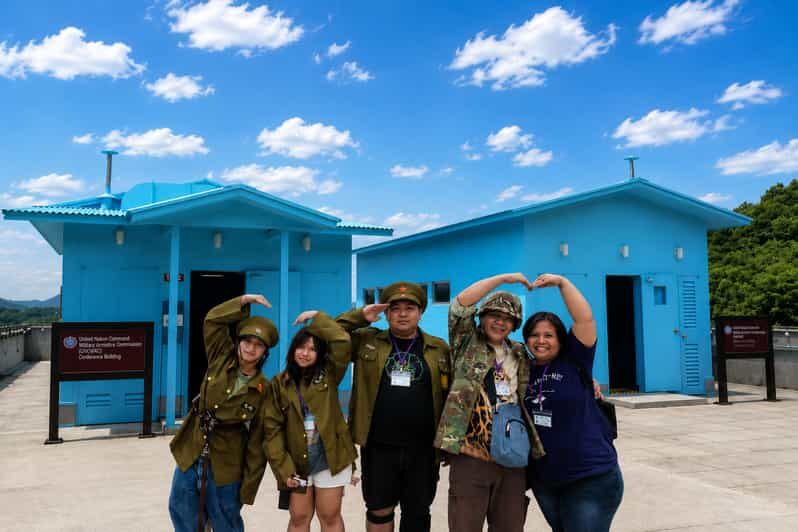
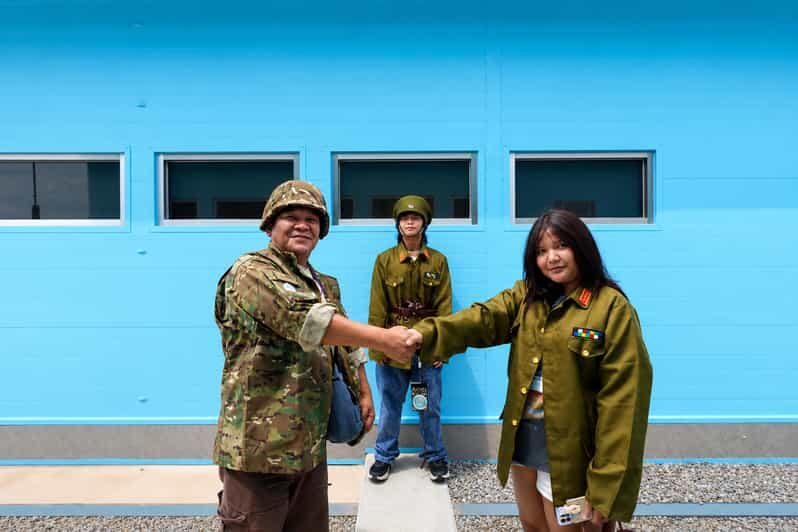
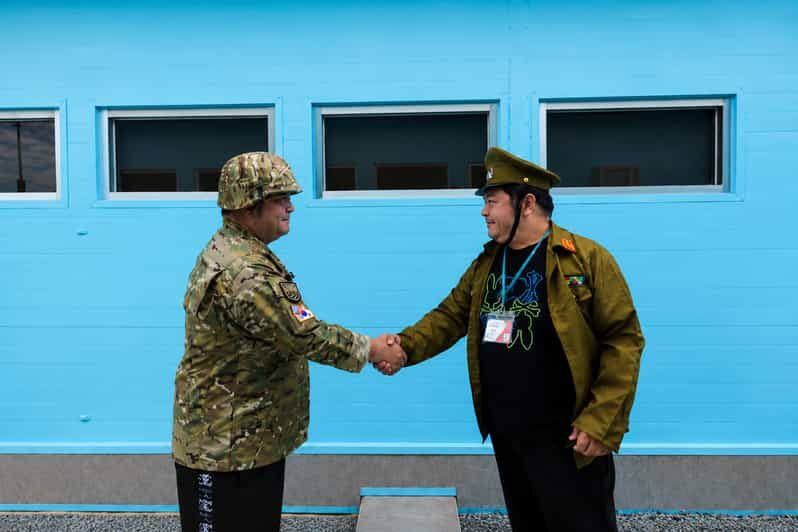
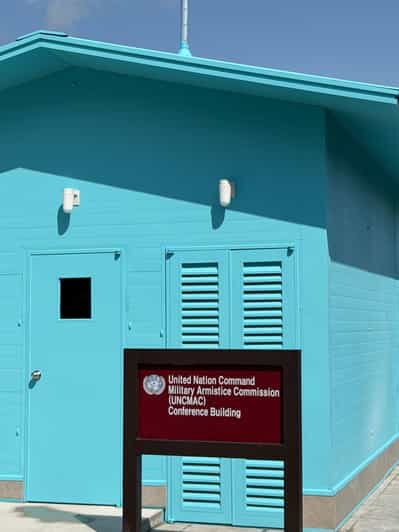
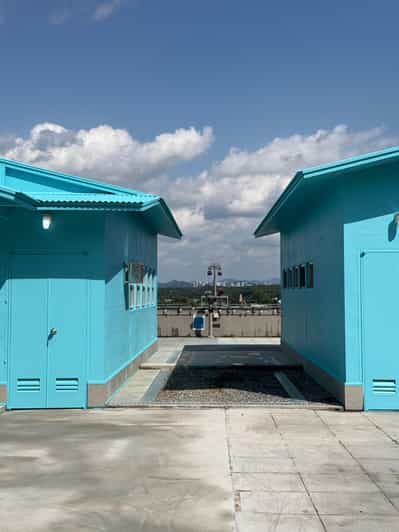
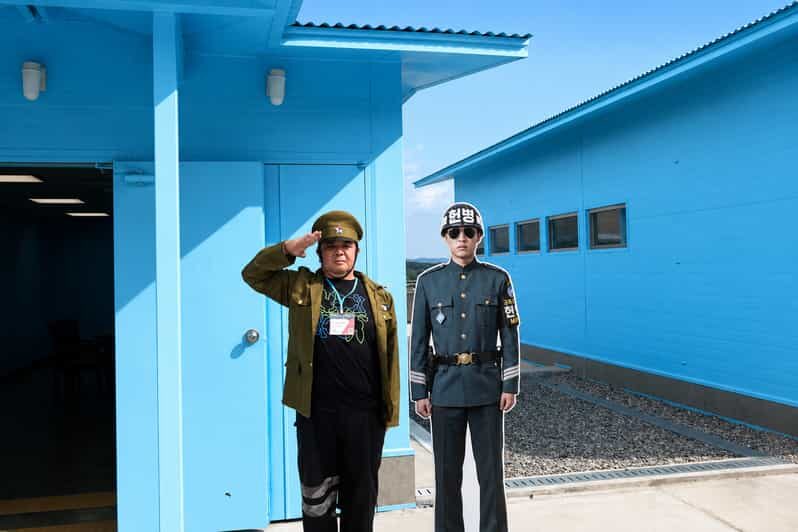
The Joint Security Area is among the most famous places associated with the DMZ, but direct visits there are currently unavailable to general tourists because of government security restrictions. This tour instead includes a newly opened JSA Photo Zone, designed to evoke the atmosphere and significance of that historic location.
It is important to understand the difference when you book. You will not be entering the actual JSA or standing at its border tables. The photo zone offers a themed way to mark the connection, but it is not a replacement for a security-authorized visit.
The tour places this stop alongside the gondola and the DMZ’s main historical sights, making the day feel broader than a standard route. If seeing the real JSA is your main reason for booking, check current access arrangements before you commit. If you want a full day of DMZ history and border-area sights, the photo zone is an extra rather than the main event.
Entering the Third Infiltration Tunnel
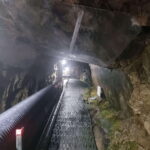
The Third Infiltration Tunnel is the tour’s most physical and immediate stop. North Korea secretly built the passage beneath the border, and South Korea discovered it in 1978. You enter the tunnel as part of the guided visit, which brings the subject of infiltration out of the textbook and into a real underground space.
The tunnel’s purpose gives it a different character from the memorial sites. It is a tangible piece of the military tension that still shapes the peninsula. Your guide can explain why it was built and discovered, and how it fits into the wider history of the Korean War and the DMZ.
This is not simply a scenic attraction. If you are uncomfortable in enclosed spaces, consider that before booking, though the available tour information does not specify the tunnel’s physical dimensions or the conditions inside. Follow your guide’s directions and allow the group to move together. The visit is guided, not an independent walk.
The tunnel is one of the strongest reasons to choose this particular tour. You see the border from above at Dora Observatory, but here you confront the effort made to pass beneath it. That contrast makes the two stops work especially well together.
More Great Tours NearbyLooking north from Dora Observatory
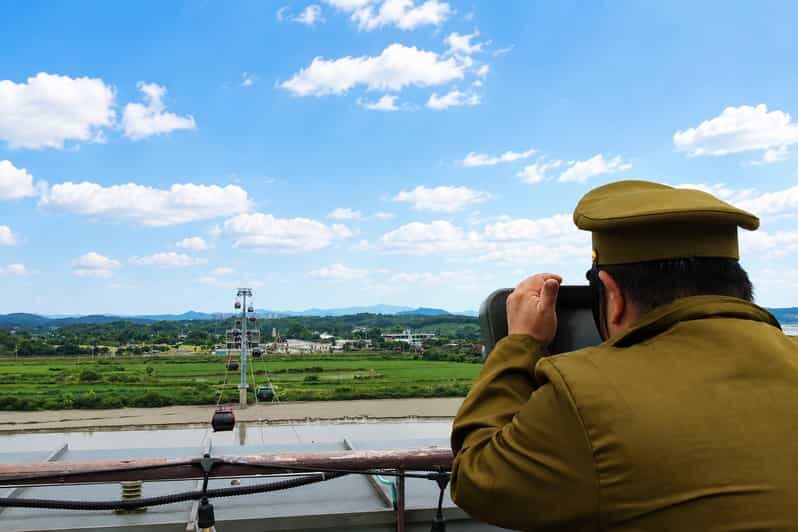
Dora Observatory is the day’s main viewpoint. From here, you can look toward North Korean territory from one of the closest places accessible to the public. For many people, this is the moment that makes the division feel less distant and more real.
What you see will depend on visibility and conditions at the time. The tour promises the opportunity to look toward the North, not a guarantee that every detail will be clear. Take in the view, but also listen to the guide’s explanation of what you are looking at and why this location matters.
The observatory is a worthwhile counterpoint to the tunnel. One is a hidden route beneath the border; the other lets you look across it. A guide who can explain the peninsula’s history in plain language makes both sights more than a quick photo opportunity.
Guides are a recurring strength of the experience. The assigned guide varies, so you cannot count on a particular person, but names attached to this tour include Grace, Katie, Eugene (Han Ki), Lily, Hazel, Erica, Camila and James. Their individual styles differ. Some bring personal family connections to Korean history, while others are praised for clear explanations, careful pacing and keeping the group at ease. Eugene, for example, has shared family stories and played traditional Korean music; those personal touches are not something to assume on every departure.


The coach ride and the rhythm of the day
The round-trip drive takes about two hours in total, with roughly an hour each way. Air-conditioned transport is included, which is useful for a day that combines several stops and travel outside Seoul. A professional guide accompanies the group and leads the visits.
The schedule is full. Imjingak Peace Park is listed as a one-hour guided visit, followed by the gondola and photo stop, then the tunnel and observatory before the return drive. That pace helps fit the key sites into a single day, but it leaves less room to linger than an independent visit might.
Start on time and keep your passport close. The day’s logistics matter because access to the DMZ is controlled, and the guide needs to keep the group moving through the stops. The pickup location depends on the option you select. Hotel pickup is available with some options, but hotel drop-off is not included.
The guide languages listed are English, Chinese and Japanese. If you are booking for a group with different language needs, check the available departure and pickup options before choosing. You can reserve without paying immediately, and the stated cancellation terms allow a full refund if you cancel at least 24 hours in advance.
Is $50 good value for this DMZ day trip?
At $50 per person, the price looks reasonable for a seven-hour guided outing that includes transport, a professional guide and admission to the DMZ and Peace Gondola. You also get several stops in one trip: Imjingak Peace Park, Freedom Bridge, the Third Infiltration Tunnel, Dora Observatory and the JSA Photo Zone.
The real value is in the combination. A bus ride and viewpoint alone would offer a narrower experience. Here, the tunnel provides a close encounter with the physical history of the border, and the guide supplies context across the day. The gondola and photo zone add variety, though neither should be mistaken for direct access to the JSA.
Budget separately for food and drinks, travel insurance and any transport you need after the tour, since hotel drop-off is not included. The day is most worthwhile if you want a guided introduction to several major DMZ sights rather than an unhurried visit to one or two locations.
Who should book this tour?
This tour suits you if you want to understand the Korean division through a mix of history, memorials and firsthand border views. It is especially useful if this is your first DMZ visit and you want the tunnel and observatory in the same day, with the gondola and JSA Photo Zone as added stops.
It also makes sense if you value a guide. The route has a lot of history to absorb, and the most useful guide approach is clear, well-paced explanation rather than a string of dates. The range of guide names and styles means the exact personality varies, but guides such as Katie, Grace, Lily, Hazel and Eugene have been singled out for engaging explanations and care with the group.
You may prefer another option if your priority is a real JSA visit. That is not available to general tourists at present, and the photo zone is not the same thing. You might also find the schedule too compact if you prefer long stops, or find an underground tunnel uncomfortable. For most first-time visitors with a passport and a full day to spare, though, this is a well-rounded way to see the DMZ’s best-known sights.
My take: Book it if you want a guided, value-conscious DMZ day with both the Third Infiltration Tunnel and Dora Observatory, plus a few extras. Go in knowing the JSA Photo Zone is a stand-in, pack your passport, and expect a busy day rather than a leisurely one.
Seoul: DMZ—Tunnel, Observatory, JSA Photo Zone /Hotel pickup
FAQ
How long is the DMZ tour?
The tour lasts about seven hours, including the return coach journey from Seoul. The drive takes roughly one hour each way.
What places does the tour visit?
The route includes Imjingak Peace Park, Mangbaedan, Freedom Bridge, the Peace Gondola, a photo stop at the JSA Photo Zone, the Third Infiltration Tunnel and Dora Observatory. Unification Village is passed by on the route.
Does the tour visit the actual JSA?
No. Direct visits to the Joint Security Area are currently unavailable to general tourists because of government security restrictions. The tour includes a JSA Photo Zone instead.
What is included in the price?
Air-conditioned transportation, a professional guide, DMZ admission and Peace Gondola admission are included. Hotel pickup is included only if you select an option that offers it.
Is hotel pickup available?
Pickup is available with selected options. The meeting point depends on the option you choose, so check the details for your departure. Hotel drop-off is not included.
What languages are available for the guide?
The tour lists live guides in English, Chinese and Japanese. Check the available options when selecting a departure.
Do I need to bring identification?
Yes. Every participant must bring a passport. The tour information also accepts a military ID or ARC as an alternative.
You can check availability for your dates here: