A cup of matcha, a small sweet, and a kimono you can wear into Kyoto’s old streets: this experience brings two appealing traditions together in one booking. The ceremony takes place near Kiyomizu-dera, so you can step from the dressing room into one of the city’s most photogenic historic districts.
I like two things in particular: the ceremony includes hands-on matcha preparation, not just a demonstration, and the kimono rental lasts beyond the two-hour appointment, giving you time to wander nearby lanes and temples in your outfit. Staff help with dressing and basic hairstyling, and ceremony hosts such as Zara and Luna explain the customs in English.
The main consideration is timing. Your booking time is when you arrive at the shop, not necessarily when the ceremony begins, and getting dressed takes time. Arrive promptly, allow about two hours for the appointment, and plan to return the outfit by 5:30 PM.
- A two-in-one cultural outing: Learn about matcha and wear a kimono or seasonal yukata on the same booking.
- A hands-on tea session: Watch the host demonstrate the ceremony, then prepare your own matcha and try a traditional sweet.
- A useful location: The shop is within walking distance of Kiyomizu-dera, Yasaka Pagoda, Sannenzaka, and Ninenzaka.
- A full day in traditional dress: Keep the outfit for sightseeing before or after the ceremony, as long as you return it by 5:30 PM.
- Help with the details: Staff assist with dressing, accessories, and basic hairstyling.
- A little scheduling flexibility: With an afternoon booking, you may be able to dress in the morning and explore before returning for the ceremony.
- Matcha, a kimono, and a good Kyoto location
- Arriving at the shop and choosing your outfit
- Learning the tea ceremony, then making your own matcha
- Taking the kimono into Kyoto’s old streets
- What the price covers
- Who will enjoy this, and who should think twice
- Should you book the Kyoto tea and kimono experience?
- FAQ
- How long does the experience take?
- Is the booking time the tea ceremony start time?
- Can I wear the kimono after the tea ceremony?
- What kind of outfit is provided?
- Can I arrive in the morning for an afternoon booking?
- Is food included?
- Who cannot take part?
- The Best Of Kyoto!
- More Tours in Kyoto
- More Tour Reviews in Kyoto
- Not for you? Here's more nearby things to do in Kyoto we have reviewed
Matcha, a kimono, and a good Kyoto location
At $63 per person, the experience combines a guided tea ceremony, matcha and a Japanese sweet, dressing help, accessories, and a full-day outfit rental. That is a practical package if you want both a cultural activity and a memorable way to see the neighborhood. You are not paying for a full-day guided tour, though. The ceremony and preparation take about two hours, and the rest of the day is yours to plan.
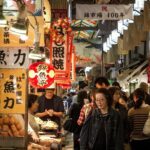
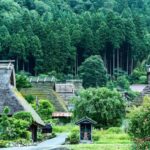
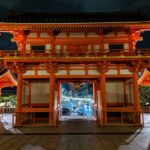
The location does much of the work for you. Kiyomizu-dera, Yasaka Pagoda, Sannenzaka, and Ninenzaka are all within walking distance, so you do not need to set aside a separate trip across Kyoto to make good use of the rental. The historic streets provide a natural setting for a kimono stroll, but they are also popular sightseeing spots. Expect to share them with other people, especially around the temples and photo stops.
This is an English-language activity offered by Kaouka Trading Co, Ltd. The hosts explain the tea ceremony and its customs, with named hosts including Zara and Luna. The teaching style described by participants focuses on clear explanations, questions, and small cultural details. That makes the ceremony more engaging than simply sitting quietly while someone prepares tea.
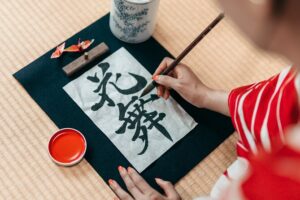
👉 See our pick of the 25 Best Workshops And Classes In Kyoto
Arriving at the shop and choosing your outfit
The booking time is your arrival time at the shop, not a fixed tea ceremony start time. First you choose an outfit, then staff help you dress. Because preparation affects the schedule, the ceremony may begin a little earlier or later than expected. Allow about two hours for the complete appointment and do not build a tight temple visit or meal reservation around the listed start time.
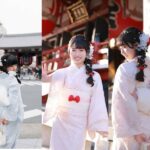
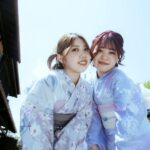
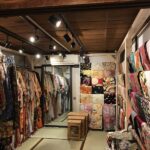
There is a wide selection of styles and colors, with options for men and women. Staff help you choose and put on the outfit layer by layer, then provide accessories including an obi belt, traditional sandals, a Japanese-style bag, and socks. Basic hairstyling is included. The available choices and process are part of the experience, but they do mean you should leave enough time to get ready rather than arrive expecting to walk straight into the ceremony.
The outfit changes with the season: kimono is provided from October through May, and yukata from June through September. The lighter summer garment is a seasonal alternative, so do not assume you will receive the same type of outfit year-round. If wearing a specific style is important to you, check the details with the shop before booking.
Staff help make dressing comfortable and explain what to do at each step. The clothing is fitted and restrictive compared with everyday wear, and the rules exclude pregnant participants for safety reasons. People with mobility impairments are also listed as unsuitable for the activity, so consider your comfort with dressing and walking in traditional footwear before reserving.
You can also read our reviews of more tours and experiences in Kyoto
Learning the tea ceremony, then making your own matcha
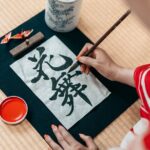
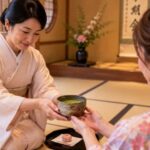
The tea portion introduces the meaning and customs of Japanese tea culture in a calm setting. Your host demonstrates the ceremony and explains its steps, then you have the chance to prepare and drink matcha yourself. A traditional Japanese sweet accompanies the tea. The practical element matters: you leave with a sense of how the tea is made, not only a photograph of someone else preparing it.
Hosts including Zara and Luna have led sessions, with explanations covering the history and significance of matcha and the ceremony. The format leaves room for questions, which is useful if you are curious about the small gestures and the purpose behind them. The experience is designed for visitors, so expect an accessible introduction rather than an advanced tea lesson or a long formal study of the tradition.
The ceremony is one of the most focused parts of the booking. It offers a quiet pause before you head back into the busy streets. Matcha has a distinctive, grassy taste that may be stronger than the sweetened drinks you know; the traditional sweet offers a counterpoint. Additional food and drinks are not included, so think of this as a cultural tasting, not a meal.
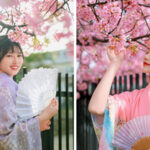
At the end, there may be time for photos in the ceremony room. Staff have been described as helping with photos, but professional photography is not included. If you want polished portraits, arrange that separately. You can also take your own photos as you explore, though it is sensible to leave room for other people on busy paths and near temple entrances.
Taking the kimono into Kyoto’s old streets
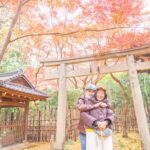
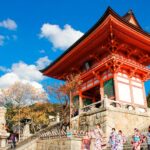
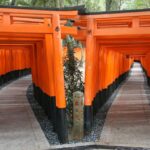
After the ceremony, you can keep the outfit and head out to explore. The nearby routes make this especially convenient: walk toward Yasaka Pagoda, follow the stone-paved lanes of Sannenzaka and Ninenzaka, or continue to Kiyomizu-dera. The combination works well because the outfit rental is not confined to the ceremony room. You get a cultural activity and several hours to enjoy the setting in traditional dress.
A kimono changes the rhythm of a walk. You may find yourself taking shorter steps and choosing smoother routes, especially in sandals, so give yourself time rather than trying to cover half the city. The lanes and temples are the appeal here, not distance. Stop for a local snack if you like, but remember that food and drinks are not allowed inside the activity venue; this restriction does not mean meals are included.
If your booking is in the afternoon, there is an option to visit the shop in the morning, get dressed, and spend time sightseeing before the ceremony. Staff will tell you the ceremony time and when to return. This can turn a two-hour activity into a longer day out, but it depends on the schedule for that date. Confirm the arrangement with the shop, then keep an eye on the return time.
The outfit must be returned to the shop by 5:30 PM on the same day. That deadline gives you a useful window for exploring the immediate area, but it is not an all-evening rental. Plan your route so you are not hurrying back from a distant stop. Transportation to the venue is not included, so include the cost and time of getting to the shop in your day plan.
What the $63 price covers
The value is strongest if you use both halves of the experience. For $63, you receive the ceremony, matcha and a sweet, a full-day kimono or yukata rental, dressing assistance, hairstyling, and accessories. A separate outfit rental and tea activity could take more planning, while this booking joins them near major sights.
It is less compelling if you only want a quick tea tasting and have no interest in wearing traditional clothing. The outfit preparation takes time, and the rental’s value depends on how long you actually use it. If you plan to attend the ceremony and then stroll around the surrounding district, the package gives you a clear reason to linger.
The price does not cover transport, extra food or drinks, or professional photography. Keep that in mind if you are building a day budget. You may also want to budget for snacks or a meal in the area, since the included sweet is a small part of the ceremony rather than lunch.
More Great Tours NearbyWho will enjoy this, and who should think twice
I would recommend this for you if you want a straightforward introduction to matcha customs and would enjoy wearing a kimono while seeing Kyoto’s historic streets. It is also a good choice for couples, friends, and families with older children who want a shared activity with plenty of photo opportunities. English instruction makes the cultural explanations easier to follow.
The activity is not suitable for children under seven, pregnant women, or people with mobility impairments. The outfit is restrictively fitted, and the ceremony involves a traditional sitting posture. If you have concerns about movement or sitting, the stated restrictions are worth taking seriously rather than treating them as fine print.
Arriving on time is important. If you are late, the schedule or activity may need to change, and participation in the ceremony cannot be guaranteed after a delay. You may still be able to wear the outfit and go sightseeing, but that is a poorer use of the booking if the tea session is what you came for.
You can cancel up to 24 hours in advance for a full refund, and a reserve-now, pay-later option is available. Check your confirmation and voucher for the latest details, particularly if you are arranging an early outfit fitting for an afternoon ceremony.


Should you book the Kyoto tea and kimono experience?
Book it if you want both a guided matcha session and a practical chance to explore the Kiyomizu-dera area in traditional dress. The strongest value is the combination: dressing, hairstyling, accessories, hands-on tea preparation, and several hours to walk nearby streets for one price. Hosts such as Zara and Luna have been praised for clear explanations, but the experience remains a short introduction rather than a full tea course.
Skip it if you are short on time, uncomfortable in restrictive clothing, or mainly looking for a formal tea ceremony without the rental. For everyone else, arrive punctually, wear comfortable layers beneath the outfit, and keep your sightseeing close enough to return by 5:30 PM. That simple planning leaves you free to enjoy the tea, the outfit, and the old lanes without watching the clock every few minutes.
Kyoto: Tea Ceremony & Full-Day Kimono near Kiyomizu-dera
FAQ
How long does the experience take?
Allow about two hours for choosing and putting on your outfit and taking part in the tea ceremony. The ceremony start time may vary depending on how long dressing takes.
Is the booking time the tea ceremony start time?
No. It is your arrival time at the shop. Staff will advise you of the ceremony time after you arrive.
Can I wear the kimono after the tea ceremony?
Yes. You can explore Kyoto in the outfit before or after the ceremony, then return it to the shop by 5:30 PM on the same day.
What kind of outfit is provided?
A kimono is provided from October through May, and a yukata from June through September. Dressing help, basic hairstyling, and accessories are included.
Can I arrive in the morning for an afternoon booking?
You may be able to come in the morning to get dressed and sightsee before returning for the ceremony. The staff will tell you the ceremony time and when to come back.
Is food included?
Matcha tea and a traditional Japanese sweet are included. Additional food and drinks are not.
Who cannot take part?
The activity is not suitable for children under seven, pregnant women, or people with mobility impairments. Pregnancy is excluded because of the restrictive dressing and traditional sitting posture.
You can check availability for your dates here: