Beneath the crowds and bright marble of Trevi Fountain, an ancient water system still does its job. This one-hour tour connects the fountain above ground with Vicus Caprarius below, where you can see archaeological remains linked to the Aqua Virgo aqueduct.
I like two things in particular: the restricted basin access gives you a close view most people do not get, and the visit to Vicus Caprarius makes the fountain’s water supply tangible rather than just a line in a guidebook. Guides such as Eugene and Eugenio are often praised for making the history clear, lively, and easy to follow.
The main consideration is the short running time. You get a focused introduction, not an exhaustive tour of Rome, and the underground section involves walking. At $33 per person, though, the combination of a small group, a guide, special fountain access, and an archaeological site is a persuasive package.
- The details that make this tour worthwhile
- Trevi Fountain, beyond the usual photo stop
- Vicus Caprarius and Rome’s layers below street level
- The Aqua Virgo connection
- How the hour is likely to unfold
- What gets you
- Who should book this tour?
- Practical points before you go
- Should you book it?
- FAQ
- How long is the Trevi Fountain and underground aqueduct tour?
- What language is the tour conducted in?
- How large is the group?
- Does the tour include access to the Trevi Fountain basin area?
- Is entry to Vicus Caprarius included?
- What is the Aqua Virgo aqueduct?
- What should I wear?
- Are transportation, food, and drinks included?
- The Best Of Rome!
- More Tours in Rome
- More Tour Reviews in Rome
- Not for you? Here's more nearby things to do in Rome we have reviewed
The details that make this tour worthwhile
 1 / 8
 2 / 8
 3 / 8
 4 / 8
 5 / 8
 6 / 8
 7 / 8
 8 / 8
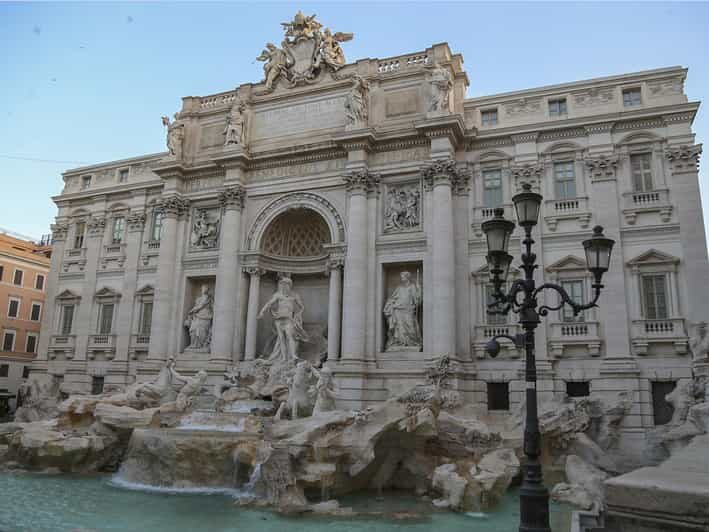
- See Trevi Fountain from inside its restricted basin area, a rare angle for photos and a closer look at the famous sculpture and water.
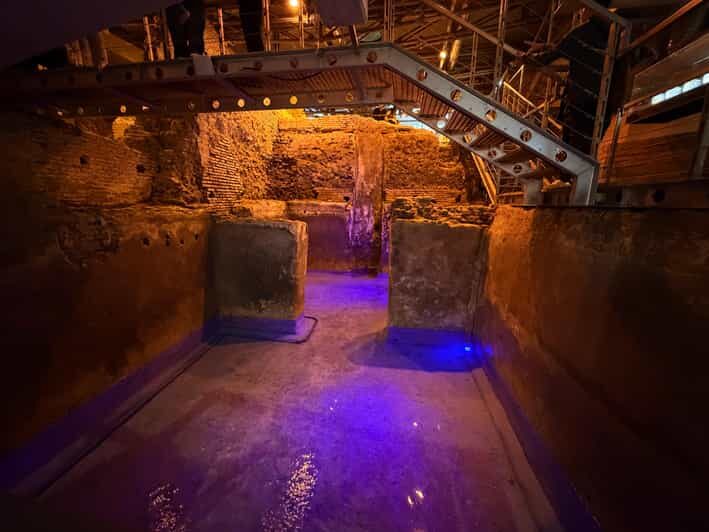
- Visit Vicus Caprarius, an underground archaeological site known as the City of Water, with remains of ancient Roman life.
- Trace the Aqua Virgo aqueduct, the ancient system that continues to supply water to Trevi Fountain.
- Keep the group small, with no more than 10 participants, which makes it easier to hear the guide and ask questions.
- Expect a lively history lesson, with guides including Eugene, Eugenio, Andrea, Giovanni, and Wen praised for clear explanations and warm, engaging delivery.

👉 See our pick of the 25 Best Guided Tours In Rome
Trevi Fountain, beyond the usual photo stop
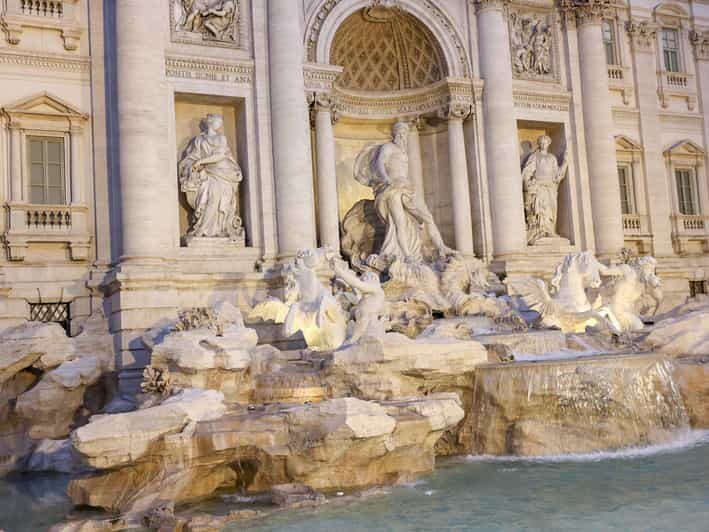
Trevi Fountain is one of those places that can be hard to appreciate at first. It is grand, crowded, and familiar from countless photographs. The guide’s opening explanation gives you a way to look past the spectacle: the figures, the stories attached to them, and the engineering that brings water into the fountain.
The tour includes access to the restricted basin area. That is a practical advantage as well as a novelty. Instead of seeing the fountain only from the usual public viewing area, you get a closer perspective and time to take photos. The access is described as quick, so think of it as a special vantage point rather than a private, crowd-free visit or an extended photo session.
Your guide also explains the myths, legends, and meaning associated with the fountain. I like this approach because the sculpture becomes more than a decorative backdrop. Knowing what you are looking at helps the details register, especially when the square is busy and it is tempting to take a picture and move on.
The fountain is the tour’s most famous stop, but it is not the whole point. The stronger idea is the connection between the monument you see above ground and the water system beneath the city. That link gives the visit a useful structure: first understand the fountain, then follow its water story underground.
You can also read our reviews of more tours and experiences in Rome.



Vicus Caprarius and Rome’s layers below street level
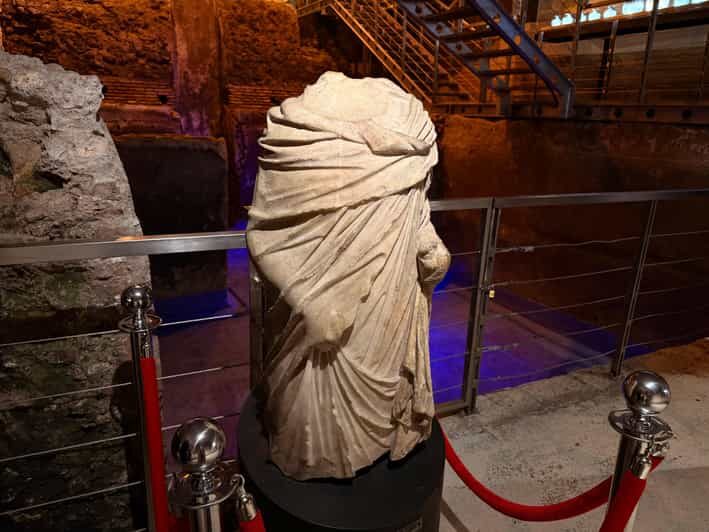
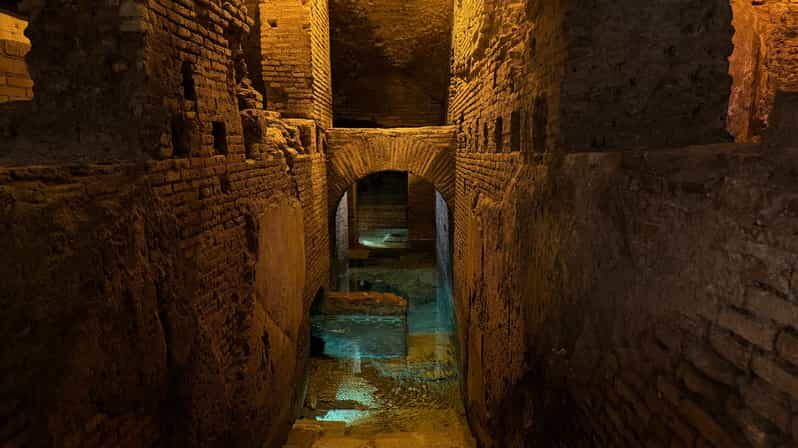
The underground visit takes you to Vicus Caprarius, often called the City of Water. It is an archaeological site containing remains of ancient Roman life and elements linked to the Aqua Virgo aqueduct. The setting changes the pace of the tour. Above ground, you are looking at a famous landmark; below, you are looking at the earlier city that lies under the modern one.
The site is especially worthwhile if you enjoy archaeology but do not want to spend half a day in a large museum. In a compact visit, you get a direct sense of how much of Rome’s past survives beneath its streets. The remains are not just isolated objects to admire. They help explain how daily life, water, and urban infrastructure were connected.
Several people who have taken the tour describe the underground section as a surprise, particularly because they did not know there was an archaeological site so close to the fountain. That is part of the appeal: you might have visited Trevi before and still find that this small underground stop changes how you understand the area.
The underground spaces do involve walking, so wear comfortable shoes. The tour information does not specify the exact layout or number of steps, so do not assume the site is completely level or effortless to move through. If underground areas are uncomfortable for you, ask the provider before booking.
The Aqua Virgo connection
The Aqua Virgo aqueduct is the thread that ties the two main stops together. The tour explains how this ancient water system still supplies Trevi Fountain today, linking Roman engineering to a landmark that remains part of the city’s daily life.
That continuity is the most memorable historical point. Rome’s past can sometimes feel sealed behind glass or fenced off from the modern city. Here, the old system is presented as something with a clear connection to a fountain you can see and hear. You do not need to be an engineering specialist to appreciate the basic idea: the impressive stonework above ground depends on a working water supply with a very long history.
The guide’s role matters here. A physical site can be fascinating, but it is easy to miss the significance of what you are seeing without context. Guides such as Eugene and Eugenio are often singled out for explaining archaeology in plain language, asking questions, and drawing the group into the story. Andrea, Giovanni, and Wen are also named as guides who made the visit enjoyable and easy to follow.
Expect a guided overview rather than a technical lecture. The tour is only an hour, and its strength is making the main connection clear: the fountain is not simply an elaborate sculpture, and the aqueduct is not merely a relic. Together, they show how ancient infrastructure continues to shape the city.
How the hour is likely to unfold
The experience is built around two main stops: Trevi Fountain and Vicus Caprarius. The central themes are the fountain’s stories and engineering, the underground archaeological remains, and the aqueduct that links them. The order may vary in practice, so follow the guide’s lead rather than planning the hour around a fixed sequence.
At the fountain, the guide introduces its myths, legends, and meaning, then takes the group into the restricted basin area. It is a good moment to slow down and look carefully. Take your photos, but also listen for the details that help you read the fountain as a work of art and as the end point of a long water route.
At Vicus Caprarius, the focus shifts to ancient Roman life and the Aqua Virgo system. This is where the tour’s history becomes more physical. You are no longer hearing only about the water supply: you are inside an archaeological site associated with the underground city.
Some guides have also added a nearby church as an extra stop when the timing allowed. One particularly noted church visit was Chiesa di Sant’Ignazio di Loyola, where the group saw its artwork and painted ceiling. Treat this as a possible bonus, not a promised part of the itinerary. The core tour is the fountain and the underground site, and a short tour has limited room for detours.
A few people have found the guide’s questions and group participation helpful. That style can make an hour pass quickly and keep the information lively. If you prefer a quiet, self-paced visit, remember that this is a guided small-group tour, not an independent entry ticket.
More Great Tours NearbyWhat $33 gets you
At $33 per person, the price covers more than a standard look at Trevi Fountain. It includes the restricted basin access, entry to Vicus Caprarius, and a live English-speaking guide. You are also in a group capped at 10 people, which can make the experience feel more personal and make it easier to hear explanations in busy surroundings.
The value depends on how you like to explore. If you only want a quick fountain photo, you can see the public area without paying for a tour. If you want to understand the stories behind the monument and see the archaeological remains below it, the ticket bundles two experiences that are more useful together than separately.
The tour is also short enough to fit into a day already packed with Rome’s major sights. One hour gives you a defined stop without asking you to set aside a whole morning. That compact format is a real plus, though it also limits how far the guide can go into Roman history.
Transportation to the meeting point and food or drinks are not included. You will need to make your own way there, and the tour itself does not provide a meal break. Check the available start times when booking so you can fit it around your plans.



Who should book this tour?
I would put this tour high on the list if Trevi Fountain is already part of your Rome plans and you want more than a quick look. The basin access makes the familiar sight feel different, while Vicus Caprarius gives the visit substance beyond the fountain’s fame.
It is also a good match for anyone curious about archaeology, Roman engineering, or the layers of history beneath modern streets. Families can appreciate the manageable one-hour length, and several families have enjoyed the guide’s accessible explanations. The small-group format should suit you if you like being able to ask questions rather than listening from the back of a large crowd.
You do not need to arrive with a strong background in Roman history. The guides’ clear explanations are repeatedly praised, and the tour is designed to make the fountain’s stories and water system understandable. If you already know the basics, the underground site and the special basin access may still make the hour worthwhile.
I would skip it if your main goal is to wander independently, spend a long time photographing the fountain, or avoid underground spaces. The basin visit is described as quick, the tour moves at a guide-led pace, and the underground section is central to the experience. It is best for a focused history stop, not a full exploration of the Trevi area.
Practical points before you go
Wear comfortable shoes. The tour includes walking above ground and through underground areas, and it is easier to pay attention when you are not thinking about your feet.
The tour is in English, lasts one hour, and has a maximum group size of 10. Starting times vary, so check availability for your date. The price is $33 per person, with transportation and food or drinks not included.
You can cancel up to 24 hours in advance for a full refund, and the reserve-now, pay-later option lets you hold a place without paying immediately. Those terms are useful if your plans may shift, but check the current booking details before you confirm.
Should you book it?
Book this tour if you want to connect Trevi Fountain with the ancient water system that still feeds it. The restricted basin area, compact underground visit, and small group make a strong combination for $33, especially if you value a guide who can turn archaeology into an understandable story.
It is less compelling if you only want an unhurried fountain visit or prefer to explore without a guide. For most people who want context, though, this is a smart one-hour addition: short, specific, and built around a part of Rome that is easy to overlook while admiring the marble above.
Rome: Trevi Fountain & Underground Aqueducts Tour
FAQ
How long is the Trevi Fountain and underground aqueduct tour?
The tour lasts one hour.
What language is the tour conducted in?
The live tour guide speaks English.
How large is the group?
The group is limited to 10 participants.
Does the tour include access to the Trevi Fountain basin area?
Yes. The tour includes access to the restricted basin area for a close-up view of the fountain.
Is entry to Vicus Caprarius included?
Yes. Entry to the underground archaeological site, also called the City of Water, is included.
What is the Aqua Virgo aqueduct?
It is the ancient aqueduct system linked to the Trevi Fountain’s water supply. The tour explains how it continues to feed the fountain today.
What should I wear?
Wear comfortable shoes, since the tour involves walking through underground areas as well as the outdoor stops.
Are transportation, food, and drinks included?
No. Transportation to the starting point and food and drinks are not included.
You can check availability for your dates here: