The most compelling part of this two-hour visit is the chance to see how wildlife rehabilitation works, not just to look at animals. At WA Wildlife Hospital, you view the treatment areas through windows so patients can rest, then meet some of the native animals in the care and education program.
I like two things here: the behind-the-scenes view into a working hospital gives the visit purpose, and the chance to meet animals such as Vinnie the wombat and the dingos makes conservation feel close and real. Your ticket also helps fund the hospital’s work.
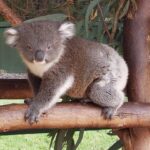
One consideration: this is not a guaranteed kangaroo-and-koala encounter, and there may be few animals in the hospital during your visit. The number of animals available for educational encounters can also change, so come for the work and learning as much as for the animal meetings.
- Key points before you book
- A working wildlife hospital, not a conventional animal park
- What happens during the two-hour visit
- The animals, and what not to expect
- Why the hospital view adds value
- Price and practical value
- Getting ready for Bibra Lake
- Who should book this tour?
- FAQ
- How long is the WA Wildlife Hospital tour?
- Where does the tour meet?
- What animals might I meet?
- Are kangaroos or koalas included?
- Can I see inside the hospital treatment rooms?
- Is touching an animal guaranteed?
- Are children aged 0 to 3 charged?
- What is included in the price?
- What should I bring, and when can I cancel?
- The Best Of Perth!
- More Wildlife Experiences in Perth
- More Tours in Perth
- More Tour Reviews in Perth
- Not for you? Here's more nearby things to do in Perth we have reviewed
Key points before you book
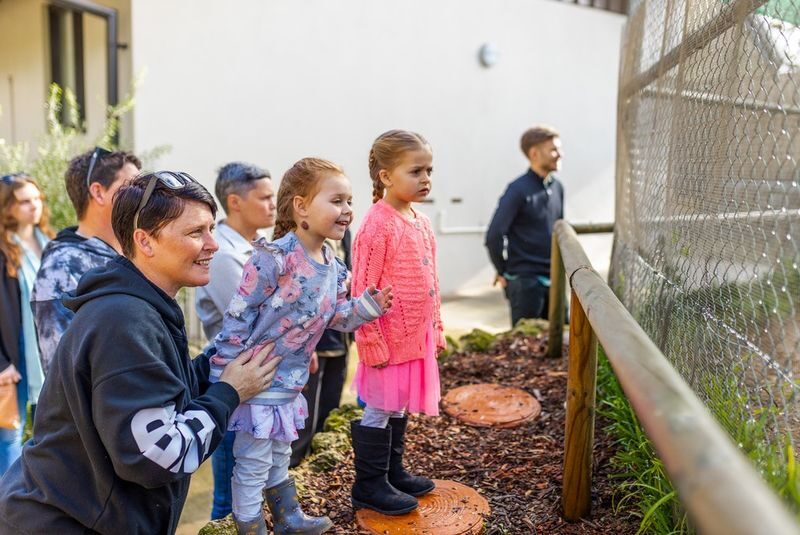
- Hospital viewing windows: See the surgery, treatment room, and wards from outside, with soundproofing intended to let patients recuperate peacefully.
- Native animal encounters: The program may include dingos, Vinnie the wombat, emus, reptiles, possums, cockatoos, and other birds.
- A two-hour, guided visit: The tour is at WA Wildlife, 172 Hope Road in Bibra Lake, with an English-speaking guide and staff.
- Education for different ages: Talks, displays, and hands-on activities make this a useful outing for children and adults.
- A conservation-minded ticket: Funds raised through education and training programs support the WA Wildlife Hospital.
- Set expectations: This is not a zoo-style tour with a guaranteed list of animals, and kangaroos and koalas are not promised.
👉 See our pick of the 6 Best Historical Tours In Perth
A working wildlife hospital, not a conventional animal park
WA Wildlife Hospital offers a different kind of animal encounter. The focus is on the care of sick and injured native animals, with a guided look at the hospital and a chance to meet some animals used in the education program. That distinction matters: you are visiting a place where patients need quiet and treatment, not a facility built around constant public viewing.
The hospital portion takes you past viewing windows looking into the surgery, treatment room, and wards. The rooms are soundproofed so animals can recover without the noise of visitors. You see the work from outside rather than walking into active treatment spaces, which protects the patients and gives you a practical glimpse without turning care into a spectacle.
I like that the visit connects animal encounters to the less visible work behind them. A dingo or wombat can be charming, but the hospital windows help explain why injured wildlife needs skilled care and why rehabilitation can take place away from public view. The guide’s explanations are a key part of that connection, and one visitor specifically appreciated the detail of the tour explanation.
You can also read our reviews of more tours and experiences in Perth

What happens during the two-hour visit
The tour begins and ends at WA Wildlife, 172 Hope Road, Bibra Lake. The scheduled group option runs from 11:00 to 13:00, though you should follow the time confirmed for your own booking. Plan to arrive ten minutes early. Late arrivals and no-shows are not eligible for a refund.
The first part is a guided hospital tour. You look through the windows into the surgery, treatment room, and wards while your guide explains the work of the veterinarians, nurses, and volunteers. This is not a promise that you will see a procedure or an animal receiving care. Hospital activity depends on what is happening that day, and some visitors have found little to see through the windows when no patients were being treated in view.
That variability is worth keeping in mind, but it does not make the hospital visit pointless. The windows show how the facility is arranged and why a quiet recovery space matters. You also get a sense of the people and routines that support wildlife rehabilitation. If your main goal is action at every turn, this part may feel subdued. If you are curious about the care process, it gives context that an ordinary animal park visit would not.
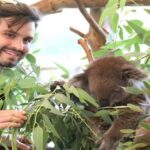
After the hospital viewing, the program moves to the native animals. The experience may include dingos, Vinnie the wombat, emus, reptiles, possums, cockatoos, and a range of birds. The exact animals available can vary. One visitor described meeting and petting some animals, but contact should not be treated as guaranteed. Follow staff instructions, and let the animals set the terms of any interaction.
Interactive displays, talks, and hands-on activities round out the visit. These are intended for children and adults, so families can learn together rather than simply watch from a distance. The mix is useful: the displays can help explain what you have just seen, while the animal encounters give the subject a more personal face.
The animals, and what not to expect
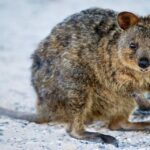
The named animals help set a realistic picture of the experience. You may meet dingos, the wombat known as Vinnie, emus, reptiles, possums, cockatoos, and other birds. That is a good spread of Australian wildlife, especially for visitors who want an introduction to native species and the challenges of caring for them.
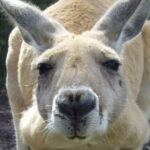
But this is not the right outing if a child has set their heart on a kangaroo or koala. Those animals are not part of the stated encounter list, and the experience does not promise them. Nor should you assume every animal named will be present on a particular day. Some animals may be unavailable, and the hospital may have few patients visible through its windows.
That uncertainty is part of visiting a real wildlife-care setting. Patients arrive when they need help, not to fit a visitor schedule. The educational animals also need suitable conditions and time to settle. A dingo adjusting to a new home, for example, may not be ready for close interaction. Go with flexibility, and the visit is more likely to feel meaningful even if one hoped-for animal does not appear.
The strongest animal moments may be simple ones: watching a wombat, observing a bird, or learning why an animal is being cared for. If the opportunity to pet an animal matters to you, treat it as a possible bonus rather than the reason to book.
Why the hospital view adds value
The viewing windows are a practical compromise between access and animal welfare. They let you see parts of the hospital without entering quiet rooms where patients need to recover. That also means you should not expect to wander through treatment areas or get close to every animal being cared for.
For families, the hospital component can make the visit more than a photo stop. Children can see that wildlife rescue involves treatment, nursing, and recovery, while adults can ask questions and connect the displays to the work behind the scenes. The guide is there to explain what you are seeing, and English-speaking staff are included.
The value of this section depends on your expectations. If you want a show or a guaranteed encounter with animals being treated, you may find it too limited. If you are interested in how a wildlife hospital operates and why its work matters, even a quiet day can offer a useful look at the process.
Price and practical value
The experience starts at $32.35, while the group package is shown from US$28.10. Prices and currencies can depend on the booking option, so check the final amount before paying. For a two-hour guided visit, the price covers admission, an English-speaking guide, and English-speaking staff.
The cost makes most sense if you value both the animal encounters and the chance to support wildlife care. This is not a full-day attraction, and meals, drinks, tips, and personal expenses are not included. Yet the visit combines a guided hospital look, animal encounters, and educational activities in one compact outing. Funds raised through the education and training programs support the hospital, giving the ticket a direct conservation purpose.
Children aged 0 to 3 can attend free, but infants and children must still be included in the passenger headcount. That detail matters when booking: a free place still needs to be accounted for. The experience is family-friendly in its subject matter, but it works best when children are ready to listen to staff and respect animals that may need space.

Getting ready for Bibra Lake
The meeting point is WA Wildlife, 172 Hope Road, Bibra Lake, WA 6163. The tour starts and ends there. No transport is listed as included, so make your own arrangements to reach the site and allow time to arrive ten minutes before the chosen departure. The usual listed departure is 11:00, with a 13:00 return, but use the time confirmed for your booking.
Wear casual clothes and walking shoes. Bring water, sunscreen, sunglasses, and a hat or cap, along with cash and valid ID. Meals and beverages are not provided. The schedule may change because of traffic or weather, although the visit is based at the hospital rather than being a long route through several stops.
The mobile voucher is accepted, and confirmation should arrive within minutes of booking. The voucher is valid only for the date and time specified. You can cancel for a full refund up to 24 hours before the activity date, using destination local time.
Who should book this tour?
I would choose this visit if you are curious about wildlife care, want a structured activity for a family, or would like to meet some Australian animals in a conservation setting. It is especially well suited to people who value explanation and animal welfare as much as close-up encounters. The guide’s role matters here: a clear account of the hospital work can make a quiet viewing window far more interesting.
I would look elsewhere if your priority is to see a particular species, especially a kangaroo or koala, or if you want a busy animal attraction with a guaranteed number of encounters. The hospital’s activity and the animals available for education can change. You may see less than you hoped, and there is no promise of a particular patient or interaction.
Book it for the combination of rehabilitation insight, native fauna, and support for local wildlife care. Go with patience, listen to staff, and treat any chance to meet or pet an animal as a privilege, not a guarantee. That is the right way to enjoy a place where the animals’ needs come first.
Wildlife Interaction and Hospital Tour in Perth
“i had a wonderful time at the rescue. the work they do is so important. There care and attention was so obvious.”
FAQ
How long is the WA Wildlife Hospital tour?
The guided visit lasts two hours. The usual schedule is 11:00 to 13:00, but follow the time confirmed for your booking.
Where does the tour meet?
It meets at WA Wildlife, 172 Hope Road, Bibra Lake, WA 6163, Australia. The tour also returns to this address.
What animals might I meet?
The program may include dingos, Vinnie the wombat, emus, reptiles, possums, cockatoos, and other birds. The animals available can vary.
Are kangaroos or koalas included?
They are not named as part of the experience, so you should not book expecting to see either one.
Can I see inside the hospital treatment rooms?
You view the surgery, treatment room, and wards through windows. The rooms are soundproofed so patients can recover peacefully.
Is touching an animal guaranteed?
No. Some visitors have had the chance to pet animals, but interaction depends on what is suitable for the animals and the day’s program.
Are children aged 0 to 3 charged?
Children aged 0 to 3 are free, but infants and children must still be included in the passenger headcount when booking.
What is included in the price?
Admission to WA Wildlife, an English-speaking guide, and English-speaking staff are included. Meals, drinks, tips, and personal expenses are not included.
What should I bring, and when can I cancel?
Bring water, sunscreen, sunglasses, a hat or cap, cash, and valid ID. You can receive a full refund if you cancel at least 24 hours before the activity date in local time.