In Rome, a cooking class can give you more than a plate of pasta: it lets you work with the ingredients and traditions behind the meal. At Taverna del Ghetto, you’ll make fresh pasta, cook seasonal dishes and finish with ricotta cheesecake. I like the hands-on format, where you take part in the process from shaping noodles to setting the table, and the chance to explore Roman-Jewish food in the neighborhood where it developed.
I also like that the class brings together cooking, local context and a meal with free-flowing wine and water, all in a group of no more than 12. One important consideration: the restaurant is not kosher, and the class cannot accommodate vegan diets. If you have other dietary needs, ask in advance rather than counting on changes at the door.
- What makes this class worth considering
- Starting at Piazza Mattei
- Making pasta by hand
- Seasonal snacks and Roman-Jewish cooking
- Wine, dinner and ricotta cheesecake
- Is .80 a fair price?
- Dietary needs, children and practical details
- Who should book this Rome cooking class?
- FAQ
- How long does the cooking class last?
- Where is the meeting point?
- How early should I arrive?
- What dishes are included?
- Are drinks included?
- Can the class accommodate dietary requirements?
- Can children attend?
- Is the activity wheelchair-accessible?
- What is the cancellation policy?
- The Best Of Rome!
- More Cooking Classes in Rome
- More Tours in Rome
- More Tour Reviews in Rome
- Not for you? Here's more nearby things to do in Rome we have reviewed
What makes this class worth considering
 1 / 2
 2 / 2
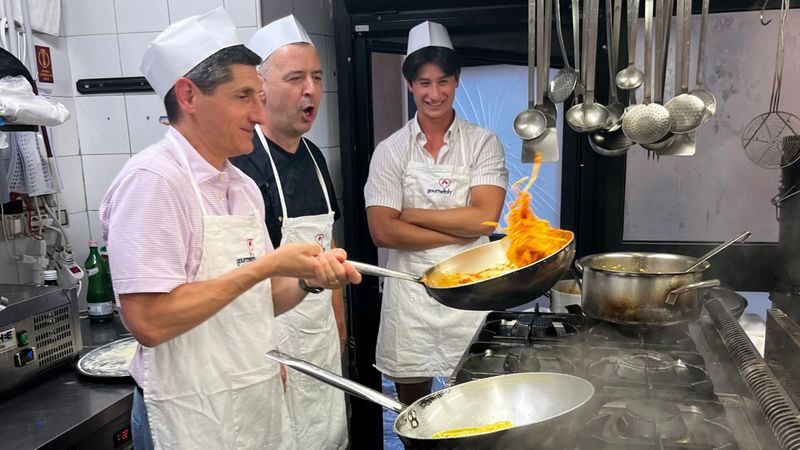
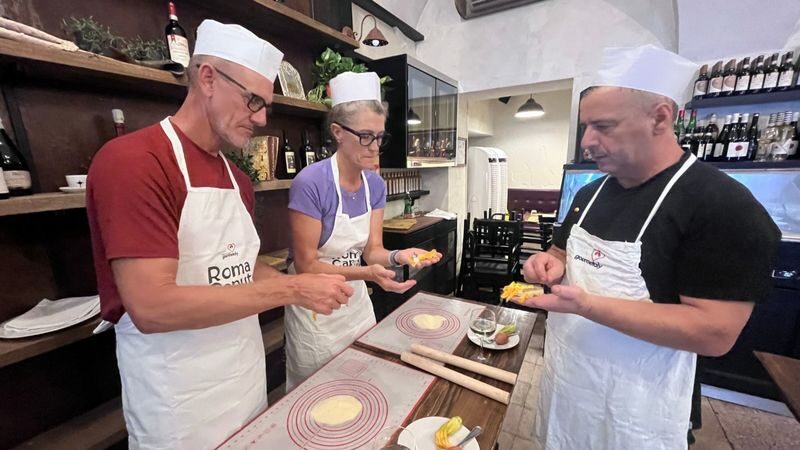
- Fresh pasta is the main event: Learn to make sfoglia and tonnarelli, then prepare tonnarelli cacio e pepe and Amatriciana.
- The snacks change with the season: Winter brings Jewish-style fried artichoke; summer brings fried zucchini flowers. Suppli is included in both seasons.
- You cook in Rome’s Jewish Quarter: The class begins at Piazza Mattei, a historic square in a neighborhood known for its Jewish heritage and traditional food shops.
- The meal includes drinks and dessert: Italian wine and water are free-flowing, and the chef serves a ricotta cheesecake tasting.
- The group stays small: With a maximum of 12 participants, you should have room to work at the cooking stations and follow the chef’s guidance.
- Plan for a short walk: The experience includes moderate walking of about 800 meters in the neighborhood. Wear comfortable shoes.
👉 See our pick of the 25 Best Guided Tours In Rome
Starting at Piazza Mattei
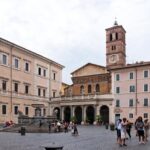
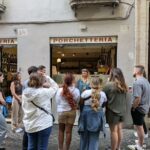
Your meeting point is in front of the door at Piazza Mattei, 12, in the heart of Rome. The square is one of the more appealing places to begin an evening, and it puts the class in context before you even enter the restaurant. You’ll meet your English-speaking host there, then make your way to Taverna del Ghetto for the cooking session.
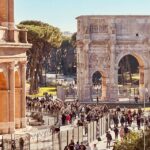
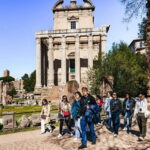
The neighborhood is often called the Jewish Ghetto, though the ghetto itself no longer officially exists. Rome’s Jewish community is among Europe’s oldest, and the quarter still carries that heritage in its restaurants, food shops and local traditions. This isn’t a long walking tour with a guide stopping at every landmark. Instead, the neighborhood provides the setting for a food-focused evening, with some history woven into the experience.
The meeting instructions list start times of 16:50, 16:55 and 17:00. Your voucher gives the time for your booking, so use that rather than guessing. Arrive 15 minutes early, since late arrivals and no-shows are not refundable. Bus line n8 stops at Teatro Marcello/Ara Coeli, about a five-minute walk away.
You can also read our reviews of more cooking classes in Rome
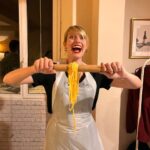

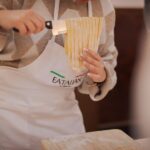
Making pasta by hand
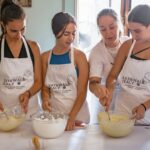
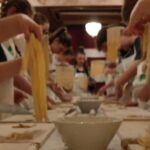
At the restaurant, the chef leads a three-hour class built around fresh pasta and seasonal ingredients. You’ll learn to make sfoglia, the rolled pasta sheet, and tonnarelli, the long, square-cut pasta associated with Roman cooking. The class then uses tonnarelli for two familiar Roman sauces: cacio e pepe and Amatriciana.
The pleasure here is in the making, not just the meal at the end. Pasta dough asks you to pay attention to texture and handling, and a class gives you a chance to try those steps yourself rather than watch someone else do all the work. The experience is set up as a hands-on lesson, with the cooking equipment and ingredients provided.
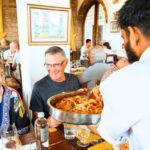
A participant described being guided carefully through the process, from making noodles to setting the table, with each step done by hand. That detail is useful if you’re deciding between a demonstration and a proper cooking class. This experience is designed to have you participate, though the exact pace and how much time each person gets with a task can vary in a group.
The two pasta dishes also offer a practical introduction to Roman flavors. Cacio e pepe keeps its focus on cheese and pepper, while Amatriciana brings a different combination of classic ingredients. You’ll prepare both as part of the class, so this is a good fit if you want to learn recipes you can attempt again at home.
Seasonal snacks and Roman-Jewish cooking
The snack course is one of the class’s most distinctive details. In winter, you’ll have Jewish-style fried artichoke with suppli. In summer, the artichoke gives way to fried zucchini flowers, again served with suppli. This seasonal change makes the menu feel tied to the time of year rather than fixed regardless of what is available.
The neighborhood’s Jewish food traditions are part of the lesson, not just a backdrop. The host and chef share insight into the history of the quarter and its cuisine as you cook. That connection can help you understand why the menu includes dishes associated with Roman-Jewish cooking, rather than treating them as a list of recipes without context.
Do keep expectations realistic: this is a cooking class in a restaurant, not a kosher dining experience. The restaurant is explicitly not kosher, and the food is not described as kosher. If keeping kosher is important to you, this is not the right activity.
Seasonal menus also mean you should not expect both fried artichoke and fried zucchini flowers in the same class. You’ll get the option appropriate to the season, alongside suppli. That’s a small but helpful distinction when you compare the menu with your own food preferences.
Wine, dinner and ricotta cheesecake
Italian wine and water are included and free-flowing while you cook and dine. That can add good value to the price, especially if you’d otherwise order drinks with dinner. The wine is part of the shared meal, not a separate tasting led by a sommelier, though a sommelier is among the food enthusiasts involved in the experience.
The evening ends with a tasting of ricotta cheesecake prepared by the chef. It gives the class a sweet finish without asking you to spend the whole session making a complicated dessert from scratch. You’ll learn about and taste a classic Roman-Jewish dessert, alongside the pasta and savory dishes you prepare.
The total experience lasts three hours, so plan for a full evening rather than a quick lesson before another activity. There’s no hotel pickup or drop-off, and any food beyond the included menu is an extra expense. The class includes equipment, ingredients, the listed snacks and pasta dishes, drinks, and dessert tasting.
A complimentary restaurant guide and cookbook may also be available, subject to availability. Treat those as a possible bonus, not a guaranteed part of the value.
Is $97.80 a fair price?
The advertised starting price is $97.80 per person. That is more than you might spend on a simple dinner, but you’re paying for a three-hour activity as well as a meal: guided instruction, fresh ingredients, several dishes, wine and water, and a small-group setting. If you enjoy cooking or want an evening that feels more participatory than a restaurant reservation, the price is easier to justify.
The value is less compelling if your main goal is simply to eat Roman food. In that case, you may prefer to choose a restaurant and order what appeals to you. The class makes most sense when you want to learn pasta-making and understand some of the food traditions tied to the Jewish Quarter.
Group size is capped at 12, which is a helpful limit for a class where everyone needs to handle ingredients and follow instructions. Still, it is not a private lesson. If you want one-on-one coaching, confirm whether that is possible before booking rather than assuming the small group guarantees individual attention.
You can also read our reviews of more evening experiences in Rome



Dietary needs, children and practical details
Vegetarian and gluten-free options are available if requested in advance. You should provide any food intolerances when booking, because the operator cannot guarantee special food requirements. Vegan diets cannot be accommodated, and the restaurant is not kosher. If you have a serious allergy or a medical concern, take responsibility for checking whether the menu is safe for you before paying.
Children aged 0 to 3 can attend free, but they must still be included in the passenger headcount. Children aged 0 to 17 must be accompanied by a paying adult, and children aged 9 and older are charged the adult rate. The legal drinking age in Italy is 18, so bring valid identification if you plan to drink wine.
The activity involves moderate walking between the meeting point and restaurant, followed by a final stroll through the Jewish Quarter. The total walking distance is about 800 meters. It operates rain or shine, so bring a raincoat or umbrella if the forecast looks unsettled, and wear walking shoes. The activity is not wheelchair-accessible.
Who should book this Rome cooking class?
I’d choose this class if you want a social evening with real cooking, not just a chef’s demonstration. It suits couples, friends and solo visitors who enjoy food and don’t mind working alongside a small group. The neighborhood setting and Roman-Jewish menu give it a clearer sense of place than a generic pasta lesson.
It is also a good choice if you want a break from sightseeing that still connects you with Rome. You’ll spend much of the evening at the restaurant, but the short walk and the host’s local context bring the surrounding quarter into the experience. The emphasis is on cooking and eating, not covering a long list of historical sites.
I would skip it if you need a kosher or vegan meal, require wheelchair access, or want a low-cost dinner without an activity attached. If your dietary needs are more flexible, contact the operator in advance and be specific. For an evening of pasta-making, seasonal snacks and a shared meal in the Jewish Quarter, this is a strong option at a price that includes more than the food on your plate.
Sunset cooking class experience in Rome
“You can skip all the other cooking classes! Just take this one! The instructor carefully guides you from making the noodles to setting the table. E…”
FAQ
How long does the cooking class last?
The cooking class lasts three hours.
Where is the meeting point?
Meet your host in front of the door at Piazza Mattei, 12, 00186 Roma RM, Italy. The class takes place at Taverna del Ghetto.
How early should I arrive?
Arrive 15 minutes before the start time shown on your voucher. Late arrivals and no-shows are not refundable.
What dishes are included?
You’ll make tonnarelli cacio e pepe and Amatriciana. Snacks include suppli and a seasonal dish: Jewish-style fried artichoke in winter or fried zucchini flowers in summer. The experience also includes a ricotta cheesecake tasting.
Are drinks included?
Yes. Italian wine and water are free-flowing during the cooking and dining experience.
Can the class accommodate dietary requirements?
Vegetarian and gluten-free options are available if requested in advance. Vegan diets cannot be accommodated, and the restaurant is not kosher. You should share food intolerances when booking.
Can children attend?
Yes. Children aged 0 to 3 are free but must be included in the passenger headcount. Those aged 0 to 17 must be with a paying adult, and children aged 9 and older pay the adult rate.
Is the activity wheelchair-accessible?
No. The activity is not wheelchair-accessible and includes moderate walking of about 800 meters.
What is the cancellation policy?
You can receive a full refund if you cancel at least 24 hours before the activity date, using the destination’s local time.